US Iran indirect talks
TopicsUS–Iran indirect talksUNGA 2026Strait of HormuzQatar mediation
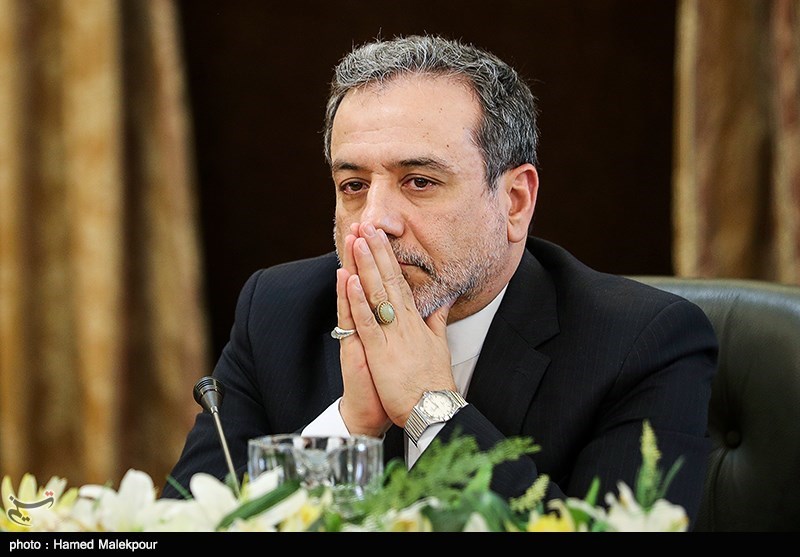
US–Iran indirect talks resumed in New York this week as American envoys Steve Witkoff and Jared Kushner and Iranian Foreign Minister Abbas Araghchi communicated through mediators on the sidelines of the United Nations General Assembly. Reuters reported that Iranian officials said Araghchi and Witkoff did not meet face-to-face, while Witkoff said intermediaries “shuttled between the two sides throughout the day.”
The contact matters because it is the first of its kind since an interim ceasefire collapsed in July 2026. Yet the format also shows the limits: this was a channel reopened under pressure, not a settlement. A senior Iranian official told Reuters the sides remained “far apart,” even as both governments described the exchange as useful enough to continue.
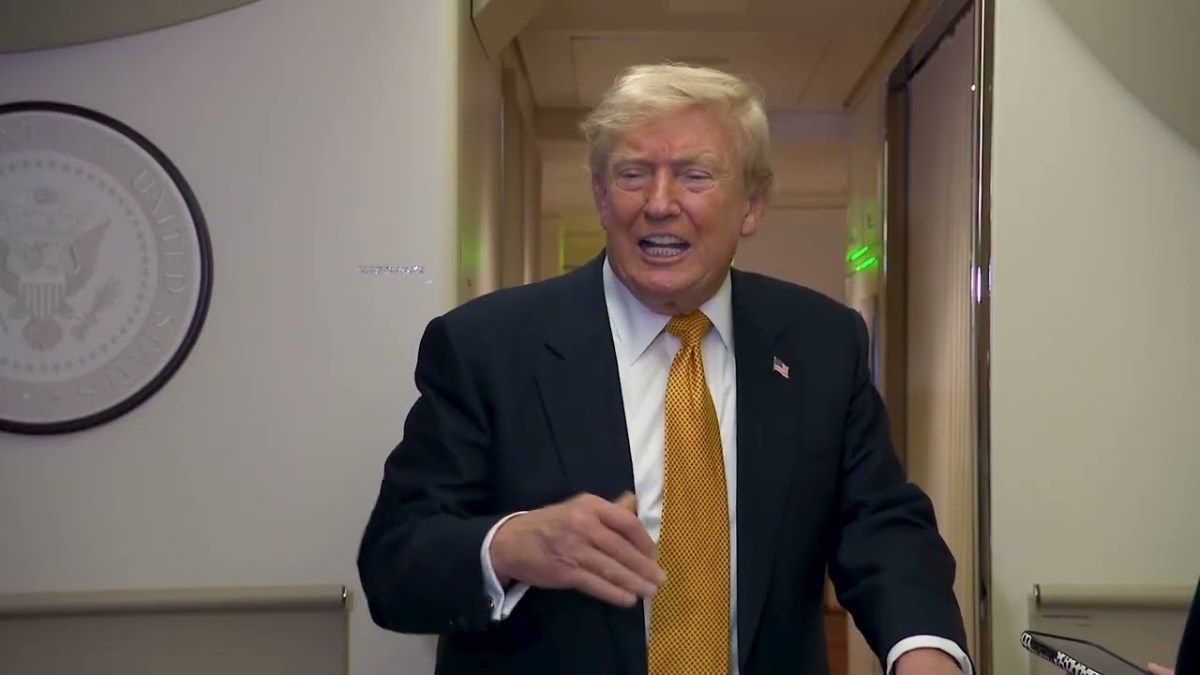
The diplomacy followed President Donald Trump’s UN speech, in which he threatened to “annihilate” the Islamic Republic and asked whether he should “drive them into hell” if no deal is reached. That combination—extreme public coercion and private message-passing—defines the central question now: can threats produce concessions without making compromise politically impossible in Tehran?
What happened at UNGA
Reuters reported that Araghchi, Witkoff and Kushner communicated through mediators rather than holding the direct bilateral encounter earlier accounts had suggested. Araghchi also met separately with Qatari Prime Minister Sheikh Mohammed bin Abdulrahman Al Thani, placing Doha at the center of the shuttle channel.
Witkoff’s public description was deliberately positive. In an official post, he called the talks “promising” and “constructive” and said mediators moved between the delegations throughout the day. Iranian officials were more guarded: Foreign Ministry spokesperson Esmail Baghaei said Tehran’s priorities included ending the war and halting what Iran calls U.S. “acts of aggression.”
Trump supplied the most expansive account, saying the session lasted three hours, was productive and would be followed by another meeting “in the very near future.” The duration is disputed. The New York Post reported Trump’s three-hour account, while reporting cited by the Algemeiner described roughly two hours of exchanged messages. Because the participants were separated, the difference may reflect whether officials counted the entire shuttle process or only the active exchanges. Signal Post News cannot independently resolve that discrepancy.
Trump’s threat and the coercive-diplomacy gamble
Trump’s “annihilate” language is not incidental background. It was the public frame around the talks and an attempt to convince Iran that rejecting an agreement would carry existential costs. Supporters of that approach see military pressure as the reason Tehran returned to a diplomatic channel. Critics see a contradiction: leaders who negotiate immediately after such a threat risk being portrayed at home as surrendering.
The White House cast Trump’s UN appearance as a demonstration that the president acts while other leaders talk. Tehran’s reading is nearly the reverse: officials say U.S. attacks and pressure must stop before a durable bargain can be built. The two narratives leave mediators with the hardest task in diplomacy—constructing reciprocal steps neither side has to sell as capitulation.
Trump’s own three-hour account therefore establishes neither a breakthrough nor a formal direct meeting. The verified point is narrower and still important: after months without this channel, senior officials authorized messages to pass and did not immediately shut the process down.
Iran’s reported terms: blockade, assets and a wider ceasefire
Reporting citing Al Jazeera said Iran’s terms included lifting the naval blockade, releasing frozen Iranian assets and ending the war on all fronts, including Lebanon. Each item reaches beyond a technical nuclear negotiation. Together they amount to a demand for economic relief, restored maritime access and a region-wide security bargain.
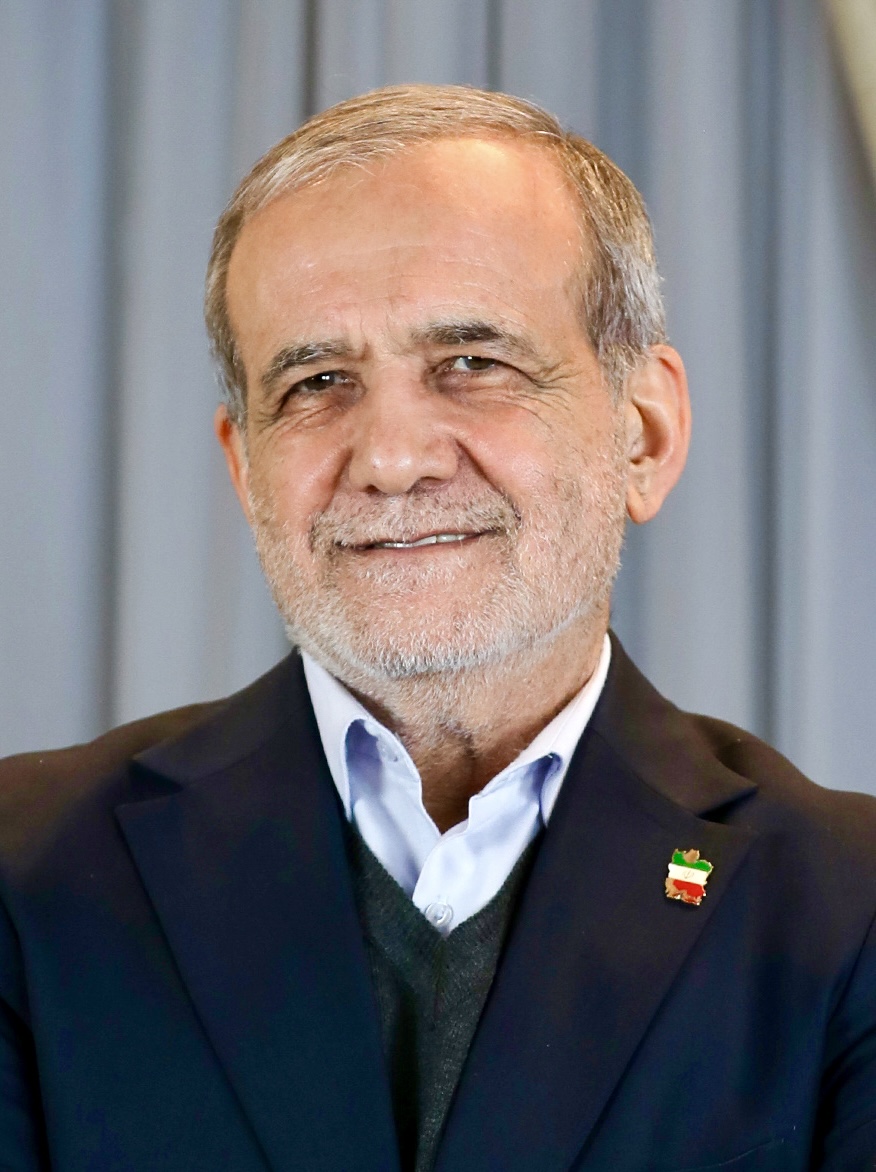
Washington’s public minimum begins in a different place: the Strait of Hormuz must remain fully open. President Masoud Pezeshkian told the General Assembly that Iran does not seek nuclear weapons and framed the strait as part of Iran’s sovereign security, while U.S. officials treat unrestricted passage through it as non-negotiable. Read our continuing coverage of Pezeshkian’s UNGA diplomacy.
These opening positions explain why the sides can call the same exchange constructive while remaining far apart. The United States is seeking guarantees about shipping and Iran’s nuclear capabilities. Iran is asking for wartime and financial relief that would require policy changes across multiple fronts and institutions.
Why this matters
This is the first credible diplomatic opening since the July collapse of the interim ceasefire. It creates a mechanism for testing proposals before leaders commit publicly and gives Qatar space to translate incompatible political language into sequenced steps. Even without a deal, a functioning channel can reduce the risk that a military move, shipping incident or political speech is misread as the start of a larger escalation.
The channel also links several crises often treated separately. Hormuz is both a security corridor and an oil chokepoint. Frozen assets are both sanctions policy and potential bargaining currency. Lebanon is both an independent conflict and part of Tehran’s regional deterrence strategy. A narrow bilateral agreement may be easier to negotiate, but Iran’s reported terms suggest Tehran wants the war’s connected theaters addressed together.
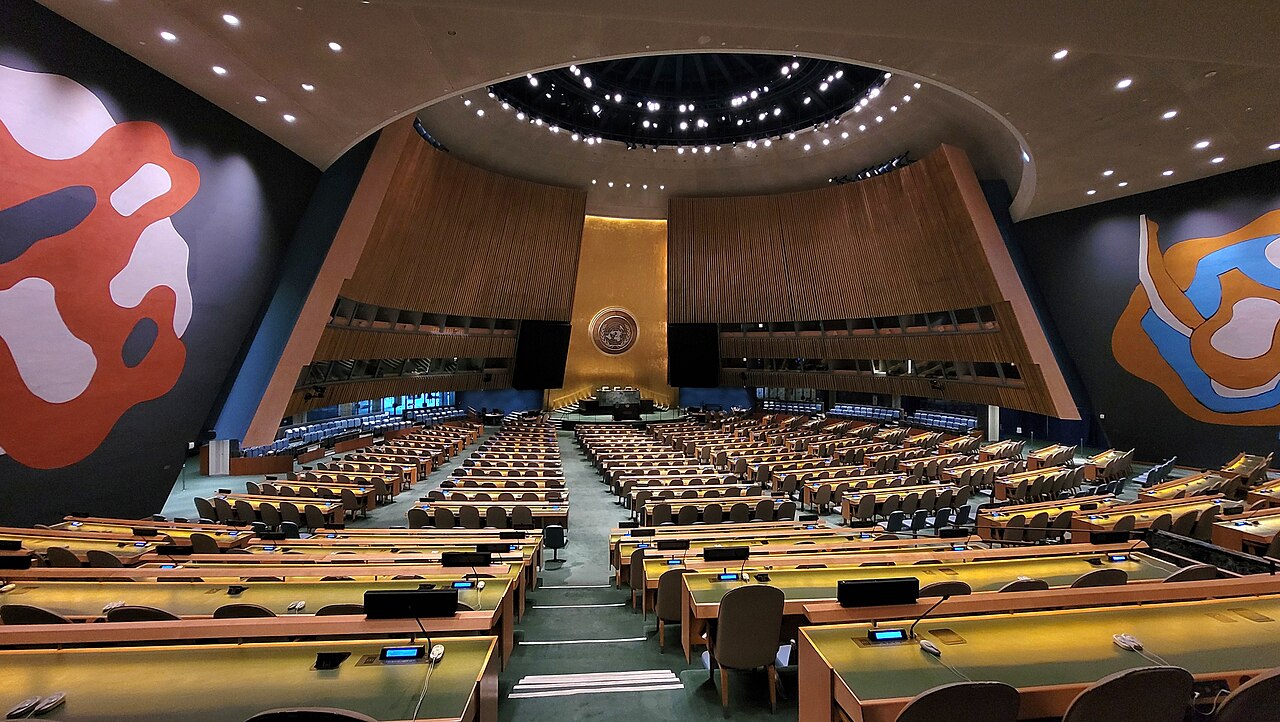
The UN setting adds leverage and danger. Leaders can use bilateral meetings, allied governments and mediators in the same building, but every statement is also aimed at a domestic audience. That encourages maximalist rhetoric even when private exchanges require ambiguity.
Markets: what the oil numbers really mean
Reuters reported Brent crude just below $100 and near a two-week low as the first reports of shuttle diplomacy emerged. Separately, oil rose almost 2% on Wednesday as traders weighed the uncertain path forward. Those moves are not contradictory: a market can rally within a period in which the benchmark remains below its recent peak.
The price signal measures probabilities, not peace. A credible reduction in the risk of a Hormuz disruption removes some geopolitical premium from crude. A breakdown, a renewed blockade threat or another military exchange would add that premium back quickly. The fact that Brent remained near $100 shows that traders still priced substantial war and shipping risk even after the channel reopened. For broader market context, see our analysis of oil below $100 and global markets.
Oil importers, airlines and manufacturers benefit from a durable reduction in risk because lower fuel and freight costs pass through supply chains. Iran and other exporters can lose revenue if prices fall, though Tehran could gain far more from sanctions relief and restored access to frozen funds than it loses from a smaller risk premium.
Who wins, who loses
Qatar gains diplomatic weight. Its prime minister’s meeting with Araghchi and the shuttle format make Doha the essential carrier of proposals. That role expands Qatar’s influence but also exposes it to blame if either side misstates what was conveyed.
Witkoff and Kushner gain a channel, not yet a result. Their immediate win is procedural: senior Iranian officials engaged. Their risk is political inflation—if “promising” becomes confused with “agreement,” expectations will outrun the substance.
Pezeshkian and Araghchi gain room to argue that diplomacy can extract relief. They also face intense pressure from hardliners. Iran’s Tasnim news agency called Araghchi’s contacts “a major gift to Trump,” evidence that even indirect engagement carries domestic cost.
Trump gains proof that pressure has not eliminated diplomacy. But his threat can become a liability if it stiffens Iran’s terms, undercuts mediators or creates a public deadline he cannot meet without escalation.
Civilians and energy consumers have the largest stake and the least control. They benefit from any ceasefire that actually holds, while paying the price—in casualties, disrupted shipping and inflation—if the process collapses.
The hardliners’ veto problem
Iran’s internal politics may be as consequential as the distance between the two governments. Tasnim’s criticism signals that opponents of engagement are prepared to define contact itself as a concession. That can narrow Araghchi’s freedom to explore interim steps, especially if no immediate economic benefit is visible.
The United States has its own veto points. Releasing assets, adjusting sanctions or accepting a regional ceasefire framework can require legal, congressional, allied or military coordination. A mediator can carry proposals in a day; implementing them may require months and institutions that were not in the room.
That is why the sequencing matters. The most plausible early package would involve reversible measures: clearer maritime guarantees, a limited halt to attacks, a controlled humanitarian or financial release, and a timetable for broader nuclear and regional talks. Signal Post News analysis: such a package would not resolve the underlying dispute, but it could create evidence that compliance produces reciprocal value.
How we got here
The current contact follows a cycle of pressure, temporary restraint and collapse. An interim ceasefire failed in July 2026, cutting off the last meaningful channel and returning the war, Hormuz access and energy prices to the center of diplomacy. Trump’s UN speech then raised the military stakes while also predicting an eventual deal.
Pezeshkian’s presence in New York gave Iran a presidential platform to deny that it seeks nuclear weapons and to defend its position on Hormuz. Araghchi’s separate work with Qatar created the practical channel through which U.S. and Iranian proposals could move. The contrast is deliberate: leaders establish public red lines while envoys test the space between them.
The new report does not erase the earlier announcement that Trump described as three hours of talks. It clarifies the mechanism: shuttle exchanges through mediators, with no verified face-to-face Araghchi–Witkoff meeting. For the earlier timeline and Trump’s initial account, see our September 22 report.
What happens next
First, watch the format. A second shuttle exchange would show continuity; a direct meeting would represent a larger political step. Either would matter more if the participants name an agenda rather than simply describe the atmosphere.
Second, watch Hormuz. Shipping access is the fastest observable test of intent. Practical de-escalation at sea would lower miscalculation risk and give markets evidence beyond statements.
Third, watch the money. A limited release of frozen assets could serve as a reversible confidence-building measure, but it would provoke scrutiny over conditions and enforcement.
Fourth, watch the war’s other fronts. Iran’s reported demand to include Lebanon means a bilateral U.S.–Iran process may stall unless allied governments and regional actors are consulted.
Finally, watch domestic language. If Washington continues existential threats while Tehran’s hardliners portray contact as betrayal, negotiators may have less room even when the substantive gap narrows.
Sources
- Reuters: U.S. and Iran hold first shuttle talks in months, with no face-to-face Araghchi–Witkoff meeting
- Reuters: Tehran hints at Hormuz diplomacy as leaders gather at the UN
- New York Post: Trump’s three-hour account and his “annihilate” and “drive them into hell” language
- Indian Economic Observer: Al Jazeera-cited Iranian terms and Witkoff’s description of the mediator shuttle
- Office of the Special Envoy for Peace Missions: Witkoff’s statement on the talks
- Algemeiner: Pezeshkian’s address, oil-market reaction, two-hour account and hard-line criticism
- White House: President Trump at the United Nations—“While Others Have Talked, I Have Acted”
- White House: official release on President Trump’s UN address
Reporting cutoff: September 24, 2026 at 9:15 a.m. PDT. The talks were indirect, and no full proposal or transcript was public at the cutoff. The two-hour and three-hour descriptions remain unresolved; each is attributed above. Analysis and scenario judgments are Signal Post News’s synthesis of the cited reporting.