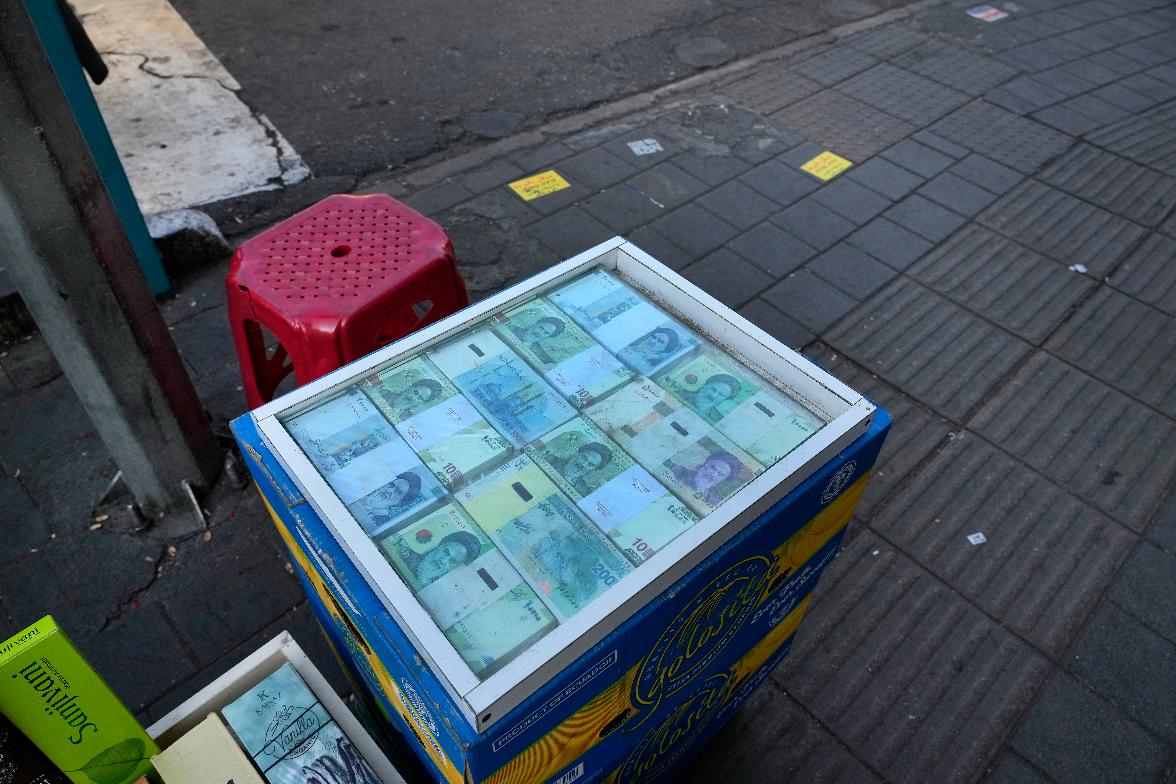
Why the rial is falling
Sanctions restrict Iran’s ability to sell oil, receive payments and move dollars through the international financial system. Even when exports continue through discounted or indirect channels, converting the proceeds into usable foreign currency can be slower, costlier and less predictable.
That scarcity feeds expectations. Households and businesses buy dollars, euros or gold to protect savings, increasing pressure on the rial. Importers then need more local currency for the same shipment, and the higher cost moves through food, medicine, machinery and transport.
What a record low means
The exchange rate is not an abstract market score. It is a compressed measure of confidence in future inflation, government finances and access to foreign trade. A rapid fall can raise prices before new imports even arrive because sellers price in the cost of replacing inventory.
Iran uses multiple exchange-rate channels, including official and market rates. That system cushions some priority imports but also creates gaps that reward people with privileged access. The street rate remains the clearest signal of what many households and small businesses actually pay to obtain hard currency.
The sanctions transmission chain
Tighter enforcement can reduce oil revenue or delay its return. Lower dollar supply weakens the rial. A weaker rial raises import costs, and higher prices erode real wages. The central bank can intervene, restrict trading or tighten liquidity, but those steps address the symptom unless export income and confidence recover.
Regional conflict adds a risk premium. Businesses hold more precautionary currency, logistics costs rise and investors delay commitments. Each factor can reinforce the others even without a formal change in the sanctions text.
Who gains and who loses
Exporters paid in foreign currency can gain when revenues are converted into weaker rials. People holding dollars or gold are also protected. The greatest losses fall on salaried workers, pensioners and small businesses whose income is fixed in local currency while costs adjust quickly.
Import-dependent manufacturers face a second squeeze: parts and materials cost more, but customers cannot always afford higher prices. That can reduce production and employment, turning a currency shock into a broader growth problem.
Policy options and constraints
Authorities can release reserves, manage exchange shops, raise interest rates or expand subsidized access for essential imports. Each option has limits. Reserves are finite, controls can push activity underground, higher rates can depress growth and subsidies can create corruption or fiscal costs.
A more durable stabilization would require credible fiscal policy and improved access to hard currency, which is tied to sanctions diplomacy and oil trade. That makes the rial both an economic indicator and a political barometer.
What happens next
Watch the gap between official and street exchange rates, central-bank intervention, oil-export receipts and prices for food and medicine. A narrower spread and steadier market would suggest confidence is returning; a widening gap would point to deeper pressure and more capital flight.
The human test is purchasing power. Even if the rial later stabilizes, households do not recover automatically from a price level that has already moved higher.
Sources
Associated Press, reporting on Iran’s currency and sanctions pressure: Read the report
Reuters, background on the rial and Tehran exchange market: Read the background