War · Middle East · Yemen · United Nations
A UN staff member dies in Houthi custody, his family learns of it weeks later, and the UN’s top human rights official demands an independent investigation. Mohammad el Shami, a Yemeni staffer of the UN Human Rights Office detained since June 2024, is the second UN worker to die in Houthi detention in under two years — and no cause of death has been given.
Track it live: Middle East war tracker
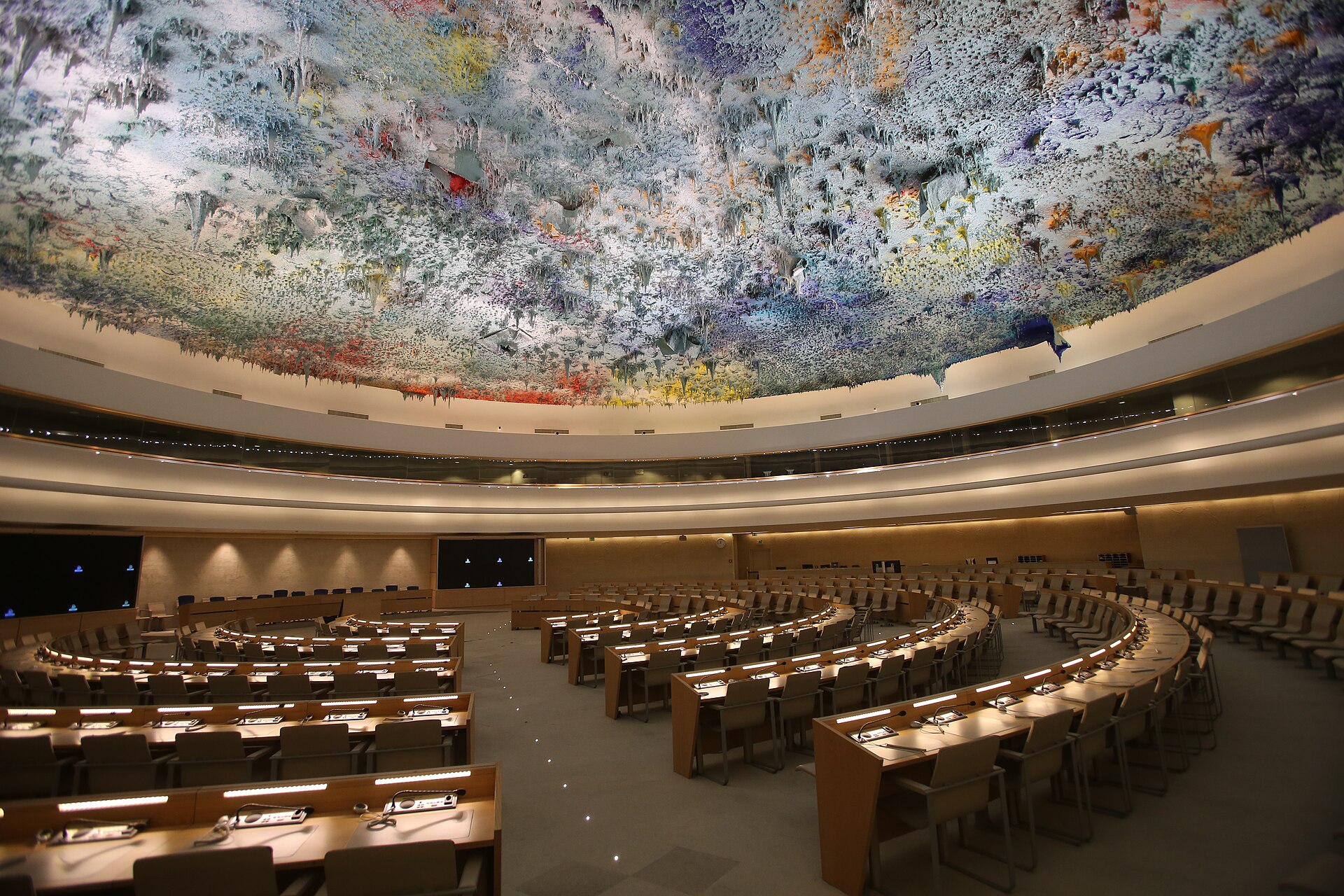
GENEVA — A Yemeni staff member of the UN Human Rights Office, Mohammad el Shami, has died in Houthi custody more than two years after he was arbitrarily detained on 6 June 2024, UN High Commissioner for Human Rights Volker Türk announced on Saturday, October 31, 2026. According to his family, el Shami died more than a month ago, but they were informed only recently — and they have received no explanation of the cause or circumstances of his death.
What the UN is demanding
Türk called the death “utterly devastating” and a heartbreaking loss for his Office, and he extended his condolences to el Shami’s family. He demanded full transparency from the de facto authorities in Sanaa: an urgent, independent and thorough investigation into the death; disclosure of all relevant medical and detention records; preservation of evidence; independent scrutiny of any stated cause of death; and accountability for any wrongdoing the investigation finds.
He also appealed again for the immediate and unconditional release of all other detained UN personnel — including seven colleagues from his own Office — and of the detained humanitarian and civil society workers held alongside them. Pending release, Türk said, the de facto authorities must ensure the detainees’ safety and humane treatment, provide them medical care, allow them contact with their families and give the UN access to them. “No family should have to endure what our colleagues’ loved ones are now facing,” he said. Türk warned that the detentions gravely undermine the UN’s ability to support Yemenis during a serious humanitarian and human rights crisis.
The responses
Yemen’s prime minister condemned the death, held the Houthis fully responsible and called for those responsible to be held accountable, Reuters reported. Yemen’s human rights ministry likewise held the Houthis responsible and said el Shami’s body has not yet been handed to his family, according to Yemen Monitor.
UN Secretary-General António Guterres said he is urgently seeking answers from the Houthi authorities after repeated UN requests brought no information. He noted that this is the second death of a UN worker in Houthi detention: a World Food Programme employee died in custody in February 2025, UN reporting said.
There was no immediate Houthi comment on this death. The group has previously said those detained were part of a spy network working for the United States and Israel, and has accused humanitarian organisations of using their work as cover for intelligence activities — claims it has made without providing evidence, Reuters reported.
The numbers behind one death
El Shami was one of 13 UN staff seized in the June 2024 raid wave in which he was detained, UN News reported. The count has grown since. As of mid-October 2026, the UN said 71 of its personnel were in Houthi detention. Amnesty International and Human Rights Watch put the figure at 72 UN staff as of 5 October 2026, alongside dozens of humanitarian and civil society workers — all of them Yemeni nationals — and say more than 100 UN and civil society staff have been arbitrarily detained over the past two years, many held without charge and denied access to lawyers and to their families. Seven of the detainees are from Türk’s own Office.
Since 18 August 2026, at least eight human-rights and humanitarian workers — two UN employees, a UN consultant and five civil-society workers — have been sent for criminal prosecution on espionage-related charges that can carry the death penalty, according to Amnesty International and Human Rights Watch. The two counts of the detained, 71 and 72, come from different organisations on different dates; what is not in dispute is the direction of travel, or that every person held is a Yemeni who worked for an international organisation.

How we got here
The Houthis seized Sanaa in 2014, prompting a Saudi-led military intervention in 2015 in support of Yemen’s internationally recognised government. The country remains divided: the Houthis hold Sanaa and much of the north and northwest, and the war they and the government are fighting — tracked on Signal Post News’s wars tracker — has swung back toward open escalation this year, a slide the UN’s envoy has warned amounts to Yemen having fallen back toward full-scale war, even as fighting cuts off aid to some 800,000 people.
The arrest waves against UN and civil-society staff began on 31 May 2024, and el Shami was taken days later, on 6 June. On 11 February 2025 a World Food Programme staff member, Ahmed, who had been detained on 23 January 2025 with six colleagues in Saada, died in custody; Guterres demanded a transparent investigation, and the UN halted its operations in Saada governorate. Briefing the Security Council on 9 October 2026, UN Special Envoy Hans Grundberg said many of the detainees had serious health problems, making their release more urgent. One detained WFP staff member was released on 5 October 2026 — a reminder that individual releases have happened before, through quiet mediation rather than public pressure.
Why this matters
A second death makes it a pattern
This is the second UN death in Houthi custody in under two years. That turns a detention dispute into a pattern the UN has to answer institutionally, not case by case: two families, two unexplained deaths, and — so far — no published investigation into either.
The detainees are Yemen’s own aid workforce
Every detainee is a Yemeni national working for an international organisation. The arrests therefore strike the local workforce on which all aid delivery and human-rights monitoring in Houthi-held areas depends, and the chilling effect reaches far beyond the roughly 71 people held: every Yemeni who works for the UN or an aid agency now does so knowing what can follow.
Espionage prosecutions raise the stakes
The espionage prosecutions raise the stakes from indefinite detention to possible death sentences. That narrows the space for the quiet mediation that has previously secured individual releases, because a detainee inside a capital criminal process is harder to free with a phone call than one held without charge.
Access is disappearing as war returns
With Yemen already sliding back toward wider war — and the World Food Programme reporting a record hunger crisis — losing UN presence and access in the north removes both aid delivery and independent reporting at exactly the moment both are most needed.
The two sides’ claims should be held apart from the verified record. The Houthi authorities say the detained staff were spying for the United States and Israel; the UN and Yemen’s internationally recognised government say they are humanitarian and human-rights workers arbitrarily detained. Neither claim about espionage has been tested with published evidence. The verified facts are narrower and undisputed: the detentions happened, el Shami died in custody, his family was told weeks later, and no explanation or evidence has been made public.
What happens next
Four questions now decide what this death changes. First, whether the Houthi authorities disclose the medical and detention records Türk demanded, or permit any independent scrutiny of the death at all. Second, whether the Security Council takes up the detentions beyond statements — its members have condemned the arrests before without agreeing on consequences. Third, whether mediation secures further individual releases, as it did for the WFP staff member freed on 5 October. And fourth, whether the UN further limits its operations in Houthi-held areas, as it did in Saada in 2025 — a step that protects staff by withdrawing the aid and monitoring millions of Yemenis depend on. Each of those steps trades staff safety against access, and none of them has an answer yet.
Related coverage
- UN Envoy Warns Yemen Has Fallen Back Into Full-Scale War
- Yemen Fighting Cuts Off Aid to 800,000 People, UN Says
- Yemen Hunger Crisis Reaches Record High as War Escalates, WFP Warns
Sources
- OHCHR — press release, October 31, 2026: death in custody of UN Human Rights staff member in Yemen “devastating”, Türk demands investigation and the release of detained staff.
- Reuters — reporting, October 31, 2026: UN says Yemeni staff member dies in Houthi custody, demands investigation; Yemen’s prime minister holds the Houthis responsible.
- UN News — report, October 31, 2026, including the 13 staff seized in June 2024 and 71 UN personnel in detention as of mid-October 2026.
- Amnesty International / Human Rights Watch — joint statement, October 2026: Houthis prosecute UN and civil-society staff on espionage-related charges; 72 UN staff detained as of 5 October 2026.
- UN News — February 2025 report on the death in custody of the World Food Programme staff member detained in Saada.
- Photos: Ludovic Courtès (CC BY-SA 3.0) and Hamza Shiban (CC BY-SA 3.0), via Wikimedia Commons, as credited in the captions. Both are file photographs — the Human Rights Council chamber in Geneva and the Old City of Sanaa — not photographs of the events reported.
This article is based on the OHCHR press release of October 31, 2026, Reuters and UN News reporting of October 31, 2026, and the joint Amnesty International / Human Rights Watch statement of October 2026. The Houthi authorities had issued no comment on el Shami’s death at the time of publication; their earlier characterisation of the detained staff is reported as their claim, made without published evidence. Detainee totals are attributed to their sources with their dates because the UN and the rights groups count on different days. Analysis is by Signal Post News.