800,000 cut off / When the front line moves, the food trucks stop — and hunger does the rest
Track it live: Live global conflicts tracker
What "cut off" actually means
Aid does not usually end with an announcement. It ends with a road. When the UN says people have been cut off, it describes a mechanics problem with human consequences: convoys halted because a route crosses a front line that moved overnight; warehouses full of food that staff cannot safely reach; distribution points closed because the area around them is being fought over; local partners — the Yemeni organisations who do most of the last-mile work — unable to travel, communicate or guarantee their teams' safety. Add funding gaps that had already thinned the operation before this round of fighting, and a cutoff is rarely one decision. It is the accumulation of risks no convoy commander can accept.
That distinction matters for reading the 800,000 figure honestly. The UN is not saying 800,000 people received a final delivery and a goodbye. It is saying the system that reached them — registrations, ration cycles, nutrition clinics, water trucking — can no longer operate where they live. In a country where, as Signal Post News has reported, the World Food Programme has been documenting record levels of hunger, with most households in accessible areas already unable to meet daily food needs, losing access is not an interruption of a comfortable supply. It is the removal of the floor.
A week that collapsed the distance between war and dinner
The cutoff follows days of escalation that this site has tracked in sequence. On October 15, Houthi missiles struck the presidential palace complex at Maashiq in Aden — the seat of the internationally recognised government — in an attack we covered here. The government, under President Rashad al-Alimi, has announced an offensive to retake territory held by the Houthis, the Iran-aligned movement that controls the capital, Sanaa, and much of the north. Each side describes the other's move as the escalation: the government presents its offensive as restoring state authority and reopening the country; the Houthis present their strikes as retaliation and deterrence, and accuse the government and its Saudi backers of choosing war. The UN's position, as reported in its October 16 briefings, is narrower and bleaker: whatever the sequence of blame, the fighting's first measurable effect is on civilians who were already hungry.
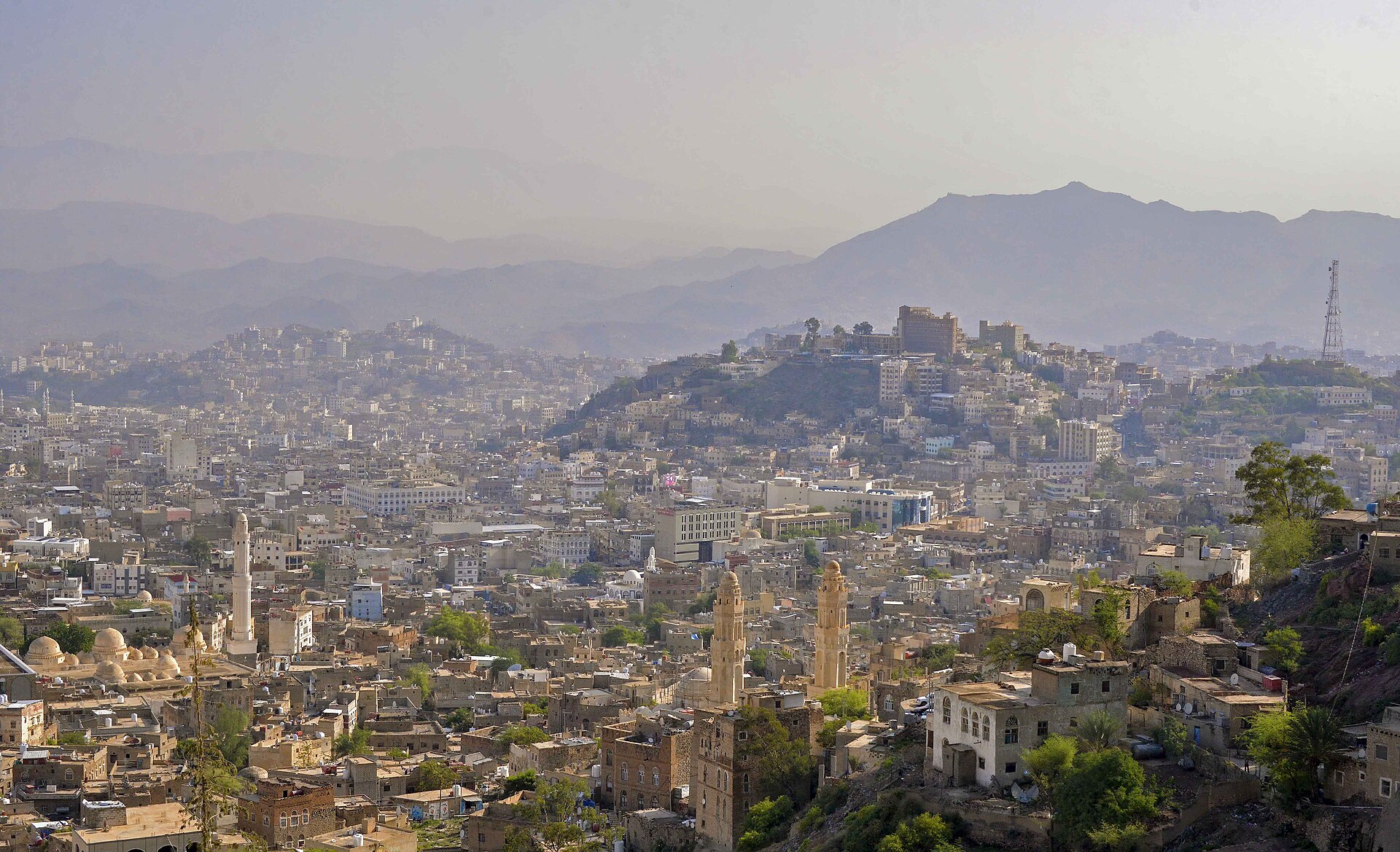
Taiz illustrates the trap. Yemen's third-largest city has spent years partially encircled, its supply roads contested, its markets priced by siege economics. Aid agencies have repeatedly identified it among the places with the deepest food insecurity in the country — and it is again among the areas where clashes most directly imperil deliveries. A city can be, simultaneously, a military objective, a humanitarian priority and a place where a closed road shows up within days as empty stalls and thinner children at nutrition clinics. That is not rhetoric; it is the sequence aid workers in Yemen have described after every previous closure, and it is why the UN treats access losses as emergencies in themselves, before any new casualty count arrives.
The deeper context is a war that has never fully stopped. The Houthis seized Sanaa in 2014, a Saudi-led coalition intervened in 2015 to restore the recognised government, and the years since have cycled through offensives, a UN-brokered truce in 2022, its expiry, Red Sea escalation and long stretches of tense, armed stalemate — without ever producing a settled peace. Each cycle left the humanitarian system weaker than the last: ports damaged, the currency split between rival authorities, salaries unpaid, and millions displaced at least once. That accumulated fragility is the reason a single new offensive can cut off 800,000 people so quickly. The system had no reserve left to absorb a shock; the shock simply had to arrive.
The strait beyond the front line
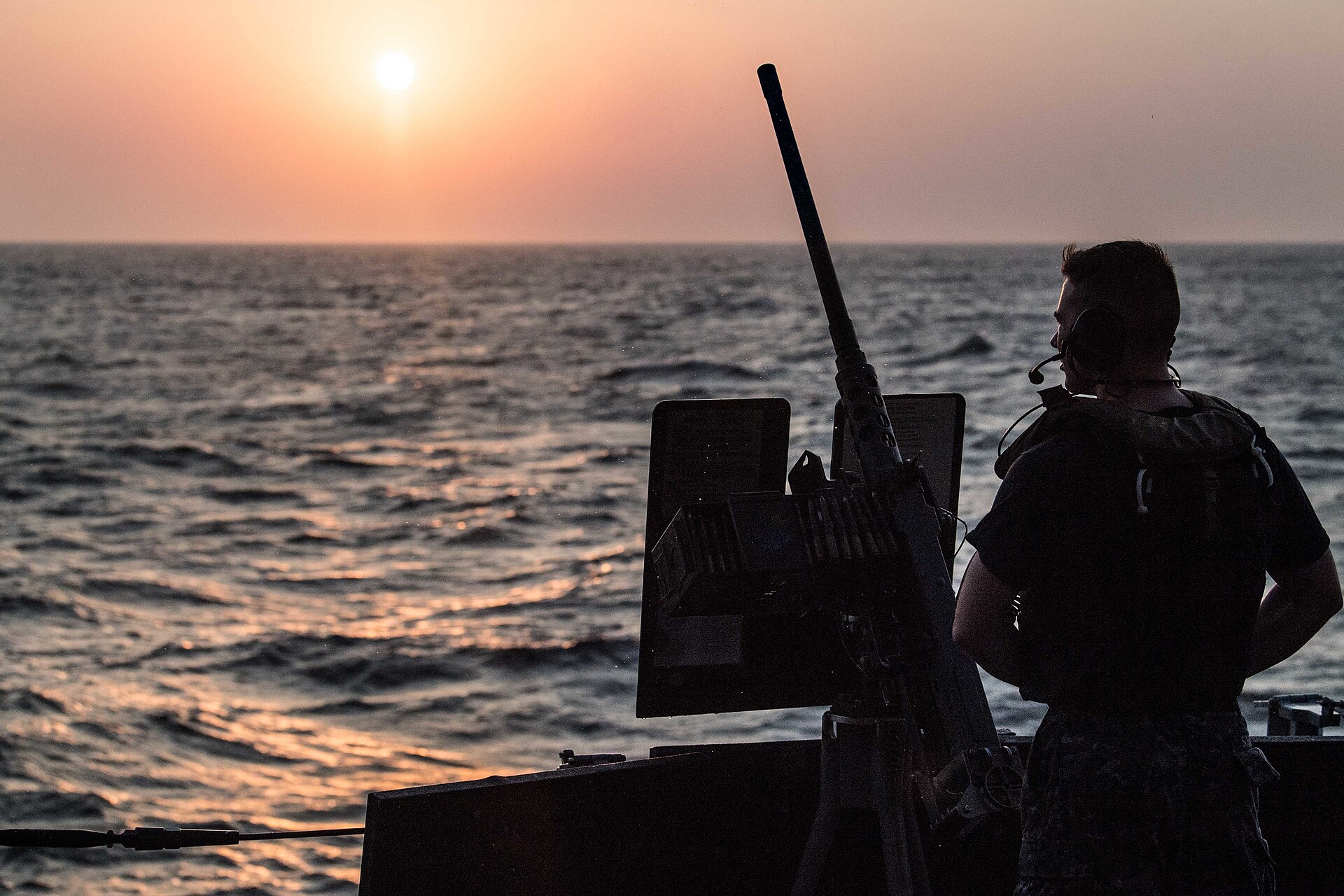
Yemen's war is never only Yemen's, because of a strip of water about twenty miles wide at its narrowest. The Bab al-Mandeb, connecting the Red Sea to the Gulf of Aden and the Suez route beyond, carries a significant share of global trade and energy shipments. Houthi attacks on shipping earlier in this war forced major carriers onto the long route around Africa, raised insurance costs worldwide and pulled American, British and European warships into the Red Sea. A renewed land offensive that changes who holds Yemen's Red Sea coast therefore carries a second, global ledger: if coastal control shifts or missile and drone launches resume against shipping, the costs land in freight rates and fuel prices on other continents within weeks. Governments backing the offensive argue that retaking the coast is precisely how the shipping threat ends. The Houthis argue the strait is their leverage against blockade and bombardment. Both arguments treat the same water as a weapon; the people cut off from aid this week live in the country underneath it.
Why this matters
The 800,000 figure matters because of the baseline it lands on. Yemen was not a country with a functioning food system and a temporary problem; as our coverage of the WFP's record-hunger findings set out here, it is a country where hunger records were being broken before this fighting began, where the aid operation itself was already underfunded, and where years of war have hollowed out the health system that would catch malnourished children before malnutrition becomes fatal. Cutting access in that context compounds: a missed ration cycle is not recovered when the road reopens, because the child's condition in the intervening weeks is not recoverable in the same way. There is also a strategic truth both sides rarely state plainly — control of aid access is itself a form of power in Yemen's war, shaping which populations eat, move or flee. That is why the UN presses access as a legal obligation on all parties rather than a favour to be traded, and why every previous pause in this war has ultimately been measured, by Yemenis, in trucks rather than communiqués.
What happens next
Four tests will show whether 800,000 is a peak or a milestone. First, the roads: whether humanitarian pauses or local agreements reopen specific convoy routes, the unglamorous negotiations on which everything else depends. Second, the offensive's geography: if government forces advance toward contested coastal and central areas, access may worsen before it improves, and displacement — already rising in this offensive's first weeks — will add new people to the cutoff faster than agencies can register them. Third, the money: UN appeals for Yemen have run chronically short, and donors distracted by newer crises will be asked, again, whether a record hunger warning changes their arithmetic. Fourth, the strait: any return of attacks on Red Sea shipping would internationalise this round of fighting and harden every position in it. Signal Post News will follow the UN's access reporting and the Aden and Taiz fronts as they are confirmed.
Sources: United Nations and World Food Programme statements as reported in Oct. 16, 2026 morning briefings (800,000 access figure); Reuters, Oct. 15, 2026 (Aden palace complex attack). Related on Signal Post News: Houthi missiles hit Aden's presidential palace complex · Yemen's WFP record hunger crisis.