World — A ceasefire both Moscow and Kyiv say is holding toward Kherson runs alongside the heaviest strike night on the capital in weeks — 16 ballistic missiles, more than 280 drones, and a city counting the cost by morning.
On Ukraine war day 1707, the war produced two opposite headlines at once. Toward Kherson, a local ceasefire around Oleshky that both Moscow and Kyiv say is real entered its first full day: Russia's Ministry of Defence said its forces halted shelling from 04:00 Moscow time, and Ukraine's human rights commissioner Dmytro Lubinets confirmed Kyiv is honouring the pause. Over the capital, the same night brought one of the heaviest strike waves in weeks — President Volodymyr Zelenskyy said Russia launched 16 ballistic missiles and more than 280 drones at Kyiv, killing a 46-year-old woman, injuring between 12 and 15 people, and hitting a university campus, dormitories and medical facilities. Both facts are true at the same time, and understanding the day means holding them together.
Track it live: Ukraine war map — live front-line and strike tracker
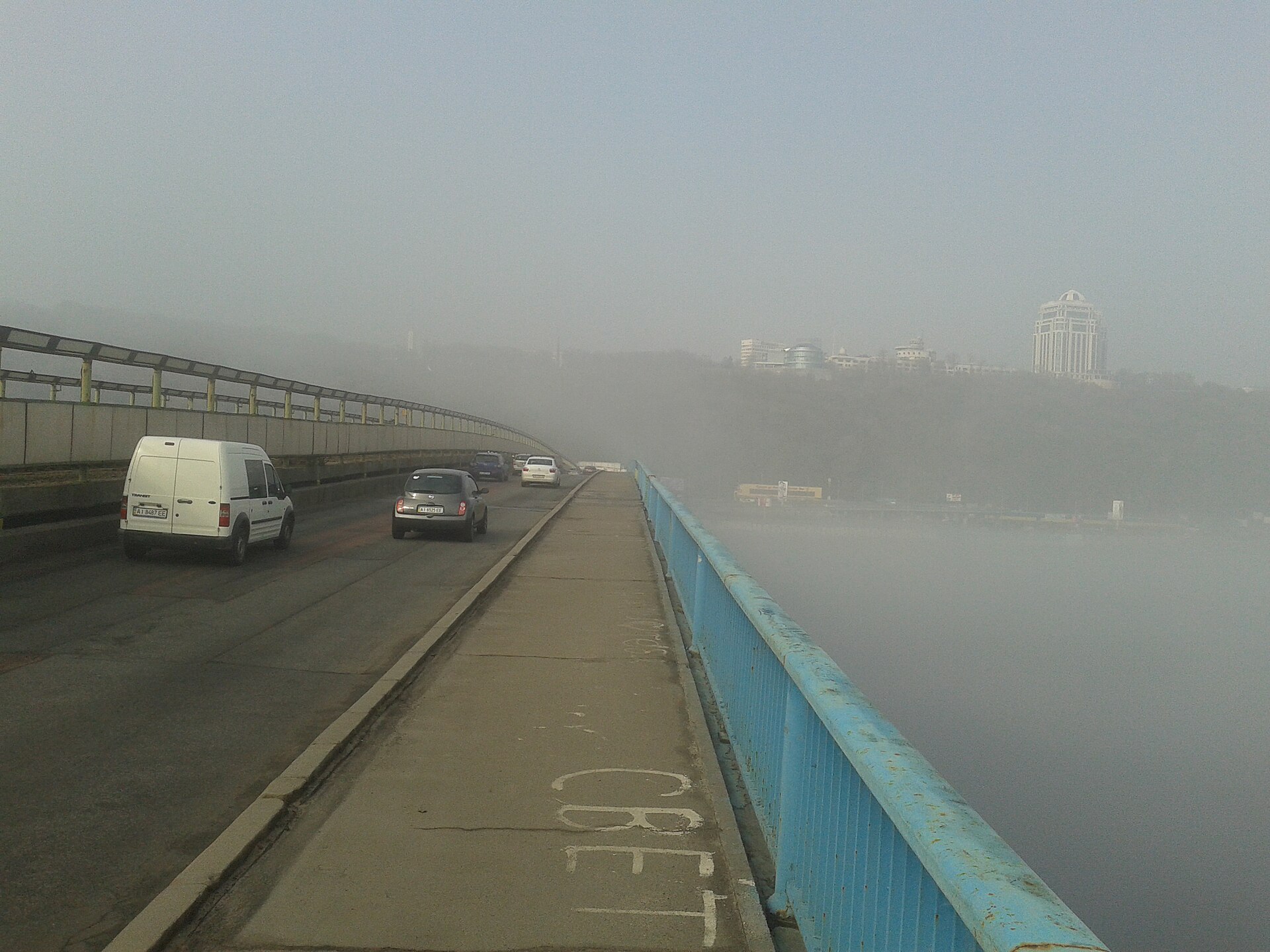
The Oleshky pause: what both sides actually confirmed
The Oleshky arrangement is narrow, local and time-limited — and that is precisely why it could happen. The pause covers the direction toward Kherson around Oleshky, on the Dnipro's left bank, and is expected to run to November 1, Saturday. Russia's Ministry of Defence said shelling toward Kherson stopped from 04:00 Moscow time. Lubinets, who has been Kyiv's public face on humanitarian files, confirmed Ukraine is honouring the start. The arrangement follows the humanitarian channel in which First Lady Melania Trump and Russian lawmaker Yelena Lantratova have been publicly involved, as Signal Post News has reported in its earlier coverage of the Oleshky track.
Precision matters here. Neither side has announced a general ceasefire, a front-wide freeze, or a political settlement. What exists is a geographically bounded pause, confirmed in matching language by both capitals — a rarer thing in this war than a unilateral announcement, and the reason the confirmation itself is the news. Readers can follow the sequence in yesterday's Ukraine War, Day 1706 briefing, which tracked the start-timing dispute before both sides aligned.
Kyiv's night: 16 missiles, more than 280 drones
Against that local quiet, the capital's night was loud. In his October 27 post, Zelenskyy put the strike package at 16 ballistic missiles and over 280 drones. The human cost, per Ukrainian officials: a 46-year-old woman killed; 12 to 15 people injured; a university campus and its dormitories hit; medical facilities damaged; and a paramedic team that came under fire while responding — the pattern Ukrainians call a double-tap, which Kyiv condemns and Moscow does not acknowledge in those terms. On Tuesday, further strikes hit the Southern Bridge and subway infrastructure, halting traffic — a direct hit on the systems that move a capital city of millions across its river.
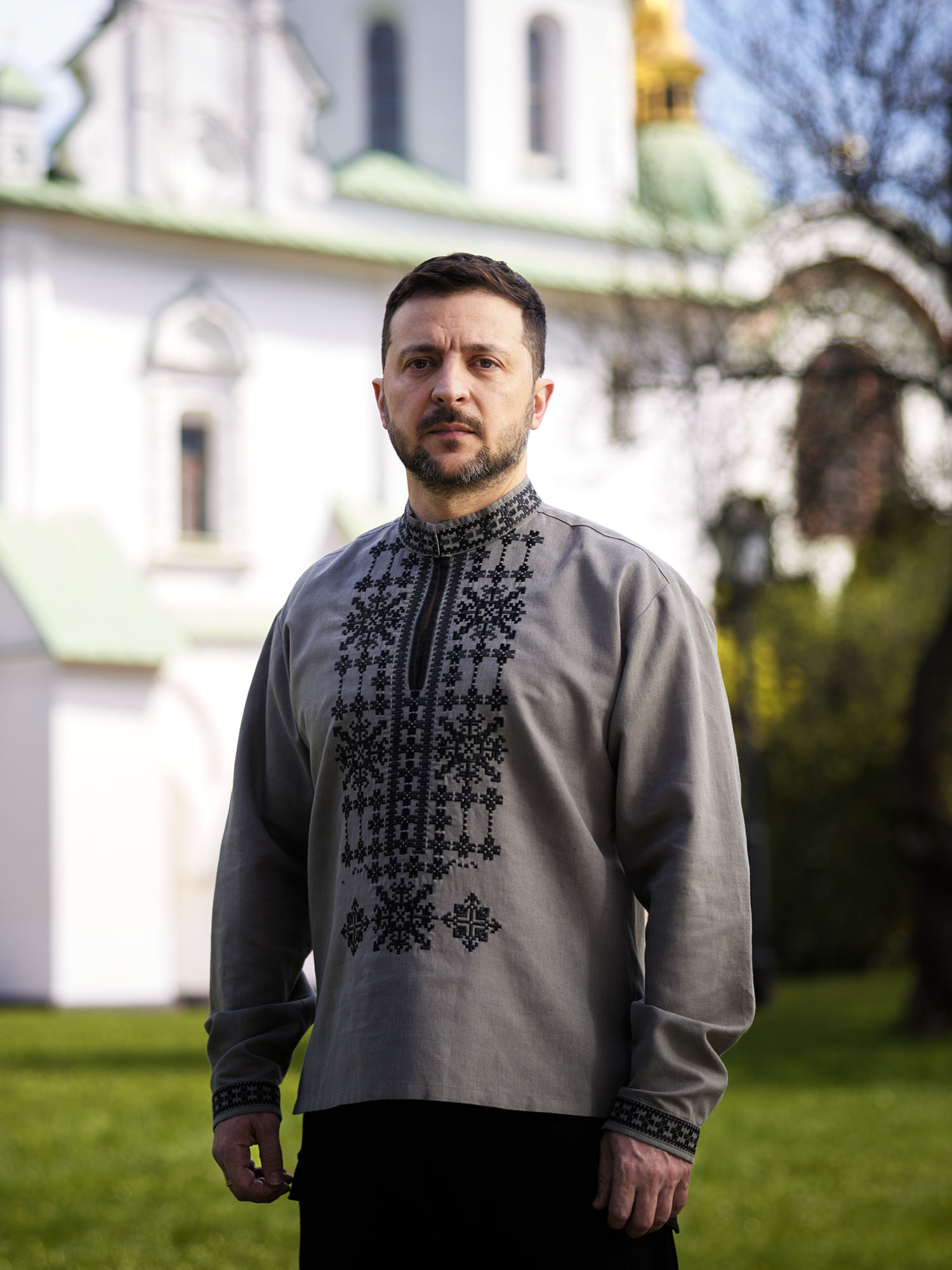
Put the numbers in context. A combined package approaching 300 weapons in a single wave sits at the heavy end of Russia's 2026 strike tempo, and the ballistic share — 16 missiles — matters more than the drone count, because ballistic weapons are the class Ukraine's defenders find hardest to intercept and the class its Western-supplied batteries are shortest on. The target mix matters too: a university, dormitories, clinics and a bridge are not a front-line battlefield. They are the civilian machinery of a capital — education, housing, medicine and movement — struck in the same hours that a humanitarian pause was holding two hundred miles to the south.
Why this matters
Day 1707 is a working diagram of how this war now actually moves: not in grand offensives or grand bargains, but in compartments. One compartment — a single riverbank sector with a humanitarian file attached — can go quiet by mutual confirmation while another compartment, the capital's air defence, absorbs a near-300-weapon night. Anyone waiting for a single dramatic turning point will misread both halves. The Oleshky pause does not soften the Kyiv strikes, and the Kyiv strikes do not make the Oleshky pause fake. Each tests something different: Oleshky tests whether the two sides can still execute a matched, verifiable stand-down at all — the basic mechanical skill any larger agreement would require. Kyiv tests whether Ukraine's air-defence magazine, and its partners' willingness to refill it, can keep pace with ballistic-heavy waves.
There is a diplomatic read as well. The Oleshky channel ran through humanitarian and family-reunification figures rather than foreign ministries, and it produced the war's clearest both-sides confirmation in months. That does not make it a peace process. It does suggest where the remaining connective tissue between the capitals actually runs — through prisoner, child and civilian files where interests overlap — rather than through the territorial questions neither side will move on. Critics of the pause, in Kyiv and among Ukraine's supporters, warn that local pauses can be used to reposition and to buy diplomatic credit cheaply; supporters answer that a confirmed, dated, bounded pause is falsifiable in a way communiqués are not — either the shelling toward Kherson stays stopped until November 1 or it does not.
Who gains, who pays
Civilians near Oleshky and Kherson gain the most concrete thing war reporting can offer: specific days on which shells are not supposed to fall, with both militaries on record. Kyiv gains a demonstration that it honours matched pauses — a point it makes to Washington and European capitals whenever the question of who obstructs de-escalation arises. Moscow gains the mirror image of the same credit, plus a humanitarian headline in the same news cycle as a mass strike on the capital, which its critics will call the point of the timing and its defenders will call coincidence. The clear losers are Kyiv's residents and its emergency services: one woman dead, a dozen or more wounded, students and patients in damaged buildings, paramedics fired on, and a city whose bridge and metro — the arteries of ordinary life — were Tuesday's targets.
What happens next
The next checkpoint is mechanical and near: does the Oleshky pause hold, visibly and verifiably, through November 1 — and does either side propose extending or replicating it in another sector? A pause that expires quietly on schedule still proves the mechanism; a pause extended, or copied elsewhere along the Dnipro, would be the first evidence of a template. In Kyiv, watch the interceptor ledger: another ballistic-heavy wave within days would confirm a campaign rhythm rather than a one-night surge, and would sharpen Ukraine's standing request to partners for more ballistic-capable air defence. And watch the humanitarian channel itself — if the figures who produced Oleshky surface again with a second file, the compartment diplomacy of Day 1707 may turn out to be the war's most consequential, if least dramatic, storyline.
Sources
President Volodymyr Zelenskyy, official post, October 27, 2026 (16 ballistic missiles, 280+ drones, casualty and target details). Russian Ministry of Defence statement on halting shelling toward Kherson from 04:00 Moscow time. Dmytro Lubinets, Ukrainian Parliament Commissioner for Human Rights, confirmation that Kyiv is honouring the Oleshky pause. Kyiv city and emergency-services reporting on the Southern Bridge and subway infrastructure strikes, October 27, 2026. Prior Signal Post News coverage: Ukraine War, Day 1706 briefing and the live Ukraine war map tracker.