War / Ukraine
Thick white smoke rose over the Bashkir Soda Company in Sterlitamak on Thursday morning — a plant that is Russia's only source of a chemical that goes into body armour — during an overnight wave Moscow says was the biggest of the war. The city's mayor calls the damage minor, geolocated footage points inside the complex, and Kyiv has not said a word.
Track it live: https://signalpostnews.com/tracker/ukraine-war-map
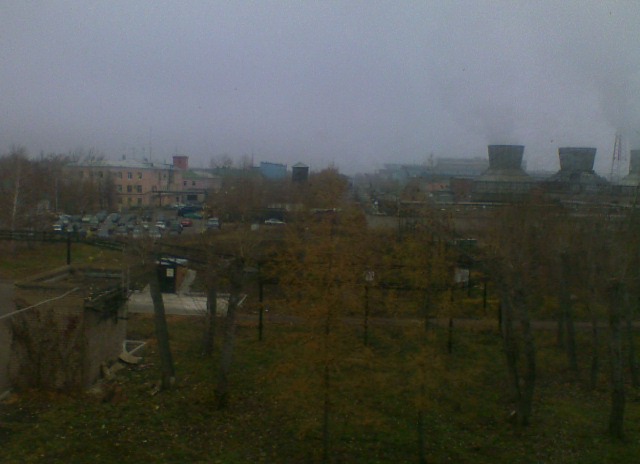
A Sterlitamak drone strike hit the Bashkir Soda Company chemical complex in Sterlitamak, in Russia's Republic of Bashkortostan, on the morning of Thursday, October 29, 2026, sending thick white smoke over one of the country's largest chemical plants, Militarnyi reported, citing the independent Russian outlet ASTRA. Russian authorities acknowledged that a drone attack had damaged an industrial plant in the city, and ASTRA, analysing eyewitness photographs and video, geolocated the smoke to inside the Bashkir Soda complex. The plant matters far beyond its size: by its own description, Bashkir Soda is Russia's only producer of terephthaloyl chloride, a precursor chemical for the high-strength aramid fibres used in body armour, helmets and ballistic protection. The strike landed inside an overnight wave in which Russia's Defence Ministry claimed a record 1,214 Ukrainian drones were intercepted — a figure Signal Post News attributes to the ministry, as it does all wartime interception claims. Ukraine has not commented on the Sterlitamak attack, so the attribution of this strike to Ukraine rests on Russian officials' characterisation of the wave, the target pattern and the reporting of Ukrainian and independent outlets — not on any claim from Kyiv.
Sterlitamak sits about 1,200 kilometres (750 miles) east of Ukraine's border, the Moscow Times reported, citing ASTRA's geolocation — deep inside Russia, far beyond the border regions that absorb most drone attacks. Militarnyi reported that eight drones attacked the city that morning, after a regional drone-threat warning had been issued. Bashkortostan's State Committee for Emergency Situations issued a "drone danger" alert early on Thursday, residents reported explosions and impacts, and Ufa airport, serving the regional capital, suspended arrivals and departures, the Kyiv Independent reported.
What is known — and what is not
The accounts agree on the outline and diverge on the damage. Sterlitamak's mayor, Emil Shaimardanov, said falling drone debris caused minor damage at an industrial site in the city, according to the Moscow Times. He did not name the site, and his account frames the impact as the by-product of interceptions overhead rather than a direct hit. ASTRA's geolocation, by contrast, places the smoke plume inside the Bashkir Soda complex itself, and Militarnyi reported smoke and fire within the facility; some regional recaps described a large fire. Those two pictures — debris and minor damage on one side, a burning chemical complex on the other — cannot both be the whole story, and neither has been independently settled.
The honest limits of the picture
No casualties have been reported in any of the accounts, and there is no evidence in the reporting that terephthaloyl chloride production has stopped, that a production line was destroyed, or that the plant has shut down. Signal Post News has not independently verified the eyewitness footage, and no satellite imagery of the complex had been published in the reporting available at the time of writing. What can be stated with confidence is deliberately narrow: drones reached Sterlitamak, Russian officials acknowledged damage at an industrial site there, geolocation by an independent Russian outlet puts smoke inside the Bashkir Soda complex, and the plant's own mayor describes the damage as minor. Everything beyond that — output losses, repair timelines, the exact unit struck — remains unconfirmed.
Why this plant matters
The Bashkir Soda Company, known by its Russian initials BSK, is one of Russia's largest chemical complexes and the country's leading producer of soda ash, the industrial alkali used in glass, detergents and metallurgy. The Roskhim holding owns 57.43 percent of the company, the Kyiv Independent reported. Its strategic weight, however, sits in a much smaller product line. Terephthaloyl chloride is a reactive chemical intermediate used to make para-aramid fibres — the family of fibres best known commercially under names such as Kevlar and Twaron — which are woven into body armour, helmets and vehicle protection because they combine very high strength with low weight. BSK describes itself as Russia's only producer of the chemical, and the company is listed in the Industry and Trade Ministry's register of defence enterprises; it also supplies hydrochloric acid and dichloroethane to military-industrial plants, according to Militarnyi and the Kyiv Independent. A sole producer is, by definition, a single point of failure: there is no second domestic plant to absorb its orders.
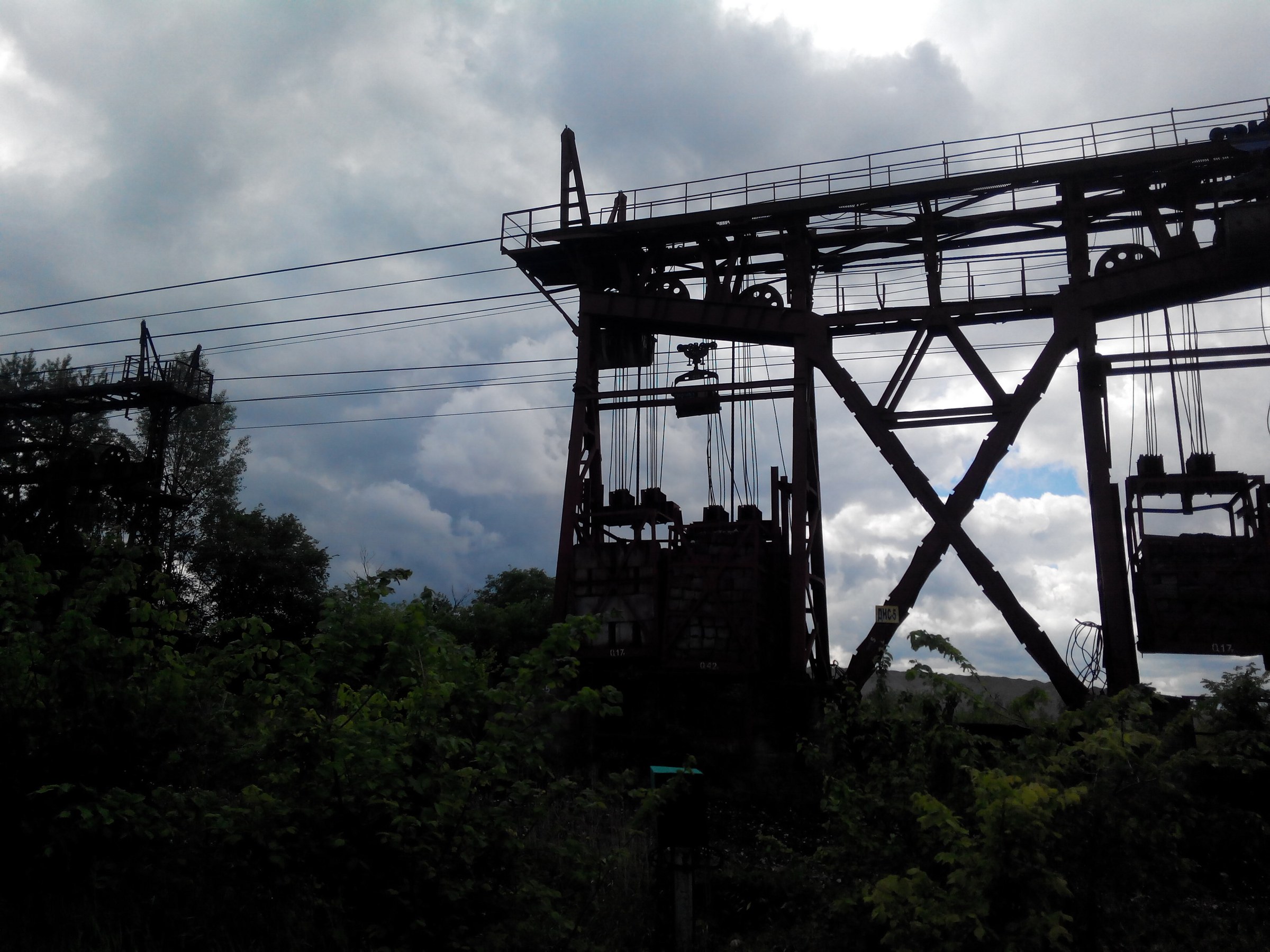
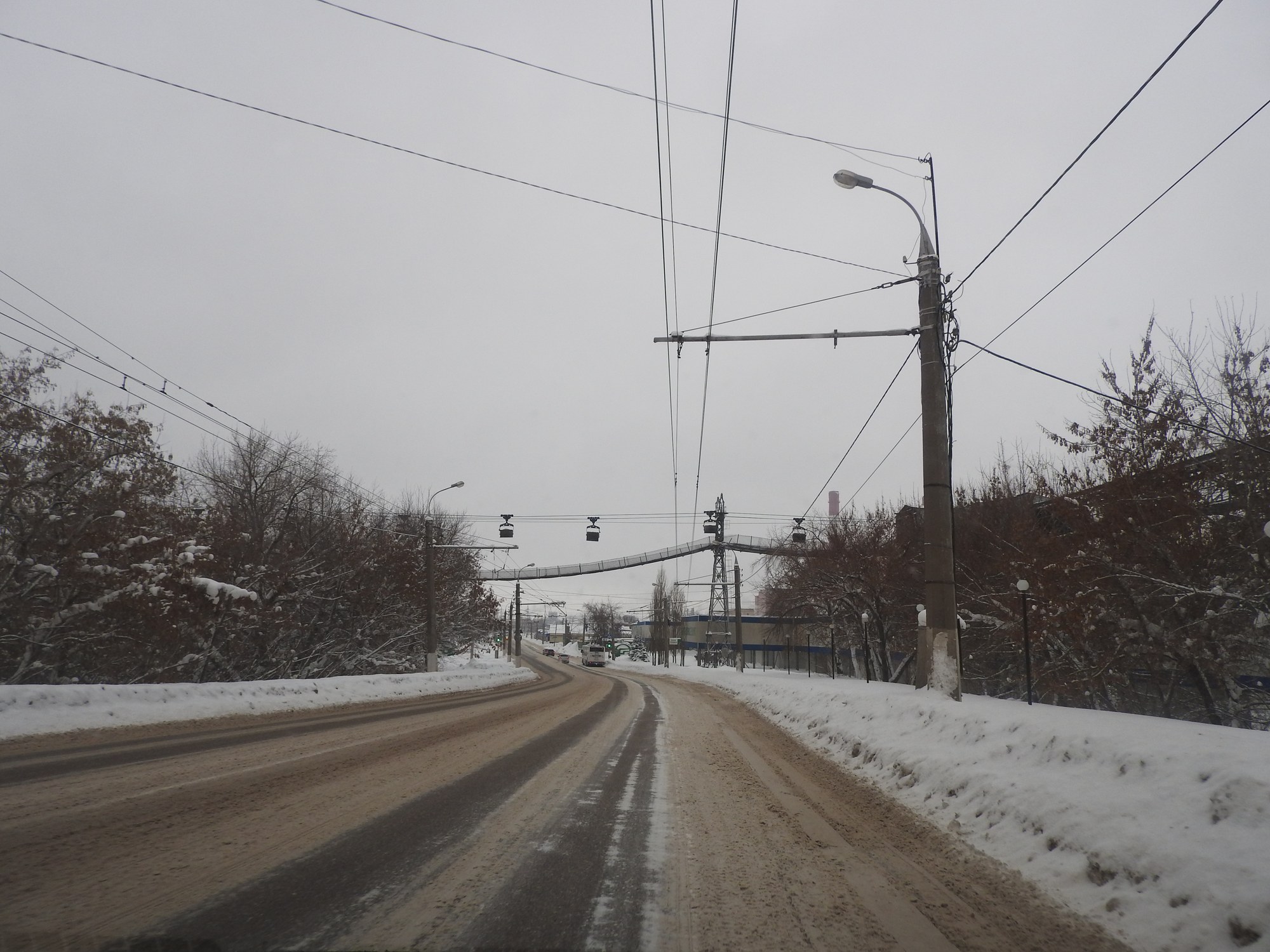
The complex's geography underlines its concentration. BSK draws its limestone from the Shakhtau deposit, carried to the plant by a distinctive aerial ropeway whose buckets cross over the city itself — a reminder that in Sterlitamak, a city of some 280,000 people, the plant is not an isolated industrial zone but the economic centre of gravity, and its production lines, storage and transport links are packed into one site that has now been reached by drones twice in two months.
Why this matters
Read as part of a pattern, the Sterlitamak strike suggests Ukraine's long-range campaign is moving up the supply chain. For most of the war, the deep-strike target list has been dominated by oil refineries, fuel depots, airfields and ammunition storage — assets whose loss is immediate and visible. A bottleneck chemical is a different kind of target: its value is not the building but the position it occupies in a production chain. Terephthaloyl chloride sits several steps before a finished vest or helmet, which means damage there does not announce itself on a battlefield the next morning; it surfaces weeks or months later, in fibre output, in procurement scrambles and in prices. Under sanctions, a chemical like this cannot simply be imported at scale on short notice, and qualifying a substitute supplier for a defence-specification input is slow work even in peacetime.
That logic, however, is an argument about vulnerability, not a confirmed result — and the distinction matters. There is no evidence yet that output at Sterlitamak has stopped, and even minor damage at a chemical complex triggers inspections, safety shutdowns of neighbouring units and inventory draws that never appear in official statements. Russia, for its part, will present the night's headline number — a claimed record of 1,214 interceptions — as proof that its air defences held and the wave failed. Both readings can be partly true at once: a wave can be mostly intercepted and still land the one hit its planners cared about, and a smoking plant can still be a plant whose key production line is intact. Which of those is true at Sterlitamak will be decided by evidence that has not yet emerged, not by the first day's claims.
The record wave in context
The Sterlitamak strike was one fragment of an exceptionally large overnight effort. Russia's Defence Ministry claimed 1,214 Ukrainian drones were intercepted overnight on October 28–29, which the Moscow Times reported as a record, surpassing the previous mark of more than 1,100 set on September 20. Moscow's mayor, Sergei Sobyanin, said 613 of the drones were directed at the Moscow region, with about 231 destroyed on approach to the capital. Beyond Bashkortostan and Moscow, Perm region governor Dmitry Makhonin reported slight damage to an unnamed industrial facility in his region — another data point in a strike package whose geography stretched well over a thousand kilometres. The Moscow end of this campaign has become a recurring feature of the war: earlier this week, Ukraine sent 613 drones toward Moscow, Russia said, as airports shut and a Kharkiv school was hit.
Volume itself is a weapon in this kind of campaign. Every drone launched forces a decision: spend an interceptor, or accept a risk. Air-defence magazines are finite, guns and missiles positioned to defend Moscow cannot simultaneously cover a chemical plant 1,200 kilometres away, and each successive record wave tests whether Russia can disperse defences across an industrial map that spans eleven time zones without thinning protection anywhere that matters. Ukraine, for its part, has said little about this specific night — a silence that is itself notable, because Kyiv usually claims its confirmed deep strikes, and its absence here is one reason this article attributes the Sterlitamak attack as reported rather than claimed.
The same night, and the pattern behind it
Sterlitamak was the second Russian chemical plant reported hit in roughly 24 hours. The night before, on October 28, a drone strike sparked a fire at the Azot chemical plant in Novomoskovsk, in the Tula region, the Kyiv Independent reported — an attack covered in Signal Post News's report on Ukraine's strikes on Russia's largest steel plant and the Azot chemical factory. Taken together — steel in Lipetsk region, fertiliser chemicals in Tula region, soda and speciality chemicals in Bashkortostan — the target set reads less like a list of factories and more like a map of the industrial inputs a long war consumes.
Other elements of the same night carry a different level of verification, and are recorded here as claims. Ukraine's General Staff said on October 29 that its forces had struck, on October 28 and overnight, a Geran drone storage depot, a drone launch site and a fuel depot near Navlya in Russia's Bryansk region, along with radar stations near Starodub and Medvedove and drone command posts in the same border region. Those claims trace to a single source family — the General Staff statement, relayed by Ukrainian and independent outlets — with no Russian confirmation and no accompanying imagery in the reporting checked, so they stand at a lower level of verification than Sterlitamak, where Russian officials themselves acknowledged damage.
Nor is Sterlitamak a first. The Bashkir Soda plant was previously attacked on August 27, 2026, when smoke was also reported over the complex, the Moscow Times noted. A second strike on the same sole-producer plant two months later is consistent with deliberate re-targeting — returning to a bottleneck to compound repair burdens and force Russia to spend air-defence assets on a site deep in its rear — though neither Kyiv's silence nor the available reporting confirms the intent behind either strike.
What happens next
Four things will clarify this story. First, satellite imagery of the Bashkir Soda complex, which should show which part of the site burned and whether the terephthaloyl chloride line was anywhere near it. Second, any production statement from BSK or its majority owner Roskhim — chemical companies must eventually tell customers and regulators whether output is affected, even when they say nothing to the press. Third, updated Russian official accounts: if the damage was genuinely minor, repair timelines and the absence of follow-on reporting will support the mayor's version; if it was not, the gap will be hard to hold. Fourth, whether the pattern repeats — whether Ukraine, which has not claimed this strike, returns to Sterlitamak or to other single-plant chemical producers, and whether Kyiv eventually breaks its silence. Until then, the verified core of the story stands: in the largest overnight drone wave Russia says it has ever faced, drones reached a plant that makes the chemical behind Russia's body armour — and the two sides' accounts of what that hit achieved remain, for now, irreconcilable.
Sources
- Militarnyi via EuropeSays (October 29, 2026) — drones strike the Bashkir Soda Company in Sterlitamak; ASTRA geolocation; sole-producer status for terephthaloyl chloride
- The Moscow Times via EuropeSays (October 29, 2026) — record 1,214 drones claimed intercepted; Mayor Emil Shaimardanov's "minor damage" account; August 27 prior attack
- The Kyiv Independent via EuropeSays (October 29, 2026) — drone-danger alert and Ufa airport closure; Azot Novomoskovsk fire on October 28; Ukraine has not commented
- Militarnyi (original report) — drones strike Bashkir Soda Company chemical plant in Sterlitamak