War / Europe
Four Italian personnel — two Army sergeants and two Italian Red Cross military volunteers — were killed and 11 injured when their CH-47 Chinook came down near Brcko on a training flight for the EU's Operation Althea.
Track it live: Live war and military operations tracker
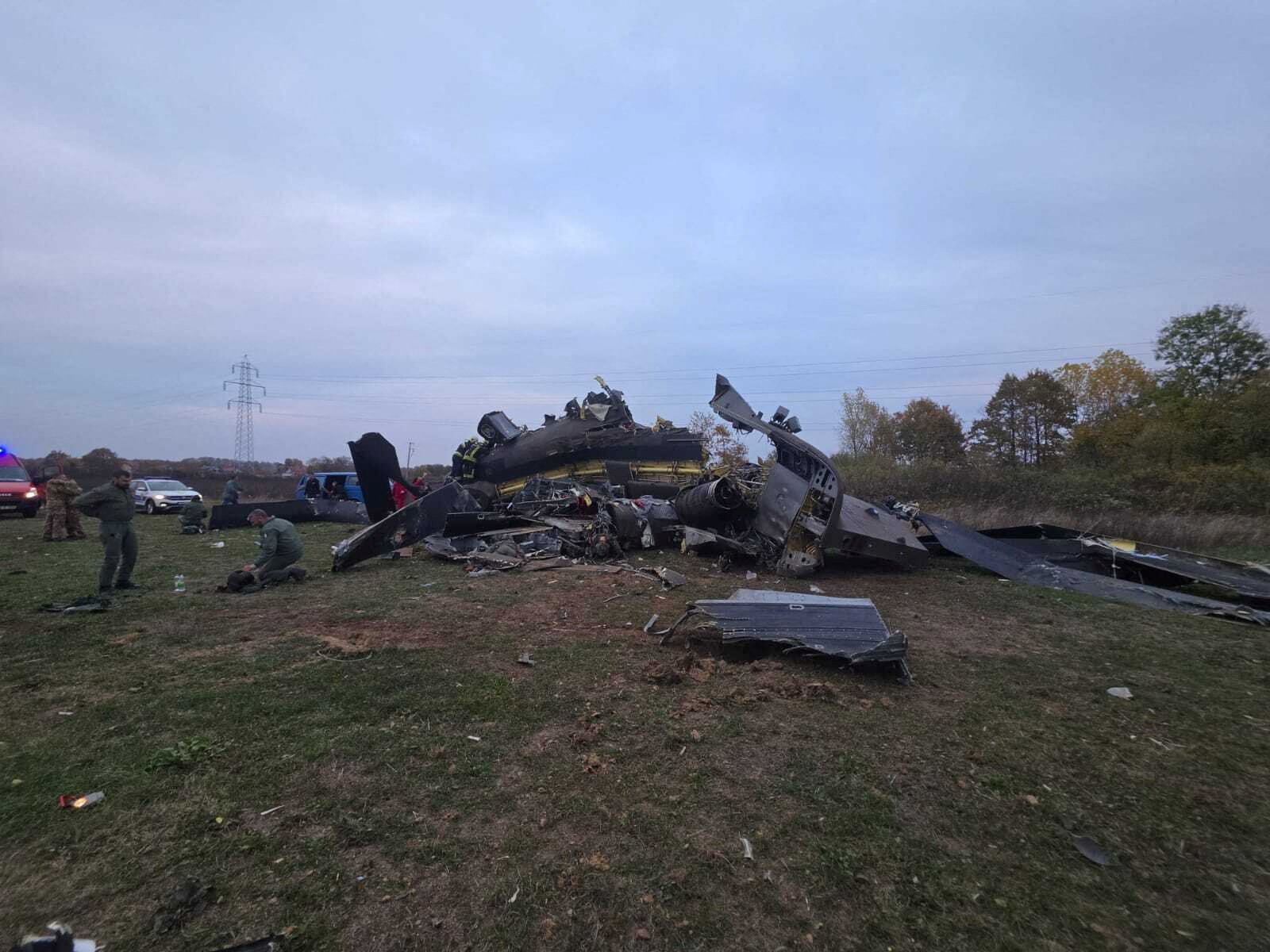
An Italian Army CH-47 Chinook helicopter flying for the European Union's peacekeeping mission in Bosnia and Herzegovina crashed during a routine training flight near the northern town of Brcko on Thursday, October 29, 2026, killing four Italian personnel and injuring 11 others, Italy's defence ministry and EUFOR said. All 15 people on board were Italian nationals. The helicopter came down in the Gorice area of the Brcko District, about 180 kilometres (110 miles) northeast of Sarajevo, and Bosnian media photographs showed the aircraft overturned and destroyed in a flat field. EUFOR said no civilians were injured and no civilian property was damaged.
What happened
The aircraft — an ICH-47F, the Italian-built version of the CH-47 Chinook heavy-lift helicopter — was taking part in a routine training activity for Operation Althea, the EU military mission that has overseen the military side of Bosnia's peace settlement since 2004. A spokesman for Brcko hospital, Salih Ibrahimbegovic, told AFP that 12 people were brought to the hospital: three had died in the crash itself and a fourth succumbed to injuries after arrival. EUFOR said the 11 injured were in stable condition and receiving treatment. "EUFOR is conducting a full and thorough investigation of the incident and will release more information as it is verified, and when appropriate," the force said. Italy's defence ministry said the cause was under investigation and that inquiries were under way to establish the circumstances.
The four who died
Italy's defence ministry said two of the dead were Italian Army soldiers and two were members of the Volunteer Military Corps of the Italian Red Cross, the auxiliary corps that provides medical and support personnel to Italy's armed forces. Defence Minister Guido Crosetto confirmed the victims' identities after their families had been notified: Army sergeants Simone Ruggia and Claudio Marchesi, both of Army Aviation, and Red Cross lieutenant Franco Adriano Zecchillo and sergeant Laura Procacci. The presence of Red Cross military volunteers on board underlines what the flight was: a training and support sortie for a peacekeeping mission, not a combat operation — Bosnia has been at peace for three decades.
Italy reacts
"At this moment of immense grief, my thoughts go first and foremost to the families of our fallen, to whom I extend my personal condolences and those of the entire defence establishment," Crosetto said, adding: "There are no words capable of easing such a profound loss." The defence ministry said an Italian military medical team was being sent to Bosnia to support the injured, and Crosetto planned to visit the wounded with Italy's Chief of Defence Staff; he said the tragedy would also mark Italy's Armed Forces Day commemorations on November 4. Prime Minister Giorgia Meloni posted her condolences on X: "My thoughts are with the victims, their families, and all those who, as part of the mission to promote peace and stability in the region, are experiencing hours of anguish."
Why this matters
This is the deadliest day for EUFOR in years, and it lands on a mission whose quiet success is precisely that nothing happens. Operation Althea is the EU's oldest and largest military operation: roughly 1,100 personnel (EUFOR puts its strength at between 1,000 and 1,500) from more than 20 nations, headquartered at Camp Butmir in Sarajevo and operating under a UN Security Council mandate. Italy is not a bystander in that mission — an Italian officer, Major General Maurizio Fronda, commands EUFOR, and Italian troops form part of its Multinational Battalion. Losing four personnel in a training accident, in a country where the mission exists to prevent a war rather than fight one, is the kind of loss that reverberates politically in Rome far beyond the numbers: it will prompt hard questions about the age, maintenance and training tempo of Italy's Chinook fleet, and it comes days before Armed Forces Day, Italy's most solemn military commemoration. For Bosnia, the crash is also a reminder of how much of its security still rests on an international presence 31 years after the war ended — EUFOR keeps liaison houses across the country, including in Brcko itself, a district whose special status was one of the most delicate pieces of the peace settlement.
A mission born of the Dayton peace
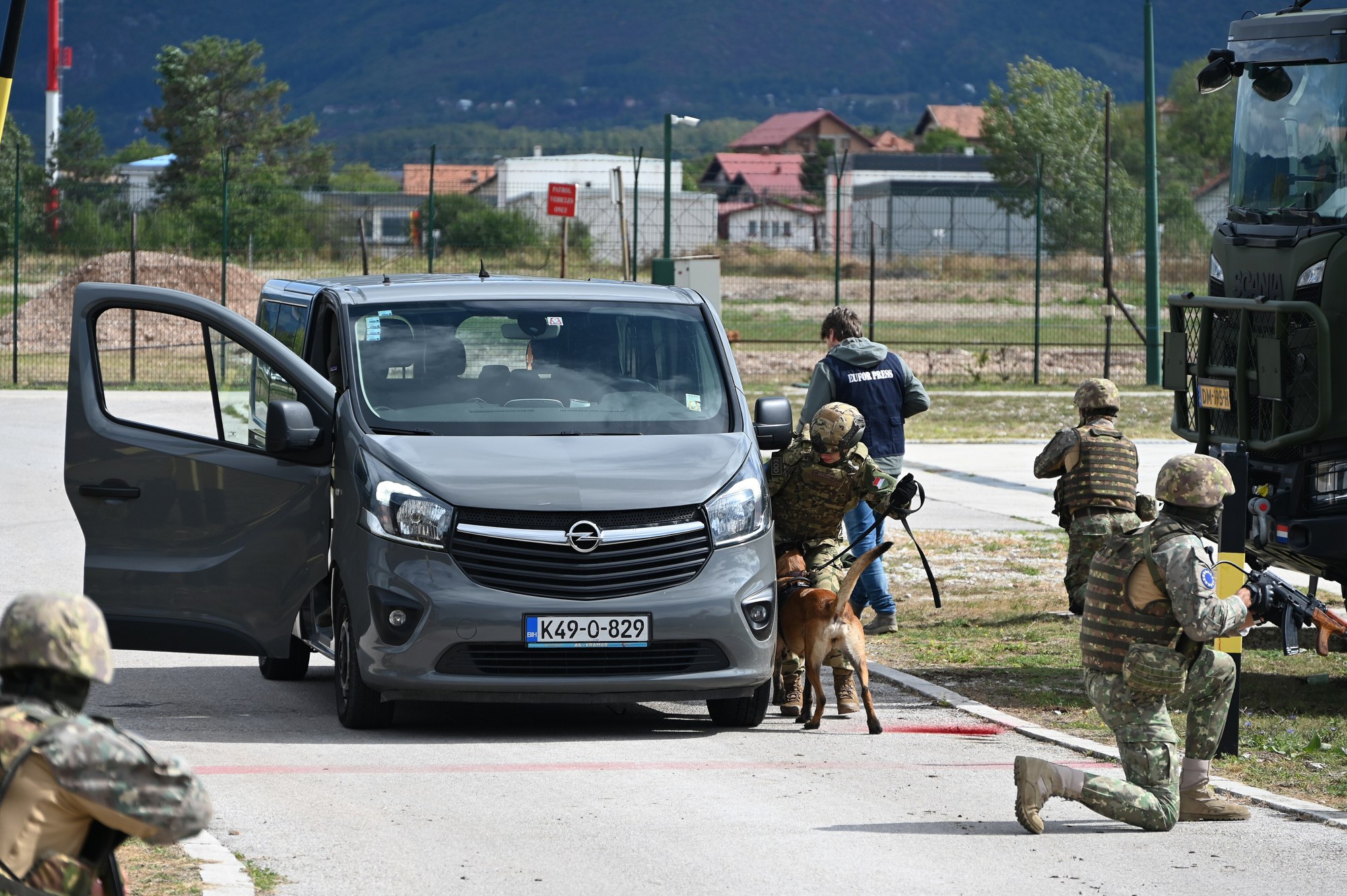
EUFOR took over from NATO's Stabilisation Force (SFOR) on December 2, 2004, inheriting the job of overseeing the military provisions of the 1995 Dayton Peace Agreement, which ended the three-and-a-half-year Bosnian war. Most of the troops simply stayed in place under a new flag. The mission's work today is unglamorous by design: supporting Bosnia's own armed forces, monitoring the security situation, destroying surplus weapons and reassuring communities through its network of liaison and observation teams. Brcko District, where the helicopter came down, is a self-governing, multi-ethnic district in the northeast that was placed under international supervision by an arbitration ruling after the war because neither entity could be allowed to control the corridor it sits on — one reason an international military presence remains active there.
The Chinook, and a painful precedent
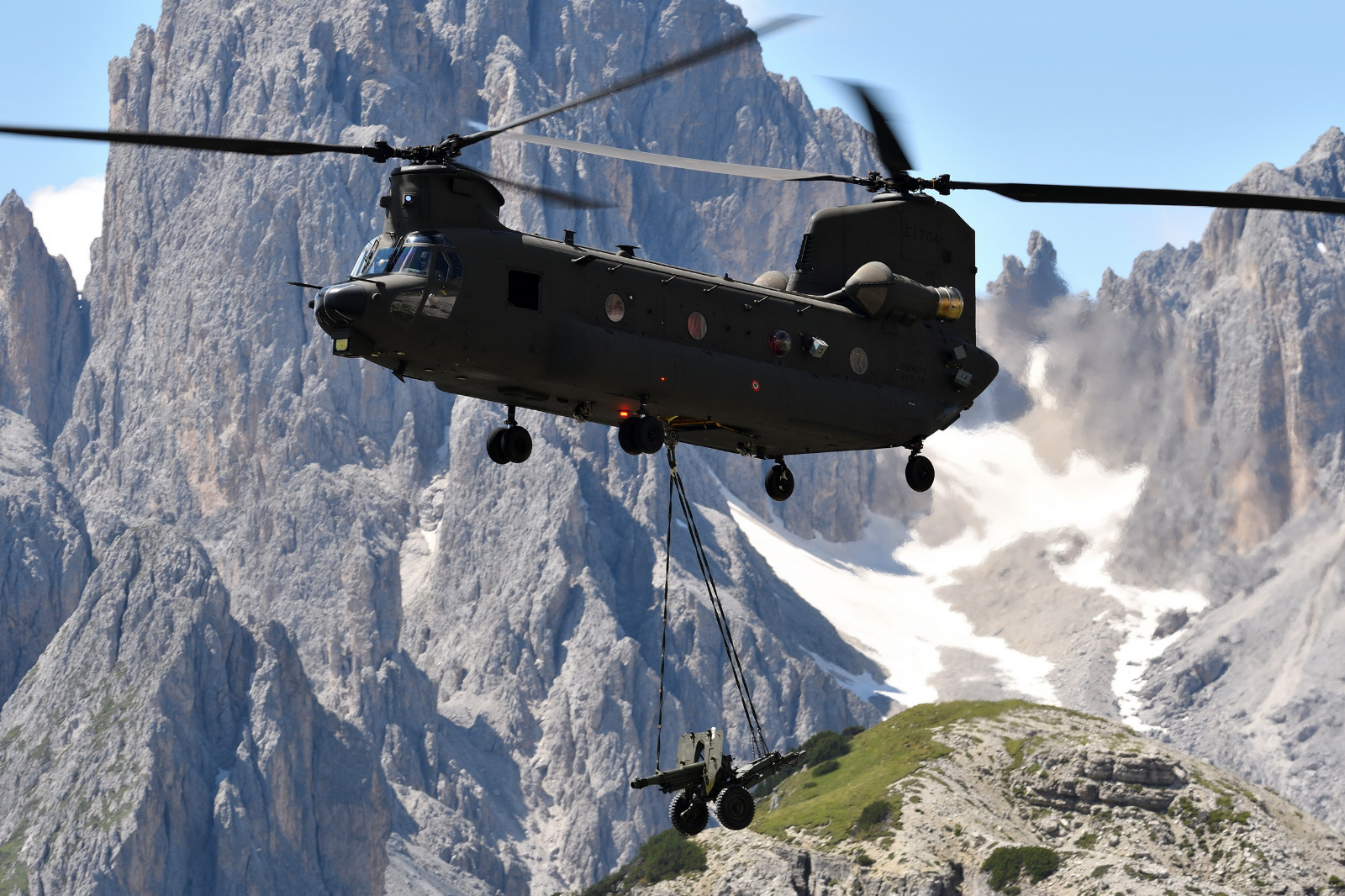
The Chinook is the workhorse of Western heavy lift: a twin-rotor transport designed to move troops, vehicles and supplies, and to fly medical-evacuation missions — the roles Italian ICH-47s perform for EUFOR across Bosnia's mountainous terrain. Italy's Army Aviation has flown Chinooks since the 1970s and operates the modernised ICH-47F variant built under a Boeing–AgustaWestland agreement. Training flights in autumn Balkan weather, over hills and in changeable visibility, are demanding even for experienced crews. EUFOR has been here before: the mission's own history records that in 2008, fifteen of its soldiers died in two separate helicopter accidents — eleven from North Macedonia and two each from Germany and Spain. Thursday's crash is the mission's worst aviation loss since then, and investigators will be under pressure to establish quickly whether the cause was mechanical, environmental or human — each answer carries different consequences for a fleet that flies daily over Bosnia. It is also the second fatal military helicopter crash involving a coalition aircraft this month, after a Saudi AH-6i went down near Najran, killing two officers.
What happens next
Expect three tracks to run in parallel. First, the investigation: EUFOR's inquiry, an Italian military investigation, and Bosnian authorities at the crash site will jointly work the wreckage at Gorice, and the flight recorders and maintenance history of the aircraft will be central. Second, the repatriation: Italy traditionally brings its fallen home with full military honours, and the November 4 Armed Forces Day events will now carry the names of Ruggia, Marchesi, Zecchillo and Procacci. Third, the political reckoning in Rome: opposition parties that have questioned the cost and purpose of Italy's overseas missions will ask whether a 22-year-old peacekeeping deployment still justifies its risks, while the government will argue the opposite — that the crash shows the seriousness with which Italy underwrites European security in the Balkans. Neither argument changes the immediate fact on the ground in Brcko: eleven injured peacekeepers in hospital, and four families in Italy who got the knock on the door every military family dreads.
Sources
- Reuters (October 29, 2026) — Italy's defence ministry statement on the crash
- Al Jazeera (October 29, 2026) — EUFOR statement; Brcko hospital spokesman to AFP
- Adria Defense (October 29, 2026) — victims identified by the defence ministry
- EUFOR — official mission history
- Operation Althea — background on the EU mission in Bosnia