War / Ukraine
Moscow's mayor said air defences downed most of 613 drones headed for the capital overnight — a claim that climbed in rolling updates all night — while three Moscow airports restricted flights and a Russian strike damaged an educational institution in Kharkiv.
Track it live: Ukraine war map — live tracker · Live Global Trackers — wars
Moscow's mayor said Russian air defences downed most of 613 drones heading towards the capital overnight, in one of the largest single-night drone waves Russia has reported against Moscow — while, in Ukraine, a Russian attack on Kharkiv damaged an educational institution, the city's mayor said. Both accounts came from the officials themselves, via Telegram, in the early hours of Thursday, October 29, and were reported by Reuters. The drone figure is a Russian official claim and could not be independently verified; no casualties were reported for the Moscow wave in any of the accounts published overnight.
Moscow Mayor Sergei Sobyanin posted rolling updates through the night as the count climbed — a first post after midnight reporting 15 drones repelled on approach, then successive waves that pushed his running tally past 50, past 100 in Ukrainian media counts of his posts, and finally to the figure Reuters reported on Thursday morning: most of 613 drones downed. Emergency services were working at sites where debris fell, Sobyanin said. Residents of Moscow Oblast reported a series of explosions near Naro-Fominsk, a town some 50 kilometres southwest of the capital, the Kyiv Independent reported.
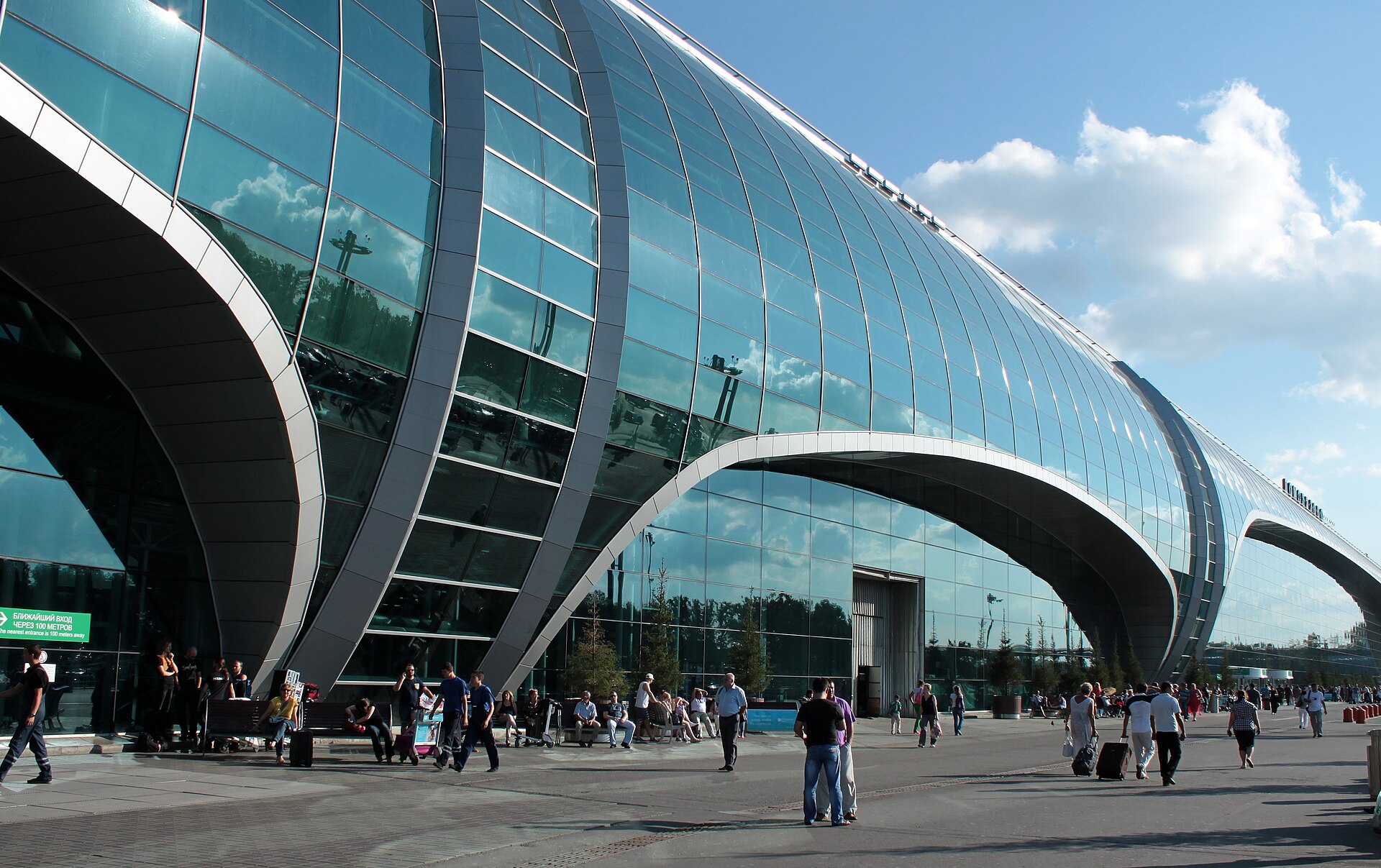
Russia's Federal Air Transport Agency, Rosaviatsiya, imposed temporary restrictions on flights at three of the region's four major airports — Vnukovo, Domodedovo and Zhukovsky. The restrictions at Zhukovsky were lifted after about an hour, while limits remained in place longer at Vnukovo and Domodedovo, ANI reported. Russian media reported that two flights from Turkey bound for Moscow turned back because of the restrictions at Vnukovo.
Kharkiv hit the same night
As Moscow counted drones, Russia attacked Kharkiv, Ukraine's second-biggest city, damaging an educational institution, Mayor Ihor Terekhov said on Telegram, according to Reuters. No casualty figure for the Kharkiv strike was reported in the initial accounts. The pairing — a mass drone wave against the Russian capital and a strike on a school building in Kharkiv in the same night — is the now-familiar shape of this phase of the war: both sides striking deep, both sides announcing the results through their own officials first, and the verified record assembling itself hours later out of competing claims.
Why this matters
Scale is the story. Even allowing for the fact that the 613 figure comes from Moscow itself — and that Russian and Ukrainian officials both have incentives in how they count — a wave reported in the hundreds against the capital is a statement about production, not just tactics. Ukraine can only send that many airframes at Moscow in one night if its drone industry is manufacturing them in industrial quantities, and Russia can only absorb the wave if its capital air-defence umbrella — the densest in the country — keeps performing. The October 18 wave, when Russia's Defence Ministry reported 1,015 drones downed across 16 regions in a single night, showed the ceiling of that exchange; Thursday's reported 613, concentrated on Moscow itself, shows the capital is now a routine target set rather than an occasional one.
The airport closures matter economically as much as militarily. Every night Vnukovo, Domodedovo and Zhukovsky restrict operations, airlines burn fuel in holds and diversions, schedules unravel across Russia's hub network, and the war's cost lands on civilian passengers who were never near a front line. Two airliners turning back from Turkey is a small fact with a large meaning: the disruption now reaches into international routes and foreign carriers' risk calculations, not just domestic Russian aviation.
What the numbers actually imply
Read the counts carefully. Sobyanin's tally rose in steps — 15, then dozens, then past 100, then 613 — because it was a running count published during the attack, not a final after-action figure; the earlier, smaller numbers in overnight reporting were snapshots of the same climb, not contradictions of it. "Downed most of 613" also leaves the most important number unstated: how many got through, and what they hit. No damage or casualty claims for Moscow accompanied the mayor's posts, and Kyiv, as usual in these waves, did not immediately publish its own account of targets or results. Until satellite imagery or independent reporting settles it, the honest reading is narrow: a very large wave was launched at the capital region, most of it was intercepted by Russia's own account, and the measurable effects were closed airports, falling debris and a city kept awake — which may, for the side launching it, be a significant part of the point.
What happens next
Three things to watch. First, whether Ukraine's General Staff confirms the wave and names its intended targets, as it has after previous deep-strike nights. Second, whether Russia retaliates against Ukrainian energy infrastructure at the scale it has threatened after earlier Moscow waves — the Kharkiv educational-institution strike may be only the first entry in that ledger. Third, whether the near-nightly airport restrictions push more international carriers to thin their Moscow schedules, turning a military tactic into a lasting economic fact. The drone war's arithmetic — cheap airframes against expensive interceptors and closed runways — favours the side that can keep producing. On the evidence of Thursday night, both sides still can.
Sources: Reuters, October 29, 2026 (Sobyanin: most of 613 drones downed; Terekhov: Kharkiv educational institution damaged); ANI, October 29, 2026 (rolling Sobyanin updates; Rosaviatsiya restrictions at Vnukovo, Domodedovo and Zhukovsky; Kyiv Independent reporting of explosions near Naro-Fominsk); Ukrainian media tallies of the mayor's overnight posts (count passing 100; two Turkey flights turned back at Vnukovo). Drone and interception figures are Russian official claims and were not independently verified at publication.