Ukraine budget crisis 2026
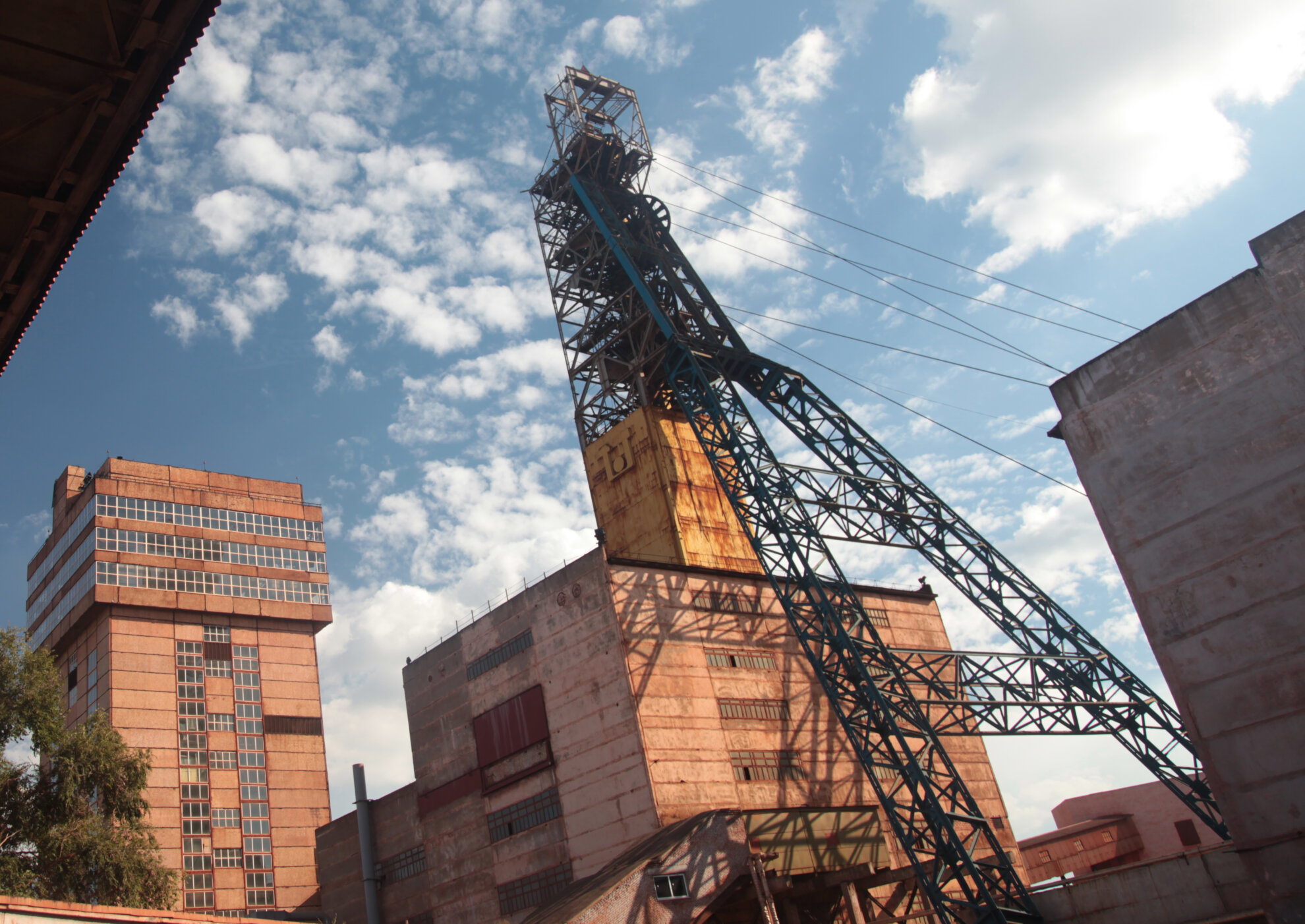
KYIV — The Ukraine budget crisis 2026 has moved from spreadsheets in the capital to cold furnaces in Kryvyi Rih. Russian ballistic-missile strikes have stopped the vast ArcelorMittal mining-and-steelmaking complex in President Volodymyr Zelenskyy's hometown, silencing the city's largest employer and draining revenue from a municipality of roughly 600,000 people.
Reuters, in an October 5 insight report, described Ukraine's biggest budget crisis since the full-scale invasion began in 2022. The phrase is not merely a warning about borrowing. It describes a chain reaction: factories and warehouses destroyed, ports and railways damaged, businesses closed, growth slowed, tax receipts reduced and a technology-intensive war becoming steadily more expensive to fight.
Kryvyi Rih is where that chain becomes visible. Mayor Oleksandr Vilkul, 52, a former mining executive, said in a video address that conditions were worse there than anywhere outside the front line. His administration is trying to keep hospitals operating, school and kindergarten lights on, and buses moving. His blunt summary was survival, with next year's prospects bleak.
Why this matters: economic attrition is now a war aim
Modern war is financed twice: first by the money a state raises, and then by the productive economy capable of replacing what combat consumes. Strikes on a steelworks attack both columns. They remove physical output while shrinking payroll taxes, corporate payments, export income and the surrounding commerce that depends on workers' spending.
That is the deeper logic behind Russian strikes on the Ukraine economy. A missile that darkens a furnace does more than deny steel. It forces Ukraine to spend on repair and air defence while collecting less from the enterprise that was hit. The attacker is trying to widen the gap between the cost of resistance and the resources available to pay for it.
Economic attrition does not require the instant collapse of a national economy. Its method is cumulative. One damaged warehouse delays deliveries. One closed shop removes a small stream of taxes. One interrupted railway raises costs across many businesses. Repeated at scale, those losses make Kyiv more dependent on external financing and give every delay among its partners greater strategic weight.
Kryvyi Rih steel plant suspended: a city loses its economic engine
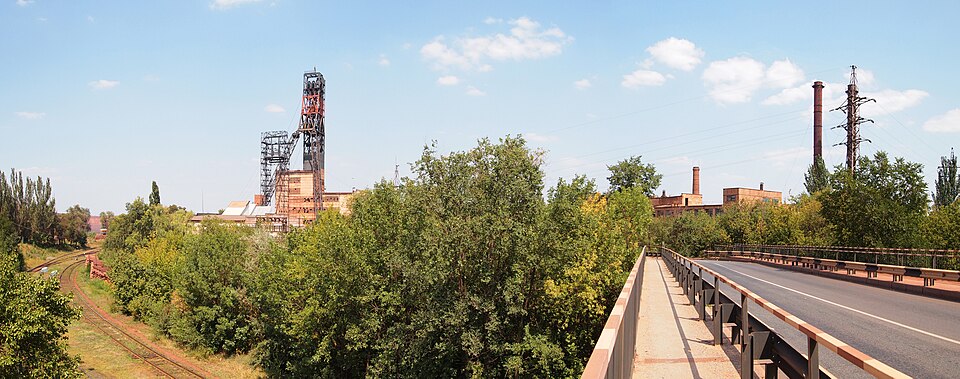
ArcelorMittal's integrated complex is not simply another large factory. It combines mining and steelmaking and is the city's largest employer. Reuters reported that operations were suspended last month after a series of Russian ballistic-missile attacks darkened the furnaces. Signal Post News reported in September that four strikes in five weeks prompted an impairment charge of about $1 billion.
That accounting charge matters because it captures the destruction of expected future value, not merely the price of broken equipment. A plant that cannot operate cannot sell output, pay a normal wage bill, purchase from contractors or contribute taxes at its former level. The balance-sheet loss at ArcelorMittal becomes a public-finance loss for Kryvyi Rih and Kyiv.
The Zelenskyy hometown Kryvyi Rih economy is unusually exposed because industry is woven into the city's identity and infrastructure. A large employer supports transport routes, technical suppliers, household spending and municipal planning. When the complex stops, those links do not disappear cleanly; they weaken together.
Vilkul's list of priorities—hospitals, schools, kindergartens and buses—shows where the pressure arrives first. These are recurring expenses. They cannot be deferred indefinitely like a capital project. Keeping them open while a major taxpayer and employer is idle requires transfers, borrowing, spending cuts or some combination of all three.
How the Ukraine war economy 2026 reached this point
From the 2022 invasion to the summer strike escalation
Before the full-scale invasion, steel accounted for roughly one-tenth of Ukraine's economic output, according to Reuters. It was a source of jobs, industrial demand and export earnings. The invasion broke supply chains, occupied or destroyed capacity and disrupted access to seaports. Plants that remained under Ukrainian control operated inside an economy reorganized around defence.
The pressure intensified in summer 2026. Reuters reported that a stepped-up wave of Russian drones and missiles destroyed factories and warehouses around the country, damaged ports and railways, and forced shops and other businesses to close. The result was slower growth and weaker tax revenue precisely as Ukraine war costs were rising.
The latest overnight attacks on Odesa-region ports and Kharkiv infrastructure demonstrate the breadth of that campaign. Industrial production cannot be separated from logistics: steel without rail access, power or an export route is economically stranded even if a furnace survives.
Ukraine steel industry collapse: then and now
The before-and-after comparison is stark. Steel once supplied about 10 percent of economic output. Now, Reuters reported, giant mills in Zaporizhzhia and other industrial cities stand silent and steel exports have stopped. The sector has moved from being a pillar of output and foreign trade to a concentrated vulnerability.
That does not mean every steel asset has vanished or can never return. It means the system that made the industry productive—energy, mines, furnaces, railways, ports, workers and customers—has been disrupted at multiple points. Repairing one link does not restore the whole chain if another remains exposed to attack.
Exports are especially important because they bring revenue from outside the country. When they stop, Ukraine loses more than a sale. It loses foreign-currency earnings and taxable business activity while still needing imports, military technology and external support. This is why industrial silence can amplify a budget crisis far beyond the factory gate.
Who benefits, who loses—and what critics say
Russia's attrition logic
Russia benefits if each strike forces Ukraine and its partners to make harder allocation choices. Air-defence interceptors used around an industrial city cannot be used elsewhere. Repair money cannot fund another priority. Western budget support spent replacing lost revenue is support not available for reconstruction or reserves.
The strategy also tests political endurance abroad. A widening financing need places repeated decisions before allied governments. Moscow's calculation is that economic exhaustion and donor fatigue may produce leverage even if Russian forces do not secure a decisive battlefield breakthrough.
Industrial cities, workers and Kyiv bear the losses
Workers lose income security and local opportunity. Contractors lose orders. Municipalities lose revenue while the demand for social support rises. Kyiv loses industrial taxes and export earnings and may have to transfer more money to keep basic local services functioning.
The burden is uneven. A diversified capital can absorb the closure of a single business more easily than a city organized around mining and metallurgy. In Kryvyi Rih, the same shock reaches household budgets, bus operations, school electricity and the national treasury. That concentration makes the city an unusually revealing case study.
The skeptics' argument
Critics of the attrition thesis can reasonably note that Ukraine has survived repeated forecasts of economic breakdown since 2022. External financing, emergency repairs, business adaptation and public resilience have kept the state operating through shocks that would have overwhelmed a less supported country.
They can also argue that destroying civilian industry carries large military costs and uncertain strategic returns. Strikes may harden public resistance, encourage allies to accelerate assistance or provoke additional sanctions. A damaged mill can eventually restart; a demonstrated campaign against civilian economic life can deepen Russia's international isolation.
Those cautions matter, but they do not erase the fiscal arithmetic. Resilience is not free. It depends on air defence, repair capacity and reliable funding. The fact that Ukraine can survive a blow does not mean the blow failed to impose a cost.
Ukraine war costs rising as the tax base contracts
The technology-driven nature of the war makes the mismatch sharper. Drones, electronic warfare, air defence, precision weapons and battlefield communications require continuous investment. Meanwhile, the economy that must help finance those systems is being physically attacked.
Zelenskyy said in September that Ukraine required an extra $27 billion for defence. That figure described the financing ask. The Kryvyi Rih shutdown explains why meeting it has become harder: the need rises while domestic revenue-generating capacity falls.
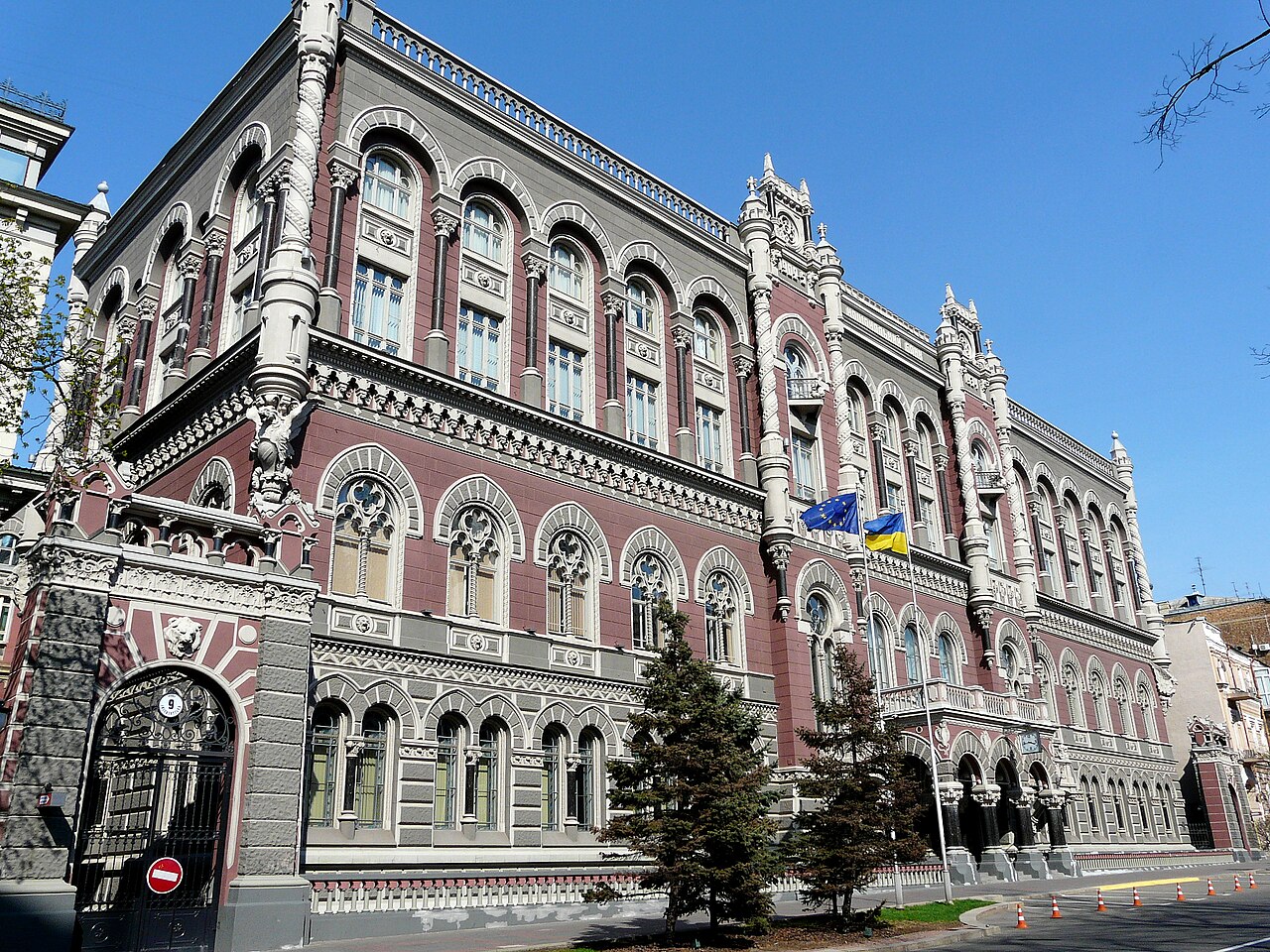
The practical choices are all difficult. Raising taxes can weaken businesses already operating under wartime conditions. Cutting non-defence spending can erode services and public confidence. Borrowing increases future obligations. External grants and loans depend on partners' politics and calendars. Monetary financing can threaten inflation and currency stability.
No single option resolves the Ukraine biggest budget crisis since 2022. The likely response is a mix: more domestic revenue, tighter spending choices, partner support and protection of the remaining productive economy. The success of that mix will depend on speed, because cities cannot keep buses running on a pledge that arrives after a budget deadline.
What happens next: winter and three financing scenarios
Scenario one: partners close the gap and industry stabilizes
In the most favorable path for Kyiv, allies provide predictable multi-year financing, air defences reduce the damage to industrial and energy targets, and ArcelorMittal and other producers restart at least part of their operations. Municipal services remain under pressure, but the decline is contained.
Scenario two: emergency financing prevents collapse but not erosion
A more probable middle course is continued improvisation. Ukraine secures enough support to pay essential bills and sustain defence, but repeated strikes keep growth weak and repairs consume funds that would otherwise expand productive capacity. Cities survive, as Vilkul insists they must, while becoming steadily more dependent on Kyiv and foreign partners.
Scenario three: winter damage widens the fiscal shock
The most dangerous outcome is another severe strike cycle against energy, transport and industry during winter. Businesses close for longer, tax revenue falls faster and heating or electricity failures increase local spending needs. In that case, the budget problem becomes a public-services problem and, potentially, a test of political cohesion.
Three signals will reveal which path is emerging: whether the Kryvyi Rih complex can safely restart, whether ports and railways maintain reliable operations, and whether external financing arrives on a schedule that municipalities and defence planners can use. Announced sums matter; timing and predictability matter more.
The bottom line
Russia's economic campaign is achieving attrition even without producing an immediate national collapse. Kryvyi Rih demonstrates the mechanism: missiles stop a plant, the plant stops paying and producing, the city loses revenue, Kyiv inherits another need, and allies are asked to fill a larger gap.
Ukraine has repeatedly shown that it can adapt. But adaptation consumes money, equipment and time. The question heading into winter is not whether the country remains resilient. It is whether its partners will help finance that resilience faster than Russian strikes can make it more expensive.
Sources and reporting notes
- Reuters Insight, October 5, 2026 — Ukraine's budget crisis, Kryvyi Rih shutdown and nationwide economic damage
- Signal Post News, September 25 — ArcelorMittal's missile strikes and roughly $1 billion impairment
- Signal Post News, September 25 — Zelenskyy's additional $27 billion defence financing request