ArcelorMittal Ukraine $1 billion charge
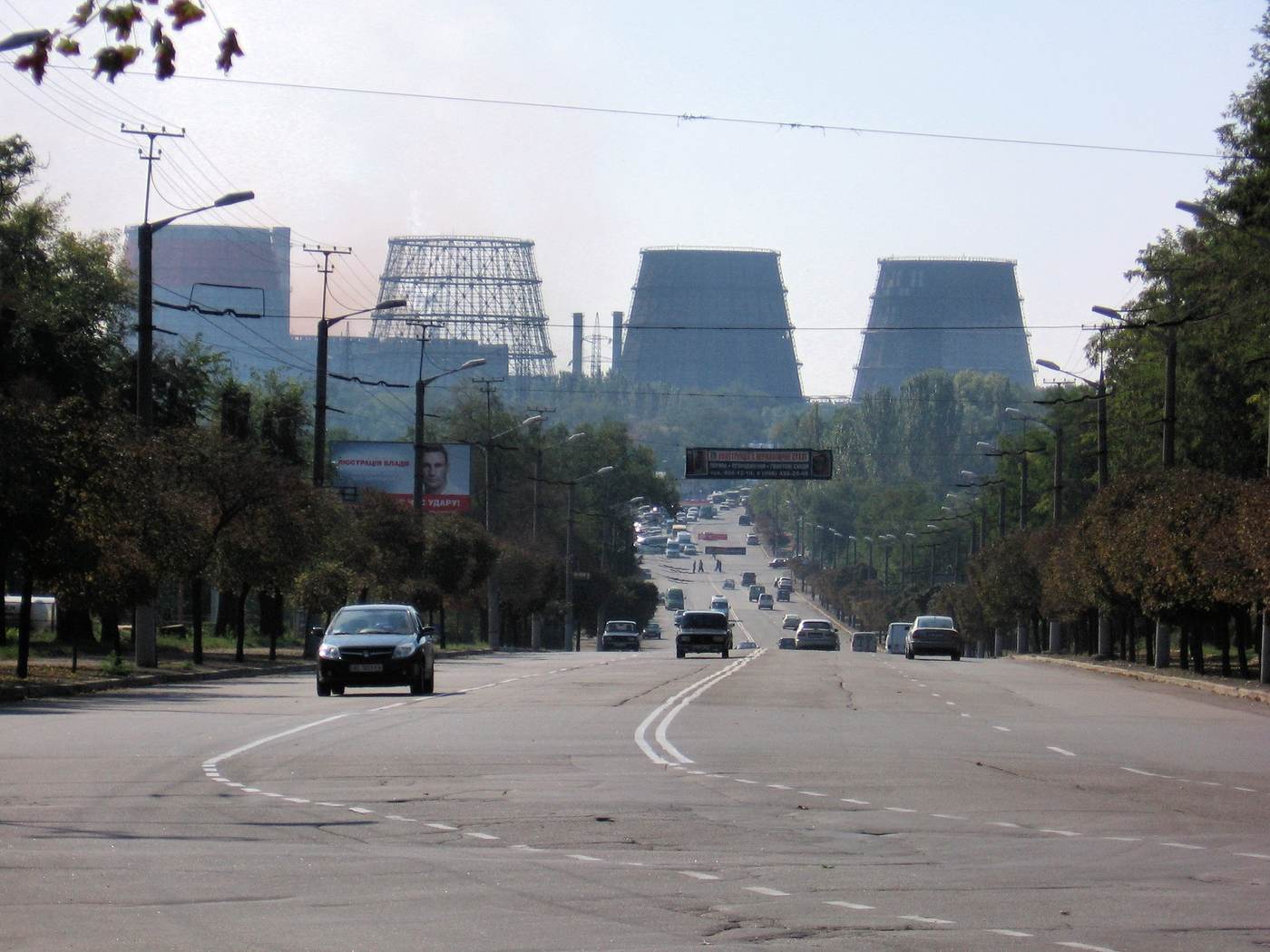
The ArcelorMittal Ukraine $1 billion charge is the corporate world's bluntest admission yet of what this war has become. On Friday, September 25, 2026, ArcelorMittal — Europe's largest steel producer — announced it expects to record a non-cash impairment charge of around $1 billion after telling the Ukrainian government it cannot restart operations at its ArcelorMittal Kryvyi Rih plant “in a safe and sustainable manner” following repeated missile strikes. Four strikes hit the plant in five weeks, the most recent on Monday, killing five people and injuring 17 employees. The $1 billion write-down on property, plant and equipment is more than a line item: it is a balance-sheet obituary for the idea that Ukraine's heavy industry could ride out this war.
What ArcelorMittal announced
Four strikes in five weeks
The facts, as the company stated them on Friday, are precise. ArcelorMittal Kryvyi Rih has been hit by four missile strikes over the past five weeks, with the most recent attack landing on Monday, September 21. The strikes caused extensive damage to production facilities and made it impossible to restart operations safely. The company said it has informed the Ukrainian government and is discussing the plant's future with Kyiv, while focusing on preserving the infrastructure “so when peace finally returns, options for restarting production remain available,” in the words of AMKR chief executive Mauro Longobardo. The company also disclosed that it has provided more than $700 million in financial support to keep the Ukrainian unit going through the war.
The repeated attacks came amid a wider pattern of overnight strikes on Ukrainian industrial and energy infrastructure.
A billion dollars, non-cash — but not painless
The expected charge is non-cash, which means no money leaves the company when it is booked. It does mean ArcelorMittal is formally conceding that a large share of the plant's asset value — furnaces, rolling mills, the built environment of a steelworks — has been destroyed or rendered unusable. For a group that generated $61.4 billion in revenue and produced 55.6 million tonnes of crude steel in 2025, a $1 billion impairment is absorbable. It is also the second time the company has written down roughly $1 billion on its Ukrainian operations — it took a similar charge in 2022, in the war's first year. Two billion-dollar write-downs, four years apart, are the ledger of a war of attrition.
Why this matters
Ninety per cent of Ukraine's steel is now idle
ArcelorMittal Kryvyi Rih did not fall alone. On September 20, the Financial Times reported that ballistic missile strikes had disabled Ukraine's three major remaining steel plants — Zaporizhstal and Kamet Steel, both owned by Metinvest, and the ArcelorMittal factory in Kryvyi Rih — killing 17 workers across the campaign. Together, those three works accounted for about 90 per cent of what was left of Ukrainian steel production. “As of today, [Ukraine] doesn't have a steel industry any more,” Oleksandr Vodoviz, head of the chief executive's office at Metinvest, told the FT. The strikes, he said, hit the blast furnaces with exceptional accuracy: “They knew everything about the plant, they knew exactly where to hit.”
Steel is how Ukraine pays its bills
This is the part of the story that travels beyond the metals pages. For decades after independence, metallurgy was Ukraine's single most important source of foreign-exchange earnings and a pillar of its tax base. The three shuttered plants employ more than 15,000 people between them, and Vodoviz warned of major knock-on effects on taxes. A war can be fought with donated weapons; a state is run with revenue. When the furnaces go cold, the fiscal hole deepens — and Ukraine's dependence on Western financial support deepens with it. That is why the ArcelorMittal announcement belongs on the front page, not in the markets brief: it is an economic event wearing a corporate press release as camouflage.
The pressure on wartime revenue also sharpens Kyiv's campaign to cut the export income funding Russia's war, including President Volodymyr Zelenskyy's appeal to India, China and Turkey over Russian oil purchases.
Background: from $4.8 billion prize to war casualty
The plant that was the Soviet Union's steel crown
ArcelorMittal Kryvyi Rih began life in 1934 as Kryvorizhstal, a Soviet showpiece built on the iron ore of the Kryvyi Rih basin. In 1974 its Blast Furnace 9 opened with a volume of 5,000 cubic metres — at the time the biggest blast furnace in the world. The plant survived the Nazi occupation in ruins, was rebuilt, and by the 2000s was producing around 5 million tonnes of steel a year.
The auction the world watched
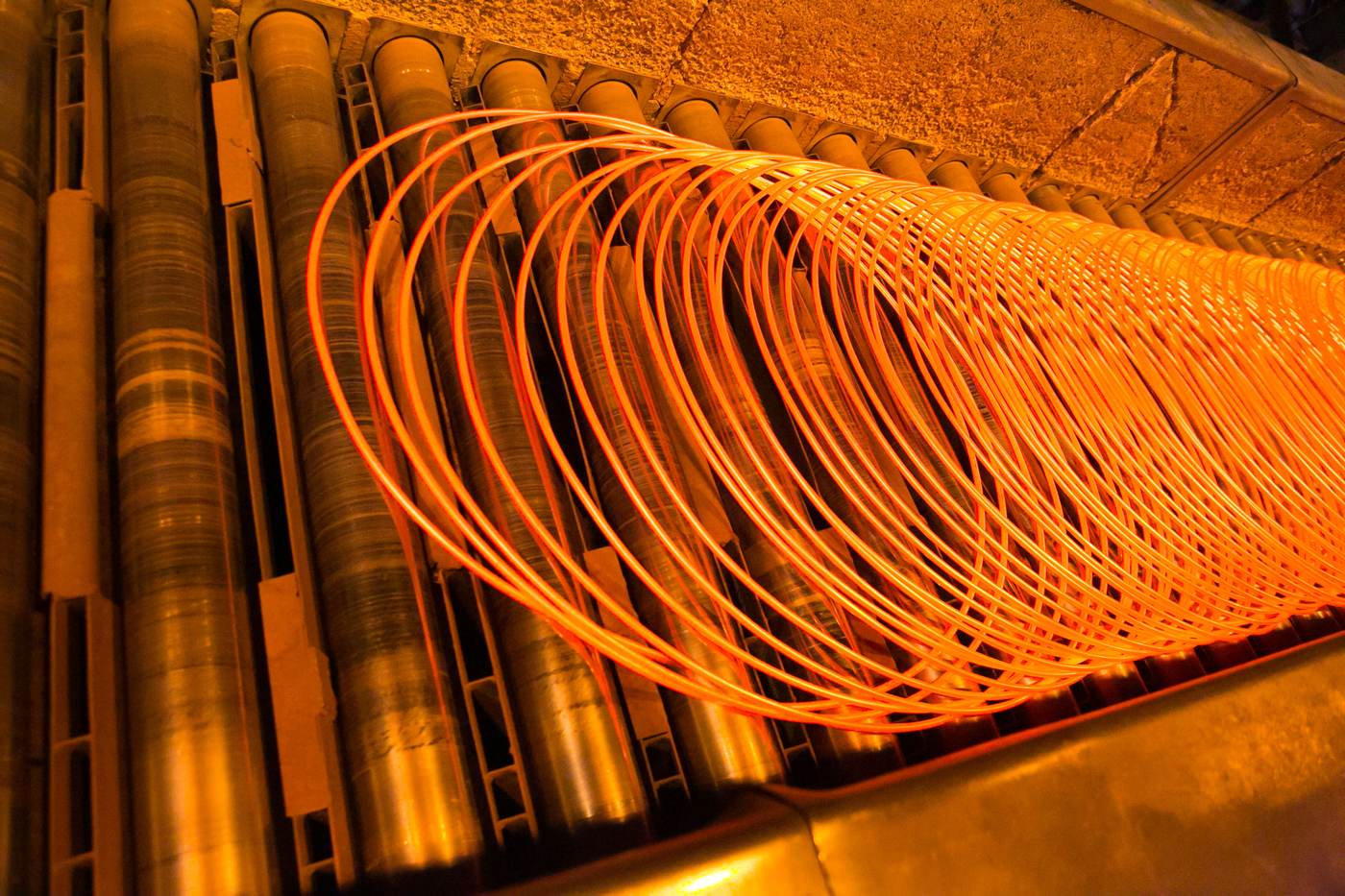
Kryvorizhstal became globally famous in 2005, when a court annulled a rigged $800 million privatization and the plant was re-auctioned live on Ukrainian television. Mittal Steel won with a bid of ₴24.2 billion — $4.81 billion — the largest privatization deal in the history of the former Soviet Union. It was supposed to be the proof that post-Orange-Revolution Ukraine could do capitalism cleanly. Between 2006 and 2022, the company invested a further $10 billion in the site. In 2021 the plant produced 4.9 million tonnes of steel and 4.6 million tonnes of rolled products, and it was Ukraine's largest maker of rebar and wire rod.
The human ledger
The company employed more than 22,000 people before the war's latest escalation. Over 3,000 of them have joined the Ukrainian Armed Forces; 233 were killed or missing as of September 2024. Now five more are dead from the strikes on the plant itself, and 17 are injured. The workforce that ArcelorMittal praised on Friday for its “extraordinary” resilience is being ground down by a campaign that treats the factory floor as a front line.
Multiple angles — who gains, who loses, what critics say
The logic of hitting furnaces
Neither ArcelorMittal nor the Ukrainian government has published a technical attribution for the strikes in the company's statement itself, but reporting by the Financial Times describes a deliberate Russian air campaign against Ukrainian steel, with ballistic missiles aimed precisely at blast furnaces. If that characterization is accurate, the military logic is straightforward: blast furnaces cannot be quickly repaired — a cracked furnace can take months or years to rebuild — and steel underwrites the tax base, the currency, and the jobs that keep a wartime economy functioning. Hitting them is economic warfare by another name.
Kyiv's reading
Ukrainian officials and industry figures read the campaign as an attempt to collapse the country's industrial and fiscal base. The framing from Metinvest's Vodoviz — “the backbone of the Ukrainian economy is actually broken” — is both an assessment and an appeal: an appeal for more air defences, more sanctions pressure, and continued financial support from partners.
The company's corner
From ArcelorMittal's side, the announcement is damage control and optionality. By telling the government it cannot restart safely, the company protects itself legally and practically; by promising to preserve the infrastructure for a post-peace restart, it keeps the door open to the $10 billion of investment it has sunk into the site since 2006. Shareholders get a clean, disclosed write-down rather than a slow bleed.
What is still uncertain
We do not yet know the full extent of the damage to the blast furnaces, nor whether any part of the plant could be brought back in weeks, months or years — Vodoviz himself said “right now we do not understand how long it will take.” We also do not know whether the strikes will continue now that the plant is effectively dead as a production asset, or whether the campaign moves on to the next industrial target. And the $1 billion figure is an expectation, not a booked charge; the final number will be set when the impairment is formally recorded.
What the numbers imply
Put $1 billion in context
ArcelorMittal's Ukrainian unit reported revenue of about 70.6 billion hryvnia in 2025 — roughly $1.7 billion at prevailing rates — so the impairment charge is on the order of 60 per cent of a year's revenue at the subsidiary. At group level it is under 2 per cent of 2025 revenue: painful but survivable for the parent, devastating for the subsidiary and its host economy.
Compare with the last time
The 2022 impairment of about $1 billion covered the war's first shock — disrupted logistics, damaged assets, the fog of invasion. The 2026 charge is different in kind: it follows a targeted, sustained campaign of precision strikes on the furnaces themselves. The first write-down said “war is expensive.” The second says “the war has found the industry's jugular.”
The steel map is being redrawn
With 90 per cent of remaining Ukrainian output offline, roughly 4 to 5 million tonnes of annual steel supply has vanished from European markets in a matter of weeks. Some of that demand will flow to producers in Turkey, India and the EU — at higher prices. Some of Ukraine's construction and reconstruction needs will now have to be met with imported steel, paid for with borrowed money. Every tonne imported instead of made at home is a small transfer from Ukraine's future to someone else's present.
What happens next
The scenarios branch from here. In the best case, the strikes stop, engineers assess the furnaces, and a repair program measured in months begins — with the plant mothballed but intact, as Longobardo's “preserving the infrastructure” language suggests. In the worse case, the campaign continues, the furnaces suffer damage beyond economic repair, and Kryvyi Rih — the city where Ukraine's president was born — loses the industry that defined it for 90 years. Either way, Ukraine's 2026 and 2027 budgets just got harder to write, and the conversation in Western capitals about how long financial support must continue just got longer. The strain belongs to a wider debate over the fiscal cost of sustaining modern wars. The war's front lines are measured in kilometres; its economic front line is measured in furnaces. This week, one of the biggest furnaces in Europe went cold.
Sources and further reading
- Reuters — “ArcelorMittal to book $1 billion charge after missile strikes in Ukraine” (September 25, 2026)
- The Wall Street Journal — “ArcelorMittal Says It Can't Restart Ukrainian Operations After Missile Strikes” (September 25, 2026)
- ArcelorMittal corporate statement via GlobeNewswire (September 25, 2026)
- Financial Times — “Russia's new air campaign seeks to destroy Ukrainian economy” (September 20, 2026)
Reporting basis: Fixed September 25, 2026 snapshot. The $1 billion charge is an expectation, not a booked final amount, and the full extent of the plant damage remains uncertain.