Russia strikes Odesa ports
- Russia strikes Odesa ports
- Ukraine Black Sea ports closed
- Kharkiv airstrike casualties
- Ukraine grain exports halted
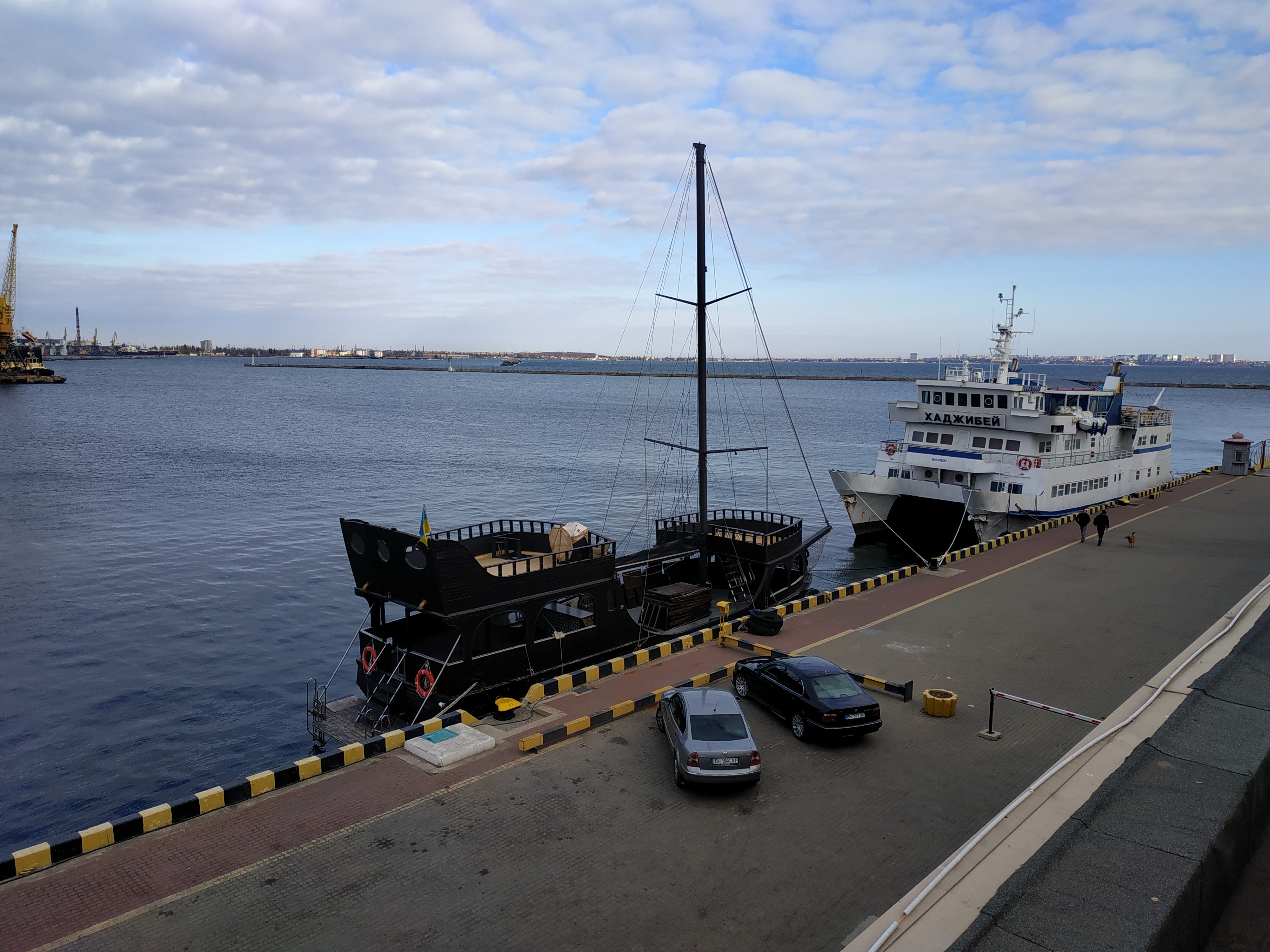
The overnight attacks joined two pressure points into one operation: the infrastructure that keeps Ukraine connected to global markets and the urban centers that keep its economy and public services functioning. Odesa regional governor Oleh Kiper said Russia carried out massive strikes on industrial and port infrastructure and that emergency crews extinguished the resulting fires. He did not immediately provide a complete damage assessment.
Russia's Defense Ministry said its forces struck the port at Vylkove, facilities at a fuel depot in Chornomorsk, two Ukrainian cargo vessels in the Black Sea and the Kochetok electrical substation in the Kharkiv region. Moscow said the sites served Ukrainian military operations. Those are Russian military claims; Reuters said it could not independently verify the battlefield assertions.
Late Sunday, Kharkiv Mayor Ihor Terekhov said an airstrike on his city killed one person and injured six. Taken together, the reported attacks show a campaign that is not confined to a single target set. Ports, shipping, fuel, electricity and a major city were all under pressure during the same night.
What happened overnight
The Odesa region strikes were reported after midnight local time on Monday, October 5. Kiper described damage to port and industrial facilities, with fires that were later put out. The Russian account was more specific, naming Vylkove — a Danube port near the Romanian border — and Chornomorsk, one of the country's largest Black Sea cargo hubs.
A second Reuters report said Moscow claimed two Ukrainian cargo vessels were hit in the Black Sea and described the Chornomorsk target as fuel storage intended to supply Ukraine's armed forces. The ministry also claimed a strike on the Kochetok substation in the Kharkiv region. Ukraine did not immediately confirm every site or the military purpose Moscow assigned to it.
That distinction is essential. Ukrainian authorities confirmed a large attack and infrastructure damage; Russia supplied the detailed target list and its justification. Neither side's immediate wartime account gives a complete independent picture of damage, weapons used or the status of the vessels. The confirmed human toll available early Monday came from Kharkiv's mayor: one dead and six wounded.
The Black Sea ports are closed
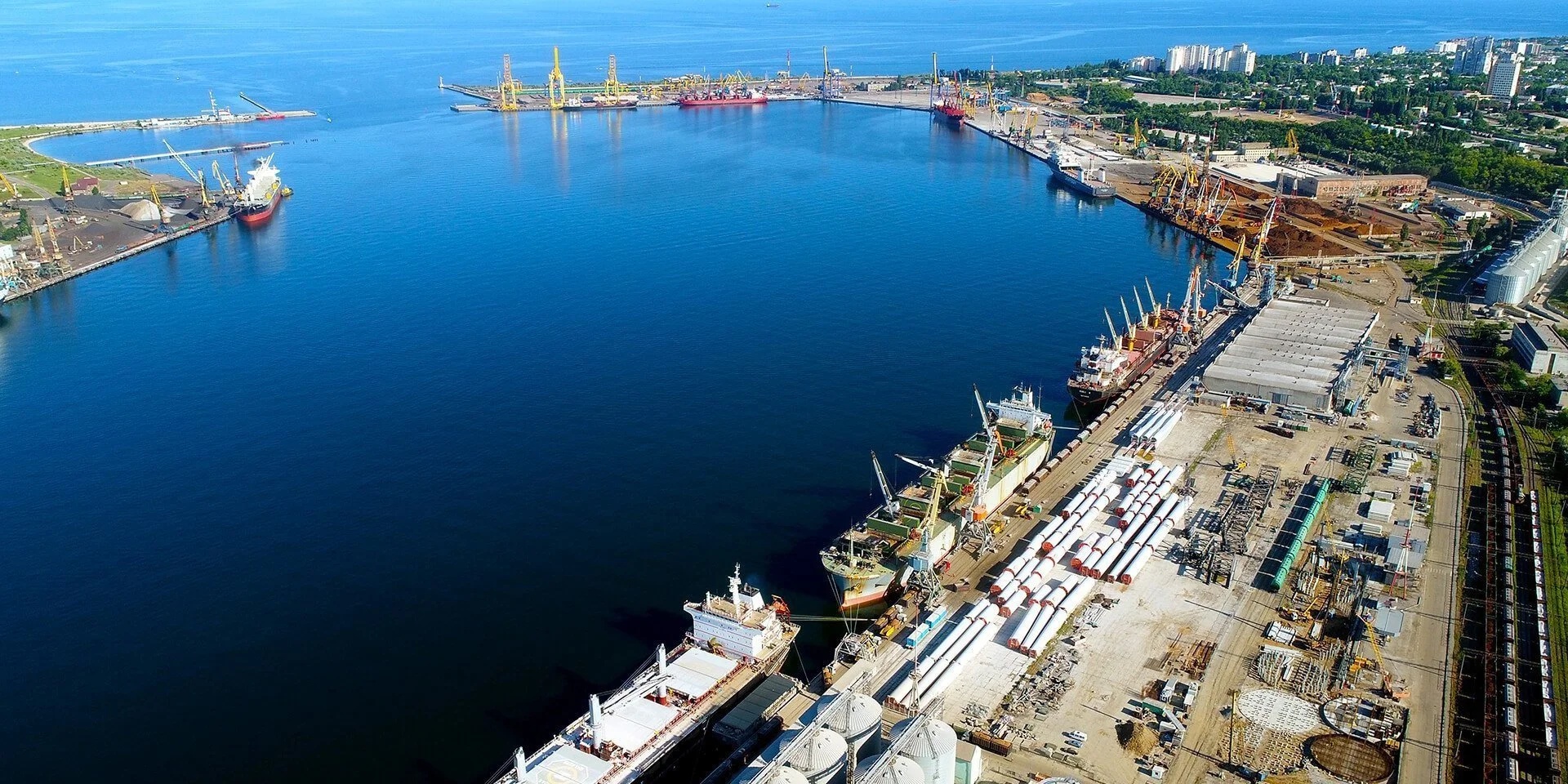
The most consequential part of the night may be what did not move afterward. The Financial Times reported that Ukraine's three major Black Sea ports were closed, interrupting roughly 350 vessel calls a month. That transforms a series of infrastructure strikes into a national trade shock. Odesa, Chornomorsk and Pivdennyi are not interchangeable local terminals; together they form the backbone of Ukraine's deep-water export system.
Closure does not have to be permanent to impose large costs. Ships wait outside the risk zone, insurers reassess cover, charter rates rise, cargoes are rerouted and exporters pay storage charges. A port can be physically capable of loading a vessel but commercially unusable if crews, owners and underwriters judge the voyage too dangerous. That is why attacks on cargo vessels matter beyond the damage to any one hull.
Vylkove adds a different layer. Its Danube location connects Ukraine to routes near the Romanian border and has helped diversify shipping when the main Black Sea corridor is under threat. Striking both the principal coastal hubs and a Danube outlet narrows the alternatives available to exporters.
Why this matters
Ukraine's ports are military-adjacent infrastructure in the broadest strategic sense: they generate export revenue, sustain farmers and steel producers, carry imports, support the state budget and connect the economy to buyers abroad. That makes them valuable targets for coercion even when a specific facility's military role is disputed.
The wider impact runs through food markets. The FT reported that grain shipped through Ukraine helps feed 300 million people in 70 countries. That figure describes reach, not a claim that all those people depend exclusively on Ukrainian supply. But it captures the scale of the network affected when vessels stop. Import-dependent countries can face higher prices long before a physical shortage appears, because freight, insurance and replacement purchases all become more expensive.
There is also a signaling effect. By pairing attacks on ports and vessels with a strike in Kharkiv and a claimed hit on a power substation, Russia can force Ukraine to spread air defenses across coast, energy nodes and cities. Every interceptor assigned to protect a berth or transformer is one not available somewhere else.
How we got here
The new wave follows a sustained rise in pressure. The FT described a three-month escalation using missiles and jet-powered drones against logistics and energy infrastructure. Last winter, roughly half of the Odesa region's large substations were hit, the paper reported. The campaign therefore looks cumulative: degrade power, complicate repairs, raise shipping risk and then strike the facilities that keep trade moving.
Ukraine's air defenses continue to intercept large numbers of incoming drones. One unit cited by the FT said it downed more than 150 Shahed and Gerbera drones in September. But a defender does not need to fail often for infrastructure damage to accumulate. Large fixed sites are hard to hide, repairs can be struck again, and attackers can mix decoys with more destructive weapons to exhaust limited interceptors.
This overnight operation was also distinct from the previous day's attacks. Signal Post News reported on the fifth consecutive day of strikes affecting Kyiv and vessels near Odesa. The new reporting concerns a later overnight wave centered on Vylkove, Chornomorsk and Kharkiv.
Who benefits, who loses
Russia's potential gain is leverage through disruption. If exports slow, Ukraine earns less foreign currency, pays more to reroute cargo and must dedicate scarce air-defense capacity to fixed infrastructure. Moscow may also hope that importers and shipping companies pressure Kyiv's partners to reduce risk by seeking a political accommodation.
Ukraine's direct losses fall on port workers, sailors, exporters, farmers, logistics firms and the public finances that depend on trade. Kharkiv's casualties underline that the cost is not only macroeconomic. A death and six injuries are individual losses behind an operation otherwise described through terminals, substations and vessel counts.
Competing exporters and alternative routes may gain business. Grain suppliers elsewhere can benefit from higher prices, while railways and Danube terminals outside the immediate strike zone may receive diverted cargo. Yet diversion is not free: land routes generally have lower capacity and higher unit costs than deep-water shipping.
Importing countries and consumers carry the diffuse downside. A buyer can replace Ukrainian grain, but replacement supply may be farther away or more expensive. The economic weapon works through friction — not necessarily by stopping every shipment, but by adding enough risk and cost to every stage.
What the numbers mean
The figure of 350 vessels a month is roughly 11 or 12 ship movements per day on a simple 30-day average. A short closure can therefore build a queue quickly. The final cargo effect depends on vessel size, terminal specialization, inventory and how fast operations resume, none of which was fully available in the initial reporting.
The claim that Ukrainian grain reaches 300 million people in 70 countries is best read as a measure of market exposure. It does not mean 300 million people will immediately lose food. It means a disruption at these ports enters procurement decisions across a wide geography, especially where governments and aid agencies buy grain on tight budgets.
The 150-plus drones one unit said it intercepted in September illustrates the asymmetry facing air defense. An attacker can send repeated waves and needs only a fraction to get through. A defender must detect, prioritize and engage again and again while preserving expensive missiles for higher-value threats. Signal Post News examined that broader trend in Russia's intensified strike campaign and Ukraine's response.
What happens next
The first question is operational: when can each port safely reopen? Officials will need to assess berths, power supply, fuel systems, navigation equipment and access roads, while shipping companies and insurers make separate judgments. A government announcement that a terminal is ready does not automatically bring vessels back.
The second is military. Ukraine may shift additional mobile air-defense teams toward the south, disperse fuel stocks and accelerate repairs around electricity nodes. Germany's latest aid and the security debate around Chancellor Friedrich Merz's Kyiv visit are part of that capacity question; read the analysis of Merz's Kyiv trip and the new aid package.
The third is strategic. If strikes continue across the ports, Danube routes and electrical grid, the objective will look less like punishment for a single operation and more like a sustained attempt to compress Ukraine's economic choices. If traffic resumes quickly, the wave will still have imposed costs but will have failed to create a durable maritime shutdown.
Early wartime reports often change as damage assessments arrive. The casualty count, status of the cargo vessels and duration of the port closures should therefore be treated as developing. What is already clear is the combined pressure: Russia struck across the maritime-export and urban-energy systems in one night, and the consequences extend well beyond the blast sites.
Sources
- Reuters: Russian air strikes targeted port infrastructure in Ukraine's Odesa region, governor says
- Reuters: Russia says it struck two Ukrainian cargo vessels in the Black Sea
- Financial Times report via Asha News: Ukraine's three major Black Sea ports closed
- Wikimedia Commons: Port of Odesa file photo by Zinnsoldat
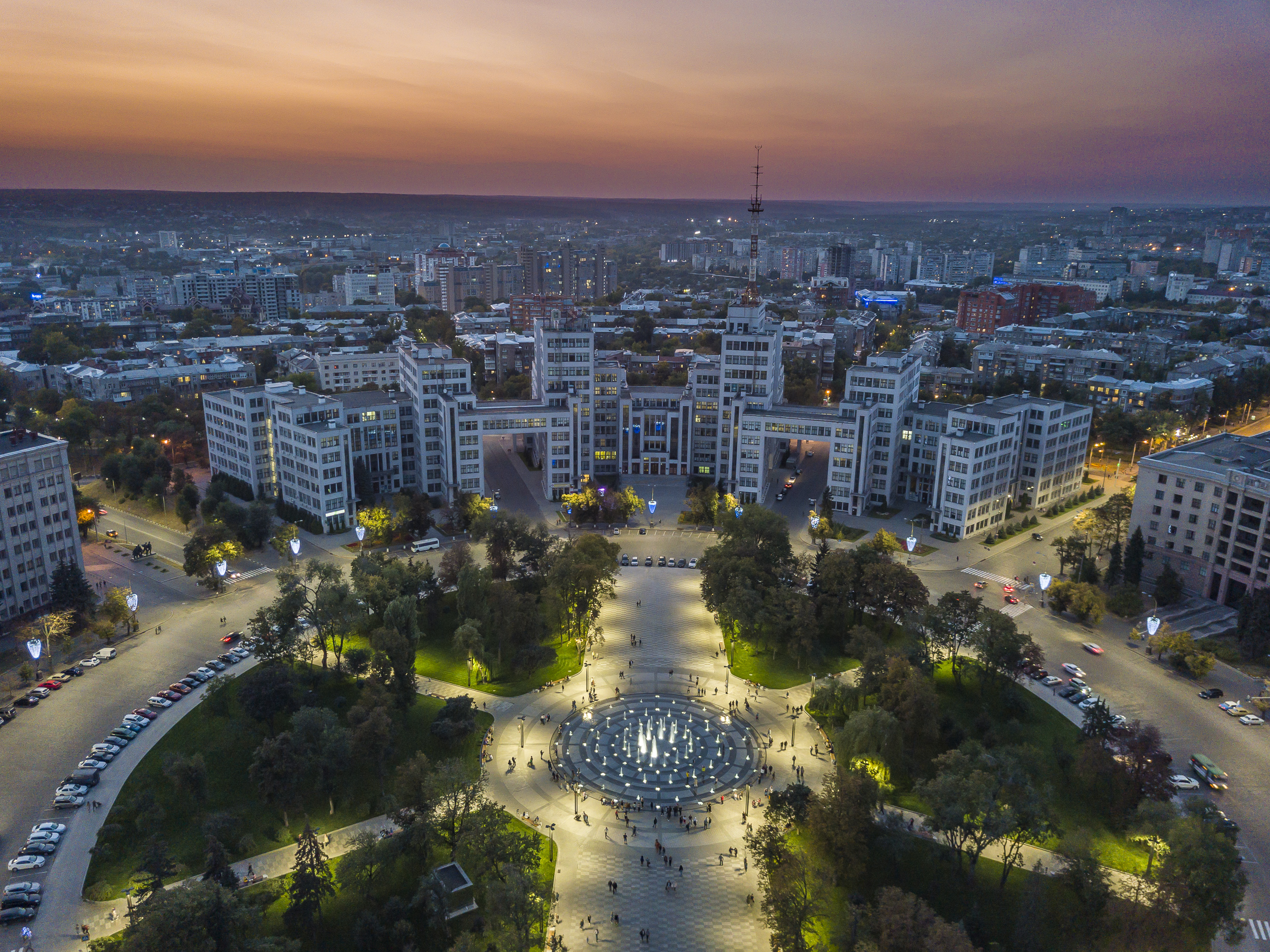
- New East Digital Archive: Freedom Square aerial photo credit
Reporting basis: Ukrainian officials' damage and casualty statements and the Russian Defense Ministry's target claims are attributed separately. Reuters said it could not independently verify the battlefield claims. The photographs are clearly labeled archival file images and do not depict the October 4–5 attack.