World / United Kingdom — Five days after the government told every household to keep three days of supplies at home, the tills have delivered the verdict in a UK stockpile sales surge: Britons listened. Torches, wind-up radios, power banks and tinned food are selling at multiples of their normal rate, and specialist prepper shops say sales have risen tenfold.
Governments issue advice all the time, and most of it is politely ignored. Not this time — the result is a UK stockpile sales surge that retailers can measure by the hour. In the five days since the Cabinet Office launched its “Be Ready” campaign — asking every British household to keep three days of water, food, light and communication at home against a crisis — retailers have recorded a surge in exactly the items on the government’s list, according to figures obtained by BBC Newsnight and published on Tuesday. Torch sales at one major retailer are up 284 percent. Radio sales are up as much as 160 percent. One supermarket chain sold 40 percent more tinned food over the weekend than usual. And the small online shops that sell to Britain’s prepper community — a niche trade a week ago — say business has multiplied by ten, or by 650 percent, almost overnight.
The numbers matter because they answer the question ministers could not answer last week: whether a country that has not been asked to prepare for an emergency in generations would actually do it. On the evidence of the first weekend, the answer is yes — quickly, specifically, and in the precise order the government suggested. Shoppers did not buy luxuries or novelties. They bought light, information and calories: the three things a household loses first when the power goes out.
Track it live: the conflicts behind the preparedness warnings on our live war tracker.
The UK stockpile sales surge, in numbers
Newsnight gathered its figures directly from retailers, and the pattern is consistent across very different kinds of shop — national supermarket chains, high-street hardware retailers and tiny specialist websites all report the same spike, dated from the same moment: the Be Ready announcement last week.
- Torches, +284 percent: Maplin, the electronics retailer, said sales of torches have risen 284 percent — nearly four times the normal rate — in the period since the government’s announcement, compared with the same period last month.
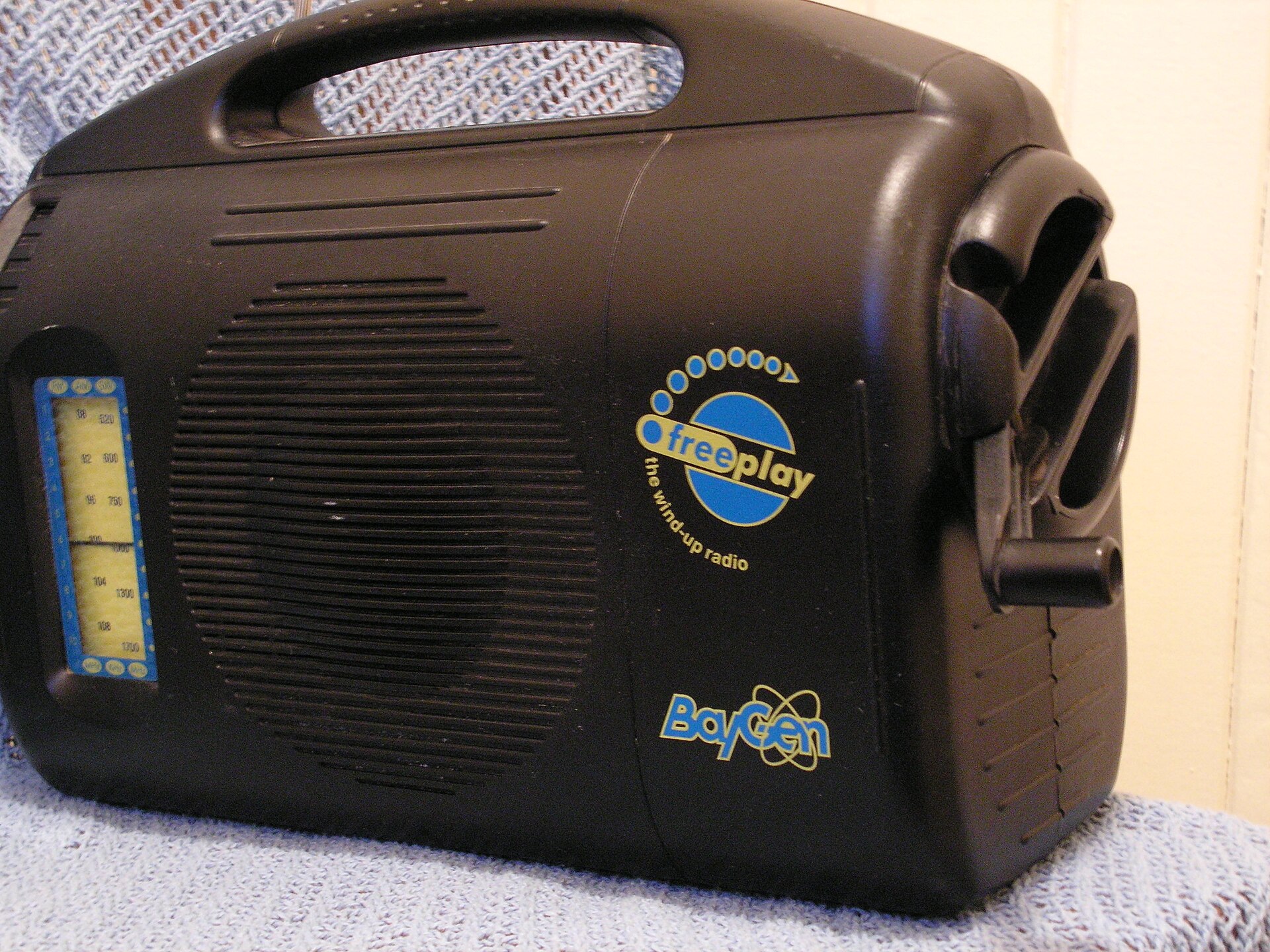
- Radios, +160 percent and +92 percent: Robert Dyas reported radio sales up 160 percent compared with last week. Maplin’s radio sales rose 92 percent over its comparison period — “almost doubled in three days,” in the words of its managing director.
- Power banks, +106 percent: Maplin said sales of power banks — the phone charging packs on the government’s list — have more than doubled, up 106 percent.
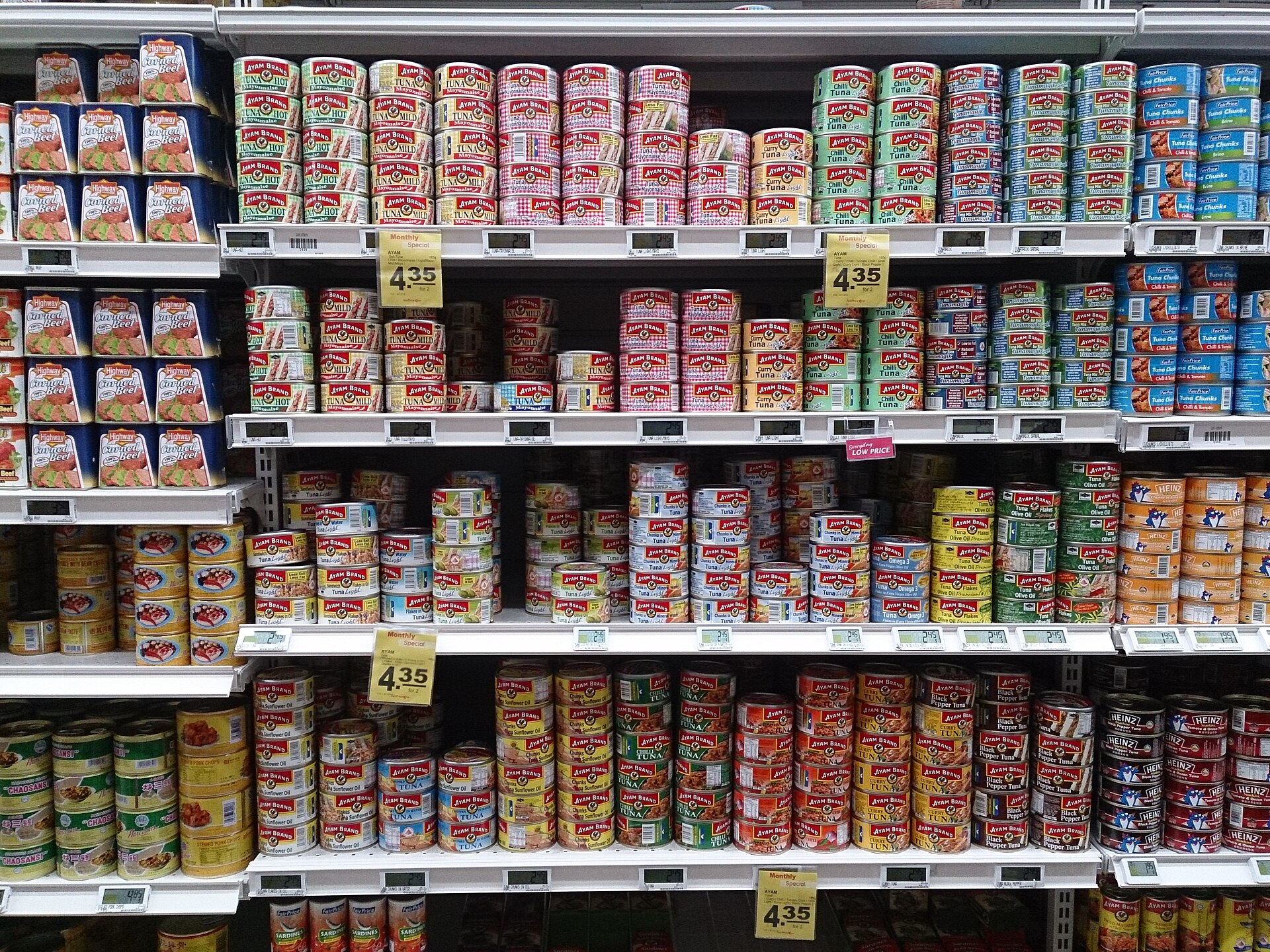
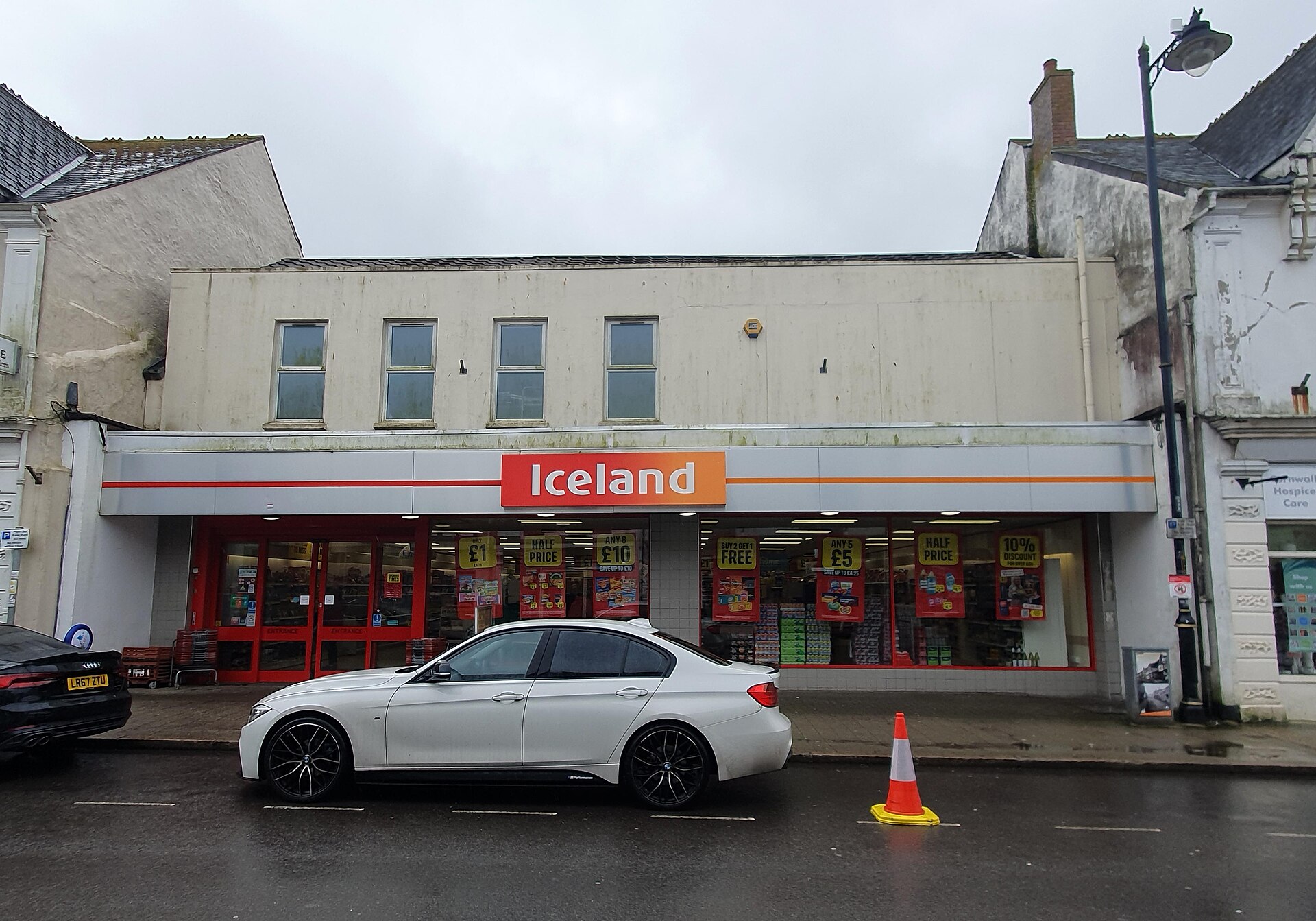
- Tinned food, +40 percent: The Iceland supermarket chain told Newsnight it was “clear” consumers had listened to the warnings after tinned product sales rose 40 percent over the weekend, alongside strong sales of bottled water. Crucially, Iceland said its supplies of those products remain healthy — this was a surge in buying, not yet a shortage of goods.
- Prepper shops, tenfold and +650 percent: Sgt Prepper’s, a small independent online store run by Josh Pringle, said sales increased tenfold after the campaign launched, with most orders for a single item — the wind-up radio. Preppers Shop UK, founded by Lincoln Miles, reported a 650 percent increase, with off-grid living equipment the key to what people are buying.
An independent check on the high street points the same way. A Sun on Sunday sweep of 12 major stores in Newcastle on Friday found wind-up radios sold out or unavailable at most of them — Currys, John Lewis, Screwfix and Tesco among them — with online dispatch dates slipping weeks into the future at several national retailers. That was two days after the launch; the Newsnight figures suggest the weekend that followed was bigger still.
What the government actually asked for
The buying maps almost one-to-one onto the advice. Launching Be Ready on October 22, Defence Secretary Wes Streeting said households should be able to manage for three days with: three litres of drinking water per person per day; tinned goods in the cupboard; baby food; battery-powered torches; and mobile phone charging packs. The campaign’s full checklist adds a wind-up or battery-powered FM radio, blankets and warm clothing, first aid and essential medication, hand sanitiser and hygiene basics, cash in a mix of coins and notes, copies of identity documents, and pet food where needed. It is, deliberately, a list of ordinary things — the campaign’s whole pitch is gradual preparation, an extra item or two on a normal shop, as we set out when the campaign launched: the Be Ready checklist in full.
Maplin’s managing director, Ollie Marshall, described the speed of it: within hours of the announcement, he said, people reached for the basics — a torch, a wind-up radio, a power bank — and he called it encouraging that people were taking the advice seriously, because those simple, affordable products are what keep a household connected and informed when the power goes out. Streeting, responding to the sales figures on Newsnight, used the same word: encouraging. Having everyday essentials at home, from tinned food to torches, he said, helps households prepare for disruption such as flooding, power cuts or burst pipes — and everyone can play a part in making Britain more resilient.
Why this matters
A preparedness campaign lives or dies on behaviour, not messaging, and behaviour is what has changed. For decades, British civil defence was something the state did quietly and the public ignored entirely; the cultural default was that stockpiling was eccentric, American, or both. The first weekend of Be Ready has broken that default in measurable form. When a supermarket chain can see a government campaign in its tinned-food figures within 72 hours, the campaign has done something British public information campaigns rarely do: it has moved the national shopping basket.
There is a second significance, and it is strategic. Streeting has coupled the household advice to a hard timetable, arguing Britain has a little over 1,000 days — to about 2030 — before adversaries could be in a position to attack, as we reported in the wider European picture: how Europe is preparing its citizens. A public that has already bought the torch and the radio is a public that has, in a small but real way, accepted the premise — that disruption is plausible enough to spend money on. That acceptance is the foundation every other part of a resilience strategy has to be built on, from reservist recruitment to infrastructure hardening. Retail data is not a poll, but in some ways it is better than one: these are revealed preferences, paid for.
Both sides: practical readiness, or the start of panic buying?
The government’s framing is “alert but not alarmed,” and ministers have been careful to anchor the campaign in mundane disruption — floods, power cuts, burst pipes, cyber attacks, extreme weather — rather than invasion. Streeting made that case again in response to the sales figures, and retailers’ own evidence supports the calm reading so far: Iceland explicitly says supplies remain healthy, and the surge is concentrated in durable kit (torches, radios, power banks) rather than in stripping shelves of fresh food.
The counter-argument was aired within hours of the launch, when a Question Time audience member accused the government of scaremongering and raised the obvious precedent: the panic buying of the early Covid pandemic, when a frightened public emptied shelves faster than supply chains could refill them and created the shortages it feared. Critics add a fairness point: a three-day stockpile costs money and storage space that the poorest households — the ones most exposed in any real crisis — are least likely to have. And there is a measurement caution, set out below: the most spectacular percentages come from the smallest shops, where a handful of extra orders can produce a tenfold rise.
Both readings can be true at once. A surge in torch sales is not panic; it is a one-off purchase of a durable good, and once a household owns a wind-up radio it does not need to buy another. The test of the panic-buying fear is not this weekend’s kit sales but whether food buying stays elevated after the initial stock-up is complete — and whether shelves stay full while it happens.
What the numbers actually imply
Read carefully, the figures are strong but need their denominators. Maplin’s percentages compare the period since the announcement with the same period last month; Robert Dyas compares with last week; Iceland’s 40 percent is a single weekend. These are different baselines, and none of the retailers published absolute unit numbers, so the percentages cannot be added together into one national figure. The prepper-shop numbers — tenfold, 650 percent — come from very small bases: Sgt Prepper’s describes itself, in its owner’s words, as a small outfit that was quiet on Wednesday and inundated by the weekend. A tenfold rise at a small shop and a 40 percent rise at a national supermarket chain are both real, but they describe different scales of event; the Iceland figure is, pound for pound, the most significant number in the set, because moving a national chain’s tinned-food sales by 40 percent in one weekend takes hundreds of thousands of individual decisions.
The composition of the buying is as telling as its size. The three fastest movers — torches, radios, power banks — are all answers to the same failure: the power going out and the networks going down with it. Shoppers, in other words, did not buy against the most dramatic scenario in the headlines. They bought against the most plausible one, a blackout, and they bought information (a radio that needs no signal) alongside light. That is a remarkably literal reading of the government’s list, and it suggests the campaign’s unglamorous framing — floods and power cuts first — is precisely what landed.
What happens next
Be Ready is a three-year campaign, and this was its first weekend. Three things will decide whether it becomes a durable change in British habits or a one-weekend story. First, supply: if wind-up radios and torches stay out of stock for weeks, the campaign will have created frustration instead of readiness — retailers restocking fast, as some already are, is part of the policy whether ministers planned it that way or not. Second, sustainment: a stockpile is only real if it is still there, in date, in six months; expect the campaign’s next phase to push rotation and checking, the boring maintenance on which preparedness actually depends. Third, politics: the government has now attached its credibility to a measurable public behaviour. If the figures fade, critics will call the launch a scare that fizzled; if they hold through the winter storm season — the first real test, when power cuts stop being hypothetical — Be Ready will look like the moment Britain quietly started preparing again.
Sources
- BBC Newsnight, via BBC News (October 27, 2026): “Sharp rise in sales of essential goods after government says to stock up” — retailer figures from Iceland, Robert Dyas, Maplin, Sgt Prepper’s and Preppers Shop UK, and the responses from Ollie Marshall and Wes Streeting. bbc.co.uk
- The Sun on Sunday, via The Sun (Ireland edition): “Wind-up radios flying off the shelves after Government urges Brits to prepare ‘three-day’ survival kit” — 12-store Newcastle sweep finding wind-up radios sold out or unavailable at most major retailers. thesun.ie
- UK Government, Cabinet Office: the Be Ready campaign and national resilience checklist (launched October 22, 2026) — three litres of water per person per day, three days of food, torch, wind-up or battery FM radio, power bank, cash and documents. Signal Post News’ Be Ready checklist report