World / United Kingdom — The government launched a three-year national resilience campaign on Thursday asking British households to keep three days of water, food, cash and basic kit at home, as ministers warn of storms, floods, cyber attacks and what the Defence Secretary calls “state-sponsored terrorism.”
Britain’s government wants every household in the country to be able to look after itself for three days. The Cabinet Office on Thursday launched “Be Ready,” the first stage of a three-year public information campaign that asks families to store bottled water, non-perishable food, cash, a torch and a wind-up or battery-powered radio against the day that power, water, phone signal or the internet goes down.
The updated advice, published at beready.campaign.gov.uk, replaces the government’s earlier “Prepare” website and sets a specific standard for the first time in a national campaign: households that can should be ready for three days of disruption. Security Minister Dan Jarvis said the point of the campaign is practical, not dramatic. “Those who can follow this advice should follow this advice,” Jarvis said. “By taking simple steps to be ready for everyday emergencies like severe storms, people can reduce pressure on emergency services, helping them prioritise people who need more support in an emergency.”
The launch was first reported by the Daily Mail and spread quickly across British media on Thursday, with the Sun telling readers to prepare a three-day emergency “survival kit” — cash and a wind-up radio included — against crises running from cyber attack to floods. Here is what the government is actually asking for, why ministers chose this week to ask, and how Britain’s three-day rule compares with what other countries already tell their citizens.
The Be Ready checklist: nine things every household is asked to keep
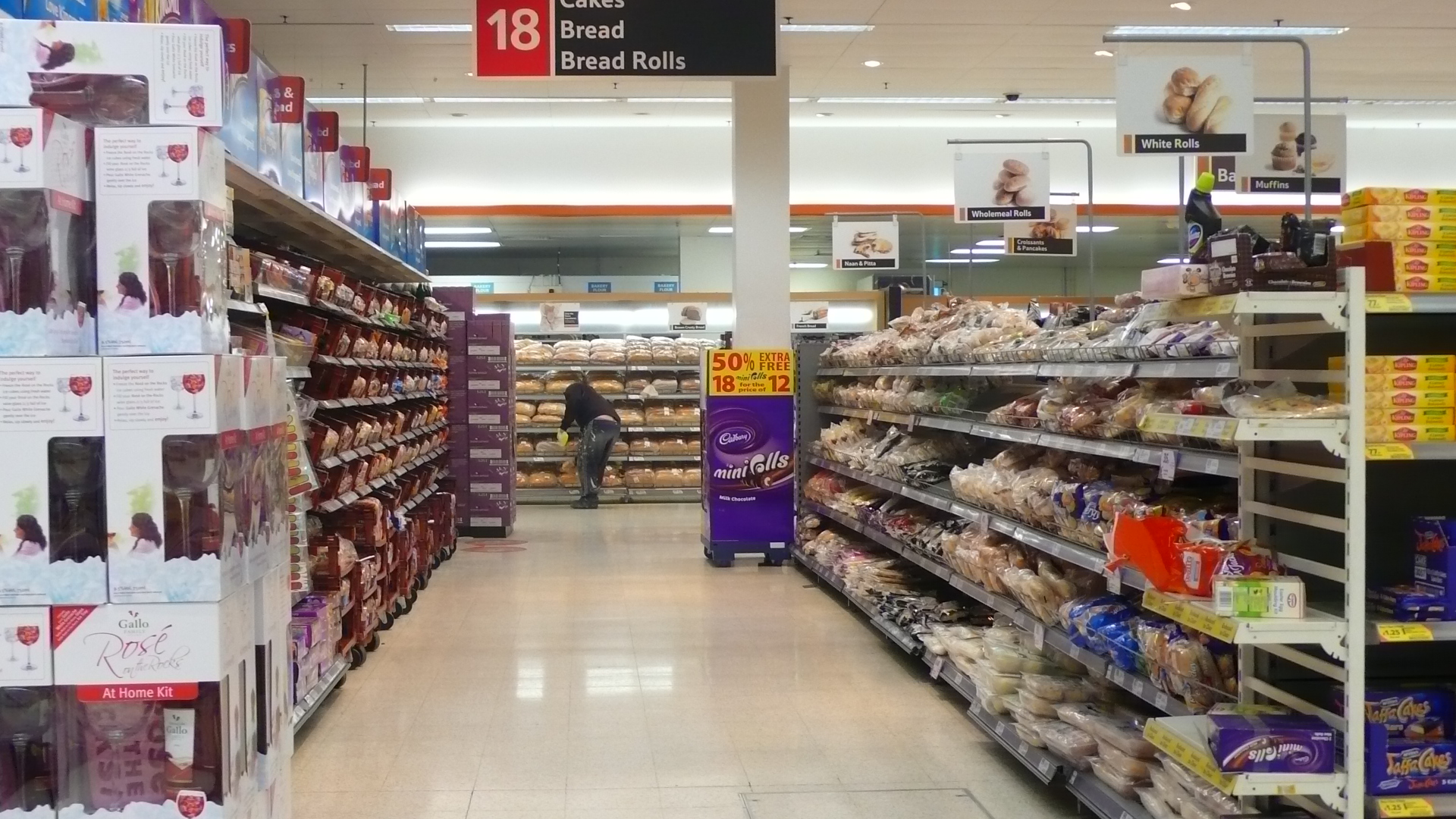
The campaign’s downloadable checklist groups the advice into nine categories. The headline numbers are simple: three litres of drinking water per person per day — nine litres per person for the full three days, and at least 36 litres for a family of four — plus more for cooking and washing.
- Water: Bottled water for three days, at three litres per person per day for drinking, with extra for cooking and hygiene.
- Food: Non-perishable food that needs no fridge or cooking — tinned meat, fish or vegetables, dried fruit and nuts.
- Hygiene: Hand sanitiser, wet wipes and basic bathroom products for days when the taps may not run.
- Light and warmth: A torch with spare batteries, blankets, sleeping bags and warm clothing.
- Communication: A battery-powered or wind-up FM radio, and a charged power bank — the radio matters because official information still goes out on FM when networks fail.
- Money and documents: Physical cash, in a mix of coins and notes, in case card payments and online banking are down; copies of ID documents and a written list of important phone numbers.
- Medical: A first aid kit and a working supply of essential medication.
- Babies: Ready-to-feed formula, nappies and wipes for households with infants.
- Pets: Pet food and bottled water for animals.
The checklist also suggests a “grab bag” of essentials in case a family has to leave home suddenly, and the single step that costs nothing at all: signing up to the Priority Services Register, which flags households that may need extra help to their gas, water and electricity suppliers. Ministers and the checklist itself are emphatic that nobody is being told to buy everything at once. “You don’t need to do it all at once,” the guidance says. “Build up your readiness gradually over time by taking it step by step, and picking up an extra item or two when you can.”
Streeting: prepare for “state-sponsored terrorism,” not just storms
The weather framing is only half of the government’s message. Launching the campaign alongside a visit to a new tank gun barrel plant in Telford, Shropshire — where Britain will produce parts for tanks for the first time in two decades — Defence Secretary Wes Streeting put the household advice in explicitly strategic language. Britain, he said, must prepare for the threat of “state-sponsored terrorism” by Russia or other hostile powers targeting everyday infrastructure.
“Terms like ‘hybrid warfare’ and ‘grey zone threats’ do not accurately capture or convey to the general public what I prefer to describe as ‘state-sponsored terrorism’,” Streeting said. “So in the face of those threats, which are not hypothetical but real, and not somewhere else but increasingly here, we have to step up and take seriously our national resilience as well as our national defence.” He posed the question directly to households and businesses: “Are they prepared? Are they ready? Do they know how they would respond in the event of everyday challenges that might manifest themselves?” Earlier this week he had asked the public to think about a mundane scenario with serious consequences: “How would we cope if the payment systems of the supermarkets went down? Those are the sorts of everyday challenges and threats we could well face.”
Streeting also said military chiefs would address the nation in the coming months about why billions of pounds of taxpayers’ money needs to be diverted to defence, and that the Telford plant would provide the “firepower that will make us war-fighting ready by 2030.” The household campaign, the defence-industrial announcement and the promised military addresses are being presented by ministers as one programme: a country being asked, at every level, to think about disruption before it arrives.
Why now: storms, wildfires, cyber attacks and a warning about the food chain
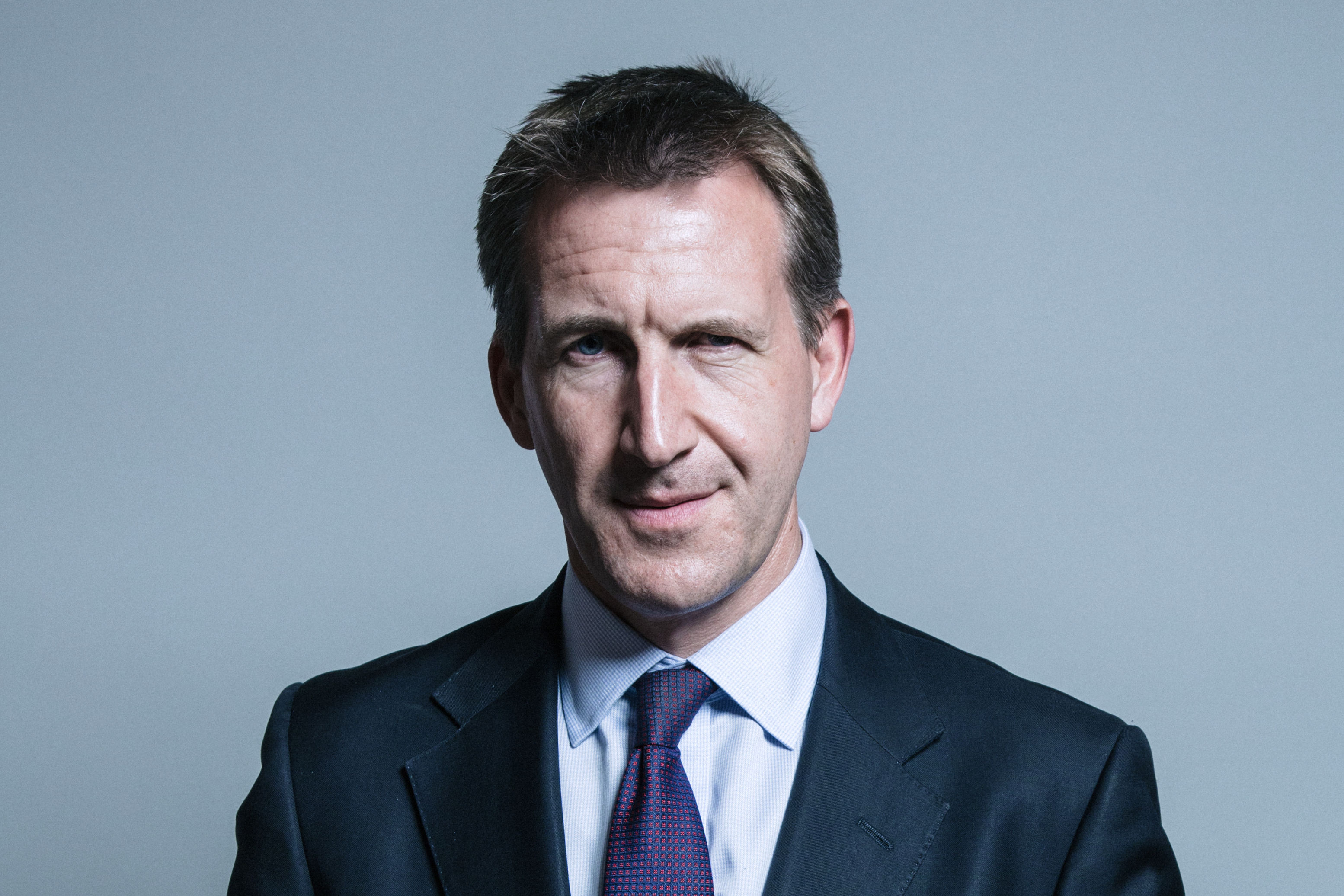
The government’s stated triggers are recent and concrete. Last winter’s storms and this summer’s wildfires disrupted phones, power, water and internet for communities across the UK, and the government’s July 2026 resilience report set the wider backdrop: a new conflict in the Middle East, a growing number of sub-threshold attacks attributed to Russia, several major cyber attacks and increasingly severe weather. Last month, Dame Angela Eagle warned households to prepare for extreme weather as the strongest El Niño in a generation develops over the Pacific — a system the UN’s World Meteorological Organization has also flagged for record impacts, as Signal Post News reported earlier this month.
A National Audit Office warning published alongside the launch period adds a harder edge: Britain’s food supply chain is vulnerable to plant or human disease outbreaks, cyber attacks and extreme weather, the NAO found Defra had not done enough in recent years to improve supply-chain resilience, and British households are measurably less prepared for emergencies than those in Finland and Sweden. More than 500 charities, businesses and other organisations have signed up to distribute the campaign, and radio and social-media advertising over the coming weeks will target the two groups officials worry about most: families with young children and older people. The campaign was developed with local resilience forums and with charities working with people in insecure housing and people who use foodbanks — an acknowledgement, built into the programme from the start, that “keep 36 litres of water and a stocked cupboard” is easier advice for some households than for others.
Why this matters
The significance of Be Ready is not the checklist — most of its items have sat on government advice pages since May 2024. It is the shift in who is being asked, how loudly, and in what company. A three-year, Cabinet Office-led national campaign, launched by the Security Minister, framed by the Defence Secretary in the language of state-sponsored terrorism and war-fighting readiness, and trailed by promised addresses from military chiefs, moves household preparedness out of the “useful tips” category and into national strategy. The three-day standard also quietly reallocates responsibility: the first 72 hours of a crisis are, by design, the period in which the state expects households to cope alone so that emergency services can concentrate on the most vulnerable. That is the model used by France, Ireland and the Netherlands, whose three-day advice the UK campaign explicitly mirrors — and it is a notable change for a country whose official resilience advice has historically been among the quietest in northern Europe.
There is a cost question the campaign only partly answers. Even built gradually, nine litres of water per person, three days of food, a radio, a power bank, cash and medication cost money and take storage space that many renters and low-income families do not have. The government’s answers — free steps like the Priority Services Register first, low-cost items phased in, and advice to help neighbours by printing documents or sharing supplies — are built into the campaign materials, and the involvement of foodbank charities in its design suggests ministers know the advice will land unevenly. How the campaign handles that gap over three years will decide whether “Be Ready” becomes a genuine national habit or a headline that faded by Christmas.
What other countries tell their citizens
Britain is late to this conversation, and the comparisons ministers themselves cite are instructive. In the United States, Ready.gov has advised households for two decades to keep at least three days of supplies, including one gallon — roughly 3.8 litres — of water per person per day, a battery-powered or hand-crank radio and a first aid kit: a checklist strikingly similar to Be Ready’s. France, Ireland and the Netherlands all use the same three-day benchmark the UK has now adopted. Germany goes much further: its federal civil protection agency recommends households hold ten days of food and water against a major crisis. Sweden’s Civil Contingencies Agency advises every household to be able to manage for at least a week without outside help and in 2024 redistributed its pamphlet “In Case of Crisis or War” to every home in the country; Finland, the country that popularised the “72 hours” concept, pairs it with some of the highest measured household preparedness in Europe — the benchmark the NAO says Britain currently fails to match. The European Union’s preparedness strategy likewise encourages 72-hour self-sufficiency kits across member states. Against that field, the UK’s three days is the floor, not the ceiling — a starting standard, presented by ministers as the first stage of a longer cultural shift.
The pushback: welcomed, but “not the big fanfare” some expected
Reaction has been broadly supportive and notably two-sided. Laura Scott, the British Red Cross’s director for UK resilience, backed the launch: “We can’t control when emergencies happen, but we can all take some simple steps to be prepared, so that when they do, we are ready to help our friends, families and neighbours.” Resilience campaigners welcomed the campaign while observing, as Sky News reported, that the update “is not the big fanfare that many within the resilience sector had been anticipating” if the government intends to put the country on more of a war footing — especially in contrast with the blunt, high-profile household campaigns run by NATO allies in the Nordics and the Baltics.
Dr Darren Mann, a former army combat surgeon involved in national wartime medical planning, made the sharper version of the point in The Times: “Households can help with food, water and communications. Nato’s other requirements, from managing mass casualties to keeping transport and the health system running under strain, cannot be met from the kitchen cupboard. That is where the harder conversation begins.” Ministers, for their part, reject any suggestion of alarmism: a government official briefed earlier this year that the campaign “won’t be anything like ‘duck and cover’” and would be “common sense, not scaremongering” — and the campaign’s own tone, with its gradual build-up and free first steps, is clearly designed to match that description. The Army’s chief made a related case for a franker national conversation about preparing for war in remarks covered by Signal Post News earlier this month.
What happens next
The campaign now rolls out in stages: advertising aimed at young families and older people in the coming weeks, a growing network of the 500-plus partner organisations, and further stages across the three-year programme. The political test will be whether the promised “frank conversation” — the military chiefs’ addresses on defence spending that Streeting trailed — happens on schedule and how the public responds to being asked to fund war-fighting readiness by 2030 while also quietly stocking its own cupboards. The practical test is simpler and will be answered the next time a storm takes the power down: whether, this time, more British households can manage three days on their own.
Sources
GOV.UK / Cabinet Office, “Households encouraged to take small, simple steps to stay prepared in an emergency,” October 22, 2026; Be Ready campaign site, beready.campaign.gov.uk (checklist); The Times, “Prepare for food shortages and disruption, Wes Streeting warns the public,” October 22, 2026; Sky News / Radio X, “‘Be Ready’ campaign urges Britons to stock up to survive ‘extreme weather and cyber attacks’,” October 22, 2026; The Sun, “Brits urged to prepare 3 day emergency ‘survival kit’,” October 22, 2026; Daily Mail, October 22, 2026 (first reported, via Insider Paper); Prepared Britain campaign tracker; US Ready.gov household guidance; German Federal Office of Civil Protection (BBK) household recommendations; Swedish Civil Contingencies Agency (MSB), “In Case of Crisis or War.”