Jackdaw gas field approved: Britain has ended years of legal and political limbo and given the North Sea field the go-ahead, in a decision that tests how a Labour government promising no new oil and gas licences squares more domestic gas with a legally binding path to net zero.
Politics / Energy — the field is small, the argument is not: 6 percent more domestic gas at peak, about 2 percent of national demand, and a precedent every future North Sea decision will be judged against
Track it live: live oil price tracker
What was decided — and why it can flow so fast
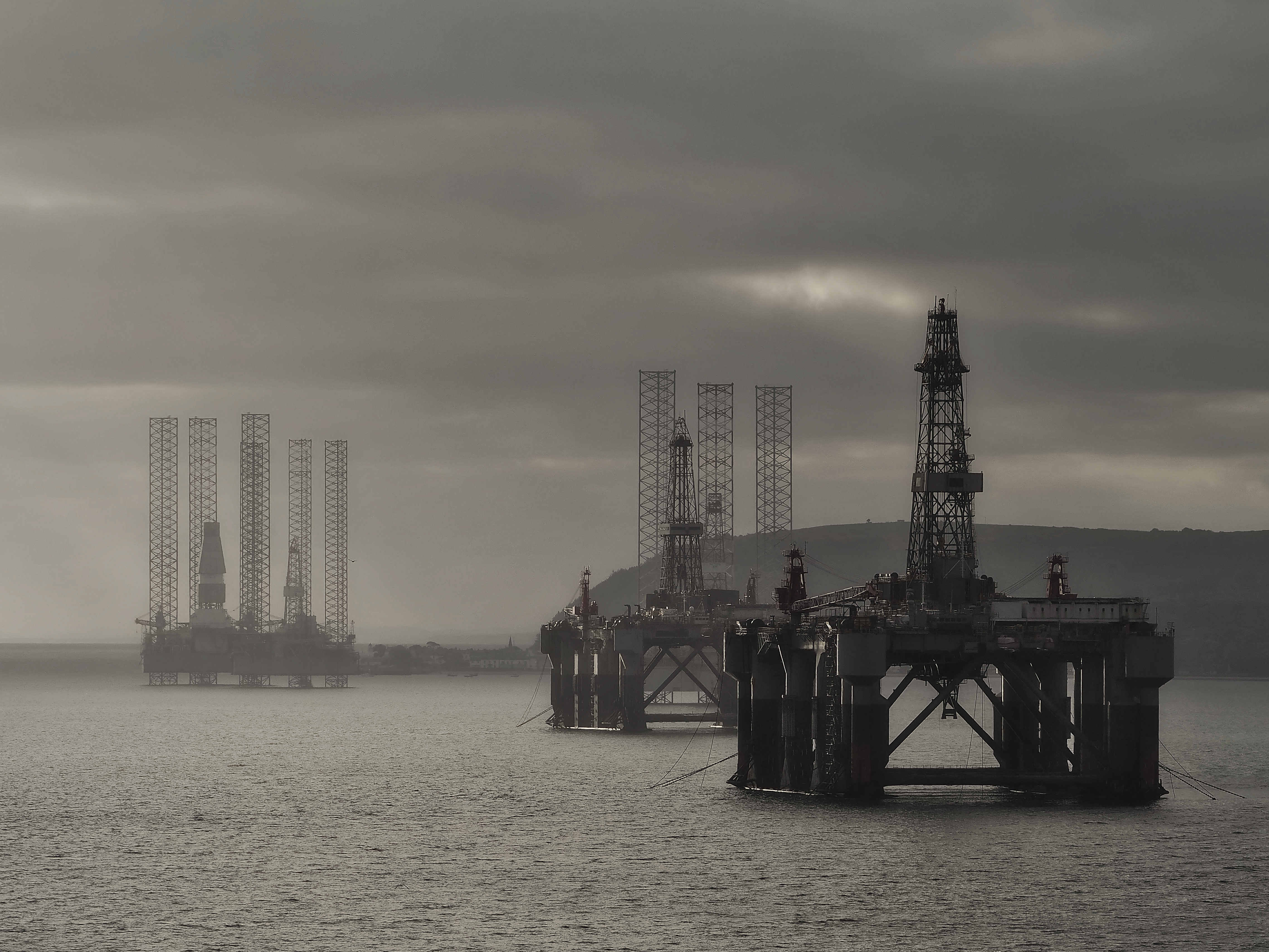
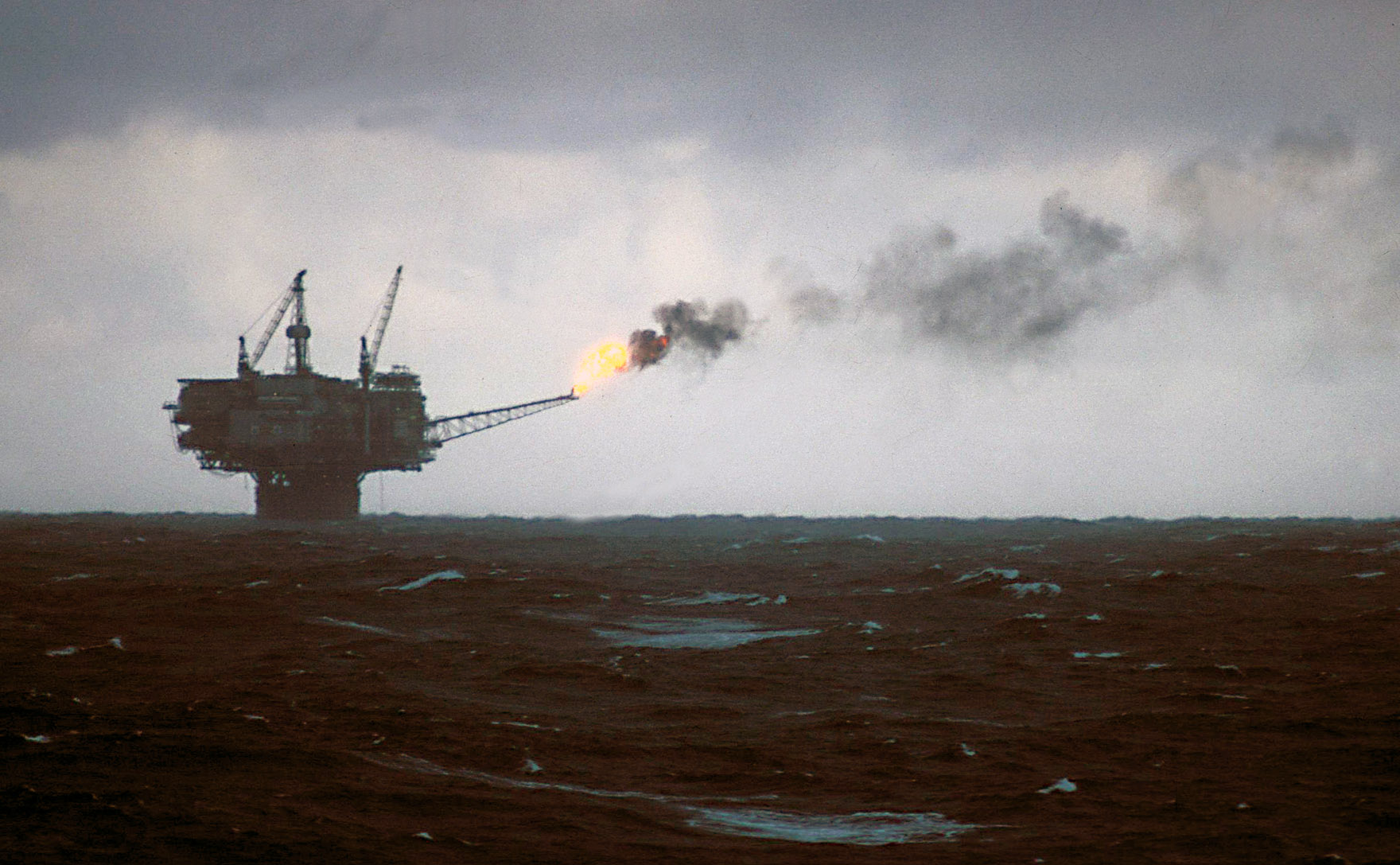
Jackdaw’s speed is the first thing to understand, because it explains the politics. This is not a field that needs years of construction before it matters: most of the necessary infrastructure is already in place, production could begin this winter, and the minister put first gas as early as the end of this month. The field, about 150 miles east of Aberdeen, was first approved by the previous Conservative government in 2022. Climate activists challenged that approval in court alongside the Rosebank oil and gas field, and a 2025 ruling barred the operators from extracting oil or gas until they received fresh government consent that takes into account the emissions from burning the fields’ hydrocarbons — the downstream, or Scope 3, emissions that the original assessments had left out. Wednesday’s approval is that fresh consent, given under the tougher test the court imposed.
Prime Minister Andy Burnham, who took office in July, framed the decision as cost-of-living pragmatism. “At a time when people are really struggling, it’s right that we look in a responsible way at maximising the existing energy reserves we have in Britain that could help,” he said. “Even on our ambitious climate path, we’ll still require oil and gas as part of our energy needs for decades to come. That’s why we’re taking a pragmatic approach to the North Sea.” Fahnbulleh, for her part, insisted the decision is compatible with the government’s legally binding climate commitments and that ministers remain resolute on ending new licences for oil and gas and reaching net zero by 2050 — the distinction the whole case now rests on: Jackdaw is presented not as a new licence, but as consent for an already-licensed field, judged under court-ordered rules.
Why this matters
Put the two honest numbers side by side, because the argument is really an argument about which one counts. The government’s number is 6 percent: Jackdaw lifts domestic gas production by around 6 percent at peak. The critics’ number, carried in The Guardian’s reporting, is 2 percent: the field will provide around 2 percent of UK gas demand for roughly 10 years. Both are true. They measure different things — a noticeable bump to a declining domestic production base, versus a small share of what the country actually burns. Tessa Khan, executive director of the climate campaign group Uplift, which helped bring the original legal challenge, put the critics’ case bluntly: Jackdaw “has been oversold and won’t stop the overall decline in North Sea jobs, as it will be largely unmanned and operated remotely.” A field that is largely unmanned cannot carry a jobs argument built on hundreds of protected posts for long — and a field supplying 2 percent of demand cannot, by itself, move the wholesale price that sets British energy bills, since that price is set in international markets.
And yet dismissing Jackdaw as trivial misses why the fight was so fierce. The real stakes are precedent and timing. Precedent, because this is the first major field consent given under the post-2025 rules that force ministers to weigh the emissions from burning the fuel, not just from extracting it — every future application, above all the much larger Rosebank field northwest of Shetland, whose decision is expected later and was pointedly not taken on Wednesday, will be argued in Jackdaw’s shadow. Timing, because the decision lands after a summer of record-breaking heat across Europe and amid a sharp rise in energy prices tied to the war in Iran — the same energy shock visible in oil prices at their highest since May. A government elected on a clean-power mission has decided that, this winter, molecules in the pipe beat purity in the manifesto. Whether voters read that as pragmatism or retreat will depend less on Jackdaw’s output than on what the £2 billion buys.
That fund is the government’s attempt to change the story from extraction to conversion. Chancellor John Healey’s Energy Wealth Fund will use tax revenues from North Sea oil and gas to back renewable and low-carbon projects, starting with an initial £2 billion, and ministers put Jackdaw’s wider value at an estimated £2.9 billion to the UK economy, with Scottish Secretary Douglas Alexander calling the approval a win for Scottish workers and for energy security. The model is recognisably Norwegian — Equinor’s home country turned oil revenues into a sovereign fund — at a far smaller scale and decades later. Supporters, including the industry voices who warned in recent weeks that blocking Jackdaw and Rosebank would make investors question whether Britain is investible at all, get a producing field and a signal that consents are still possible. Critics get a fund they will measure ruthlessly: if the £2 billion is genuinely additional clean investment, Jackdaw becomes the bridge ministers claim; if it is repackaged spending, it becomes the fig leaf campaigners allege.
Who gains, who loses — and the pressures behind the timing
The gainers are clear. Adura’s owners, Shell and Equinor, get a stranded, court-frozen asset flowing within weeks and a consent pathway their lawyers can cite for Rosebank. Aberdeen and the supply chain get work and a reprieve from a narrative of terminal decline. The government gets domestic gas it can point to during a price spike it did not cause — with the war in Iran pushing energy costs up, and US President Donald Trump having repeatedly urged Burnham to expand North Sea drilling to help lower prices, in the same transatlantic pressure dynamic visible throughout Burnham’s dealings with Washington. The losers, on the critics’ account, are the climate targets themselves: every new field locks in a decade of combustion emissions that the carbon budgets must then absorb somewhere else, and Greenpeace and Uplift, who won in court in 2025, have now watched the tougher process produce the same answer as the old one. Labour backbenchers who treated the no-new-fields pledge as a red line — a tension present since Burnham’s conference pitch of pragmatism — must decide whether the licensed-field distinction is a principle or a loophole.
The balanced reading holds both truths at once. Britain will burn gas for years whatever ministers decide about Jackdaw; importing that gas as LNG carries its own emissions and leaves supply exposed to exactly the kind of shock now running through world energy markets. Domestic production is not decarbonisation, but neither is import dependence a climate policy. What Wednesday does not settle — and what no single consent can — is the pace question: whether a field that supplies 2 percent of demand for a decade is a bridge that buys time for the transition, or a precedent that makes the next, larger bridge easier to build than the transition itself. Rosebank, several times Jackdaw’s size, is where that question stops being rhetorical.
What happens next
Three things to watch. First, first gas: if Jackdaw really flows by the end of the month, ministers will claim vindication on energy security before winter demand peaks — and any slippage will be seized on by both flanks. Second, a possible legal sequel: campaigners who forced the 2025 rethink will read the new consent’s emissions reasoning line by line, and a fresh challenge would test whether the court-ordered process was satisfied or merely performed. Third, Rosebank. The energy minister said last week its decision will take a little longer, and Ithaca Energy, which holds 20 percent of Rosebank, has warned it may halt further UK investment without approval. Jackdaw was the easier yes — smaller, licensed, infrastructure in place. Approving it while deferring Rosebank lets the government bank the pragmatism headline now and fight the bigger battle later, on ground Jackdaw has just mapped: count the burning, fund the transition, and call it compatible. Whether that formula survives Rosebank is the real story Wednesday started.
Sources
Reuters (October 21, 2026), “UK approves long-delayed Jackdaw gas field” — reporting by Sarah Young and Kate Holton, with additional reporting by William James and Shadia Nasralla: Wednesday approval; Fahnbulleh on first gas from as early as the end of this month, the £2 billion Energy Wealth Fund downpayment, around 6 percent higher domestic gas production at peak, an up-to-11-year lifespan and hundreds of jobs protected; Burnham’s “pragmatic approach” quotes; Adura (Shell–Equinor) as operator and up to 40,000 barrels of oil equivalent per day at peak; the 2022 Conservative approval, the activists’ legal challenge and the 2025 ruling requiring fresh consent accounting for emissions from burning the fuel; Trump’s repeated urging to expand North Sea drilling. The Guardian (October 21, 2026), via its reporting summarised in syndication: Jackdaw about 150 miles east of Aberdeen, around 2 percent of UK gas demand for roughly 10 years and 6 percent of North Sea gas production at full operation, announcement by Fahnbulleh and Chancellor John Healey in Aberdeen, Rosebank decision expected later, and Uplift executive director Tessa Khan’s criticism. Government figures as reported (October 21, 2026): the Energy Wealth Fund’s £2 billion initial investment, an estimated £2.9 billion value to the UK economy, Fahnbulleh’s statement that the decision is compatible with legally binding climate commitments and the 2050 net zero target while ending new licences, and Scottish Secretary Douglas Alexander’s energy-security comments. Reuters (October 14 and October 19, 2026): energy minister Miatta Fahnbulleh on an imminent Jackdaw decision and a longer timetable for Rosebank; Ithaca Energy chair Yaniv Friedman, via the Financial Times, on halting further UK investment without Rosebank approval.