$110 oil / The diesel deal was supposed to fix this — prices just hit a five-month high
Track it live: Live oil price tracker and forecast
One day's jump can be noise. A week like this one is harder to dismiss. Brent gained 4.9 percent over the week and WTI gained 10.4 percent — an unusually large gap that suggests the squeeze is felt most sharply at the delivery points American refiners, truckers and airlines actually buy. Friday's close also completed a round trip few predicted in the summer: Brent traded above $120 in late April, after American and Israeli strikes on Iran, fell below $80 during the June and July ceasefire period, and has now climbed back over $100, leaving crude up roughly 70 to 75 percent for the year to date.
Why oil prices spiked this week: Hormuz, Saudi risk and escalation fears
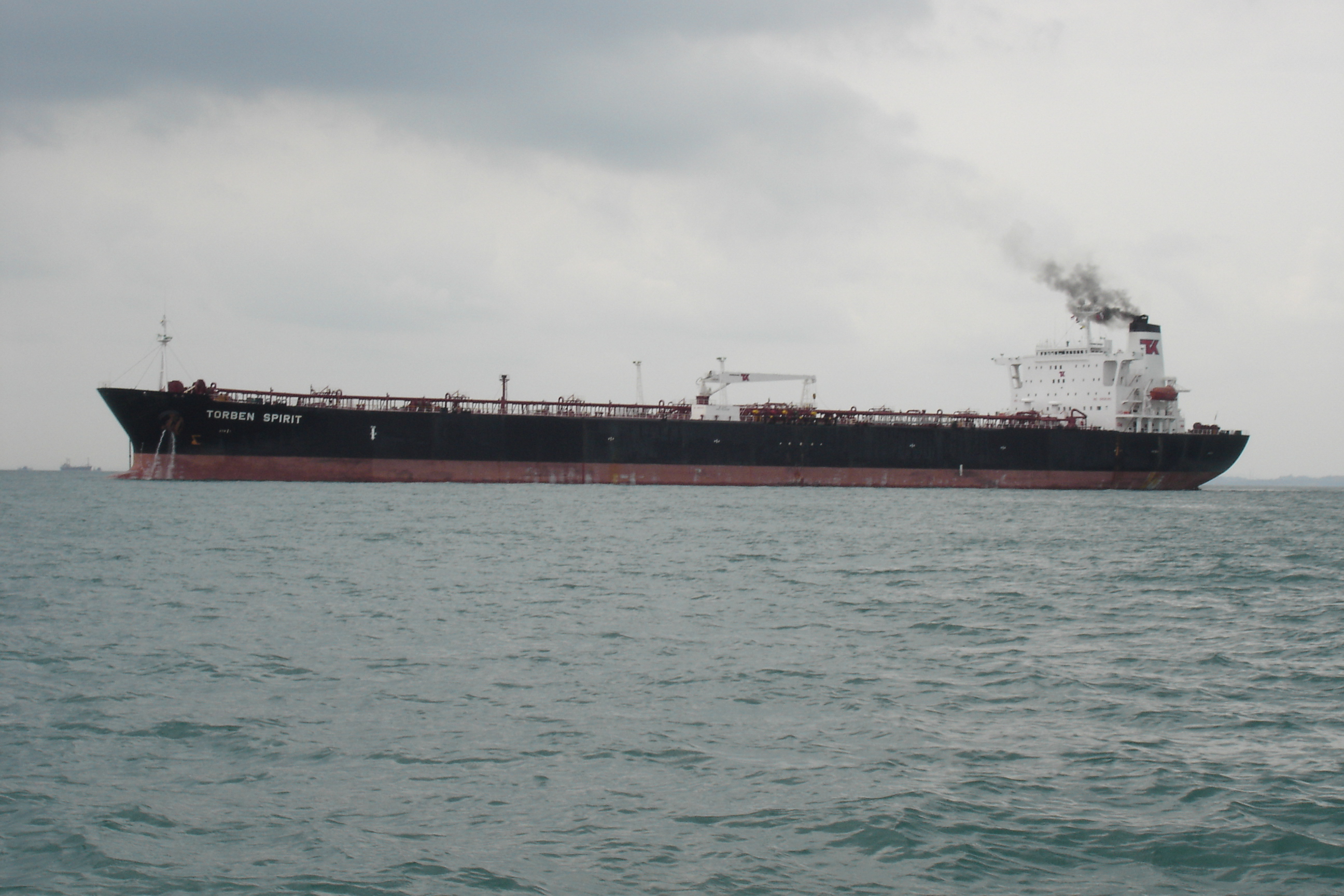
Traders pointed to a familiar cluster of drivers, and to one newer one. The familiar cluster is the Middle East: renewed escalation fears, reports — some of them unverified — of risk to Saudi energy infrastructure, and the standing vulnerability of shipping through the Strait of Hormuz, the narrow waterway that carries roughly a fifth of the world's petroleum liquids in normal times. None of those reports, on its own, removes a single barrel from the market today. What they remove is certainty about next month's barrels, and oil is priced on exactly that kind of uncertainty. The newer driver is diesel, and it connects the price spike directly to diplomacy. The diesel arrangement promoted by President Donald Trump, supported by a waiver under the Graham Act framework, rested on a simple promise: Russian diesel would help fill the gap and take pressure off prices. This week, traders openly questioned how much diesel Russia can actually deliver — and at the same moment, Ukraine's strikes on Russian refineries resumed, the same campaign examined in our report on Kyiv's refinery decision. A refinery under drone attack produces less diesel whatever its government has promised to export, which is why the market treated the deal's arithmetic with growing scepticism.
Gas prices today: $4.33 gasoline, $6.32 diesel — and a $135 billion bill
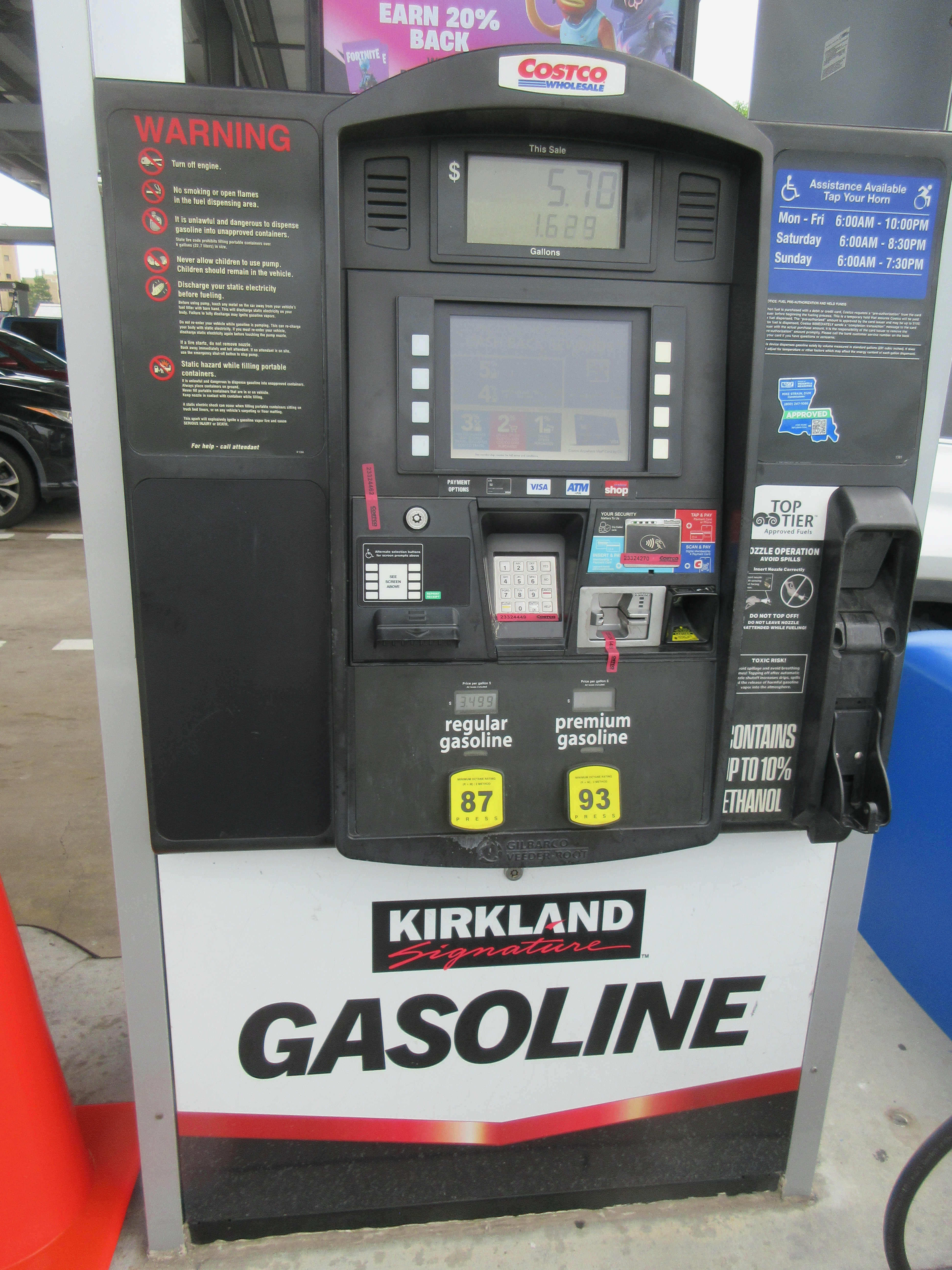
For American households, the benchmark numbers translate quickly. AAA put the national average for regular gasoline at about $4.3344 a gallon on Friday, and diesel at about $6.3173 a gallon — diesel nearly $2.67 a gallon higher than a year ago. Diesel is the quieter and, for the wider economy, the more dangerous number: it moves freight, farm equipment and construction machinery, so its price is embedded in the cost of almost everything on a shelf. Patrick De Haan of GasBuddy calculated this week that Americans have spent $135 billion more on gasoline and diesel combined since March 1 than they spent in the same period last year. Put that figure in proportion: $135 billion over roughly seven and a half months is on the order of half a percent of annual United States consumer spending, redirected from everything else households buy into fuel. It is also unevenly distributed — it falls hardest on rural drivers, commuters without transit alternatives, independent truckers and small delivery businesses, and lightest on higher-income households for whom fuel is a small share of the budget. That distribution is why pump prices carry a political weight out of proportion to their share of the inflation basket.
IEA release and SPR exchange: Washington reaches for the reserves
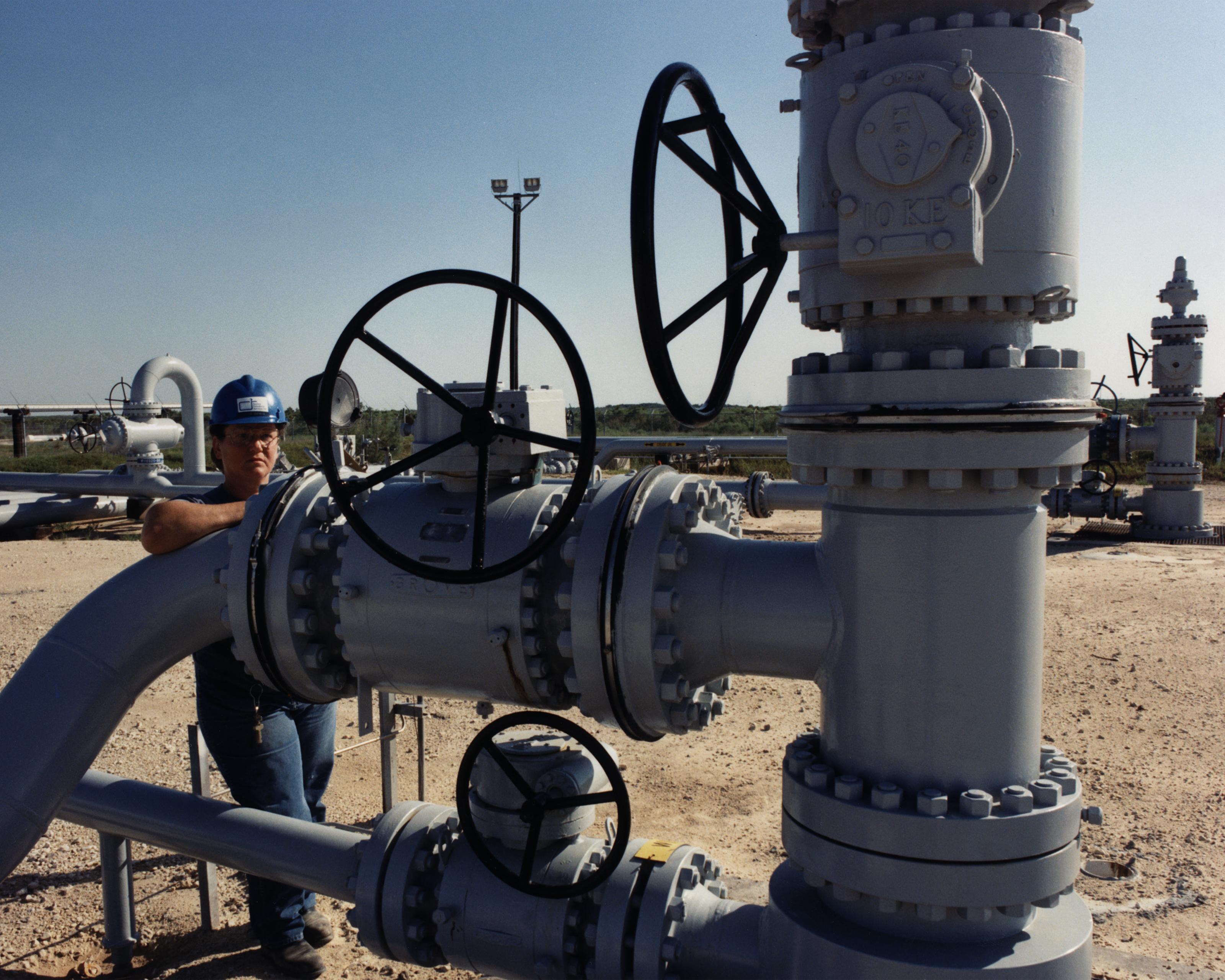
Governments responded with the tools they keep for exactly this moment. On Thursday, the International Energy Agency approved the release of more than 20 million barrels from member stocks. On Friday, the United States Department of Energy went a step further and sought bids to exchange up to 17 million barrels from the Strategic Petroleum Reserve — an exchange structure, in which oil is lent and later returned with a premium, rather than a straight sale. The scale deserves context, the same context applied when the reserve strategy was debated in our report on thinning global oil stockpiles. The United States consumes roughly 20 million barrels of petroleum a day, so 17 million barrels is less than a single day of national demand; the IEA's 20 million is of a similar order against world demand of more than 100 million barrels a day. Reserve releases do not work by replacing supply — they work as a signal and a bridge, capping the panic premium while buyers rearrange cargoes. Their limit is equally clear: a bridge only helps if the far side arrives, and nothing in this week's news guarantees that diesel cargoes, Hormuz transits or refinery repairs will be running normally by the time the bridge ends.
Both sides of the $110 oil argument
The bullish case, made by traders who bought this week's rally, is that the risks are real and compounding: Hormuz shipping can be interrupted faster than it can be rerouted, Saudi infrastructure headlines keep recurring, Ukrainian strikes are structurally reducing Russian refining capacity, and inventories were already thin before this week began. On that view, $110 is not a spike but a repricing. The sceptical case is that no major supply source has actually stopped flowing: some Saudi infrastructure reports remain unverified, tankers are still moving, reserve releases are adding prompt supply, and $110 oil historically destroys some of its own demand — drivers cut trips and airlines trim schedules. Both cases can be partly right at once: prices can be justified by the risk and still overshoot on any given Friday. What neither side disputes is the data — a year-to-date rise of roughly 70 to 75 percent, a weekly WTI gain above 10 percent, and diesel nearly $2.67 above last year are facts, not positioning.
Why this matters
This matters on three clocks at once. The first is the household clock, and it is already ticking: a $135 billion cumulative extra fuel bill is a tax no legislature voted on, collected at the pump, and it lands in the same autumn when families price heating, holidays and school-year costs. The second clock is monetary. The Federal Reserve is already managing inflation that ran at 3.7 percent in September; an energy shock pushes headline inflation up mechanically and, if it persists, risks feeding the expectations the Fed exists to anchor. Energy-driven inflation is the hardest kind for a central bank: raising rates does not produce diesel, but ignoring a broadening price shock has its own record of failure, as the 1970s taught. The third clock is political, and it is the shortest. The midterm elections fall on November 3, less than three weeks after Friday's close, and gasoline is the single price every voter sees, in numbers a metre high, several times a week. Incumbents rarely control that price, and are routinely judged on it anyway — which is why reserve releases, diesel deals and public pressure on Kyiv over refinery strikes all belong to the same story as the benchmark settles. The winners from $110 oil are equally concrete: oil producers and energy shareholders, governments of exporting states, and holders of inventory bought at summer prices. The losers are airlines, trucking and logistics firms, chemical makers, oil-importing economies across Asia and Europe, and — in the first instance, before any policy response — the American driver paying $4.33.
What happens next
Four tests will decide whether $110 was a headline or a level. First, verification: whether the reported risks to Saudi infrastructure are confirmed, denied or quietly dropped will move Monday's opening more than any forecast. Second, the diesel test: actual Russian diesel deliveries under the arrangement, measured in cargoes rather than statements, against the refinery damage Ukraine is still inflicting. Third, Hormuz: tanker transits and insurance rates through the strait are the earliest honest indicators of whether shipping risk is rising or merely being discussed. Fourth, the reserves: how much of the IEA's 20 million barrels and the SPR's 17 million is actually taken up, and whether prices fall while the releases flow or simply pause. If Brent holds above $105 into next week while those tests go the wrong way, the conversation shifts from a spike to a regime — and, as the week's market turmoil showed in our review of Wall Street's split week, energy is no longer the only price American households and investors are watching.
Sources: Reuters reporting via Press Release Network, Oct. 17, 2026 (Brent and WTI settlements, weekly gains, IEA and SPR actions, AAA prices); FANA, Oct. 2026 (Middle East supply concerns); Benzinga via TradingView, Oct. 2026 (GasBuddy's Patrick De Haan and the $135 billion cumulative fuel-cost estimate). Related on Signal Post News: Zelenskyy resumes refinery strikes · Aramco CEO warns stockpiles are thin.