War / Ukraine
Twenty-seven Ugandans who enlisted to fight for Russia's army in Ukraine have been killed or are presumed dead — 11 of them confirmed dead and 16 whose bodies could not be located anywhere, including among prisoners of war — according to a letter from Uganda's embassy in Moscow to the foreign ministry in Kampala that was seen by Reuters on Thursday.
Track it live: https://signalpostnews.com/tracker/ukraine-war-map
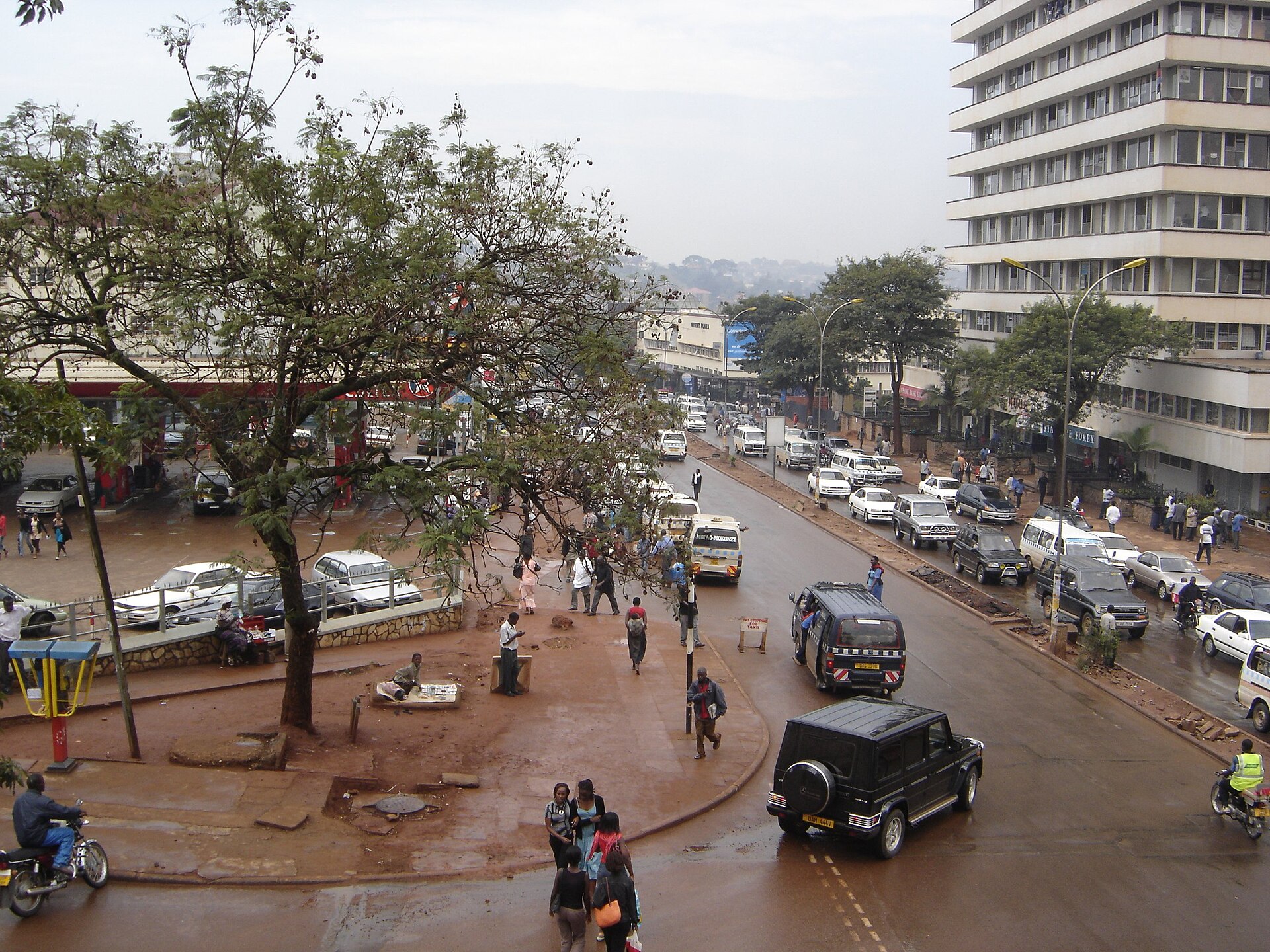
Uganda has counted its dead in a war it is not fighting. Twenty-seven Ugandan citizens who enlisted to fight for Russia's army in Ukraine have been killed or are presumed dead, according to a letter from Uganda's embassy in Moscow to Uganda's foreign ministry that Reuters saw on Thursday, October 29. The letter named 11 Ugandans confirmed dead and 16 more whose bodies could not be located anywhere — including among prisoners of war — Reuters reported from Kampala, in reporting by Elias Biryabarema with additional reporting by George Obulutsa.
The information reached the embassy from Russia's foreign ministry in a note verbale — the formal diplomatic note through which governments pass official information to one another — and the embassy relayed it onward to Kampala, according to Reuters. A Ugandan foreign ministry official confirmed the letter's authenticity to Reuters. Russia's embassy in Kampala did not immediately respond to a request for comment, Reuters said.
What Kampala's letter says — and what it does not say
On the account Reuters published, the letter does three things. It puts a single official number — 27 — on Ugandan losses in Russia's war in Ukraine. It divides that number precisely: 11 men confirmed dead, and 16 unaccounted for and treated by Kampala as presumed dead because their bodies could not be located anywhere, including among prisoners of war. And it establishes the channel: the names and the count reached Uganda's diplomats from Russia's foreign ministry, formally, in writing.
What the letter does not do, on the reporting available, matters just as much. Reuters published no names of the 27, no units they served in, no battle locations and no dates of death — none of that was in the account the news agency reported. The letter, as described, also says nothing about how each man travelled to Russia, who recruited him, or what he was promised. And the phrase "presumed dead" is an administrative conclusion, not a confirmed fact about any individual among the 16: it records that a search — of the dead, and of prisoner-of-war rolls — found no trace of them. For families, that distinction is the difference between a death certificate and an open file.
Nor does the letter answer the largest question it raises: how many Ugandans are serving with Russian forces in Ukraine in total. A count of the dead and missing, passed through a foreign ministry, is a floor for losses — it can only include the cases Moscow has identified and chosen to notify. It says nothing, by itself, about the living.
How Africans end up on Ukraine's front lines
The Ugandan letter lands on a pattern that has been building across the continent. Reports of African men lured to Russia with promises of jobs and ending up on Ukraine's front lines have become frequent, triggering public anger in Kenya, Ghana and South Africa, according to Reuters. The routes described in those reports typically begin with an offer of civilian work — security, construction, factory or warehouse jobs — and end, after travel to Russia, with a military contract and deployment to Ukraine.
Ukraine said last year that more than 1,400 citizens from three dozen African countries were fighting alongside Russian forces in Ukraine, and that some had been recruited through deception — a claim made by Kyiv, which has an obvious interest in how Russia's recruitment is portrayed. Russian authorities, for their part, have denied illegally recruiting African citizens — Moscow's position, stated in response to the accumulating reports.
Between those two wartime claims sits an independent finding. The UN Independent International Commission of Inquiry on Ukraine, in a report dated October 19, 2026, found that Russian authorities worked with agents to traffic foreign nationals into fighting in Ukraine through false job offers and forced military contracts, and documented evidence of deception and coercion involving 29 countries — including Uganda. The commission's finding is about the pattern of recruitment, not about any individual Ugandan case, and it does not by itself verify Kampala's figure of 27. But it means the Ugandan letter is not an isolated anomaly: it is one government's count arriving inside a recruitment system that UN investigators say they have already documented across dozens of countries.
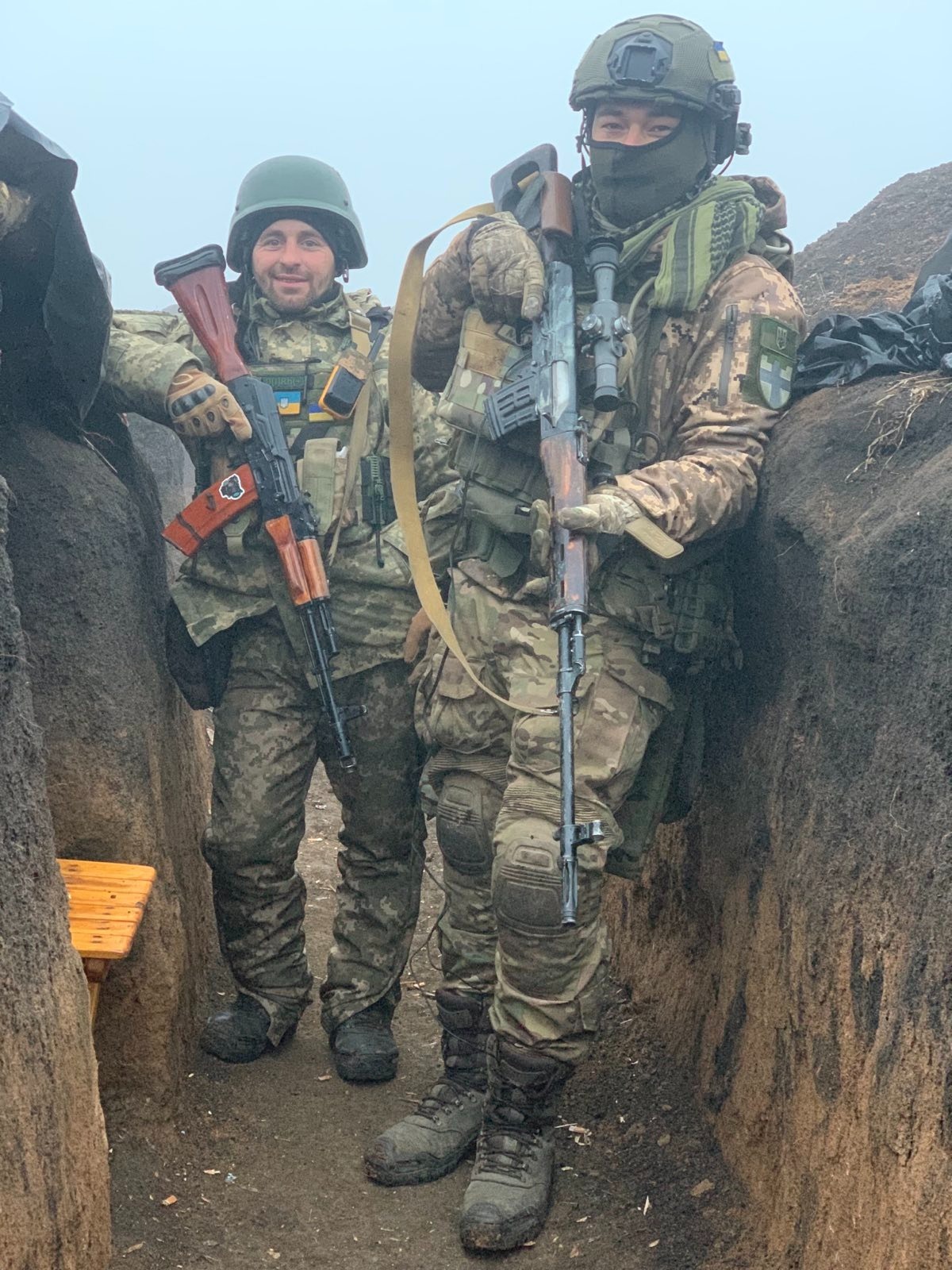
An investigation by Journalists for Justice, published by MakanDay, traced the same pipeline from the other end — through recruiters, travel routes and the families of men who did not come home. Its documented figures are set out in the next section. Taken together, the three sources describe one system from three angles: governments counting their citizens, investigators documenting the recruitment machinery, and the two belligerents disputing how to characterise it.
The numbers in context
Four figures now circulate in this story, and they do not measure the same thing. Kampala's letter counts 27 Ugandans dead or presumed dead — 11 confirmed, 16 unaccounted for — notified through official channels and confirmed as authentic by a Ugandan foreign ministry official, per Reuters. The Journalists for Justice investigation documented 3,066 African recruits from 40 countries, with 502 confirmed dead by the end of June 2026, including 108 documented Ugandan recruits — the investigation's own figures, built from case documentation rather than government notification. Ukraine's claim, made last year, was of more than 1,400 citizens of three dozen African countries fighting alongside Russian forces — a count of the living in uniform, not of the dead. And the UN commission's 29 countries is a count of states touched by documented deception or coercion, not of people at all.
The limits follow from the methods. The investigators' 108 documented Ugandan recruits and Kampala's 27 dead or presumed dead cannot be divided into a death rate: the first is a documented minimum of recruits found by researchers up to mid-2026, the second is an official notification of losses at October 2026, and neither claims to be a complete census. Both could undercount — researchers cannot find men no one reported missing, and an embassy can only relay what a foreign ministry sends it. What the figures establish together is narrower and still significant: Ugandans were recruited in at least the low hundreds on the investigators' documentation, some substantial number of them are now dead or missing on Kampala's own official count, and Uganda is among the 29 countries in the UN commission's recruitment findings.
Why this matters
Uganda is not a belligerent in this war. It has no troops deployed by government decision, no alliance obligation to either side, and no vote in how the war is fought. Yet it now has a casualty list — delivered not by its own army but by a diplomatic note from the foreign ministry of the country its citizens died fighting for. That inversion is the story's core: the costs of Russia's recruitment drive are landing, one embassy letter at a time, on states that never chose to pay them.
The practical burden falls first on Kampala's machinery of consolation. For the 11 confirmed dead, there will be identification and repatriation processes to negotiate with Moscow. For the 16 unaccounted for, there is not even a body to bring home — only a presumption, and families suspended between hope and mourning without the legal or emotional closure a confirmed death provides. Every African government with citizens in Russian uniform faces the same arithmetic in waiting; Uganda is simply the one whose number has now been written down and confirmed.
The diplomatic bind is real in both directions. Uganda maintains a working relationship with Russia, as do many African states that have declined to align against Moscow since 2022. Pressing Russia publicly over how its citizens were recruited — and over the UN commission's trafficking findings — risks that relationship. Staying quiet, after confirming a letter that counts 27 dead, carries its own domestic cost, and the anger Reuters describes in Kenya, Ghana and South Africa shows how quickly recruitment stories become political ones. Kampala's handling of this letter — confirmed to a news agency, with no public accusation attached in the reporting — threads that needle for now. It may not hold if the count rises or if families begin speaking publicly.
There is also pressure by example. An official count from one government invites the obvious question of every other: how many of yours? Governments that have so far treated recruitment reports as rumour now face a documented precedent — a peer state, an embassy channel, a number. And underneath the diplomacy sits the economics that UN investigators and journalists keep documenting: offers that begin as jobs, in countries where a promised foreign wage can outweigh years of local earnings, will keep finding takers until the offers themselves are policed. A letter counting the dead addresses the end of that pipeline. Nothing in it, yet, addresses the beginning.
Context and background
Foreign nationals have fought on both sides of the Ukraine war since 2022, but the African recruitment story has a distinct shape: it runs through civilian job markets rather than military alliances, and it has grown as Russia's manpower demands have deepened. African governments have mostly kept a formal distance from the war itself — many abstaining or declining to condemn Moscow in international forums — which makes the appearance of their citizens in Russian ranks, and now in Russian casualty notifications, a politically awkward discovery rather than a policy outcome.
The commission’s wider findings — on the trafficking of foreign nationals into the war and on Russia’s campaign against Ukraine’s energy system — are reported in full in UN Commission: Russia’s Winter Attacks on Ukraine’s Power Grid Are War Crimes and Crimes Against Humanity.
The disclosure landed on another heavy day in the fighting. Overnight, Russia said its air defences downed most of 613 drones sent toward Moscow as three of the capital's airports restricted flights and a Russian strike damaged an educational institution in Kharkiv — the exchange of deep strikes that now defines the war's rhythm, reported in Ukraine Sends 613 Drones Toward Moscow, Russia Says, as Airports Shut and Kharkiv School Is Hit. The front itself can be followed on the Ukraine war map — live tracker. The Ugandan letter is a reminder that the war's manpower — and its losses — now reach far beyond the two countries fighting it.
What is confirmed, and what is not
Confirmed
- A letter from Uganda's embassy in Moscow to Uganda's foreign ministry reports 27 Ugandans killed or presumed dead after enlisting to fight for Russia in Ukraine; a Ugandan foreign ministry official confirmed the letter's authenticity to Reuters.
- The letter's split, as reported by Reuters: 11 named as confirmed dead; 16 whose bodies could not be located anywhere, including among prisoners of war.
- The information reached the embassy from Russia's foreign ministry through a note verbale, according to Reuters.
- The UN Independent International Commission of Inquiry on Ukraine reported on October 19, 2026 that Russian authorities worked with agents to traffic foreign nationals into fighting in Ukraine with false job offers and forced military contracts, with deception or coercion evidence involving 29 countries including Uganda.
Not confirmed
- The names of the 27, the units they served in, and where or when any of them died — none was reported by Reuters, and none should be assumed.
- How each of the 27 was recruited. The UN and investigators' findings describe a general pattern; no finding cited here adjudicates any individual Ugandan case.
- The total number of Ugandans serving with Russian forces in Ukraine. Kampala's letter counts notified dead and missing only.
- Russia's response to this disclosure. Russia's embassy in Kampala did not immediately respond to Reuters' request for comment, and Russian authorities' standing position — that they deny illegally recruiting African citizens — predates the letter.
- Ukraine's figure of more than 1,400 African citizens fighting alongside Russian forces remains Kyiv's claim, made last year, and has not been independently verified as a total.
What happens next
Three developments will decide whether this story closes or widens. The first is Kampala's own next step: whether the foreign ministry makes a public statement, whether the names of the 27 are released once families are notified, and whether repatriation of the 11 confirmed dead is arranged — each a test of how hard Uganda intends to press. The second is Moscow's reply: Russia's embassy in Kampala had not responded at the time Reuters published, and any Russian account of the 27 — how they enlisted, and under what terms — will either support or collide with the UN commission's trafficking findings. The third is contagion: whether other African governments, pressed by the anger Reuters reports in Kenya, Ghana and South Africa and by the precedent of an official count, begin publishing numbers of their own. If they do, the story stops being about 27 Ugandans and becomes a continental accounting of a recruitment system — one that, on the investigators' figures, has already drawn in more than 3,000 Africans. If they do not, Uganda's letter stands as the rare exception: a government that counted, in writing, what the war has cost its citizens.
Sources: Reuters, Kampala, October 29, 2026 (reporting by Elias Biryabarema, additional reporting by George Obulutsa: the embassy letter, the 11 confirmed dead and 16 unaccounted for, the note verbale, the authenticity confirmation, and the absence of an immediate response from Russia's embassy in Kampala; context on African recruitment reports and public anger in Kenya, Ghana and South Africa; Ukraine's claim of more than 1,400 African citizens fighting alongside Russian forces; Russian authorities' denial of illegal recruitment); UN Independent International Commission of Inquiry on Ukraine, report dated October 19, 2026 (trafficking of foreign nationals through false job offers and forced military contracts; 29 countries including Uganda); Journalists for Justice investigation, published by MakanDay (3,066 documented African recruits from 40 countries; 502 confirmed dead by the end of June 2026; 108 documented Ugandan recruits). Figures are as attributed to each source; the 27 is Kampala's count of 11 confirmed dead plus 16 unaccounted for and presumed dead, not 27 confirmed deaths.