Politics / Trade — Trump wind turbine tariffs were widely expected after a year-long national security probe. Instead, the president signed a proclamation on October 22 that agrees imported turbines threaten national security, imposes no new tariffs today, and gives negotiators 180 days to strike deals — after which he reserves the right to act anyway.
President Donald Trump agreed on Thursday, October 22, with his Commerce Secretary's finding that wind turbines and their parts are being imported into the United States "under such circumstances as to threaten to impair the national security" — and then declined, for now, to tax them. The proclamation, titled "Adjusting Imports of Wind Turbines and Their Parts and Components into the United States" and published by the White House, directs Commerce Secretary Howard Lutnick and US Trade Representative Jamieson Greer to jointly pursue negotiations with trading partners and to update the president on their progress within 180 days. Trump wind turbine tariffs remain explicitly on the table: the document warns that if no agreement is reached in that window, or an agreement "is not being carried out or is ineffective," he may take other actions to adjust imports.
Track it live: Markets — live global tracker
What the proclamation actually does
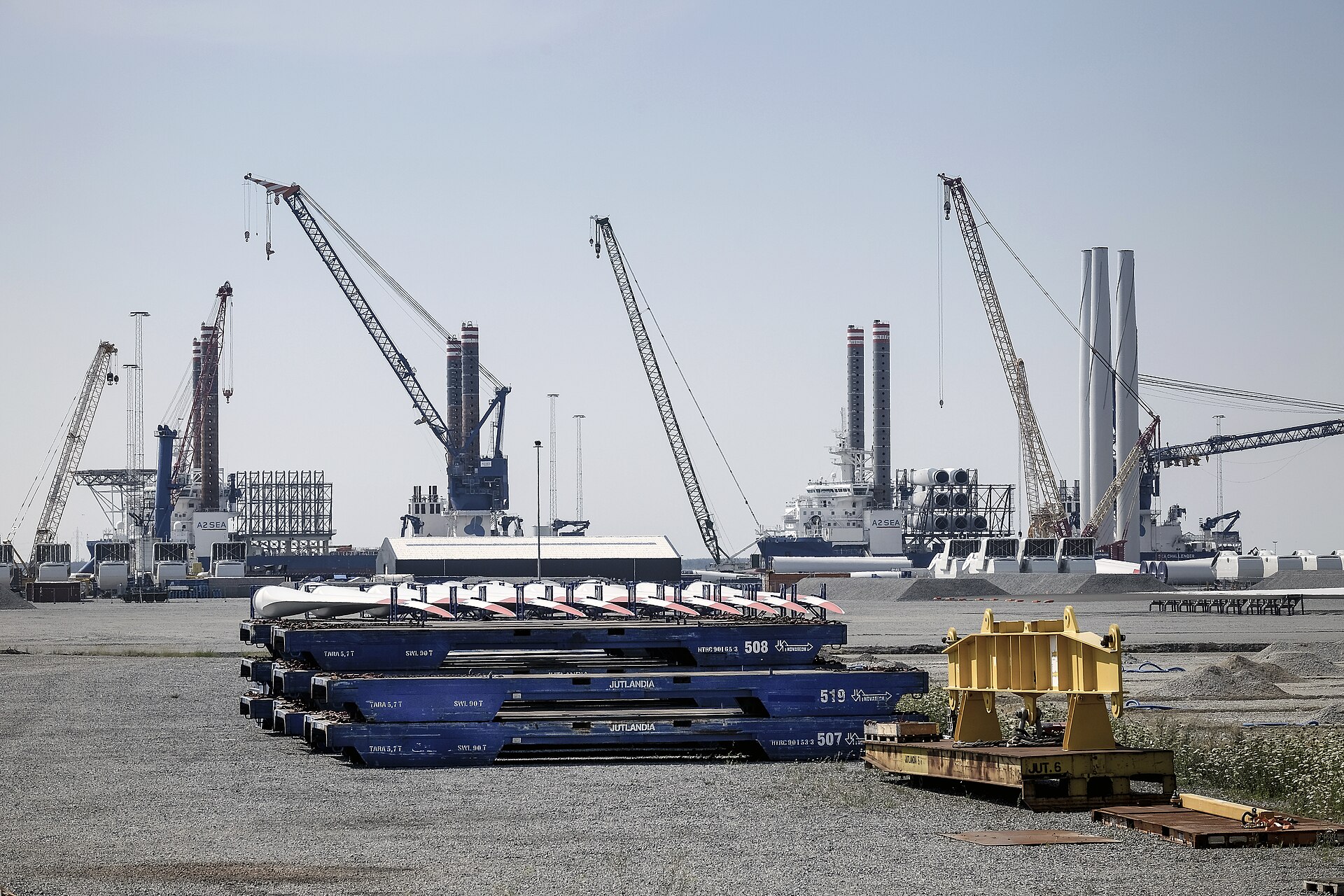
The mechanics matter more than the headline. First, Trump formally concurred with the Section 232 finding — the legal trigger, under the Trade Expansion Act of 1962, that unlocks presidential power to restrict imports on national security grounds. That concurrence does not expire with the news cycle; it stays loaded. Second, the remedy he chose today is negotiation, not duties: Lutnick and Greer are to "jointly pursue negotiation of agreements or continue any current negotiations" with any partner they deem appropriate, and at least one progress update is due within 180 days — a deadline that lands in late April 2027. Third, the Commerce Department will keep monitoring turbine imports and flag any circumstances that, in the Secretary's opinion, might require further presidential action. Fourth — and this is the part importers should not skim — the proclamation expressly does not modify the existing Section 232 tariffs on steel (Proclamation 9705), aluminum (Proclamation 9704) and copper (Proclamation 10962). Turbine components heavy in those metals are already taxed under those orders, and they still are tonight.
Reuters, reporting from Washington, summarised the order the same way: no new tariffs, negotiations directed, an update due within 180 days, and other remedies possible depending on the outcome. Bloomberg Law reached the same conclusion in blunter language, reporting that Trump "will hold off on imposing tariffs on wind turbines and their components on national security grounds" while talks run. Two independent newsrooms and the primary document agree on the core facts — which is precisely why the interesting question is not what happened, but why a president who rarely passes up a tariff chose to bank this one.
The security case written into the document
The proclamation's findings go well beyond trade balances, and they read like three separate arguments fused into one. The first is a grid argument: the Secretary found wind energy "unreliable and intermittent," arguing that its unpredictability forces grid operators to keep fast-ramping fossil-fuel backup running, raising costs and maintenance burdens, and that resources spent supporting wind could instead strengthen "more reliable" sources. The second is a cyber argument, and it is the most specific in the document: modern networked inverters — the equipment that converts turbine output into grid-ready power — are mostly produced abroad, and the Secretary found they are "an exploitable vulnerability" that could allow remote access to US power systems, up to remote control of generation and sabotage of facilities. The third is a radar argument: rotating blades create "clutter" that can obscure real targets, generate false ones, and degrade air traffic control, weather forecasting, homeland security and military radar. Underneath all three sits a supply-chain finding: imports of turbine components and subcomponents have risen over the last decade while domestic manufacturing capacity for products such as blades "has not meaningfully increased."
How we got here: a probe launched in August 2025
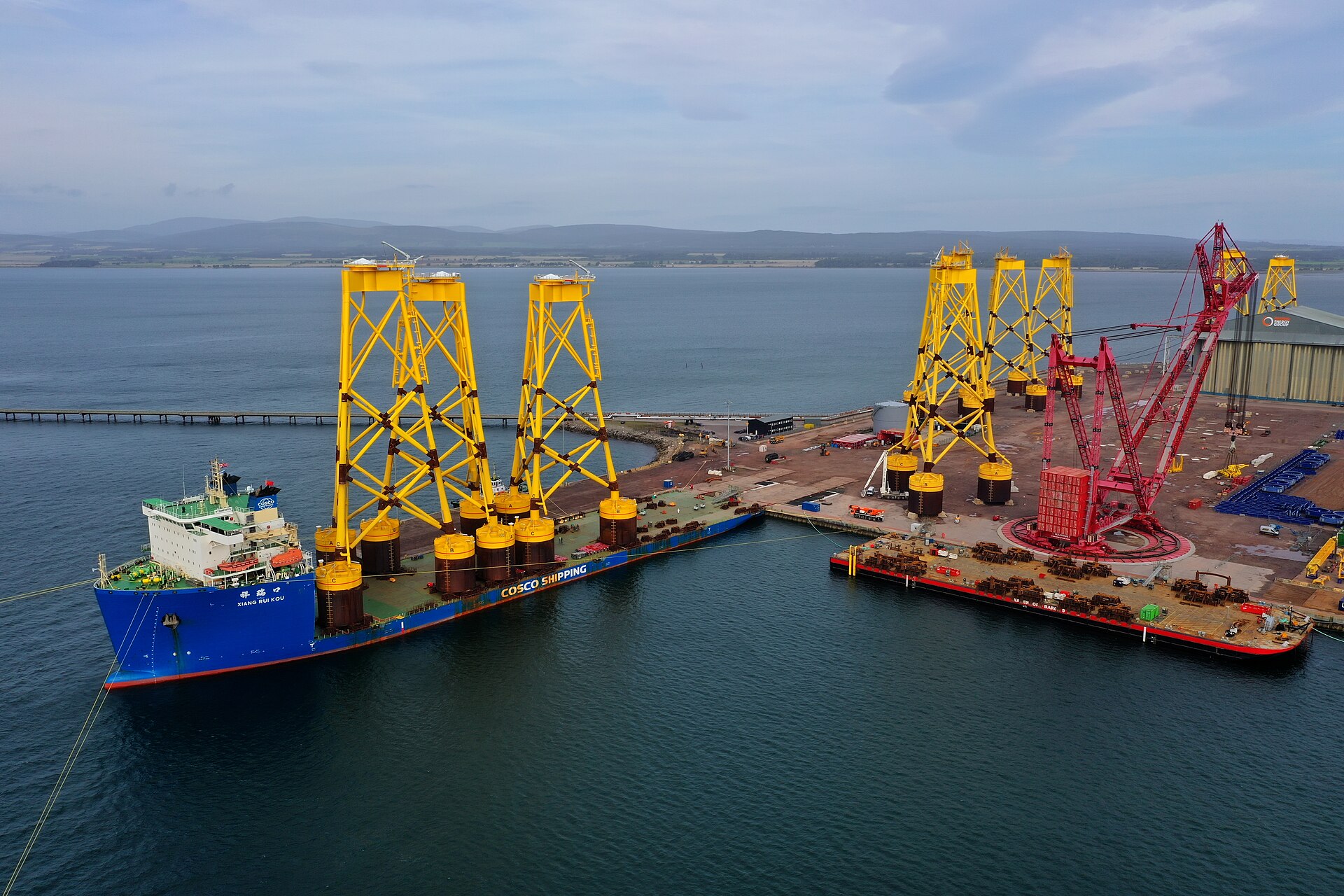
This decision has been fourteen months in the making. The Commerce Department's Bureau of Industry and Security initiated the Section 232 investigation on August 13, 2025 — announced publicly on August 21, 2025 — asking for comment on everything from projected US demand and domestic capacity to foreign subsidies, predatory pricing, export-restriction risks and the feasibility of rebuilding American production. Days before the announcement, Commerce had already expanded the steel and aluminum Section 232 tariffs to hundreds of derivative products, including wind turbine components, at rates of up to 50 percent on their metal content. The probe landed in the middle of a broader administration offensive against wind: permitting for wind projects on federal lands and waters was paused, new offshore lease sales were halted, and the president was publicly vowing not to approve wind and solar projects he said destroy farmland and raise energy prices. Analysts at the time treated tariffs as the probe's likely destination — the research firm Capstone called it, in a note reported by Bloomberg, "an attempt to further hamper wind build out," and warned the sector was "significantly exposed to tariff risk."
The import numbers explain both the administration's leverage and the industry's anxiety. According to American Action Forum figures cited by the Institute for Energy Research, the United States imported about $1.8 billion worth of wind turbines and parts in 2024, mainly from Mexico, France, India, Denmark and Germany, which together supplied 83 percent of those imports. By June 2025 imports had already reached almost $1.4 billion — up 97 percent on the same period a year earlier — a surge AAF attributed in part to companies front-running an expected tariff. The weighted average tariff on wind imports between 2015 and 2024 was just 2.2 percent; by June 2025, layered universal and emergency tariffs had pushed it to 9.3 percent, costing importers $87 million in the first half of that year alone. AAF calculated that applying the 50 percent steel-and-aluminum-style rate to turbines could add roughly $385 million in costs. In other words, the industry has already been paying more at the border for over a year — today's proclamation decides whether the bill stops there or multiplies.
Why this matters
Start with the pattern, because the pattern is the story. Again and again in this administration, a tariff announced as imminent has turned into a deadline, and the deadline has turned into a negotiation in which access to the US market is the currency. Today's proclamation is that playbook in its purest legal form: the threat finding is permanent, the punishment is postponed, and the clock — 180 days — is the product. Denmark and Germany are not incidental names here; they are home to the turbine giants whose components fill American projects, and both sit inside a European Union that now has one more file to negotiate with Washington, alongside steel, aluminum and everything else. Mexico, the single largest source in several component categories, gets the same conversation through a different door.
There is also a legal-strategy reading that trade lawyers will recognise immediately. Section 232 is the administration's most durable tariff authority — a statute from 1962 whose national security findings courts have historically been reluctant to second-guess — at a moment when other tariff vehicles, built on emergency powers, have spent the year fighting for their lives in litigation. Building the wind case inside Section 232, complete with a formal investigation, a Secretary's report and a reasoned proclamation, makes whatever eventually emerges from the 180 days far harder to unwind than a tariff declared overnight. The patience is not softness; it is armour.
Who wins and who loses from the pause itself? Domestic manufacturers and their workers get a finding that blesses their core argument — America should make its own blades, towers and drivetrains — without an overnight cost shock to the projects that currently keep factories and ports busy. European and Mexican suppliers get six months of certainty they did not have this morning, at the price of negotiating under a loaded trigger. Developers and utilities get the same six months to finish importing what they need — and, if the 2025 front-running surge is any guide, they will use it, which will make next year's import statistics look alarming in exactly the way that strengthens the administration's hand. Consumers sit at the end of every one of these chains: turbine tariffs are ultimately paid in electricity prices and project cancellations, in proportions nobody can honestly forecast today.
The critics' case deserves stating plainly, because the proclamation states only one side. The radar and cybersecurity concerns are real engineering topics, but they are also long-managed ones — militaries and grid operators around the world, including America's closest allies, operate large foreign-built fleets under mitigation and inspection regimes rather than import bans. The intermittency argument, meanwhile, is an energy-policy position wearing a security uniform: the proclamation itself concedes wind supplies "only a small portion" of US utility-scale power, which cuts both ways — small enough to question as a strategic threat, central enough, its supporters reply, that dependence on foreign parts for a growing share of the grid deserves scrutiny before the share grows, not after. Both readings are available in the same document. What is not in dispute is the direction of travel: a sector that spent decades being subsidised into existence is now being negotiated over like steel.
What happens next
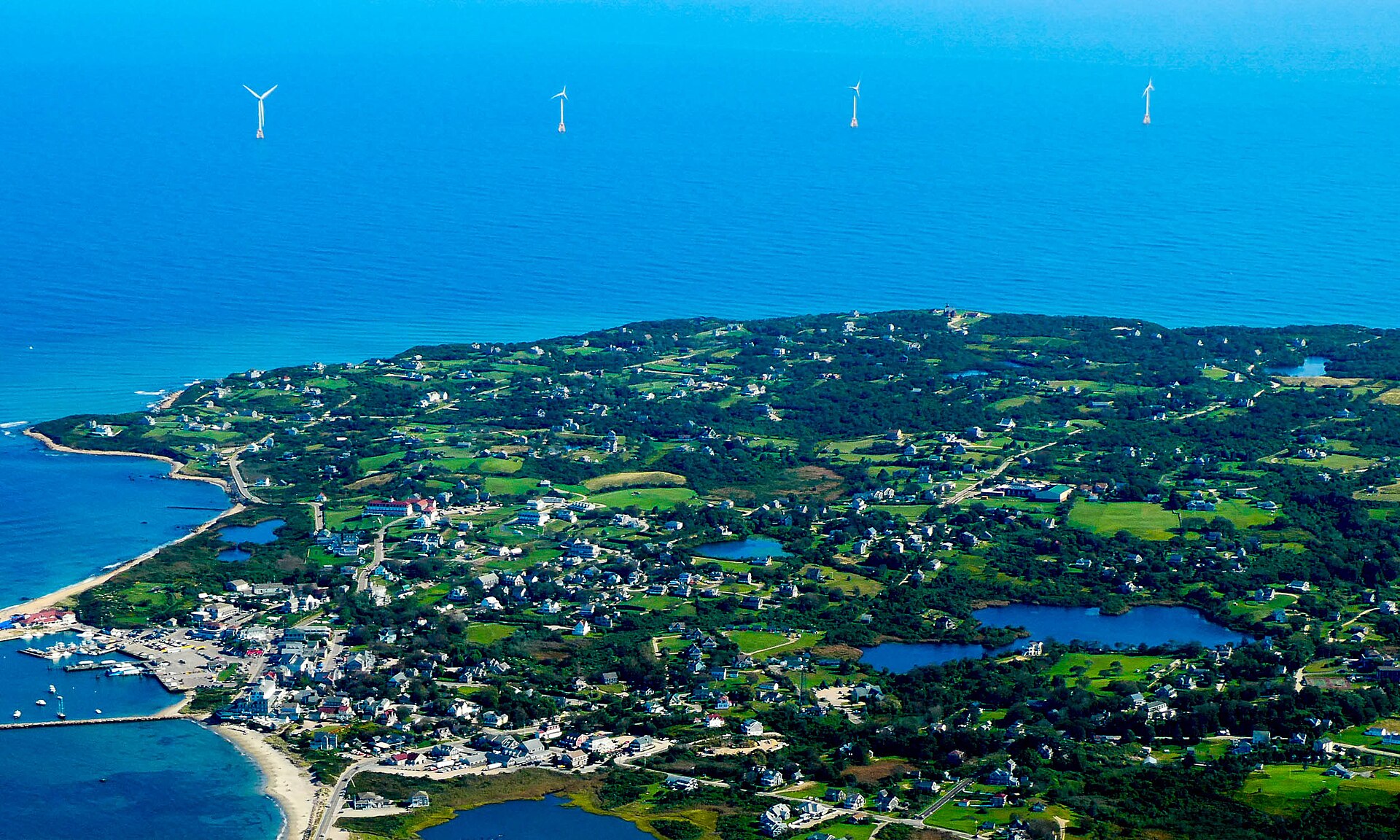
Three dates now govern this story. The first is quiet and continuous: Commerce keeps monitoring imports, and any spike — including one caused by developers rushing orders ahead of the deadline — can be reported to the president as grounds for earlier action. The second is the 180-day update, due by late April 2027, when Lutnick and Greer must report the status or outcome of the negotiations. The third is the one written into the statute itself: if agreements are not entered into within 180 days, or prove ineffective, the president may take "other actions he deems necessary" — the clause that converts today's restraint into tomorrow's tariff without a new investigation, a new report, or a new vote anywhere. Watch, in the meantime, for the European response — Denmark's turbine champions are systemically important employers — and for whether any partner offers the kind of purchase or production commitments that have settled other Section 232 files this year. The turbines, as ever, will keep turning while the lawyers talk. The question the next six months will answer is whose name is on the parts.
Sources
White House, "Adjusting Imports of Wind Turbines and Their Parts and Components into the United States," proclamation, October 22, 2026. Reuters, "Trump directs trade negotiations on wind turbine imports in executive order," October 22, 2026. Bloomberg Law / Bloomberg Tax, "Trump Punts on Wind Turbine Tariffs, Allows 180 Days for Talks," October 22, 2026. US Bureau of Industry and Security, Section 232 investigations list (wind turbines investigation initiated August 13, 2025). Institute for Energy Research, "Commerce is Investigating Tariffs on Imports of Wind Turbines and Their Parts," citing American Action Forum import and tariff-cost estimates. Related coverage: Tesla Q3 earnings and the Reuters/Ipsos midterm enthusiasm poll.