Trump Zelenskyy settle Putin
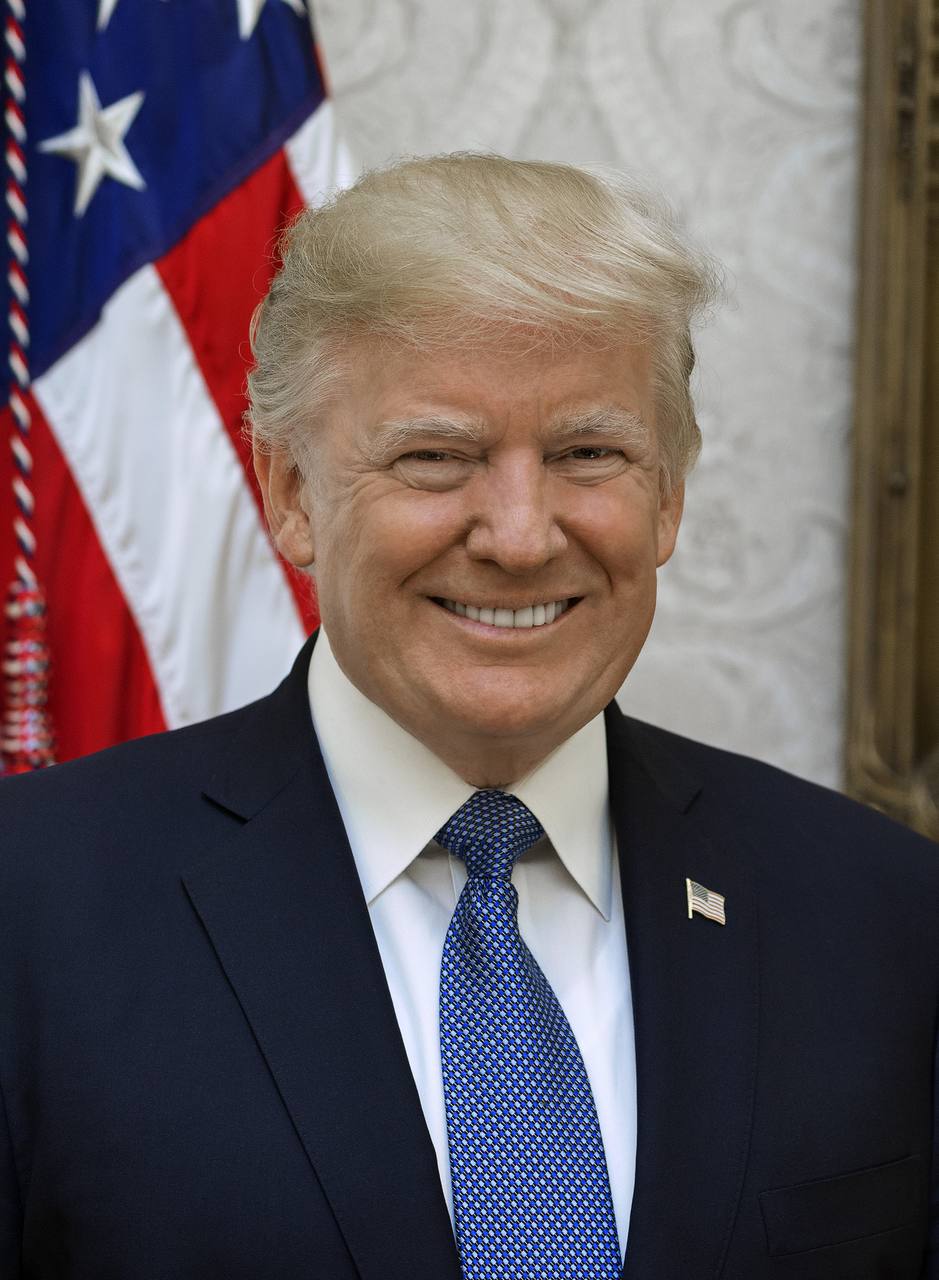
President Donald Trump said Saturday he wants Ukrainian President Volodymyr Zelenskyy and Russian President Vladimir Putin to settle the war in Ukraine soon, telling reporters he hoped the two leaders would reach a deal “maybe before the heavy winter” — the most direct public pressure yet on Kyiv from the White House to strike an agreement with Moscow.
What happened
Trump commented on Saturday about his meeting with Zelenskyy at the U.N. General Assembly in New York, saying he hoped the Ukrainian leader would “settle” with Putin. “You know what I want him to do? Make a deal,” Trump said, referring to Zelenskyy. “I want him to settle with Putin, and I want Putin to settle with him.”
Trump said the two men were “going along” and predicted that “someday, hopefully in the not-too-distant future, maybe before the heavy winter, they'll make a deal.” Speaking separately to Fox News, he emphasized the human cost of the war, citing figures of 25,000 dead last month and 32,000 in earlier months, mostly soldiers: “What a shame,” he said.
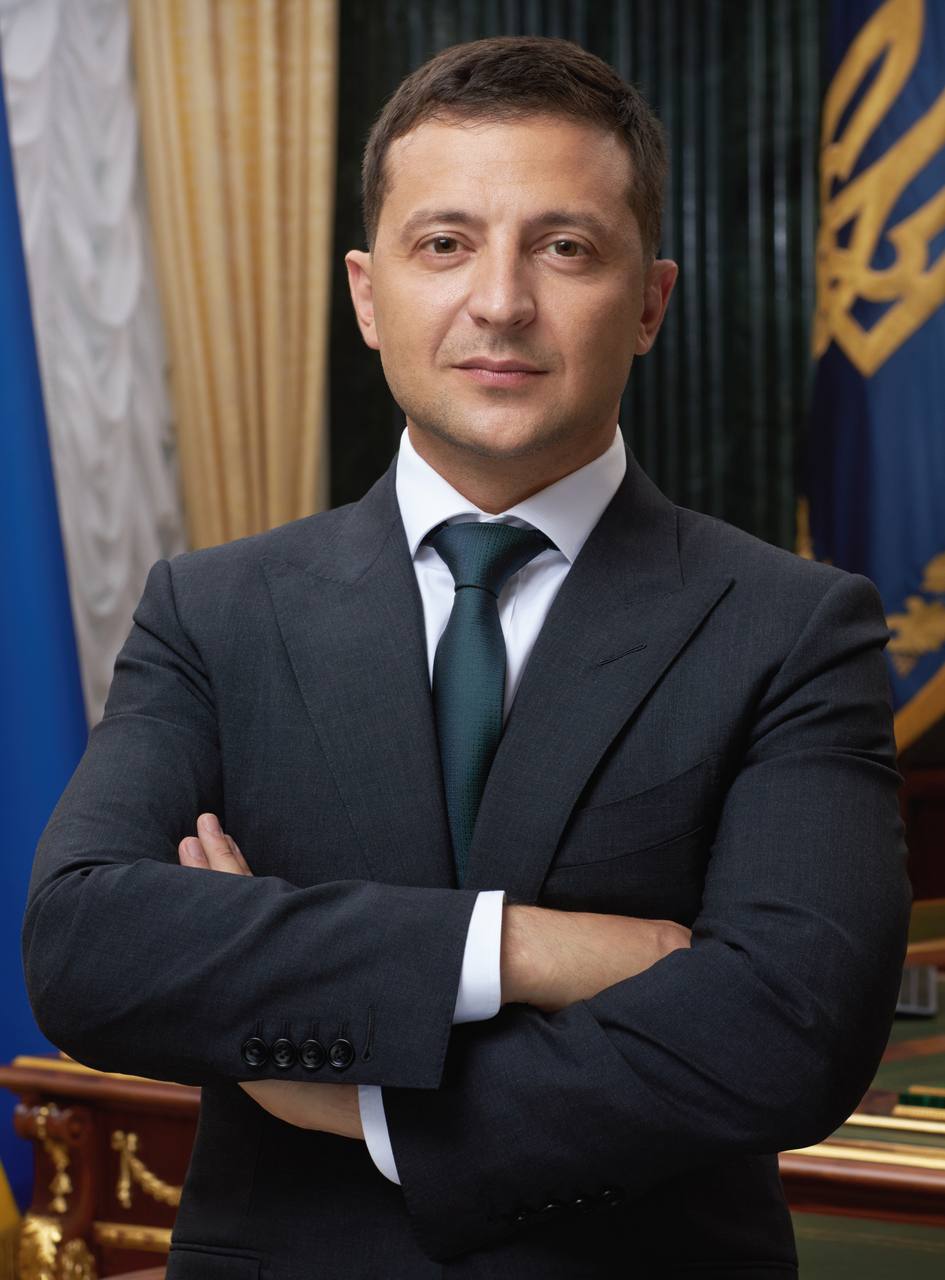
After their Tuesday meeting on the sidelines of the General Assembly, Zelenskyy told journalists that he trusted the White House could help end Russia's invasion, even as attacks by both sides intensified. While in New York, Zelenskyy also appealed to the United Nations for countries to deprive Russia of revenue through sanctions and trade restrictions, denying Moscow the money it needs to prolong the war. In his UNGA address, he urged 47 countries — including India — to stop their citizens from being drawn into the conflict, alleging Russia was recruiting foreign nationals through “deception and tricks.”
Why this matters
The remarks mark a notable shift in tone from Washington. While campaigning for reelection in 2024, Trump claimed he could broker an end to the war almost immediately; that has not happened, and his Saturday comments amount to public pressure on the defender rather than the aggressor to make concessions. Framing a deal around “before the heavy winter” ties diplomacy to the calendar of the energy war: winter campaigns against power grids and heating have been among the war's most punishing phases for civilians.
The two leaders are not aligned on the route to peace. Zelenskyy's New York message was escalation of economic pressure — starve Russia's war machine of revenue — while Trump's was settlement. That gap matters because any durable deal would need Washington's backing and Kyiv's consent, and Trump's framing leaves open how much territory, security guarantees, or sanctions relief a “deal” would include.
Background
Diplomacy has been active all week. On Sept. 9, after a phone conversation with Putin, Trump told reporters that Putin wanted a deal. At the Sept. 22 meeting in New York, Zelenskyy said the war should be ended as quickly as possible — preferably before winter — and Trump responded: “Before winter. Big thing, before winter.” The United States has also been exploring de-escalation measures, including an energy ceasefire, reopening the Black Sea grain corridor, and possible trilateral U.S.-Ukraine-Russia talks, though no comprehensive peace agreement has been announced.
The remarks came on a day of continued fighting: an AP report bundling the news noted that Russian and Ukrainian strikes had left 10 dead, with Ukraine hitting energy and industrial sites deep inside Russia and Russia striking Ukrainian cities.
Winners, losers, critics
For an American public tired of funding a distant war, Trump's stance reads as pragmatism — press both sides, stop the killing, claim the deal. For Kyiv, public pressure to “settle” raises the risk that negotiations begin from a position defined in Moscow and Washington rather than by Ukraine's own red lines on sovereignty and territory. For the Kremlin, Trump's framing is useful: it legitimizes the idea that settlement, not Ukrainian victory, is the goal, and puts the onus on Kyiv to concede.
Critics — including many European allies who have bankrolled Ukraine's defense — are likely to read the remarks as pressure on the wrong party while Russia continues offensive operations. Supporters will point to the casualty figures Trump cited and argue that only a negotiated end can stop the bleeding. Both sides agree on one fact: winter is coming, and with it the risk of another grinding campaign against civilian infrastructure.
By the numbers
- 25,000 / 32,000: Deaths in recent months cited by Trump to Fox News (attributed to Trump; not independently verified).
- 10 dead: Toll in the Russian and Ukrainian strikes reported by AP alongside the remarks.
- 47 countries: Number Zelenskyy urged at the UN to stop citizens being recruited into the war.
- 4 years: The war has continued since Russia's full-scale invasion in 2022, despite years of diplomatic efforts.
Forward scenarios
A pre-winter diplomatic push could gain momentum if Washington converts Trump's rhetoric into a concrete proposal — a ceasefire formula, security guarantees, and a territorial framework — but Kyiv's insistence on sanctions pressure and Moscow's battlefield posture make a quick deal unlikely. More probable in the near term: another winter campaign against energy infrastructure, with diplomacy and strikes running in parallel. The wild card is whether Trump's public pressure changes Kyiv's calculus — or hardens it.
Related coverage
- Russia and Ukraine trade deadly Saturday strikes
- Ukraine hits Ilsky oil refinery in Krasnodar drone attack
- U.S. proposes UAE trilateral meeting with Ukraine and Russia
Sources
- Associated Press (via 990theanswer.com and UK carriers)
- New Kerala
- Uploader summary of the Sept. 26 remarks video