War · Middle East · Iran
President Donald Trump said Friday that the war with Iran is "going to get wrapped up soon" and that any end to the fighting must guarantee Iran never obtains a nuclear weapon — saying it four days before the midterm elections, on the same day Qatari mediators arrived back in Tehran carrying revised proposals, and one day after his top Middle East commander briefed him in person on military options.
Track it live: Iran war tracker, live — Signal Post News · Live war tracker
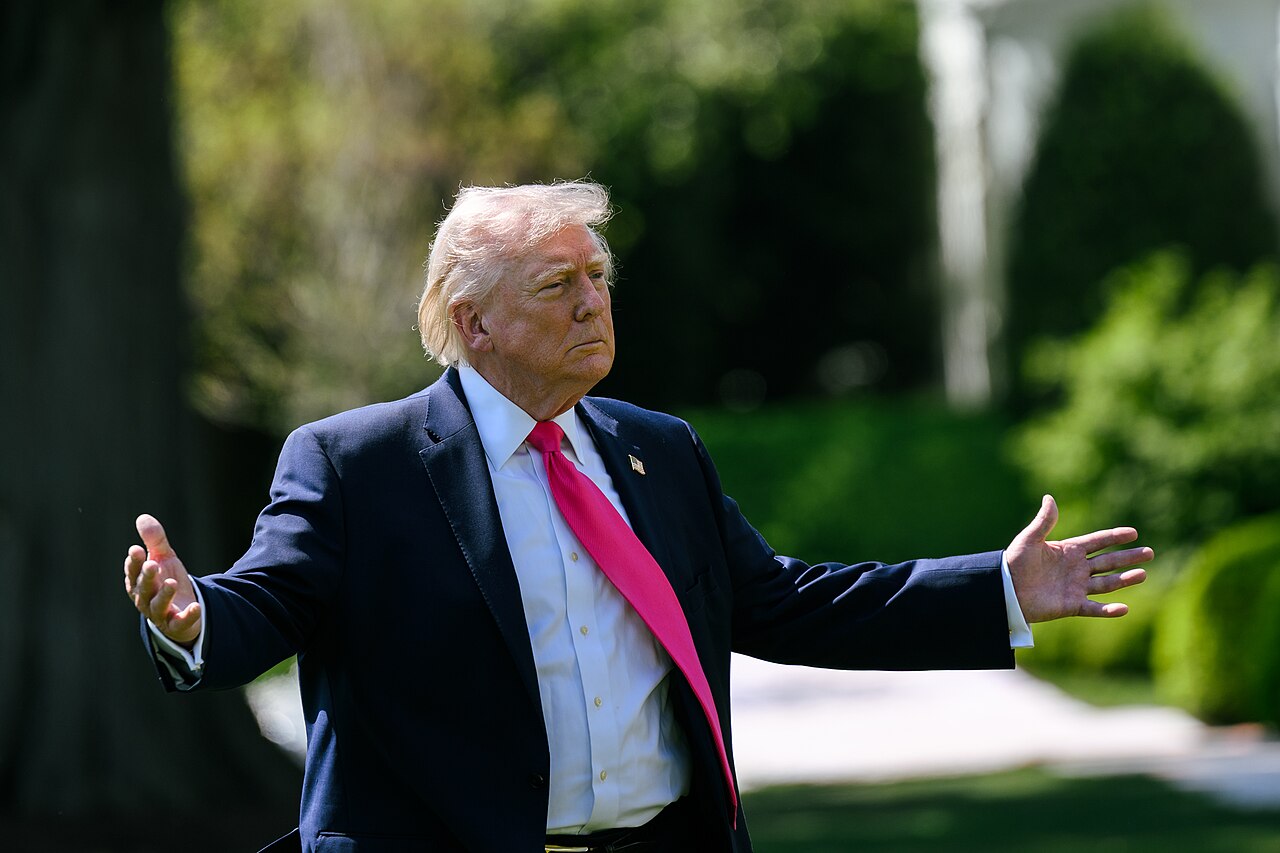
President Donald Trump said on Friday that the war with Iran — now in its eighth month — is "going to get wrapped up soon," telling a Kansas City radio station that he needs "a guarantee there'll never be a nuclear weapon" before the fighting can end. The remarks, in an interview with KCMO four days before the November 3 midterm elections, came on the same day Qatari mediators arrived back in Tehran carrying the latest edits to a draft proposal for ending the war, in a mediation effort coordinated with the United States, an official briefed on the talks told Reuters.
What the president did not say was how the war would end. He announced no deal, no ceasefire and no agreed timetable, and no agreement of any kind has been announced by either side. Qatar's mediators have been shuttling drafts between the two capitals for weeks (see our report on the Qatar draft deal handed to Tehran), and Iran dismissed the previous version of those proposals earlier this week as "unacceptable" — which is why Friday's prediction, and the response Tehran gives the mediators this weekend, now carry the weight they do.
What Trump said
"It's going to get wrapped up soon," Trump told KCMO, according to Reuters. Asked what an end to the war would require, he set his condition in a single sentence: "We need a guarantee there'll never be a nuclear weapon." The president added, in remarks carried by CBS News, that the war would end "one way or another," and he framed the conflict's origins in terms Tehran rejects outright: "I didn't start the war with Iran, they started the war with us," he said. "They've been absolutely horrible to the world, they killed many Americans." Iran has consistently held the opposite account — that the United States and Israel started the war with their strikes of February 28 — and neither government's version of February has ever been conceded by the other.
Trump has also said the United States would not strike Iran before the November 3 elections, Reuters reported. That is his stated position, not a guarantee, and it has turned election day itself into a hinge in the war's calendar: a date before which Washington says it is holding its fire, and after which every military option returns to the table.
The diplomacy running underneath
Beneath the radio interview, the week's actual negotiation moved through Doha. Qatari mediators returned to Tehran on Friday and conveyed the latest edits to a draft proposal to end the war, in an effort coordinated with Washington, an official briefed on the talks told Reuters. The delegation was led by a senior adviser to Qatar's prime minister and foreign minister, Iran's state news agency IRNA reported. A source familiar with the diplomacy told CBS News there were "indications of progress," and that Iran was expected to respond to the revised proposals by the weekend. Neither government has described the contents of the latest edits, and neither has confirmed the other's account of how close the two sides stand.
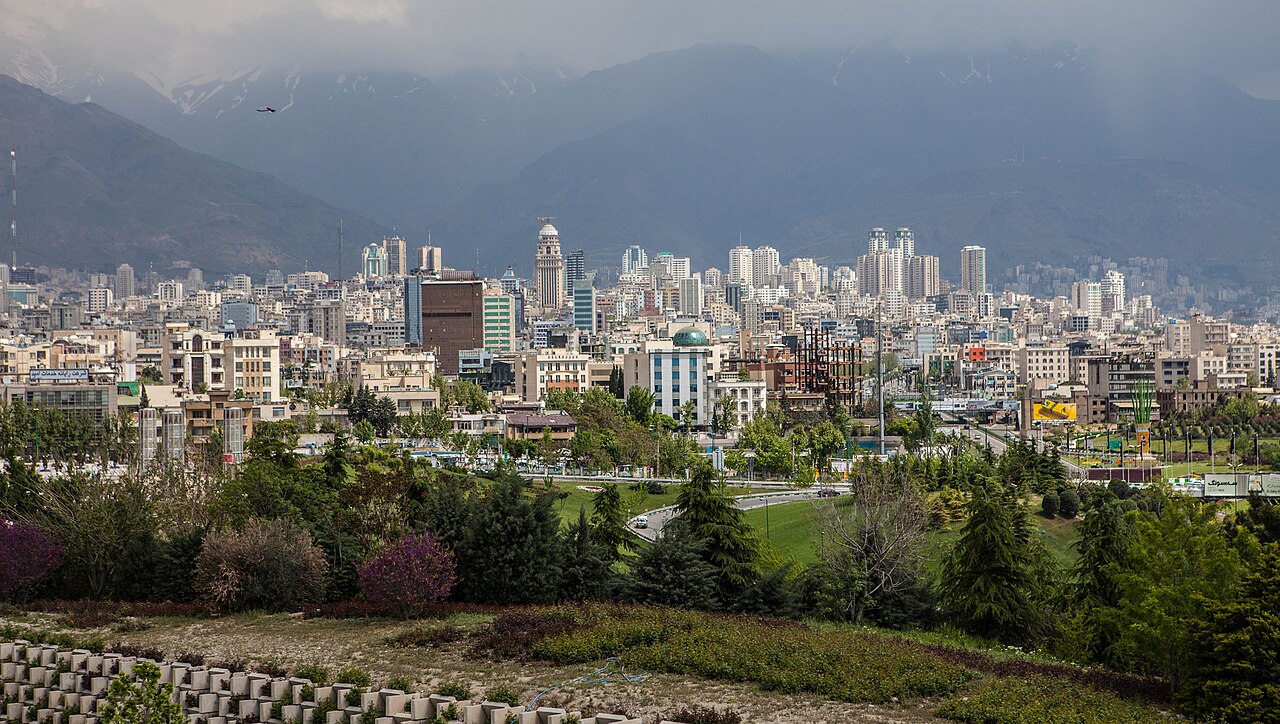
One reported channel was deliberately played down by the president himself. On Thursday, Trump said Vice President JD Vance's outreach to Iran had concerned medical supplies, following U.S. media reports that had linked the contact to efforts to revive the peace talks, Reuters reported. The White House has not presented the Vance contact as a negotiating channel, and neither has Tehran.
Why Tehran has not said yes
The obstacle is not a shortage of drafts. It is the order in which the two sides want the war's questions answered. Earlier this week, a senior Iranian official dismissed the proposals Qatar delivered on Sunday as "unacceptable" and said Tehran would maintain its nuclear position, Reuters reported. Washington wants the nuclear file settled from the start: the guarantee Trump described on Friday is, in the American sequencing, the first item on the page, not the last. Tehran demands the opposite order — that the United States first end its blockade of Iranian ports and lift the sanctions choking Iran's oil exports, the revenue stream the war has been fought partly over. Each side's opening step is the other side's concession, and eight months of fighting have not moved the sequence.
Iran's foreign minister, Abbas Araghchi, said on Wednesday that Tehran remained in close contact with intermediaries to review ideas that could ensure implementation of Iran's own seven-day proposal, Reuters reported — a plan Tehran has put forward before and Washington has not accepted. The two governments are, in effect, negotiating over two different documents, and the Qatari mediators are carrying both.
The military track that has not gone away
Diplomacy is not the only track running. Adm. Brad Cooper, the commander of U.S. Central Command, briefed Trump in person at the White House on Thursday on military options against Iran, the Wall Street Journal reported, in coverage carried by Europe Says and Axios — reported context that matters because it shows the strike planning the president says is paused until after the elections has not been stood down. Fears persist across the region of renewed U.S. or Israeli strikes once the midterms have passed. The war's human ledger grew in the same reporting cycle: a Pentagon update put U.S. service member deaths since the war began at 23, 11 of them killed by enemy fire. Signal Post News attributes those figures to the Pentagon as reported through that chain; they have not been independently verified.
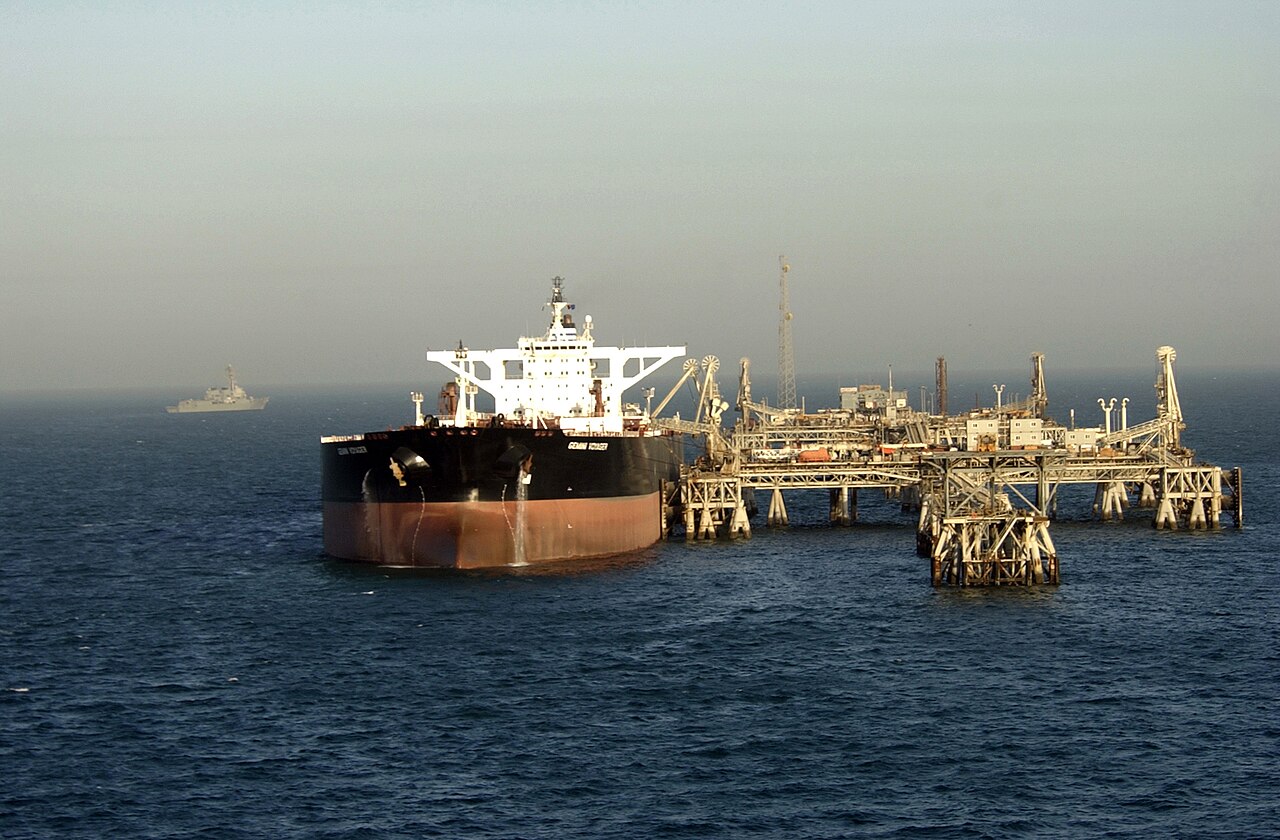
The war's maritime front stayed active through the week. Tankers were attacked and halted in and around the Strait of Hormuz (see our report on Thursday's limpet-mine attack on the tanker Louise 1 off Khasab), and Brent crude spiked above $116–$117 a barrel on Friday. Iran's Revolutionary Guards have claimed a series of tanker interdictions in the strait; Cooper has responded that the waterway's "primary transit routes remain free and clear." Both are claims by belligerents about a contested waterway, and this article settles neither. Our live Iran war coverage follows the strait and the diplomacy day by day.
Why this matters
A president predicting the imminent end of an eight-month war, four days before midterm elections, is making three claims at once: that the war is nearly over, that its central condition — an Iranian nuclear guarantee — is attainable, and that the timing is his to choose. The difficulty is that the guarantee he named on Friday is precisely the point the two sides have been unable even to sequence. "Wrapped up soon" therefore describes a hope about the diplomacy rather than a state of it: as of Friday, no deal had been announced, Iran had not answered the latest edits, and the last Iranian word on a Qatari draft was "unacceptable."
In practice, "wrapped up" could mean several very different things. A negotiated framework, built on the Qatari drafts, would trade the nuclear guarantee Washington wants for the blockade and sanctions relief Tehran demands first — the sequencing bargain neither side has yet made. A unilateral pause, in which Washington simply stops striking and declares the mission complete, would leave the nuclear question, and Iran's missile and proxy forces, essentially where they stood on February 27. Or the phrase could precede the opposite outcome: renewed strikes after November 3, if Tehran's weekend answer is another refusal. Oil markets are pricing all three paths at once, which is why a single radio sentence could push Brent through $116.
There is also a credibility test, and it is fair to state it as a pattern rather than a verdict: the president has predicted an imminent end to this war before, at earlier points in the eight months, and the war continued. Each new prediction is heard in Tehran, in Gulf capitals and in the oil market against that record. Friday's version came with something the earlier ones did not — mediators physically in Tehran holding a revised text, and a response expected within days. If the weekend produces an Iranian answer that is not another rejection, "soon" will have meant something. If it produces silence, or the word "unacceptable" a second time, the phrase joins the earlier ones.
What happens next
Three dates now govern the war. The first is the weekend: CBS's sourcing has Iran responding to the Qatari edits by then, and the content of that response — acceptance, a counter-proposal, or rejection — will show whether Friday's optimism rested on something neither government has yet published. The second is November 3: the midterms are, by the president's own stated position, the point before which the United States will not strike again, and therefore the point after which every option in Cooper's Thursday briefing returns to the table. The third date is unwritten: the day both sides would have to agree on what a nuclear "guarantee" actually contains — which inspections, which enrichment limits, which verification with which consequences — and whether any of it can survive Tehran's stated refusal to bargain away its nuclear position while its ports are blockaded and its oil is sanctioned. Until those answers exist, the war the president says will be wrapped up soon remains, on the public record, a war.
Sources
Reuters, "Trump on Iran war: It's going to get wrapped up soon," Oct 30, 2026 (KCMO interview; no-strike-before-the-elections position); Reuters, "Qatari mediators return to Tehran to push for US-Iran deal, official says," Oct 30, 2026 (mediation coordinated with the US; Sunday draft dismissed as unacceptable; sequencing dispute; Araghchi; Vance outreach); CBS News reporting via Europe Says, "Trump says Iran war will be 'wrapped up soon' as Qatari mediators return to Tehran," Oct 30, 2026 (latest edits, indications of progress, weekend response expectation, Cooper briefing via the Wall Street Journal/Axios chain, Pentagon casualty update); IRNA, on the Qatari delegation's leadership, Oct 30, 2026.
Photos: The White House and the U.S. Navy (public domain) and ninara (CC BY 2.0), all via Wikimedia Commons, as credited in the captions. All are file photographs; Friday's KCMO interview was conducted by radio and no photograph of it exists.