War · Middle East · Strait of Hormuz
A small boat attached two limpet mines to the crude tanker Louise 1 off Khasab late on Thursday, setting its engine room on fire and temporarily disabling the ship — the first successful limpet-mine strike in the waterway since the Iran war began. The crew put the fire out, no one was hurt, and nobody has claimed the attack.
Track it live: Iran war and Strait of Hormuz tracker · Live oil prices
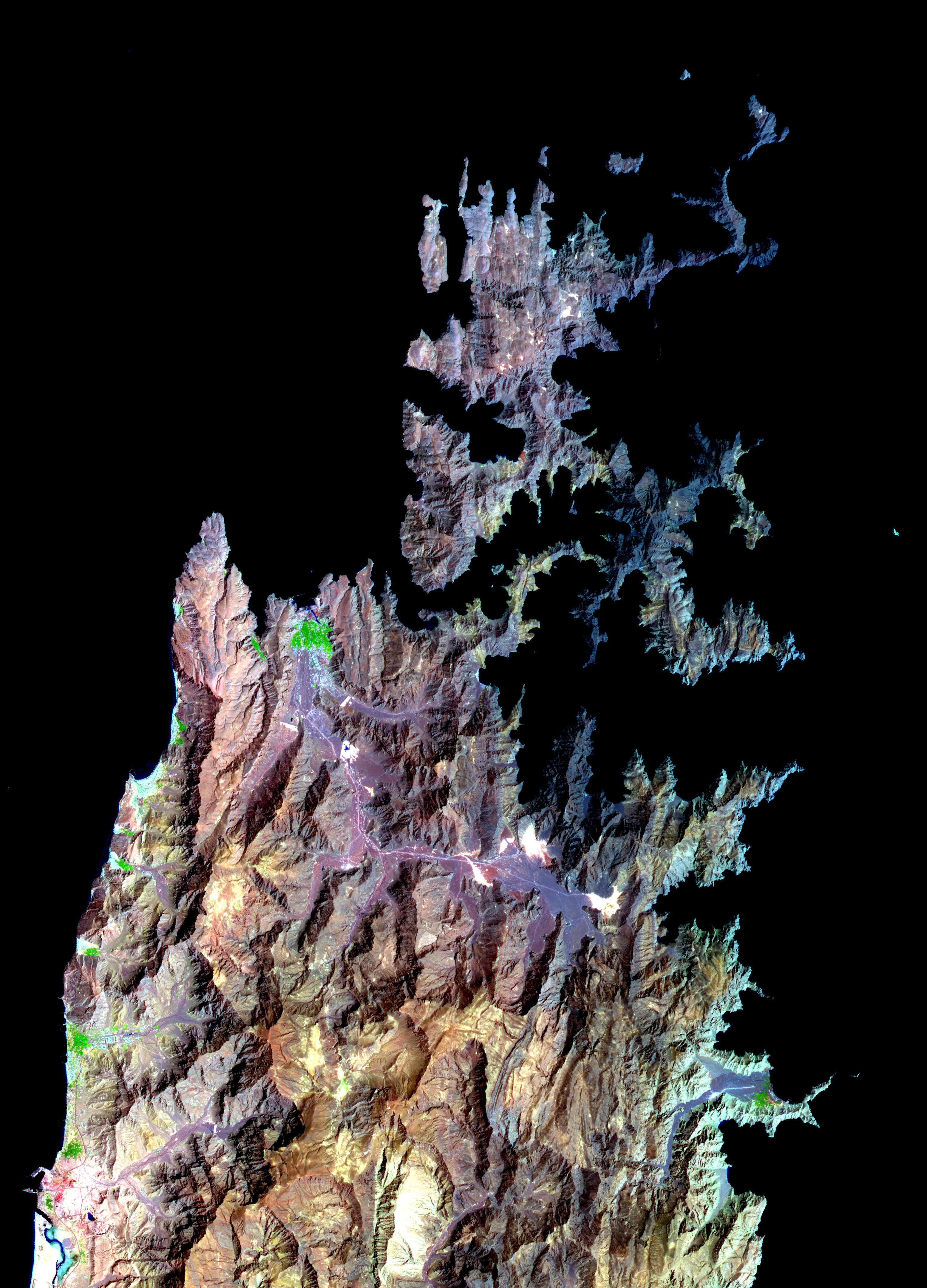
A small boat pulled alongside a crude tanker in the Strait of Hormuz late on Thursday and attached two limpet mines to its hull, setting the engine room on fire and temporarily disabling the ship — the first successful use of the weapon in the waterway since the United States' war with Iran began in February, according to maritime security sources cited by Reuters. The crew put the fire out, no one was hurt, and the tanker got under way again for its next port. Nobody has claimed the attack, and no authority has publicly blamed anyone for it.
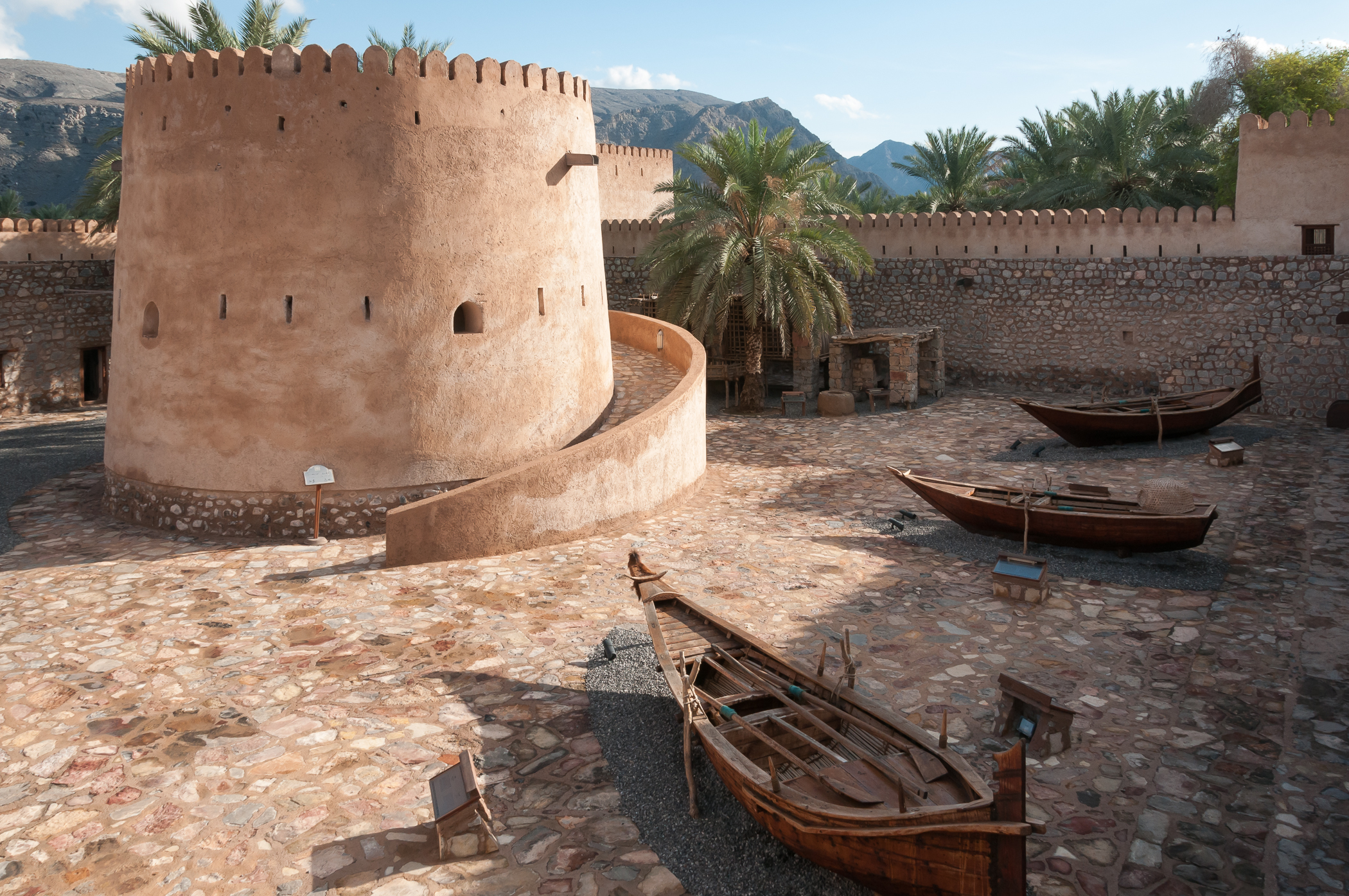
The United Kingdom Maritime Trade Operations centre (UKMTO), the Royal Navy-linked agency that logs attacks on merchant shipping in the region, recorded the incident at 2212 UTC on Thursday, October 29, about 25 nautical miles (46 km) northeast of Khasab, on Oman's Musandam Peninsula, as the tanker was transiting outbound through the strait. In an updated advisory — Warning 187-26, Update 001 — UKMTO said a verified report confirmed that a small craft approached the tanker on its port side and attached two explosive devices to the hull above the waterline. The blasts started a fire in the engine room and temporarily disabled the vessel; the fire was then extinguished, all crew were confirmed safe, there was no environmental impact, and the ship continued to its next port of call.
UKMTO did not name the ship. Three maritime security sources identified her to Reuters as the Louise 1, a Panama-flagged crude tanker of about 159,092 deadweight tonnes, built in 2004 (IMO 9290323). Maritime security firm Vanguard Tech independently identified the same vessel, Seatrade Maritime reported. Her operator, listed in shipping databases as Panama-based Aquarius Maritime Ventures, could not immediately be reached for comment.
What we know — and what we do not
What is confirmed by the maritime authority is the method, the place, the time and the outcome: two devices, placed by hand from a small boat, above the waterline, on a moving outbound tanker at night. What is not known is who sent the boat. Reuters reported that it was not immediately clear who was behind the attack, and UKMTO's advisory attributes responsibility to no one. Claims and counter-claims about other incidents in the strait on the same day — including an Iranian Revolutionary Guard Corps statement that tankers had struck mines, and a separate statement that two tankers were stopped south of the strait after ignoring radio warnings — concern different vessels and different reports, and remain unconfirmed; they are covered in our report on Thursday's ship fire and projectile sightings off Khasab. Two other UKMTO reports from October 29 are also distinct from this attack: Warning 186-26, a tanker struck by an unidentified projectile at 1600 UTC, and an early-morning vessel fire north of Khasab that local authorities later identified as a traditional dhow. Readers will see these incidents merged in some coverage; the advisories treat them as separate events, and so does this article.
A ship that has been attacked before — by the other war
The Louise 1 is, unusually, a veteran of both of the wars now disrupting world energy shipping. In July, Ukrainian forces hit the same tanker with naval drones in the Black Sea; Ukraine's SBU security service said the vessel was transporting Russian oil as part of the so-called shadow fleet that moves Moscow's exports around sanctions. A ship can be a target in the Black Sea for carrying Russian crude and a target in the Gulf for reasons nobody has yet stated — a reminder that in 2026 the world's tanker fleet sails between two wars at once, and that a hull's history follows it from one chokepoint to another.
Why the method matters more than the damage
The physical damage was limited: a fire, a temporary loss of propulsion, no injuries, no spill, a ship that reached its next port under its own power. The significance of Thursday night is the technique. Most of this year's Hormuz campaign has been fought with weapons navies know how to counter, at least in principle — anti-ship missiles and one-way attack drones that can be tracked and intercepted, and mines that endanger a channel rather than a chosen ship. A limpet mine is different: it is placed, not fired. "The apparent ability of a small craft to approach a transiting tanker, deploy explosive devices and withdraw presents a significant security concern, particularly in the Strait's congested shipping lanes," the Greece-based maritime risk group Marisks said in a note on Friday. Marisks noted that limpet mines were first deployed in the region in 2017 and used against tankers in subsequent years, and called the methodology "cheap, low tech and very efficient." Small boats are the ordinary traffic of the strait — fishing craft, smugglers' skiffs, local traders between Iran and Oman — which is what makes screening them so hard: the threat does not look like a warship, and by the time it is alongside, it is already too close.
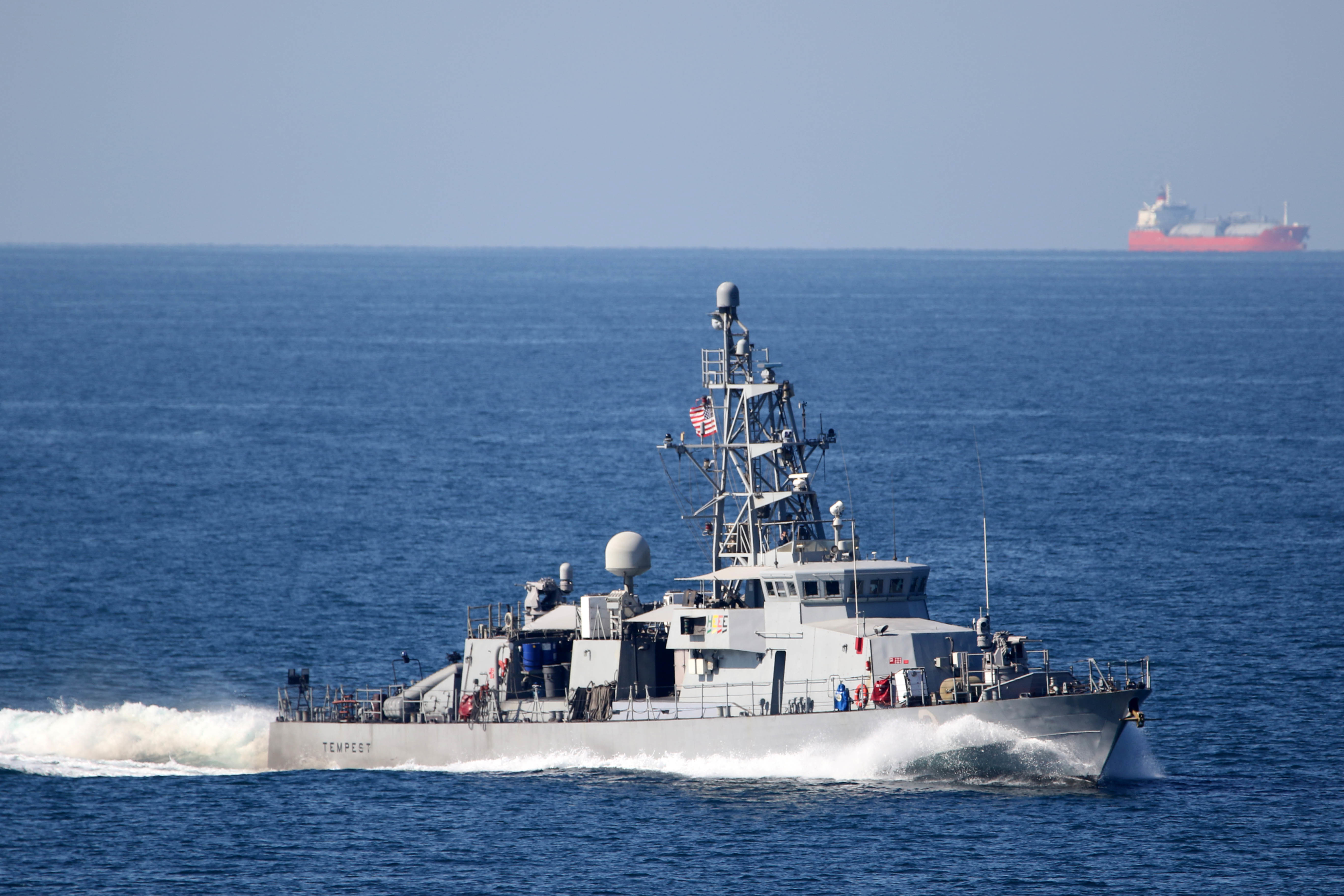
There is a history here that older Gulf hands will recognise. Limpet mines were the signature weapon of the 2019 Gulf of Oman attacks, when two tankers — among them the Front Altair and the Kokuka Courageous — were holed by explosives attached to their hulls; the United States blamed Iran, Iran denied it, and the evidence was argued over for months. Thursday's attack is the first successful limpet-mine strike of this war, two of the security sources told Reuters; an attempt in September used similar devices that did not detonate. A weapon that arrives silently, costs little, leaves no launch signature for air defences to answer, and can be plausibly denied is, from an attacker's perspective, close to ideal — and from an escort commander's perspective, close to a nightmare, because no missile shield stops a boat that simply motors up to a hull in the dark.
Why this matters
The Strait of Hormuz carries roughly a fifth of the world's petroleum liquids — the crude and fuel of Saudi Arabia, Iraq, Kuwait, the UAE and Iran itself — through a channel about 21 miles wide at its narrowest, and October has already set a record for confirmed and reported attacks on shipping since the war began (see our analysis of the record month of Hormuz ship attacks). Markets noticed the method as much as the incident: Brent crude's December contract rose $1.20, or 1.04 percent, to $116.08 a barrel by 0323 GMT on Friday, with the January contract at $112.19 and U.S. WTI up 1.34 percent at $103.37 — a fourth consecutive monthly gain, with Brent up about 11 percent in October and WTI about 14 percent. Part of Friday's December figure is technical — that contract expired the same day — but the January price tells the same story: traders are paying a durable war premium, not a one-day spike.
The deeper cost lands in the insurance market. War-risk premiums for Gulf transits are repriced voyage by voyage, and underwriters price the defensive problem: a missile threat can be escorted against, a mine threat can be swept against, but a small boat alongside at night can only be watched against — which means more naval presence, more screening, slower transits, and higher costs on every barrel, attacked or not. That is the same repricing dynamic now spreading across the Gulf itself, as our report on the tanker attacks off Jubail examined. Crewing agencies, meanwhile, will ask whether a close-aboard bombing changes the risk designation for the seafarers — most of them from the Philippines, India and Indonesia — who actually sail these ships.
Both sides' stated positions — and the silence on this attack
Iran has said throughout the war that it is enforcing its own restrictions on passage through the strait and has struck vessels it says violated them, as it seeks to assert control over the waterway and pressure Washington; that is Tehran's stated rationale for its campaign in general. But no Iranian body has claimed Thursday night's limpet-mine attack, and the IRGC's statements on Friday concerned other vessels and other claims. The United States, for its part, has said its forces have cleared the strait's primary transit routes of mines — a claim about drifting and moored mines in the channel, not about devices carried to a hull by boat. Shipowners' groups have consistently argued that merchant crews are civilians entitled to safe passage under international law; maritime unions have pressed for the whole strait to be treated as a war-risk area. All of those positions can be true at once, and none of them yet answers the only question that matters for the next tanker through: who was in the boat.
What happens next
Three things will decide whether Thursday night was a one-off or a new phase. First, attribution: if investigators — UKMTO, flag-state Panama, or the security firms that identified the ship — publish evidence about the devices or the boat, the diplomatic consequences will follow the evidence, and an unattributed attack that is quietly absorbed will invite repetition. Second, adaptation: expect tighter small-craft screening around transits, more embarked security and possibly naval close-escort of the kind that cannot scale to every sailing — the strait handles dozens of large tankers a day. Third, the price signal: if January Brent holds above $110 while attacks stay in single digits of ships actually damaged, the market is telling you it fears the method more than the tally — because a weapon this cheap does not need to sink ships to close a strait. It only needs to make insurers, owners and crews decide the strait is not worth it. That decision, not any navy, is what would actually shut Hormuz — and Thursday night moved it a little closer.
Sources
Reuters, "Tanker in Strait of Hormuz hit by limpet mines, security sources say," Oct 30, 2026; Reuters, "Oil set for fourth monthly gain as Hormuz tanker attack highlights supply risks from war," Oct 30, 2026; UKMTO Warning 187-26 and Update 001, Oct 29–30, 2026; Seatrade Maritime (Vanguard Tech vessel identification), Oct 30, 2026; Marisks maritime risk note, Oct 30, 2026 (via Reuters); Maritime Executive and OilPrice reporting of the UKMTO update, Oct 30, 2026.
Photos: NASA (public domain), StellarD (CC BY-SA 3.0) and U.S. Navy Petty Officer 2nd Class Matthew Riggs / U.S. Navy (public domain), via Wikimedia Commons, as credited in the captions. File photographs of the Musandam Peninsula, Khasab Castle and USS Tempest — not photographs of the Louise 1 or of the attack itself; no photo of the damaged Louise 1 has been published by UKMTO or the operator.