Iran War · Diplomacy
Qatari mediators presented Iran with a new draft agreement on Sunday to end the war with the United States and Israel, an official briefed on the negotiations told Reuters on Wednesday — a seven-day timeline of daily confidence-building steps that could begin early next week if Tehran accepts, with several countries acting as guarantors. Iran is expected to respond by the end of the week. The draft lands in the most dangerous week of the autumn: Washington has warned Gulf allies to prepare for a possible new Iran campaign after the November 3 midterms, the Pentagon's war bill has passed $47 billion, and Israel has just voted in a general election whose final result is still being counted.
Track it live: Iran war tracker, live — Signal Post News Live Global Trackers
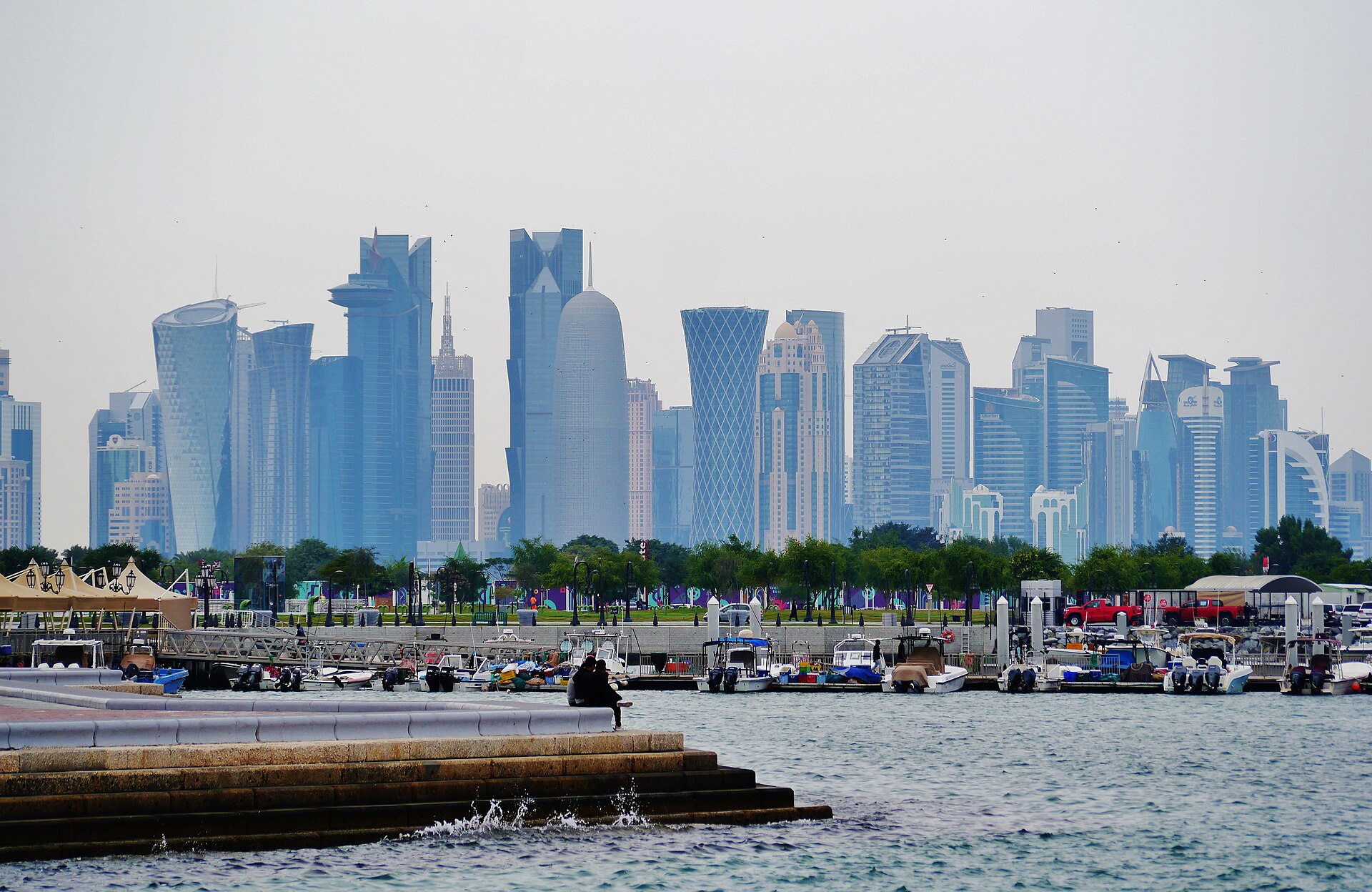
What the mediators put on the table
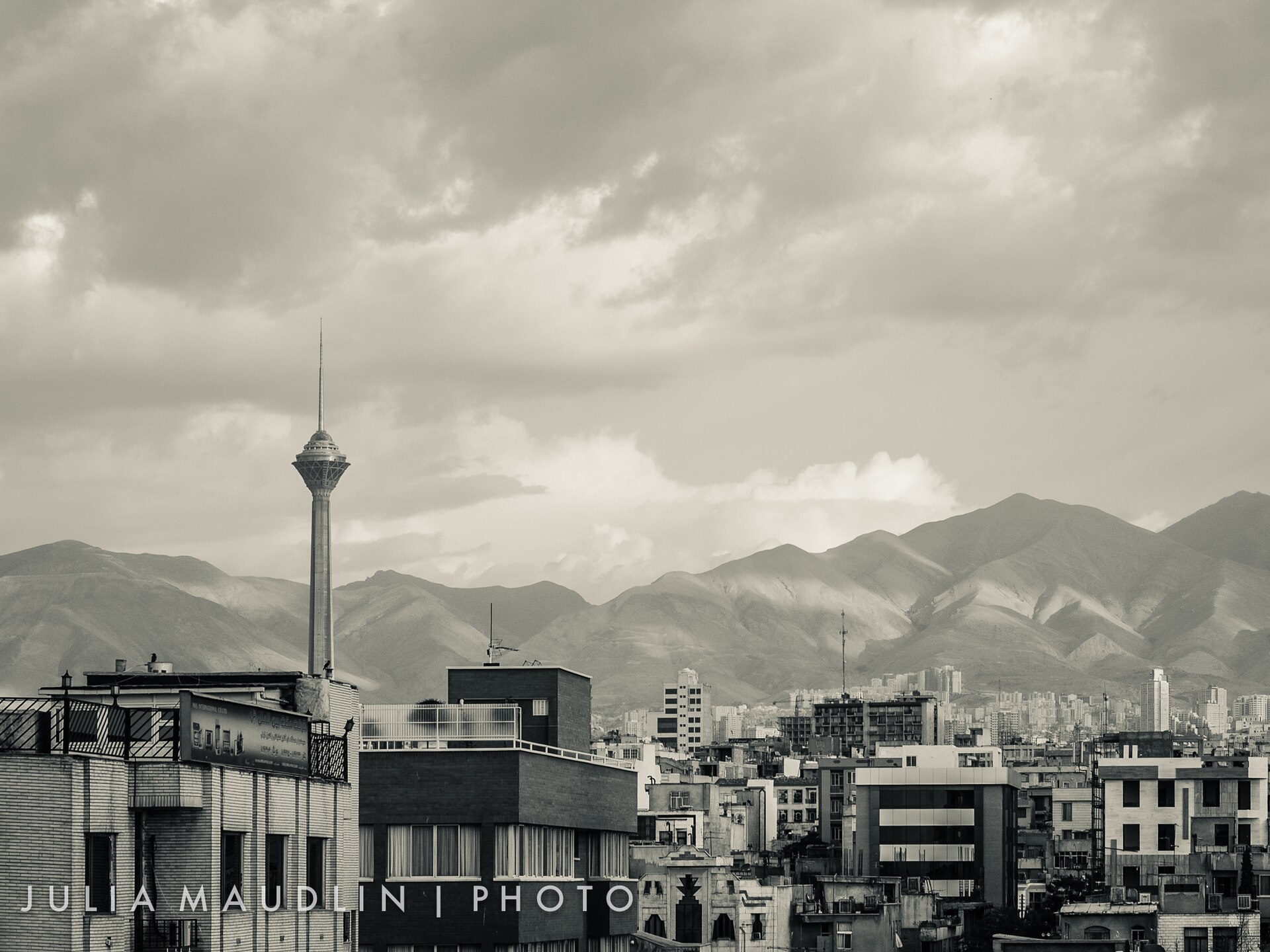
The Qatar Iran war deal draft was presented to Iranian officials at a meeting in Tehran on Sunday, according to the official briefed on the negotiations who spoke to Reuters. Its architecture is sequencing, not a single signature: a seven-day timeline that addresses both Tehran's and Washington's concerns by laying out daily confidence-building steps each side must take, in order. The timeline could begin early next week, the official said, and several countries would act as guarantors of the deal. Tehran is considering the draft and is expected to send its response by the end of the week.
A second report, from Pakistan's DNA news agency carried by the Islamabad Post, independently described Iran as reviewing a new draft agreement presented by Qatari mediators on Sunday, with a response expected by the end of the week and the specific terms not publicly disclosed. Pakistan is the co-mediator in the channel, which gives the Pakistani reporting its own proximity to the talks. Neither government — not Tehran, not Washington, not Doha — had publicly confirmed or commented on the draft in the reporting available on Wednesday. Every detail of the proposal itself therefore rests, for now, on the briefed official's account to Reuters and the DNA report; the draft's text has not been published.
The week this draft landed in
Diplomacy is not happening in a quiet room. On Friday, President Donald Trump repeated his threats to strike Iran again. Iranian security officials, in turn, told Reuters that Tehran has drawn up detailed plans to attack Gulf undersea cables if the United States and Israel resume attacks — a threat aimed at the data and energy arteries of the Gulf states hosting the mediation. There were concerns ahead of Sunday's Tehran meeting, the briefed official said, that Israeli Prime Minister Benjamin Netanyahu — fighting for another term in Tuesday's general election, whose count is still under way — could resume attacks on Iran this week.
The military track is moving in the open. As we reported earlier today, the United States has warned Gulf allies to prepare for a possible short, intense Iran campaign after the midterms, and Pentagon figures obtained by Reuters put the cost of the war so far at more than $47 billion — over 25 percent above the Defense Department's July estimate — with more than $29 billion more needed to replace expended munitions and over $6 billion to replace lost equipment, including many drones. In parallel, Oman has been building a non-aggression framework with its Gulf neighbours and Iran — the regional scaffolding any deal would need. And on Wednesday oil prices rose again, Brent crude up 1.3 percent to $115.36 a barrel, after the Houthis claimed a missile strike on Saudi Arabia's largest refinery — a claim Saudi authorities had not confirmed — a reminder that the war's proxy fronts keep firing while the diplomats talk.
Not the seven-day plan Tehran offered in September
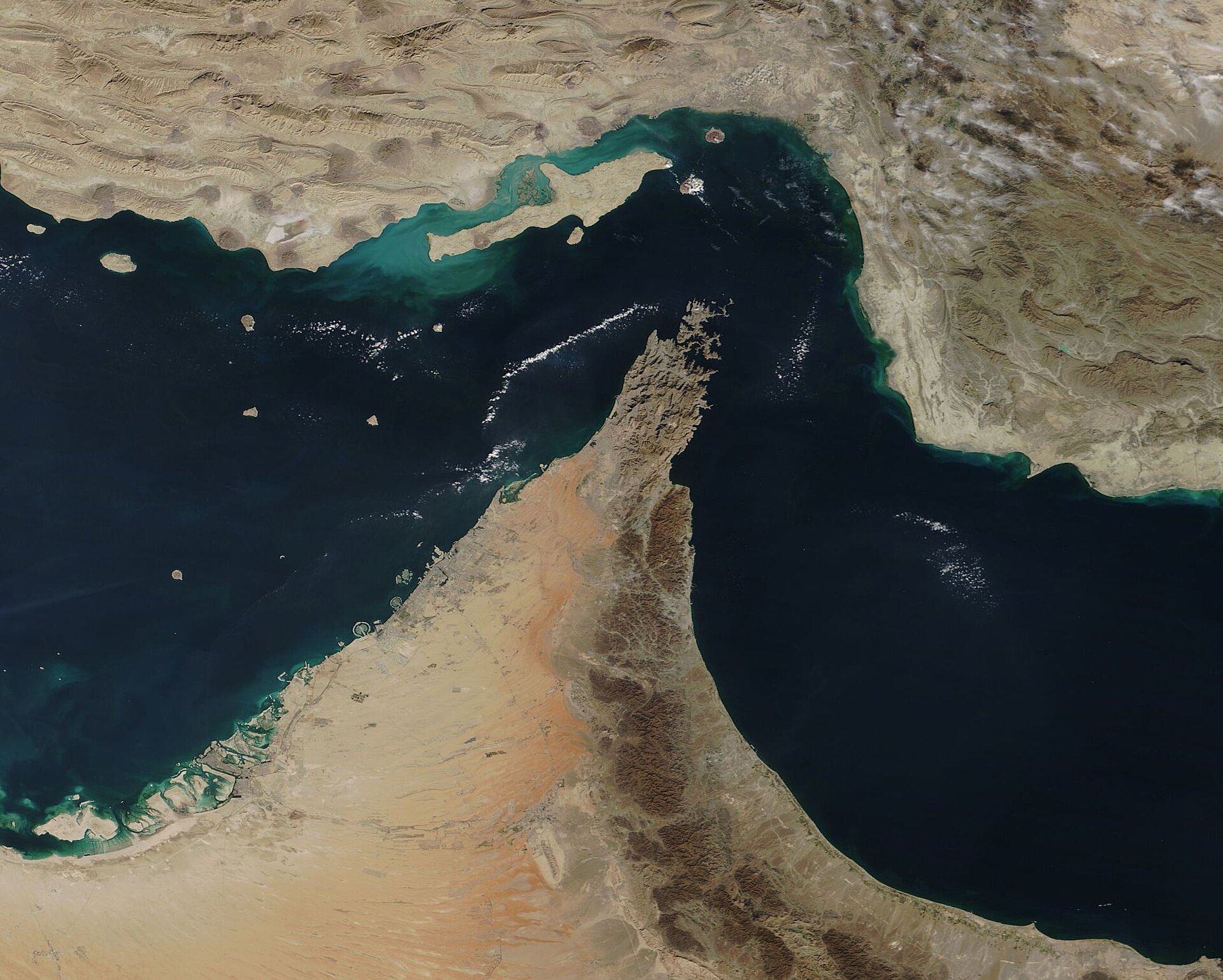
Readers who followed September's diplomacy will recognise the number seven — and should not confuse the two documents. In September, it was Iran that submitted a seven-day roadmap, detailed publicly by Foreign Minister Abbas Araghchi outside the UN Security Council and carried to Washington through Qatar: initial steps over four to five days, the Strait of Hormuz reopened on day six, final-agreement talks — including on the nuclear programme — beginning on day seven, in exchange for released frozen funds, lifted sanctions and an end to the US naval blockade. President Trump rejected that proposal as "unacceptable," as documented in our UNGA live coverage.
Sunday's draft runs the other way. It originates with the mediators, not with Tehran; it was handed to Iran, not by Iran; and on the briefed official's account it is built to address Washington's concerns as well as Tehran's, step by step, under outside guarantors. Whether its seven days contain anything like September's sequence — Hormuz, funds, sanctions, nuclear talks — is not known, because its contents have not been disclosed. The resemblance is in the format the mediators have settled on: short, dated, reciprocal steps, designed so that neither capital has to trust the other's signature on a grand bargain.
Why this matters
The design of this draft is a direct answer to the way the last deal died. The interim peace agreement that Qatar and Pakistan helped produce in June unravelled quickly — each side accusing the other of moving first on paper and never on the ground. A seven-day ladder of daily, checkable steps under named guarantors is what mediators build after learning that lesson: it converts one large act of faith into fourteen small ones, any of which can halt the sequence before either side has given away something it cannot recover. That is a genuinely different negotiating technology from September's Iranian roadmap, which asked Washington to accept a finished sequence Iran had written.
The timing is the second story. The draft's proposed start — early next week — sits immediately after the November 3 US midterm elections, the same date after which US officials have been reported to be planning for a possible resumption of heavy fighting, and after which Trump himself has suggested a renewed bombing campaign could come. In other words, the mediators are not racing an abstract clock. They are racing a specific, reported military timetable, and they have built the deal to be able to start the moment the electoral constraint on Washington lifts — offering the White House an off-ramp that opens on the exact day its war option does. Tehran's answer, due within days, will be read in three capitals at once: as a negotiating position in Doha, as an election-week signal in Washington, and as a targeting input in Jerusalem, where a newly elected government is still being formed.
The economics argue for the ladder, if anything can. The war the US and Israel launched in February has disrupted global shipping and oil supplies and spilled across the region — Houthi strikes on Saudi Arabia, the Hormuz blockade economy, Brent at $115. The Pentagon's own running bill — $47 billion spent, $35 billion more already priced in for replacement munitions and platforms — is the kind of figure that changes congressional arithmetic after a midterm. Every week of war costs the United States roughly what a serious reconstruction fund for the Gulf's damaged infrastructure would cost; every week of it also raises the chance of the one event nobody's draft can survive, a strike that kills the wrong people in the wrong place and makes de-escalation politically impossible in one of the three capitals.
What happens next
The next move is Tehran's, and it is dated: a response by the end of the week. Three scenarios follow from it. Acceptance, even conditional, starts the seven-day ladder early next week and puts the guarantors — and the daily verification of steps — at the centre of the war's endgame. A counter-draft restarts the shuttle but burns the calendar the mediators built, pushing any start past the point where reported US strike planning becomes a live option rather than a contingency. Rejection, or silence past the deadline, will be taken in Washington and Jerusalem as the answer it is, in the same week an Israeli government is formed and a US Congress is elected. What is not available to any of the parties is a long pause: the last interim deal's collapse, the cable threats, the refinery claims and the $47 billion meter have seen to that. The draft on the table in Tehran is short — seven days, daily steps, outside guarantors. Its fate will be decided in fewer days than it would take to run.
Sources: Reuters (October 28, 2026), "Qatari mediators present Iran with new deal to end the war, official says" — reporting by Andrew Mills; Islamabad Post / DNA (October 28, 2026), "Iran reviewing Qatari proposal to end conflict"; Reuters (October 28, 2026), Pentagon cost estimate for the Iran war and oil-market reporting on Brent crude and the claimed refinery attack; Al Jazeera (September 2026) on Iran's earlier seven-day roadmap and its rejection. The draft agreement's contents have not been published; all details of the proposal are as attributed in the text to the official briefed on the negotiations and to the DNA report, and no public confirmation from the Iranian, US or Qatari governments was available at publication.