Trump Nobel Peace Prize snub
At a packed Syracuse rally, the president spent nearly ten minutes railing at the Nobel committee after the prize went to Navi Pillay — and warned Norway "we will not forget."
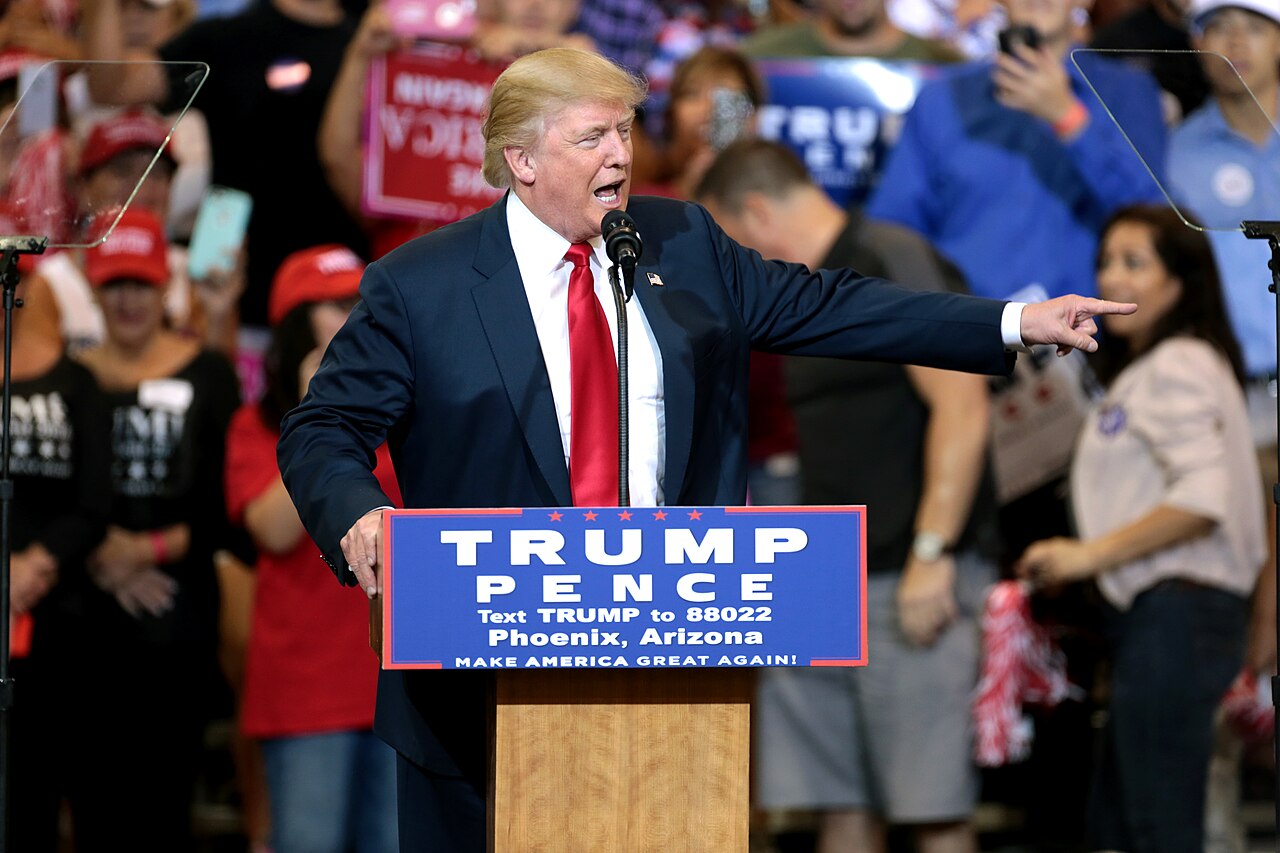
President Donald Trump turned his second straight Nobel Peace Prize snub into a rallying cry Friday night, spending nearly ten minutes of a packed Syracuse, New York, campaign rally denouncing Norway and the five-member Nobel committee for awarding the 2026 prize to South African jurist Navi Pillay. The Trump Nobel Peace Prize snub has been building for months, but Friday's outburst was his most personal yet: he called Pillay a “mystery person” nobody had heard of, declared he deserved “eight” Nobel medals — one for each war he claims to have settled — and told Norway, “we will not forget.”
Track it live: follow live global conflict developments on the Signal Post News live war tracker.
What Trump said in Syracuse
The prize was announced Friday morning in Oslo to Pillay, 85, for promoting peace and international law. Trump had made a last-minute Oval Office push for the award this week, part of an unusually public campaign for a sitting president. By the time he took the stage at the Nicholas J. Pirro Convention Center, where doors had opened at 3 p.m. ET and his remarks began around 7 p.m., several thousand supporters were waiting. He was also there to campaign for Republican gubernatorial nominee Bruce Blakeman.
Trump opened his Nobel riff with disbelief. “Today they gave out the Nobel Peace Prize to a person — I never heard of the person. Nobody did. It's a mystery person,” he said. Moments later he softened the sentence without retreating from the complaint: “I never heard of this particular person, but congratulations anyway.”
He then contrasted his own diplomacy with the international institutions Pillay has spent much of her career defending. “In all of the wars that I've settled, I never spoke to the United Nations. They were of no help to me,” Trump said. “The United States of America, represented by me as your president, should have received the Nobel Peace Prize, but didn't.”
The language escalated from disappointment to condemnation. Trump called the award “such a disgraceful and embarrassing decision” and “an indelible stain on the country of Norway.” He added: “The Nobel Peace Prize has been forever discredited by a handful of radical ideologues who are anti-democracy and, really, enemies of civilization.” His closing warning — “And we will not forget, Norway” — transformed a complaint about an independent committee into rhetoric directed at a NATO ally.
The numerical claim supplied the applause line. “We should have had eight Nobel Prizes for each war,” Trump said. “Think of it. Any one of these eight wars, you get the Nobel Prize. I did eight. No president's ever done any.” He also said he had “saved more lives than anyone in history” by preventing Iran from obtaining a nuclear weapon and was “about to settle or win two more: Iran and Russia.”
Trump invoked the previous year's winner, Venezuelan opposition leader Maria Corina Machado, saying she had offered to share her award with him. Pillay made her own pointed joke Friday, saying she “may share this prize with Trump” if her supporters clapped more. The exchange linked the Nobel Peace Prize 2025 and 2026 winners to Trump's continuing campaign for recognition, but neither comment changes the committee's formal rules or decision.
Why this matters
This was Trump's second straight snub for a prize he has openly coveted and campaigned for. Presidents have discussed their records and supporters have advanced nominations before, but the sustained public lobbying — and the direct attack after losing — is unusual. It makes the question of why Trump didn't win the Nobel Peace Prize part of his political brand rather than a private disappointment.
The diplomatic stakes are harder to measure. Norway is a NATO ally, while the Nobel committee is independent of the Norwegian government. Still, phrases such as “indelible stain,” “we will not forget” and “just another sign of how Norway and all these others are ripping off our country” carry trade-and-alliance undertones. That does not prove tariffs or another penalty will follow. It does mean Norwegian officials and businesses will listen closely for the grievance to migrate from rally language into policy.
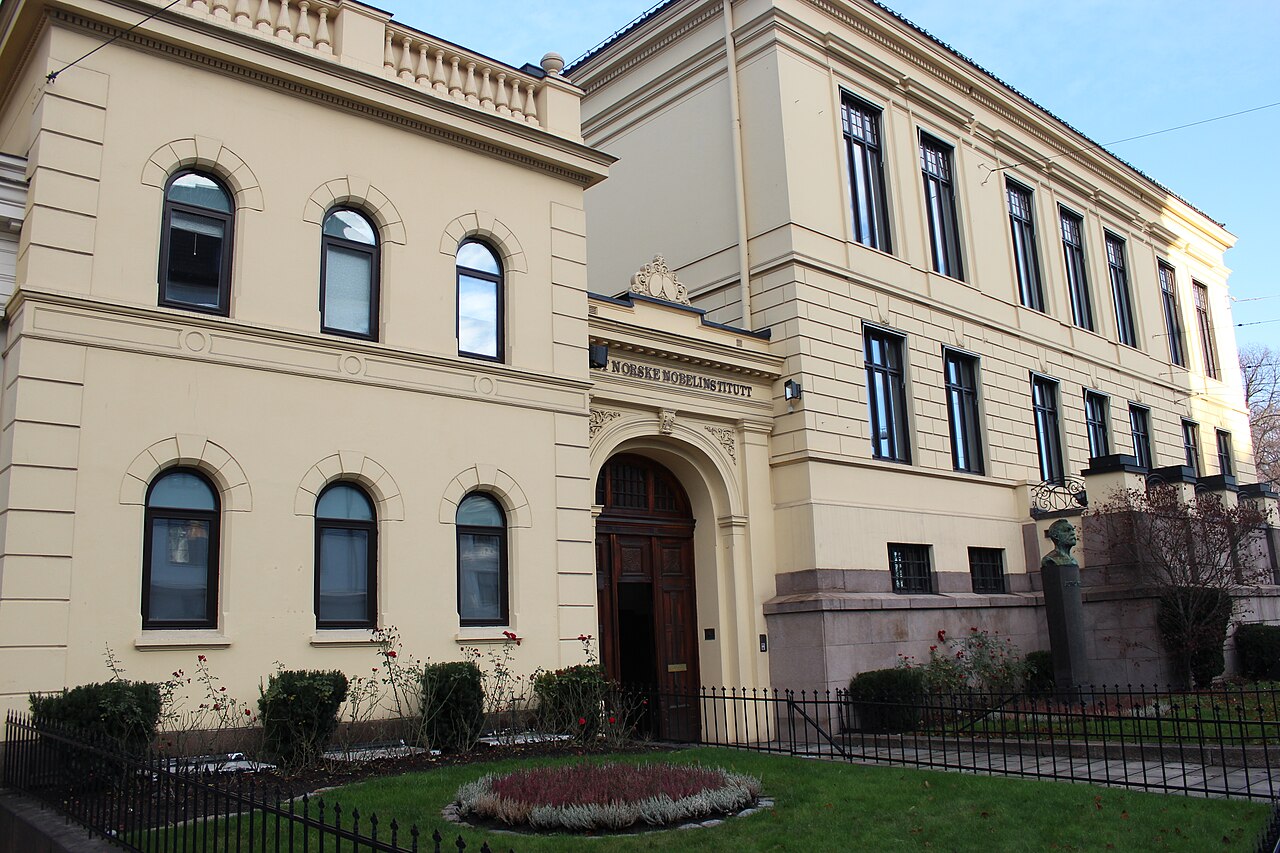
Committee chair Jorgen Watne Frydnes offered a counter-statement that did not name Trump but plainly described the terrain on which the selection was made. “The system of international law is under tremendous pressure and its institutions are under attack,” he said, warning of “a shift towards power politics at the expense of legal frameworks and global respect for law and justice.” Choosing Pillay in the same year the Trump administration sanctioned the International Criminal Court over its arrest warrant for Israel's prime minister reads as a defense of the rules-based order. That is analysis, not a disclosed secret motive from the committee.
The domestic timing is equally important. The November 3 midterms are 25 days away, and the Syracuse rally doubled as a Blakeman event. A Marist poll showed Blakeman trailing Gov. Kathy Hochul by 11 points, while a Siena survey last month put him within single digits. For supporters, the Nobel grievance fits a familiar story: Trump delivers results while international elites deny him credit. For opponents, it reinforces concern that personal recognition can shape presidential rhetoric toward allies. Either way, the snub is useful turnout fuel.
The 'eight wars' claim, examined
Trump did not name all eight conflicts in Syracuse. In previous speeches he has cited India and Pakistan, Kosovo and Serbia, the Democratic Republic of the Congo and Rwanda, Armenia and Azerbaijan, and Israel and Hamas. On Friday he added the two he said he was “about to settle or win”: Iran and Russia, shorthand for the U.S.-Iran conflict and Russia's war in Ukraine.
The Trump eight Nobel prizes claim depends heavily on definitions. A ceasefire can stop immediate killing without resolving the dispute that caused it. A truce can hold for months and then collapse. A hostage deal can save lives while the wider war continues. Critics say Trump's count mixes ceasefires, truces, hostage releases and ongoing wars, and they point out that the Russia-Ukraine war and the U.S.-Iran war, ongoing since February 2026, are not settled.
Supporters counter that this standard discounts practical diplomacy. They argue that no modern president has brokered as many separate arrangements in such a short span and point to hostage releases and pauses in combat as lives saved, even where a final peace treaty remains distant. The fairest reading is that Trump has participated in multiple consequential diplomatic efforts, while the claim of eight completed wars is broader than the public record supports.
Who is Navi Pillay
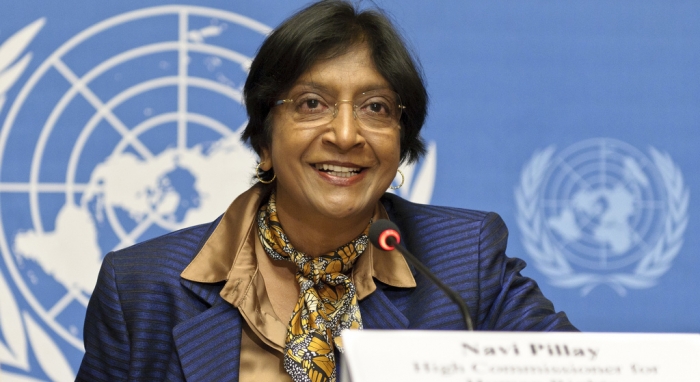
Navi Pillay is a South African lawyer, anti-apartheid figure and former UN High Commissioner for Human Rights whose career has centered on investigating crimes against humanity and strengthening international legal institutions. The Navi Pillay Nobel Peace Prize 2026 citation therefore rewarded a legal philosophy almost opposite to Trump's emphasis on leader-to-leader bargaining and national power.
Pillay also led the UN inquiry panel whose report concluded that Israel committed genocide in Gaza. Israel strongly rejected that conclusion, and its officials reacted sharply to her Nobel selection. The United States, meanwhile, sanctioned the ICC over its arrest warrant for Israel's prime minister. The Trump sanctions ICC Nobel committee context helps explain why the choice landed in Washington and Jerusalem as more than a personal snub: it signaled institutional support for international accountability mechanisms that both governments have challenged.
That does not make every judgment by Pillay or the institutions she served immune from dispute. It does explain the committee's logic. The prize was not simply awarded to a person Trump said he had never heard of; it was awarded to a career and worldview that the committee presented as especially urgent.
The numbers in context
Only a small group of U.S. presidents have won the peace prize. Theodore Roosevelt received it in 1906 for mediating the Russo-Japanese War. Woodrow Wilson won in 1919 for his role in creating the League of Nations. Barack Obama won in 2009, nine months into office — a decision criticized at the time as premature. Jimmy Carter received the 2002 prize after leaving office for decades of conflict mediation and human-rights work.
Trump has now been passed over two years in a row: Machado won in 2025, Pillay in 2026. That sequence matters politically because both choices can be narrated by his supporters as the committee preferring dissidents and international-law advocates over a sitting American president claiming direct peace deals. It matters institutionally because Nobel committees often reward a body of work or defend a threatened principle, not merely count agreements.
The rally calendar supplies the final number: November 3 is 25 days away. Trump is moving through the midterm circuit, and every extended riff needs to do more than revisit Oslo. It has to connect a grievance to votes. In Syracuse, the Nobel complaint became an argument that Blakeman's voters should also reject the institutions Trump says reject him.
What happens next
The first signal to watch is whether tariff or trade rhetoric toward Norway intensifies while NATO cooperation continues regardless. Presidents often use sharper language at rallies than their administrations use in formal diplomacy. A specific threat, agency action or trade measure would mark the shift from grievance to policy; absent that, “we will not forget” remains an ambiguous warning.
The 2027 prize campaign is effectively already running. Expect the Nobel riff to become a staple of the midterm rally circuit, especially because it compresses several Trump themes into one story: claimed dealmaking, resentment of international institutions and the idea that elites deny his accomplishments. The phrase “Nobel Peace Prize forever discredited” is likely to return because it allows him to dismiss the institution while still arguing he should have won it.
The real test of Trump's argument is his Friday claim that he is “about to settle or win” Ukraine and Iran. If either conflict ends through a durable agreement, his Nobel case gains new life. If both grind on, critics' point about “unsettled wars” hardens. Peace prizes can shape reputations, but events decide whether the underlying claims endure.
Sources and reporting notes
- New York Post: Trump goes off on Norway after Nobel Peace Prize decision
- USA Today: Donald Trump reacts to Nobel Peace Prize loss
- Washington Examiner: Trump calls decision an indelible stain on Norway
Claims and quotations are attributed to the reports above. Statements about the conflicts Trump says he settled remain contested; the analysis distinguishes those claims from confirmed outcomes.