Trump Iran war energy prices
- Trump Iran war energy prices
- Chris Wright Face the Nation
- gas prices before midterms 2026
- Iran October surprise ships
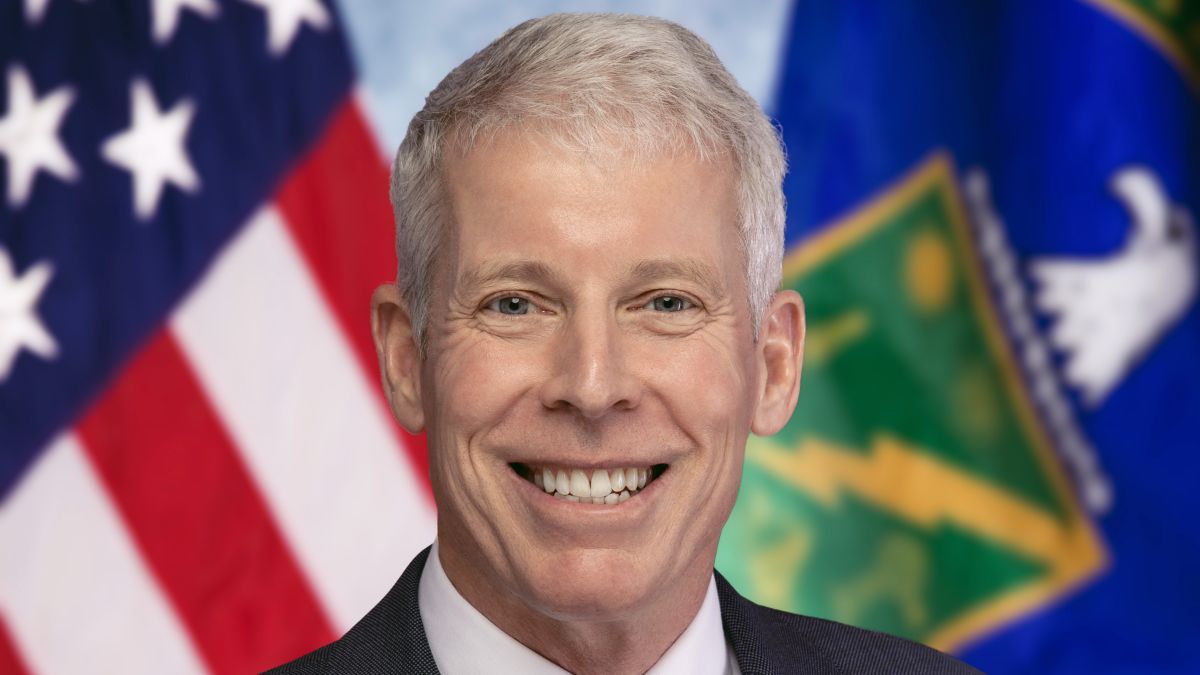
Wright's answer supplied the clearest administration account yet of what Trump understood before the war began. He said the president was “well aware of the risk to energy flows,” especially through the Persian Gulf, and nevertheless chose to attack. Wright summarized the decision as: “I'm going to take a hit there, but I got to do the right thing,” adding that “the world cannot sustain a nuclear-armed Iran.”
That admission matters because it shifts the argument away from whether the price shock was predictable. The administration says it was predictable. The dispute is now over judgment: whether the strategic objective justified imposing higher transport, food and household costs, and whether the White House can deliver the relief it says is coming before voters cast midterm ballots.
Why this matters
Energy shocks travel faster than most foreign-policy consequences. A strike ordered in Washington can appear within days on a service-station sign, then move into freight bills, airline fares, farm inputs and grocery shelves. Households that never follow Gulf security still encounter the war through the price of commuting and delivery. Small businesses with thin margins absorb the same increase before they can adjust prices.
Wright also attached a political clock to the economic promise. He predicted fuel prices would decline within four weeks. When host Margaret Brennan asked whether that meant before the November midterms, he replied, “Absolutely.” The claim converts a market forecast into a testable campaign promise. If prices fall, the White House will argue its strategy imposed a temporary cost for a durable security gain. If they do not, voters will be reminded that Trump proceeded with his eyes open.
What Wright said on Face the Nation
The Energy secretary offered two messages at once. First, the war decision was deliberate rather than accidental: Trump understood the risk to oil and fuel flows and accepted it. Second, the disruption is supposed to be temporary. Wright said diesel had already fallen slightly more than 20 cents and “you should see it below $6 before too long.”
He also said ending the war would “dramatically lower energy prices” and described Trump as having “worked ceaselessly to try to end this war.” Those statements contain the administration's central tension. If peace is the quickest route to relief, then the duration and scope of military action are not separate from affordability; they are among its main variables.
Wright would not say whether Trump might resume military action after the midterms. Brennan pressed him on a Wall Street Journal warning about an Iranian “October surprise,” including continuing attacks on ships, and on possible tariffs against China for buying Russian oil. He declined to provide a clear post-election military commitment.
From February's strikes to a household price shock
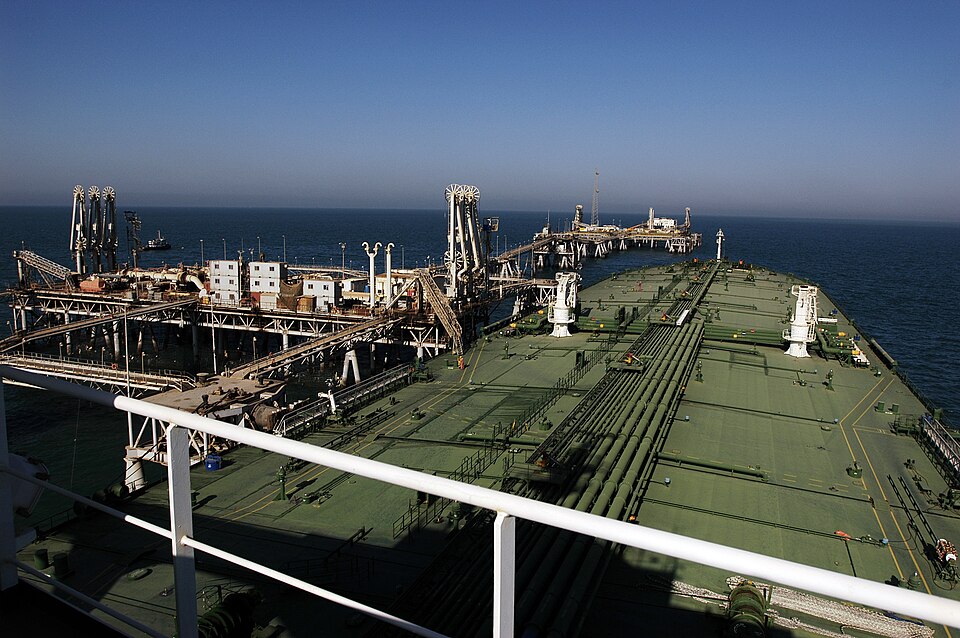
The administration launched strikes in February after concluding that Iran's nuclear trajectory posed an intolerable risk. The military campaign and subsequent threats to shipping disrupted expectations around the Strait of Hormuz, the narrow outlet for a large share of globally traded petroleum. Even when physical volumes keep moving, insurers, shipowners and traders price the chance that they may not.
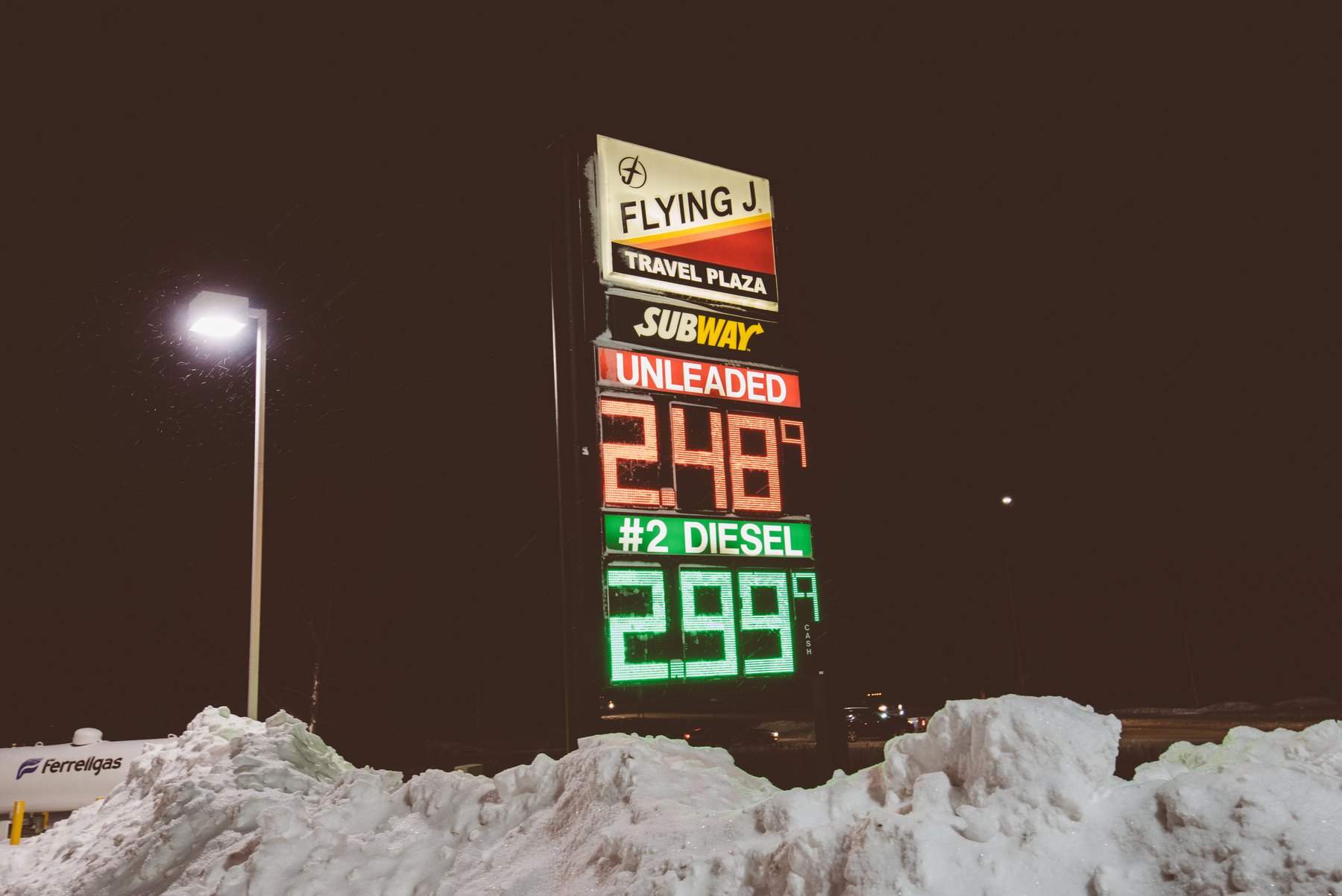
The brief supplied for this analysis puts the before-and-after gasoline move at $2.98 to $4.37 per gallon, based on AAA figures, while diesel climbed above $6.50. That is a $1.39 increase for gasoline, roughly 47% from the cited starting point. On a 15-gallon fill-up, the difference is about $20.85. For a household filling once a week, that is more than $1,000 at an annualized pace before accounting for higher prices embedded in delivered goods.
Diesel carries an even wider multiplier because trucks, construction equipment, farms and many industrial operations depend on it. A decline of more than 20 cents is meaningful but does not erase a level still near $6. The question is not merely whether the line has turned down; it is how far and how reliably it falls.
The emergency response: reserves and an export-ban threat
Governments have tried to cushion the shock. The Group of Seven's move to release diesel from strategic reserves sought to replace disrupted supply and calm refined-product markets. Read Signal Post News's analysis of the G7 and European diesel reserve release.
Trump also raised the possibility of restricting U.S. diesel exports if domestic prices failed to ease, a step European officials warned could tighten their own market. That ultimatum is examined in our report on the Trump diesel export-ban warning and Europe's response.
Both measures redistribute scarcity rather than create new barrels overnight. Reserve releases buy time. Export limits can lower pressure in one country while raising it elsewhere, inviting retaliation or reducing incentives for refiners. Durable relief requires restored shipping confidence, added supply, weaker demand or some combination of all three.
The competing political cases
The administration's “right thing” argument
Wright's framing is morally direct: preventing a nuclear-armed Iran was important enough to justify a foreseeable economic penalty. It asks voters to judge the decision against the consequences of inaction, not against a painless alternative that may never have existed. Supporters will argue that leaders are elected to absorb short-term political damage when security is at stake.
The affordability critique
Critics will say that acknowledging the risk strengthens the case for accountability. The price surge was not an unforeseeable accident; it was a cost imposed after a conscious choice. For families already stretched by rent, food and borrowing costs, the phrase “take a hit” can sound detached from who actually pays it. The president does not buy every gallon consumed by a commuter, truck fleet or farm.
The unanswered October-surprise question
Brennan's shipping question goes to the credibility of Wright's four-week forecast. If Iranian attacks on vessels continue, insurance and freight premiums can remain elevated even without a full closure of Hormuz. A single high-casualty or high-profile incident could reverse weeks of gradual price declines in one trading session.
China, Russian oil and the tariff loop
Potential tariffs on China for buying Russian oil add another layer. The policy goal would be to squeeze Moscow's revenue and pressure Beijing's purchasing behavior. But tariffs can also raise import costs and provoke retaliation while reshuffling global oil trade. Combining pressure on Iran, Russia and China may strengthen a sanctions coalition, or it may push those governments toward deeper energy coordination.
Who pays — and who gains
Motorists see the cost first, but lower-income workers with long commutes generally devote a larger share of income to fuel. Trucking companies and independent drivers face diesel exposure; retailers and consumers then split the freight surcharge. Airlines, petrochemical producers and farmers carry their own versions of the same risk.
Domestic producers and refiners can benefit from higher prices or wider margins, though volatility complicates investment. Alternative suppliers outside the conflict zone gain bargaining power. Strategic-reserve releases help consumers in the short run but leave governments with a later replenishment decision, potentially at elevated prices.
The White House is therefore managing two scorecards: national security and distribution. A policy can succeed on the first while imposing uneven losses on the second. Wright's interview was notable because it did not deny that trade-off; it defended it.
What happens next: three scenarios
Analysis — prices fall before the midterms. Shipping risk eases, diesel continues its decline and gasoline follows. Wright's four-week call looks prescient, while the administration argues the worst shock was temporary. The political benefit depends on the level voters see, not merely the direction: a fall from an extreme high can still leave families paying much more than before February.
Analysis — prices stay high. Fighting continues without a major escalation, but insurers and traders keep a war premium in every barrel. Reserve releases and domestic supply blunt the increase without restoring prewar prices. In this middle case, the “right thing” defense remains strategically coherent but becomes harder to sell as an affordability success.
Analysis — Iran escalates at sea. A serious ship attack, expanded mine threat or renewed military exchange raises the probability of a Hormuz disruption. Oil and refined-product prices jump, Wright's timeline fails, and pressure grows for either a wider military response or faster diplomacy. The administration would then confront the unresolved question Brennan posed: whether Trump is prepared to resume major action after the election.
The bottom line
Chris Wright did more than defend an energy forecast. He confirmed the president's knowledge at the decision point. Trump understood that war with Iran could lift fuel prices and ordered the strikes anyway because he judged the nuclear threat more dangerous. That may be a defensible choice, but it cannot be separated from the bill households received.
The next four weeks will test the second half of the administration's case. If prices fall, the White House can claim that it managed a known shock. If they do not, Wright's interview will stand as an unusually clear admission that the economic pain was foreseen — and accepted.
Sources
- Interview: CBS News Face the Nation — Margaret Brennan interviews Energy Secretary Chris Wright
- Conservative Treehouse — interview transcript and video
- Newsmax — Wright on Trump's risk assessment and fuel-price forecast
- Washington Examiner — Trump was aware the Iran war could raise energy prices, Wright says
- Daily Caller — China, Russian-oil tariffs and Brennan's questions
Reporting basis: Quotations and the four-week price forecast come from the CBS interview and transcript. Price comparisons and related policy context follow the cited Signal Post News coverage and the reporting brief assembled from the listed outlets. Analysis sections are explicitly labeled and do not represent confirmed future events.