Trump diesel export ban
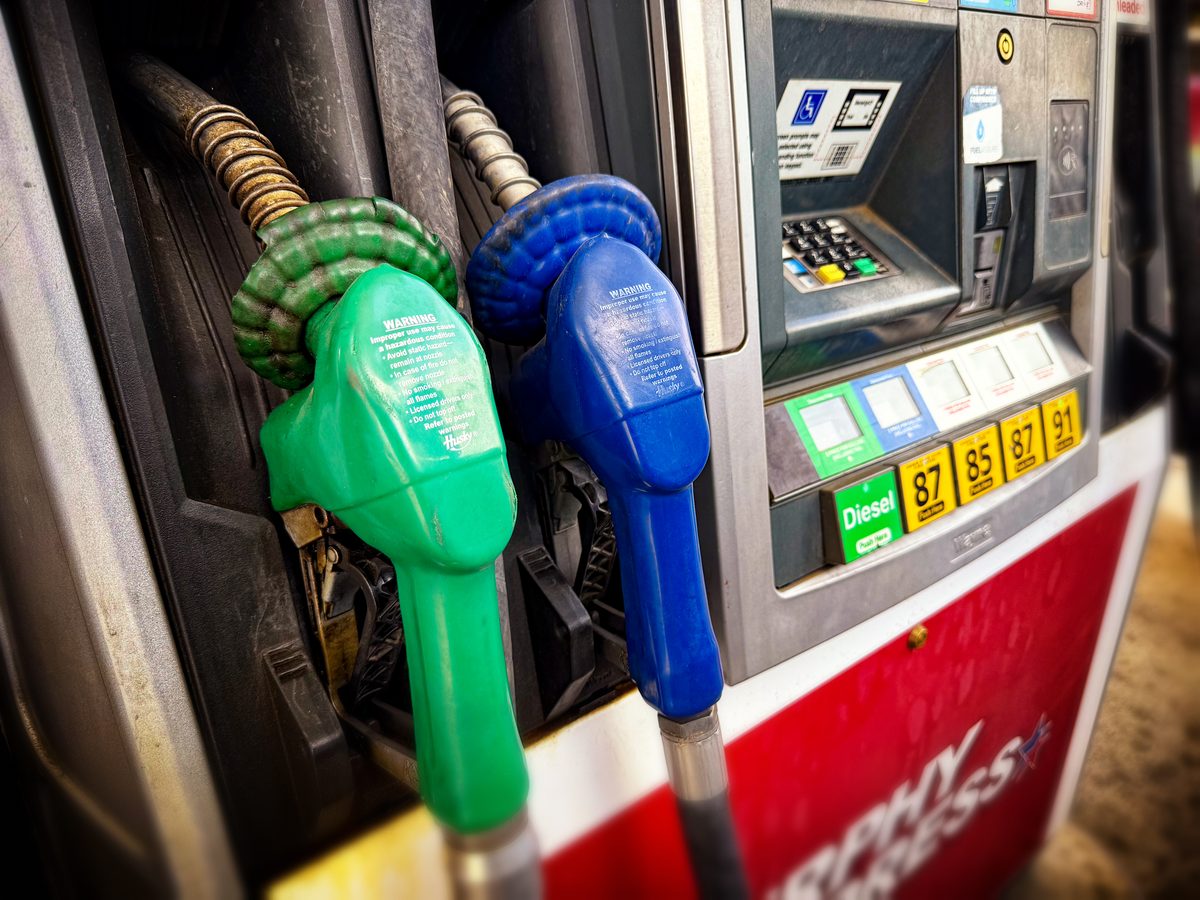
The Trump diesel export ban under discussion in Washington has prompted an unusually direct warning from Brussels. Politico reported Wednesday, citing five people familiar with the matter, that the Trump administration was preparing a 90-day prohibition on U.S. diesel exports as it searched for a way to lower domestic fuel prices before the November midterm elections. The proposal is reported, not finalized, and a White House official denied that an outright ban had been decided while saying options remained under review.
President Donald Trump had put the idea into public view at the United Nations on Tuesday. “I've said let's not send out the diesel,” he said, adding that a decision would come “fast, one way or the other.” On Thursday, September 24, European Commission deputy chief spokesperson Olof Gill said Brussels was watching plans that could cover exports to the European Union “with concern.” He warned that “such disruption could have negative repercussions for both sides” and said close partners should consult before adopting measures likely to affect shared markets. Gill added that high-level EU-U.S. contacts were under way.
The dispute lands in a market already under severe strain. AAA put the average U.S. diesel price at about $6.52 a gallon this week, 76% above its year-earlier level. European Commission member-state data put average EU retail diesel at a record €2.23 a litre, while European diesel futures have more than doubled since the start of 2026. The United States supplied roughly half of EU diesel imports in August. A temporary export restriction designed to ease American prices would therefore transfer part of the shortage toward a closely integrated ally—and could feed back into the United States through lower refinery utilization, tighter global supply and higher prices for other petroleum products.
Why this matters: the pump price behind the policy
Diesel is not simply another price on a roadside sign. It powers the trucks that move food and parcels, the tractors and harvesters that work farmland, and the heavy equipment used in construction, mining and public works. A sustained increase reaches households indirectly through freight surcharges, grocery bills and project costs even when consumers do not own a diesel vehicle. That is why the US diesel price $6.52 record has become both an inflation problem and a political one.
The electoral logic behind a 90-day diesel export ban midterms proposal is straightforward. A restriction announced in late September would cover the final weeks before November voting, giving the administration a highly visible response to a record price. If more barrels stayed in the United States, spot supplies in some regions could loosen and wholesale prices could fall. The policy would also allow Trump to argue that American production should serve American consumers first.
But the mechanism is less reliable than the slogan. Refineries do not produce diesel in isolation: a barrel of crude becomes a mix of diesel, gasoline, jet fuel and other products. Export access lets refiners run at high rates and sell that entire slate into the markets offering the best return. If a ban traps diesel where storage or regional pipelines cannot absorb it, margins may fall enough for plants to cut throughput. That would reduce output of several fuels, not merely exported diesel, and could erase some of the intended domestic relief.
The duration also matters. Ninety days is long enough to disrupt contracts, shipping programs and refinery schedules, but short enough that buyers may treat the measure as a political intervention rather than a durable supply reform. Traders could front-load purchases before implementation, amplifying volatility. Importers could pay more to secure replacement cargoes. Even if U.S. pump prices decline briefly, the broader market may price in the risk that future exports can be halted whenever domestic costs become politically difficult.
Europe's diesel dependence by the numbers
The European Commission diesel exports warning reflects a dependency that became more concentrated after Russia's full-scale invasion of Ukraine. Europe consumes more middle distillates than its refineries produce. Since the EU banned imports of Russian diesel and other refined products in February 2023, buyers have relied more heavily on the United States, the Middle East and India to fill the gap.
In August, the EU diesel imports US 50 percent figure meant roughly one of every two imported barrels came from American refiners. Europe is described in market reporting as running a structural diesel deficit on the order of 500,000 barrels a day, with U.S. cargoes central to covering it after the Russian ban. Those flows are not a marginal convenience. They connect Gulf Coast refinery output to European trucking, farming and industrial demand.
The price signals show how little spare capacity the market believes is available. EU-wide average retail diesel reached €2.23 a litre in European Commission member-state data, a record, while the European diesel futures doubled 2026 trend captures the wholesale shock. Futures are not the same as retail prices: taxes, distribution costs and local inventories influence what drivers pay. But the two measures point in the same direction—Europe entered this argument with both physical scarcity and elevated expectations of future scarcity.
A U.S. ban would not eliminate Europe's access to diesel, but replacement barrels would have to travel farther or be bid away from other buyers. Cargoes from the Middle East or Asia could move toward Europe if price spreads justify the voyage. That adjustment would take time, increase freight costs and expose importers to shipping risks. The immediate effect would likely be a higher European premium, followed by competition among regions rather than a clean redistribution of abundant supply.
Who wins, who loses — and what critics say
American truckers, farmers and freight-intensive businesses are the intended winners. If keeping exports at home lowers wholesale diesel and the reduction reaches retail pumps, transport operators would gain quickly and consumers could benefit more slowly through supply chains. The largest gains would go to businesses whose margins are most exposed to fuel and that cannot readily pass higher costs to customers.
Refiners are the central potential losers—and their response could determine whether the policy works. Energy Secretary Chris Wright said Wednesday that “the blunt tool of banning diesel exports definitely doesn't work,” arguing that it would reduce refinery output. The Chris Wright diesel export ban objection is a warning about incentives: a plant will not necessarily keep running at the same rate if one of its key export outlets closes and domestic storage fills.
That split means even U.S. drivers face a mixed outlook. A short-lived local surplus could lower prices in export-connected Gulf Coast markets, but reduced runs or logistical bottlenecks could limit relief elsewhere. Gasoline and jet-fuel users could be affected if lower refinery throughput tightens those products. The policy's success would therefore depend on where inventories build, how quickly pipelines and storage adjust, and whether refiners maintain crude runs despite weaker export economics.
Europe's hauliers, farmers and manufacturers would bear the most immediate external cost. Diesel-heavy economies would face higher operating expenses just as the Commission is trying to manage inflation and energy security. Global South importers could lose as well: if Europe outbids them for replacement cargoes, countries with less purchasing power may face shortages or sharper price rises. A bilateral U.S.-EU dispute can thus become a distributional shock across Latin America, Africa and Asia.
The White House position remains deliberately open. Its official's denial that an outright ban had been decided is important, because preparation and review are not adoption. Politico's reporting identifies a live proposal and people familiar with it; it does not establish that Trump has approved the measure or that its final design would cover every destination and grade. Markets will react differently to a universal prohibition, exemptions for allies, a quota, or a reserve requirement.
Background: from Russia's exit to the Hormuz shock
Europe's present vulnerability was shaped by the 2023 ban on seaborne Russian refined products. Before that measure, Russia was a dominant diesel supplier to the continent. The ban was intended to reduce Moscow's energy revenue after the invasion of Ukraine, but it also forced a major redirection of trade. Europe drew more supply from U.S. refiners; Russian barrels found other buyers; and cargoes, intermediaries and shipping routes became more complex.
That rerouting worked while enough refining capacity and shipping access remained available. The Strait of Hormuz diesel supply crisis has weakened that assumption. Disruption around the waterway has raised risk across crude and refined-product routes linked to Gulf producers, tightening the same global pool Europe would need if U.S. cargoes disappeared. The proposal therefore arrives not in a normal market, but during a layered supply shock.
There is also no close recent precedent for a broad U.S. ban on exports of a finished fuel product of this scale. Washington has used sanctions, emergency waivers, strategic reserve releases and temporary measures during disasters. A nationwide prohibition aimed at reducing an election-year pump price would test different legal, commercial and diplomatic boundaries. Contracts signed before the measure, cargoes already on the water, free-trade obligations and destination exemptions would all require rules.
The historical lesson from export controls is that visible domestic relief can be offset by hidden costs. Price gaps widen across regions, traders redesign routes and producers invest around policy risk. The question is not whether Washington can interrupt a flow; it can. The question is whether doing so creates more usable diesel for U.S. consumers after refineries, storage operators and foreign buyers respond.
What happens next
The first formal European checkpoint is the EU Oil Coordination Group September 29 meeting on Tuesday. Officials can compare national stock levels, exposure to U.S. supplies and contingency options. The group cannot replace half of Europe's imported diesel by declaration, but it can coordinate information, consider demand-restraint measures and prepare a common response rather than leaving member states to compete against one another.
Scenario one: Washington imposes the full 90-day ban. U.S. Gulf Coast diesel prices would probably weaken first as export cargoes are redirected, while European benchmarks and freight rates rise. The durability of any American benefit would hinge on refinery runs. If plants maintain output, the administration could claim near-term success. If runs fall, the initial discount could narrow and shortages could emerge in regions poorly connected to the trapped supply. Europe would accelerate replacement buying and may seek formal consultations under trade rules.
Scenario two: the administration walks the proposal back. A clear rejection could remove the immediate European risk premium, though it would not reverse the underlying scarcity behind record prices. Trump could instead lean on refiners, use targeted waivers or argue that public pressure secured voluntary supply commitments. Politically, that path carries the cost of appearing to retreat after raising expectations of fast action.
Scenario three: partial measures replace a ban. Minimum-inventory rules, destination-based exemptions, temporary licensing, reporting requirements or limits tied to domestic stock levels could keep more fuel at home without closing the export market. These tools may reduce the shock to allies, but they add administrative complexity and can still discourage refinery output if companies cannot predict when exports will be allowed. An EU exemption would soften the diplomatic conflict while inviting other importers to demand equal treatment.
Brussels' emphasis on consultation is an attempt to shape that third path before a decision. If the United States acts without coordination, the EU could raise World Trade Organization questions about quantitative export restrictions while first pursuing high-level talks. A formal dispute would move more slowly than the proposed 90-day measure, so the immediate contest is diplomatic and commercial rather than judicial. European officials are likely to press for exemptions, advance notice and evidence that Washington has assessed effects on shared markets.
The key indicators are now concrete: the text and scope of any White House order; U.S. refinery utilization and diesel inventories; price spreads between the Gulf Coast, New York Harbor and Europe; the results of the September 29 EU meeting; and whether traders book replacement cargoes from farther afield. Until Washington publishes a decision, the sound conclusion is bounded: the export ban is a serious reported option, not settled policy, and its capacity to lower American prices depends on avoiding the refinery response its own energy secretary has warned about.
Related reporting: oil below $100 as markets price a Trump–Xi summit · record diesel and a hawkish Federal Reserve · the U.S.–Iran proposal for the Strait of Hormuz
Reporting basis: Fixed September 25, 2026 snapshot. Government claims are attributed; analysis is Signal Post News's. The page does not update at open.