Kentucky / Trump rallies the base in a safe state — while protesters rally everywhere else
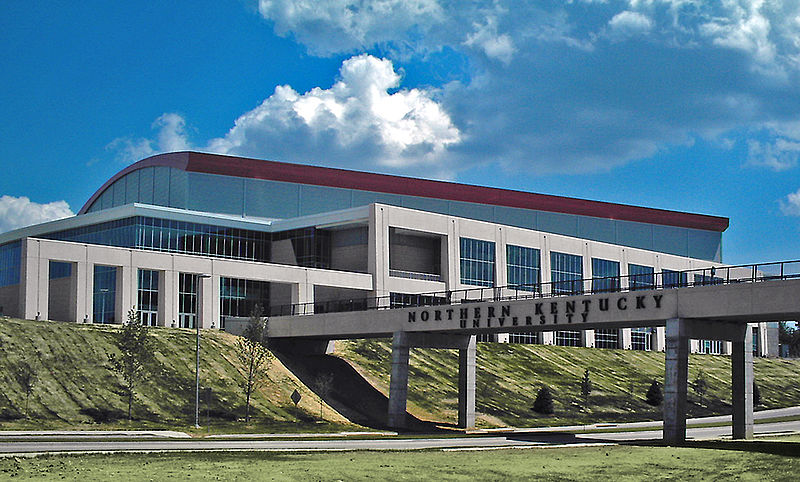
The president's day described an arc between his two political homes. He started Saturday at Mar-a-Lago in Palm Beach, Florida, was scheduled to fly to Kentucky at midday, and was expected back in Palm Beach by evening. The event itself was free, but registration was required, with a maximum of four tickets per registration — the standard format of a stop designed as much to harvest supporter data and local news coverage as to fill seats. Highland Heights police warned of heavy traffic and road closures around the university between 6 a.m. and 6 p.m., the Cincinnati Enquirer reported.
Trump midterm rally in Highland Heights: who was on the bill
Two candidates gave the rally its purpose. Andy Barr, the Republican congressman from Lexington, is the GOP nominee for the U.S. Senate seat being vacated by Mitch McConnell, the former Republican leader whose retirement closes an era in Kentucky politics. Barr faces Democrat Charles Booker, a former state representative. Barr told reporters earlier in the week that the White House had offered him a speaking slot, calling the visit "an important opportunity for all of us who are running for office" and adding that "the President obviously cares very much about the midterm elections," the Kentucky Lantern reported. The second name was Ed Gallrein, the Republican nominee in Kentucky's 4th Congressional District, the district that contains Highland Heights itself. Ralph Alvarado, the Republican nominee in the neighbouring 6th District, was not attending; his campaign said he had events scheduled in Montgomery County.
Ed Gallrein, Thomas Massie and the Hebron rematch
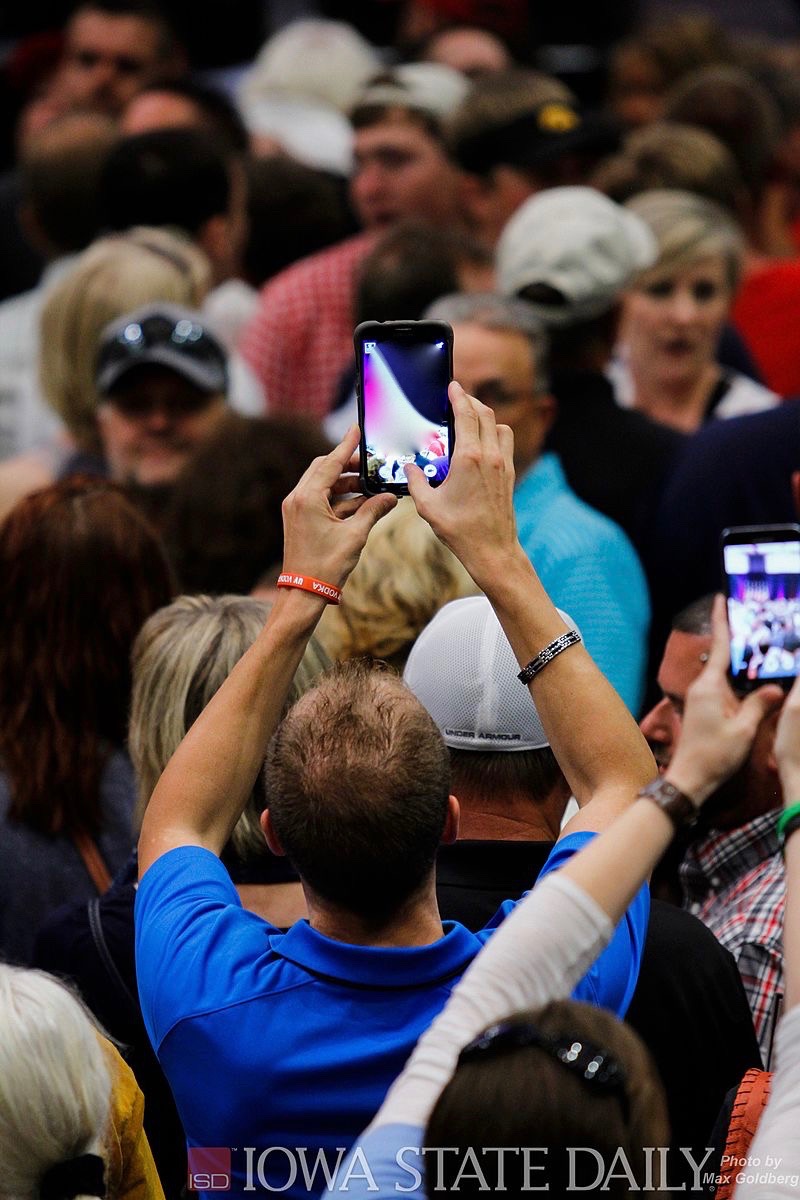
Gallrein's presence explains the geography. Trump came to Kentucky's 4th District in March, rallying in Hebron for Gallrein's primary challenge to Representative Thomas Massie, one of the few Republicans in Congress who regularly votes against and publicly criticises the president. Gallrein won the May primary. Returning to the same district in October is therefore partly a victory lap — a demonstration that a Trump endorsement, delivered in person, can retire a Trump critic — and partly insurance in an open-seat race the party cannot afford to fumble. The Courier Journal offered the same reading alongside two others: firing up a discouraged Republican base, and needling Kentucky's Democratic governor, Andy Beshear, a possible 2028 presidential candidate. All three motives can be true at once, and none requires Kentucky to be competitive.
Solid Republican on paper: what the Kentucky midterm elections actually hinge on
That is the day's central oddity. The Cook Political Report rates both the Kentucky Senate race and the 4th District as "solid Republican" — its least competitive category. Kentucky is not a battleground for control of the Senate, and no serious forecaster expects either race to be close. Yet the president spent a Saturday of the final three weeks before the November 3 midterms here rather than in a state that will decide the majority. The White House's calculation, as Republicans describe it, is about turnout rather than persuasion: in a midterm year, the danger in safe states is not conversion but abstention — supporters who assume the outcome and stay home, depressing margins and dragging down-ballot races with them. A presidential rally is a turnout machine and a local-media event at once. The counter-argument, made by Democrats, is that the itinerary itself is the tell: a confident president does not spend October Saturdays shoring up Kentucky. Both readings share one premise — that with an approval rating the Enquirer put at 36 percent, a record low, the president's coattails in 2026 are a resource to be managed carefully, deployed where the base needs waking rather than where swing voters need convincing. His October 3 rally in Vandalia, Ohio, fits the same pattern: a second Cincinnati-area visit in a fortnight, again in deep-red territory.
Outside the arena: students, a lone protester, and a frosty morning
Not everyone on campus welcomed the visit. On Friday, a group of NKU students protested the rally, telling the student newspaper The Northerner that they were angry both at the visit and at what they described as a lack of notification from the university; NKU officials said the event was organised by Trump allies rather than the university, which was why notification had not come from the school. On Saturday morning, in frosty weather — a high near 54 degrees and a low around 31 were forecast — a lone protester, Paul Dieterlen, 32, of Ryland Heights, was outside by 8:30 a.m. carrying a hand-lettered sign, while supporters streamed past him into the parking lots. One, Nikki Reed, 62, of Villa Hills, told the Enquirer she came simply to show her support for the president and cited his intervention in Iran among his accomplishments.
No Kings: Vote Early — the other rally, in 3,000 places at once
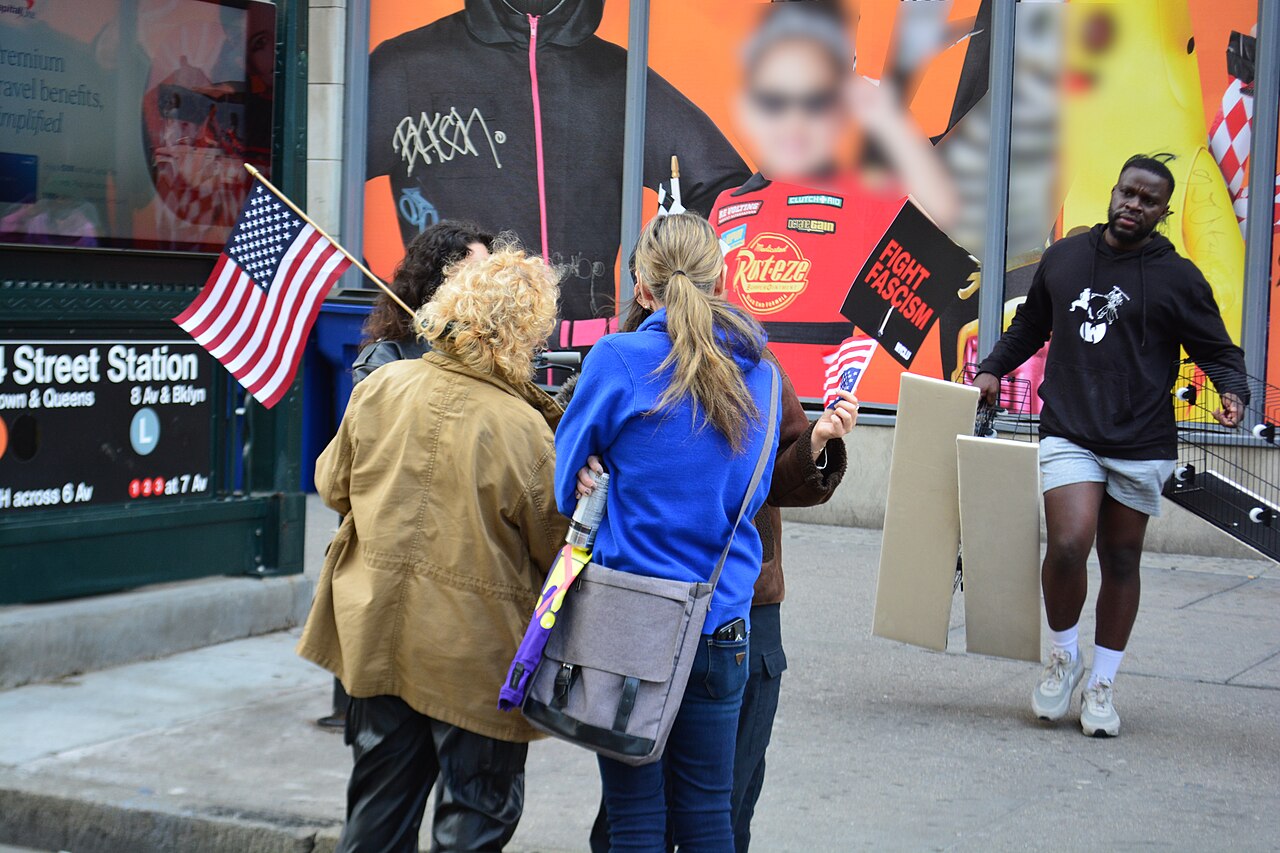
The president was not the only one organising on Saturday. The No Kings coalition — the network behind three previous nationwide protest days against Trump since the start of his second term — held its fourth, rebranded "No Kings: Vote Early," with more than 3,000 events across all 50 states, including five in Palm Beach County alone: Palm Beach Gardens, West Palm Beach, Boynton Beach, Boca Raton and Wellington, in the county the president had left that morning and would return to that night. This round was explicitly reframed around the ballot box. Ezra Levin, co-founder of Indivisible, one of the coalition's lead groups, told USA Today that the first three protest days were designed to send a message and that organisers were "done sending a message": the new goals were to produce record midterm early-voting turnout and to recruit and train poll watchers. In Palm Beach County, early voting runs from October 19 through November 1; nationally, in-person early voting had already begun in more than half of states by Saturday. The White House answered through spokeswoman Lauren Bis, who said the organisers' focus on voting showed they should change their name, and framed November as a choice between Republican policies and what she called the Democrats' extreme agenda. House Speaker Mike Johnson has previously called the protests a "Hate America Rally," a label organisers reject, describing their events as nonpartisan voter-participation efforts. Our full report is at No Kings: Vote Early and its 3,000 events.
Why this matters
Saturday's two mobilisations are the same election seen from opposite ends. Trump's Highland Heights rally is the incumbent's instrument: a single stage, a single voice, a crowd counted in thousands, aimed at voters who already agree and need a reason to show up. The No Kings day is the opposition's answer in kind: no stage at all, but thousands of small ones, aimed at converting protest energy — a resource that dissipates — into early ballots, which do not. Midterm elections are turnout elections, decided less by persuasion than by which coalition's reluctant voters bother. Both camps plainly agree: the president spent his Saturday in a state he will win, and his opponents spent theirs telling people to vote early anyway. The 36 percent approval figure hangs over both strategies — low enough to make Republican turnout the whole game in November, and low enough to make Democrats believe a turnout surge is there to be organised. Kentucky's races will almost certainly end as the Cook Political Report predicts. What Saturday was really measuring — in an arena in Highland Heights and at five intersections in Palm Beach County — is which side's theory of its own voters is right.
What happens next
The calendar now tightens. Early voting expands state by state over the coming week — Palm Beach County's opens Monday, October 19 — and the No Kings network's poll-watcher recruitment moves from rallies to training sessions. Trump's rally tour continues through the final fortnight before November 3, and where he goes next will refine the map-reading offered here: more safe-state base stops would confirm the turnout theory; a pivot to genuinely contested Senate states would suggest private polling sees persuasion targets after all. The next hard data point is not a speech but a number: the early-vote totals reported over the coming days, which will show whether either Saturday mobilisation moved anyone from a crowd to a ballot.
Sources: Cincinnati Enquirer live coverage, Oct. 17, 2026 (rally logistics, 36 percent approval rating, campus reaction); Louisville Courier Journal, Oct. 17, 2026 (attendees, Cook ratings); Kentucky Lantern, Oct. 13, 2026 (times, registration, Barr remarks); Palm Beach Post and USA Today reporting, Oct. 15-17, 2026 (Mar-a-Lago schedule, five Palm Beach County No Kings events, Levin and Bis statements). Related on Signal Post News: No Kings: Vote Early — 3,000 events · Trump's Vandalia, Ohio rally, Oct. 3.