Trump threatens to fire advisers
The president says he'll fire his top midterm strategists “immediately” if their lucrative consulting for Republika Srpska's ruling party creates a conflict — a rupture inside his own campaign machine 27 days before the midterms.
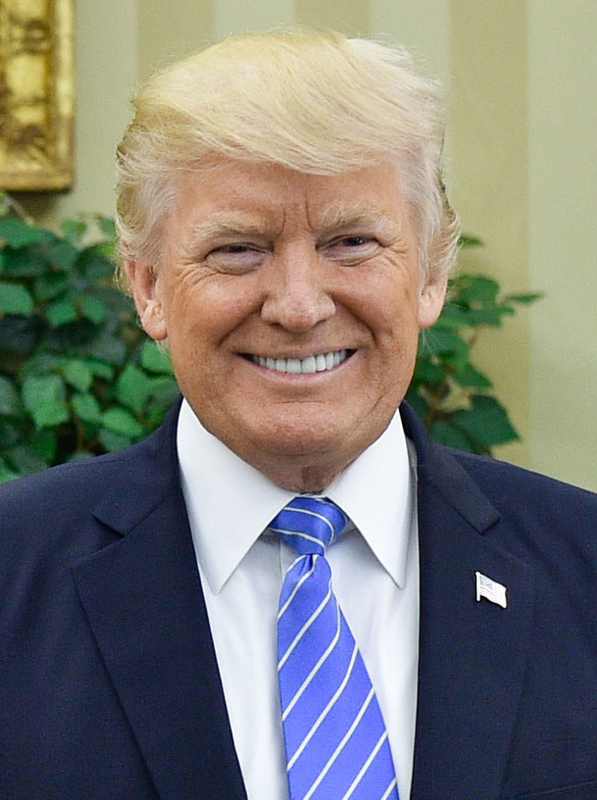
President Donald Trump said Wednesday he would “terminate” two of his most important campaign operatives — Chris LaCivita and James Blair — “immediately” if their paid consulting for a political party in Bosnia amounts to a conflict of interest. Trump threatens to fire advisers after a New York Times investigation reported Tuesday that the pair traveled to the Bosnian Serb territory of Republika Srpska to advise the Alliance of Independent Social Democrats, or SNSD, ahead of elections there on Sunday. The party is led by Milorad Dodik and is described as pro-Russian by Reuters and the New York Post.
The revelation creates a delicate test for Trump because LaCivita and Blair are not peripheral figures. Reuters reported that the president had tapped them to lead campaign operations before the November 3 U.S. midterm elections. Their outside work may be lawful and consistent with Washington consulting practice, as Trump emphasized. The unanswered question is whether the Bosnia engagement created a conflict with their U.S. political responsibilities. No one involved has been accused of a crime.
What the Times found
The New York Times investigation, summarized by Reuters and the New York Post, established the core facts of the LaCivita Blair Republika Srpska consulting arrangement: the two operatives visited Republika Srpska, one of the two entities that make up Bosnia and Herzegovina, to do paid political work for Dodik's SNSD ahead of the October 11 election. The Post reported that the men received “hundreds of thousands of dollars each.” Neither man had publicly disputed that reporting by Wednesday morning.
The timing drew particular attention. The Post said the report prompted surprise because the strategists were focused on Republika Srpska's election while Republican candidates in the United States were struggling in polling. That reaction is not proof that their outside work harmed the midterm operation, but it sharpens a legitimate campaign-management question: how did the two assignments overlap, and what safeguards governed them?
Trump's response: “outside consultants”
Trump's Truth Social statement both defended the structure of the relationship and left open the possibility of dismissal. The men “do not work for me, other than as outside consultants,” he wrote. He added: “They are allowed to do work for others, just like all consultants in Washington, D.C.”
The president then drew a boundary. “I do not have any idea who else they work for but will, on reflection, ask them and, if there's a conflict, I will terminate them, immediately!” Trump wrote.
Read closely, the statement does not characterize outside consulting itself as misconduct. It reflects Trump's stated view that multiple clients are normal in Washington. At the same time, it acknowledges that he did not know the advisers' full client roster and says he will examine whether this particular engagement conflicts with their campaign role. The Trump Truth Social terminate advisers threat therefore turns on facts the president says he has not yet reviewed.
Who Chris LaCivita and James Blair are
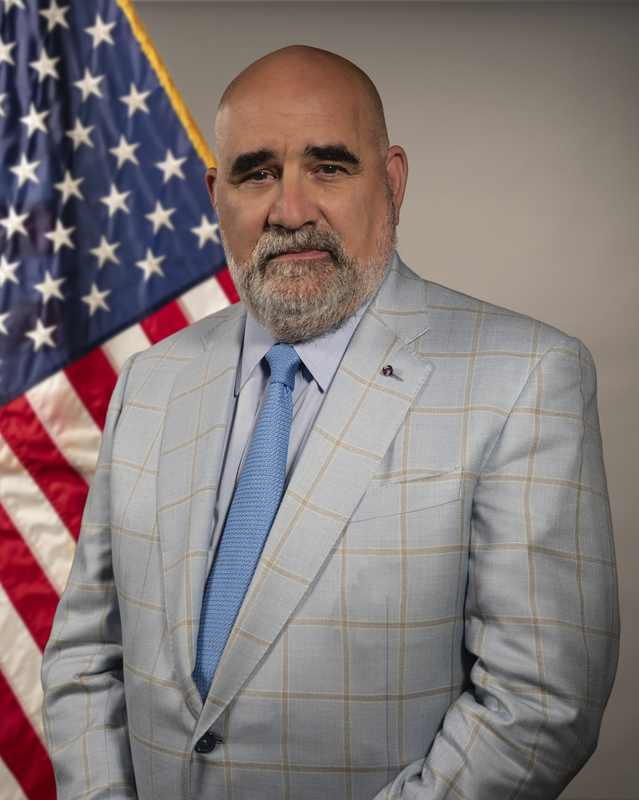
This is not a dispute about junior staffers. LaCivita co-led Trump's 2024 presidential campaign alongside Susie Wiles, now the White House chief of staff, and remains an important outside ally of the president, according to the Post. That history is why the phrase Chris LaCivita Trump 2024 campaign manager matters: he helped run the operation that returned Trump to the White House.
Blair served as Trump's White House deputy chief of staff for legislative, political and public affairs. He left the White House in May 2026 to lead Republican midterm efforts at MAGA Inc., the pro-Trump super PAC. His recent government role makes the question of a James Blair White House deputy chief of staff turned outside consultant especially sensitive, though it does not by itself establish wrongdoing.
Why this matters
Start with the calendar. The controversy arrived 27 days before the midterm elections November 3 2026, when Trump and Republican groups need the people directing campaign strategy focused on turnout, spending and a difficult map. Time spent explaining an outside foreign client is time not spent on those tasks. That is a political cost even if the review ultimately finds no conflict.
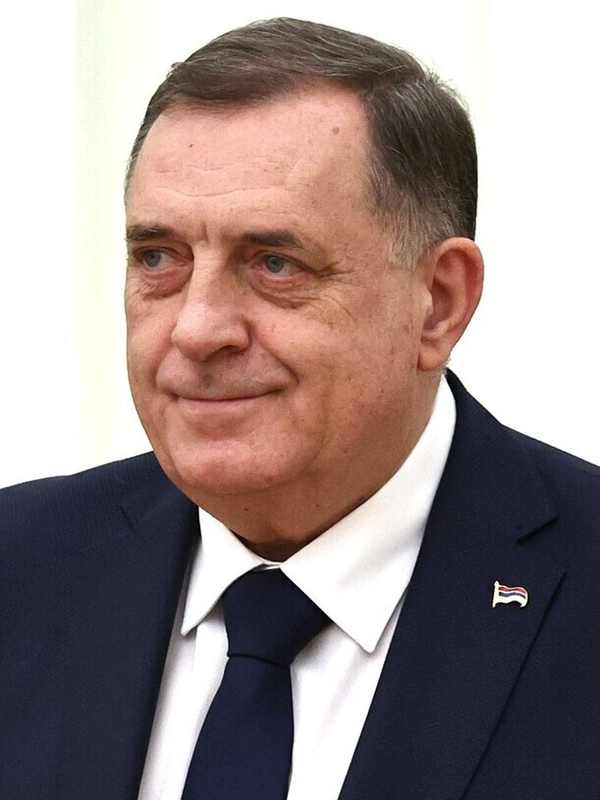
Then consider the client and the wider contest. Reuters noted that the United States, Russia and the European Union have been vying for influence over Bosnia. Russian President Vladimir Putin met Dodik at the Kremlin in Moscow on September 29, eight days before Trump's statement. Those facts help explain why the SNSD is described as a Milorad Dodik pro-Russian party in the reporting. They do not prove that the American consultants advanced Russian interests or violated any law.
Supporters of the advisers can reasonably point to Trump's defense: top political consultants often maintain several clients, and the Bosnia work was an outside engagement rather than government service. Critics can reasonably ask whether a foreign client at the center of a U.S.-Russia-EU influence contest should have triggered disclosure or recusal rules inside the campaign. The key distinction is between a political and ethical concern, which the facts clearly raise, and a legal conclusion, for which the published reports offer no basis.
The Balkans backdrop: US, Russia and EU influence in Bosnia
Republika Srpska is the Serb-dominated entity within Bosnia and Herzegovina. Dodik's party is seeking to hold power there in the Bosnia elections October 11 2026. The SNSD's ties with Moscow, including Dodik's recent Kremlin meeting, make the campaign part of a broader geopolitical competition rather than a purely local contest.
American campaign expertise is valuable in any close election. Hiring LaCivita and Blair gave SNSD access to strategists with recent experience at the center of U.S. presidential politics. What remains unanswered is the exact scope of their work, when it began, how it was disclosed, and whether it overlapped operationally with the MAGA Inc midterm campaign 2026. Those questions should be resolved with documents and on-record explanations, not assumptions about motive.
Who gains, who faces pressure
The immediate pressure falls on the U.S. midterm operation. LaCivita and Blair now have to address questions about outside clients while managing a national campaign. If either leaves, Trump's political network would have to reassign responsibilities with voting already near. If both stay, the campaign must explain why the arrangement does not compromise their work.
Democrats gain a potential argument about judgment, transparency and foreign influence, though any attack will be strongest if it stays tied to documented facts. The SNSD gains attention and can point to the caliber of the consultants it hired. It also faces greater scrutiny of its U.S. relationships and its alignment with Moscow.
Trump retains the most leverage. His public statement puts the advisers on notice without prejudging the review. That gives him room to keep them if he accepts their explanation or remove them if he concludes that the work conflicted with his campaign. It also shifts the burden of disclosure onto LaCivita and Blair.
What “hundreds of thousands” does — and does not — establish
The Post's figure of “hundreds of thousands of dollars each” is substantial, but compensation alone does not establish a conflict. Top-tier campaign consultants can command large fees, and Trump's own statement treats outside clients as ordinary. The relevant tests are contractual and operational: what services were promised, what information was shared, whether campaign time or resources overlapped, and what disclosures were made.
The numbers matter politically because they make the engagement difficult to describe as incidental. Yet the amount should not substitute for evidence. A careful review would compare contracts, calendars, communications and any applicable registration obligations before reaching a conclusion.
What happens next
Trump has promised to ask the two men about their other clients. The next meaningful development should therefore be disclosure: a statement from LaCivita and Blair, a campaign review, or documentation explaining the Bosnia engagement. Their response will determine whether the story remains a question of optics and divided attention or becomes a concrete dispute over undisclosed conflicts.
Three indicators bear watching. First is whether either adviser changes his role in the U.S. campaign. Second is whether the Trump operation publishes a client-disclosure standard for senior outside consultants. Third is whether any regulator or lawmaker identifies a specific legal issue; as of Wednesday morning, the reports cited no criminal allegation and no formal finding of wrongdoing.
Sunday's Republika Srpska election will keep the foreign campaign in view. But the central American question is narrower: can two of Trump's most trusted strategists demonstrate that their paid Bosnia work was properly separated from their responsibility for the midterms? Trump's answer so far is conditional. He accepts outside consulting as normal, but says a conflict would be grounds for immediate termination.
Sources
- Reuters: Trump says he'll fire advisers LaCivita, Blair “if there's a conflict” (Oct. 7, 2026)
- New York Post: Trump threatens to “terminate” top campaign advisers after revelation of work for pro-Russia Bosnia party (Oct. 7, 2026)
- The New York Times: original investigation of the Republika Srpska visit (Oct. 6, 2026), as reported by Reuters and the New York Post above.