Trump diesel export ban
- Trump diesel export ban
- G7 diesel reserves release
- emergency diesel stockpile
- diesel prices October 2026
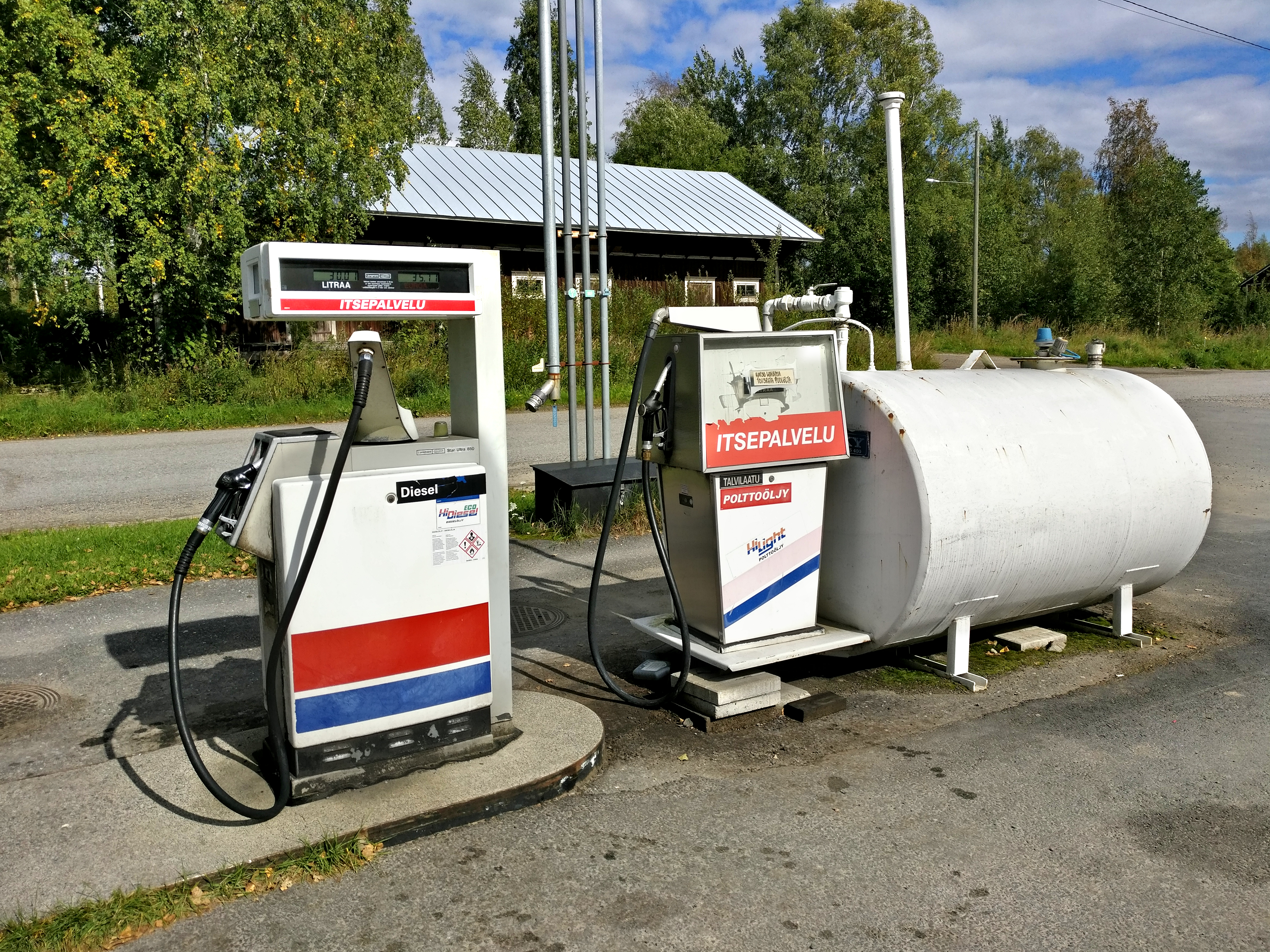
The Trump diesel export ban threat is over — and it worked, at least as leverage. On Friday, October 2, leaders of the Group of Seven agreed to a coordinated release of 100 million barrels of diesel and crude oil from emergency stockpiles over the next four months, supervised by the International Energy Agency, with what they called a “substantial” diesel release front-loaded into the first 20 days. The deal, struck at an emergency meeting convened by French President Emmanuel Macron, defused a standoff in which the Trump administration had demanded Europe release up to 120 million barrels of diesel or face a total American ban on diesel exports.
What the G7 actually agreed
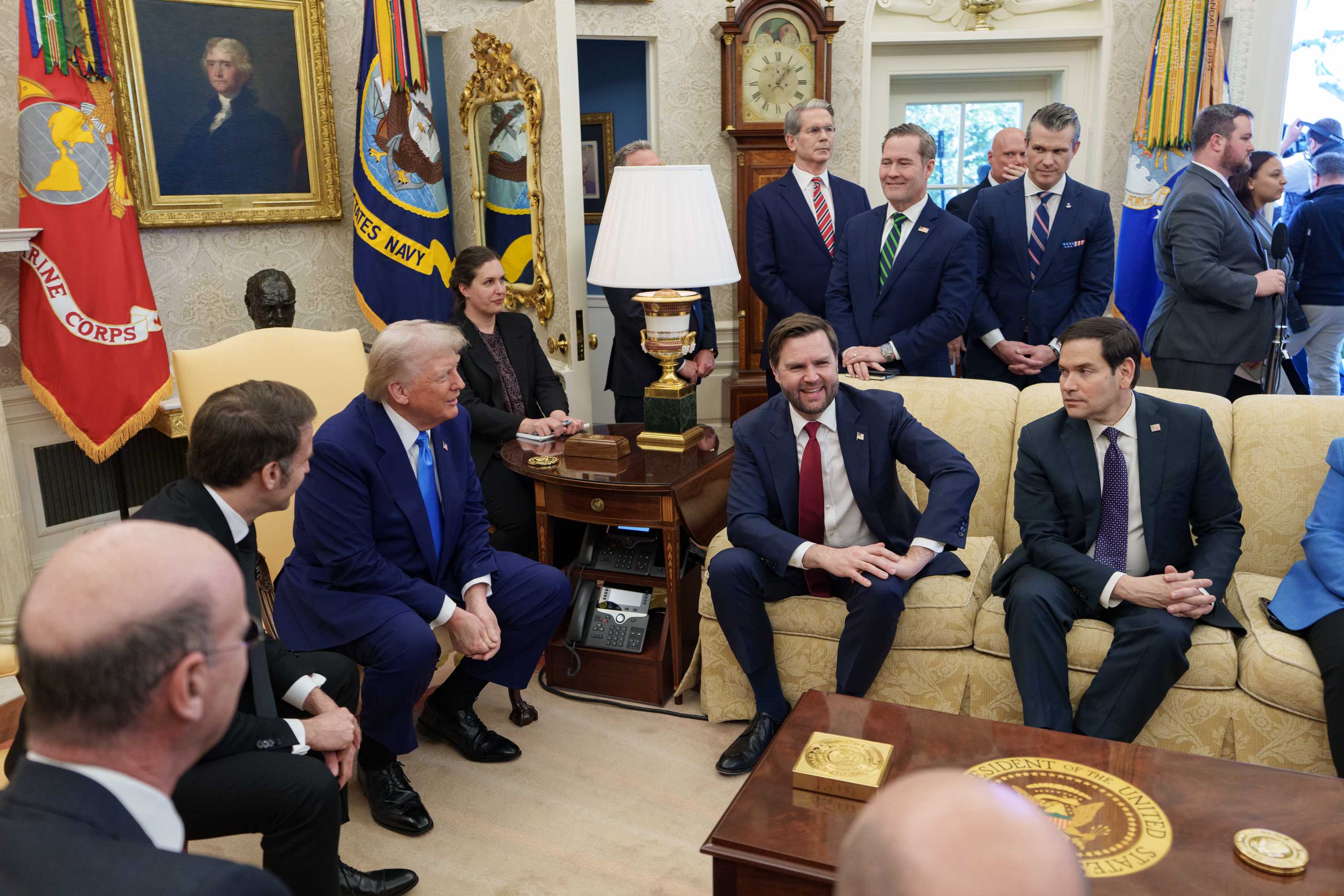
The communiqué was short and carefully worded. G7 members — the United States, France, Germany, Italy, the United Kingdom, Canada, and Japan — will participate in a “coordinated release” of 100 million barrels through the IEA, beginning immediately and spread over four months, “including a frontloaded substantial diesel release within the first 20 days,” according to the statement published by the UK government and shared on X by Foreign Secretary Ed Miliband, who stood in for Prime Minister Andy Burnham on the leaders' call while Burnham attended his father's funeral.
Crucially, the leaders also pledged to “refrain from export restrictions on energy and energy products between G7 countries” and called on all other producers to do the same. That sentence is the whole ballgame for Europe: the American export ban is off the table, at least formally. “We have agreed that there will be no ban or restrictions on exports between G7 members,” Macron said after the call. “President Trump was very clear on this point.”
Trump, for his part, declared victory on Truth Social: “Europe has just agreed to release a massive amount of their heavily stocked Diesel Oil. The process will begin immediately.” Pressed afterward about whether the export ban had ever been real, he waved it off: “We were never going to do it. I don't think we were. Well, it was never really on the table.”
Why this matters — diesel is the economy's blood
This column has argued before that crude oil gets the headlines but diesel runs the world, and this episode proves it. Diesel is not the fuel most drivers put in their own cars. It is the fuel that moves nearly everything they buy: freight trucks, cargo trains, container ships, farm machinery. When diesel spikes, the cost compounds through every leg of the supply chain and lands, weeks later, on grocery shelves and in clothing prices. That is why the European Central Bank is openly worried. ECB Vice President Boris Vujcic warned in late September that diesel prices will “probably stay high for long and that will feed into inflation because diesel is really in many products” — a direct threat to the euro zone's inflation fight, and a complication for every central banker trying to keep price growth under control.
The political timing is impossible to ignore. Americans vote in the midterm elections on November 3 — thirty days away — and fuel prices are the most visible price in politics. Diesel recently surged above $6.50 a gallon in the United States, and in California it has approached $8. Energy Secretary Chris Wright, appearing on CBS's Face the Nation on Sunday, admitted the White House knew the Iran campaign would hurt at the pump: Trump “knew it was going to elevate energy prices in the short run,” Wright said, “but I got to do the right thing.” Wright then made the promise every energy secretary makes before an election: prices will come down in the coming weeks. Voters will grade that promise at the ballot box. Our related analysis explains what Wright said Trump knew about the energy-price shock.
How we got here — from ultimatum to emergency summit
The diesel crisis did not start last week. It started with war — two of them. The US-Israeli war against Iran has disrupted flows through the Strait of Hormuz, the chokepoint for a huge share of global oil transit, while Ukrainian drone attacks have hammered Russian refineries, including a major Moscow-area refinery knocked fully offline with repairs expected to take months. Chinese refiners, meanwhile, are prioritizing domestic demand over exports, according to the ECB's Vujcic. The result: a global market short of refining capacity and distillate inventories, with diesel and jet fuel prices running at more than double the price of Brent crude, according to energy analysts in Cyprus.
Back in March, in the early days of the Middle East war, IEA member countries pledged to make 400 million barrels available to the market to slow the oil price surge. Washington supplied nearly half of that release — and has spent months accusing Europeans of slow-walking their share. “Our European partners should accelerate delivery on their existing commitments,” Treasury Secretary Scott Bessent wrote on X last week. “America is doing its part.”
Then came the ultimatum: release up to 120 million barrels of diesel onto the market, or face a total US export ban. The European Commission called the threat what it was. “A ban would not be beneficial to anyone,” spokesperson Anna-Kaisa Itkonen said at a briefing hours before the deal. “It would undermine our trust in the United States as a reliable partner.” Macron, holding the G7's rotating presidency, called Trump on October 1, then convened the emergency leaders' meeting for October 2. By Friday evening, the standoff was a communiqué.
What 100 million barrels actually buys
One hundred million barrels sounds enormous until you divide it. Spread over four months, it is roughly 800,000 barrels a day of combined diesel and crude — meaningful, but a fraction of daily global oil consumption near 100 million barrels. And note the careful phrasing: the G7 statement does not say how many of those barrels are diesel and how many are crude. One widely shared analyst estimate holds that Washington asked for 120 million barrels of diesel and France's plan delivered roughly 50 million barrels of diesel plus 50 million of crude — meaning Europe shrank the diesel ask by more than half and padded the total with crude, all routed through the IEA. Treat that split as an estimate, not gospel, but the direction is clear: Europe negotiated the number down.
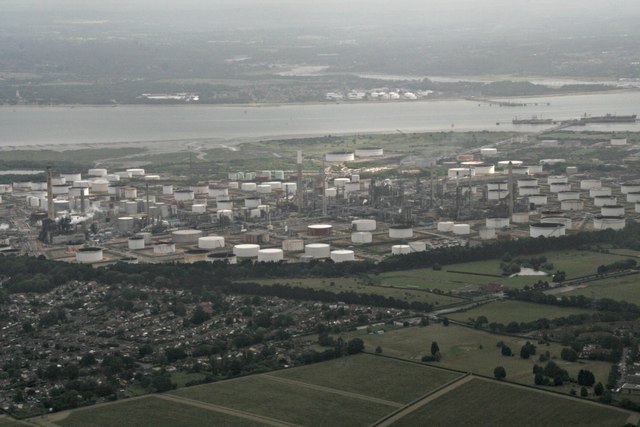
What is not in dispute is the pain that forced the negotiation. In Britain, diesel at the pump hit a record £2 a litre. The UK, notably, is not expected to release any of its own stockpile: it holds only about 40 days of diesel supply in reserve and imports 55 percent of the diesel it burns. In the United States, the diesel “crack spread” — the gap between diesel futures and crude futures, the market's purest signal of refinery tightness — topped $100 a barrel in August for the first time ever, according to Reuters. American refiners are not slacking: utilization hit 98 percent in late August, the highest since 2018. They are simply running flat out into a market that wants more than exists. US distillate inventories sit near 104 million barrels, with East Coast stocks — the tanks that heat the Northeast — down to about 19 million.
The market's initial verdict, per The Times: wholesale diesel expected to fall about 8 percent to roughly $1,337.75 a tonne, the lowest since early September — with retailers warning it will take weeks to reach the pump. For the wider price mechanism, see our report on why the Iran war and Hormuz disruption are raising fuel prices.
Winners, losers, and the skeptics
Winners first. Truckers, farmers, and construction firms — everyone who buys diesel by the thousand gallons — get near-term relief. European governments get to tell voters something is being done before winter. Trump gets a pre-midterm headline and a demonstration that threats move allies. Macron gets to play the indispensable mediator, having converted a bilateral ultimatum into a multilateral process under his G7 presidency.
Now the skeptics, and they deserve equal space. Sarah Raffoul, a senior analyst at the commodity intelligence firm Argus, told The Times the quiet part: “the additional barrels of released diesel are being drawn from existing inventories rather than new production,” and while the release should ease immediate supply concerns, it is “unlikely to eliminate them entirely.” Stockpile releases are, by definition, borrowing from tomorrow. Some European diplomats, POLITICO reported, read the whole exercise as largely a restatement of the March pledge rather than a new concession — the same barrels, re-announced, with a tougher headline. And the structural problem — too little refining capacity for a world at war in two energy regions — is untouched by any communiqué. The EIA's own September forecast expects US retail diesel to average $5.07 a gallon across 2026 and still $4.40 in 2027, with distillate inventories below the five-year low through much of next year. One Cypriot energy expert goes further, warning high diesel and jet fuel prices could persist until mid-2027.
What happens next — the 20-day test
Watch the first 20 days. The G7 promised the diesel front-load immediately, which means the physical barrels should hit the market well before Americans vote. If pump prices visibly fall in October, the White House will claim the strategy worked and Wright's Face the Nation promise will look prescient. If they don't — if Hormuz disruptions worsen, or another refinery goes offline — the release will look like what the skeptics say it is: a down payment that bought weeks, not a fix.
The deeper question is whether energy coercion between allies becomes the new normal. A US president threatened an export ban against Europe to force open its stockpiles, then declared the ban was never real. It worked this time. Every ally in the G7 now knows the playbook — and so does everyone watching from outside it. The next emergency meeting may not end with a communiqué.
Sources
- The Times (Oct. 4, 2026): “Europe strikes oil deal with Trump to bring down diesel price”
- Le Monde (Oct. 3, 2026): “Under pressure from Donald Trump, G7 releases 100 million barrels of oil”
- USA Today (Oct. 2, 2026): “Will diesel prices go down? Trump says Europe to draw on reserves”
- Reuters (Sept. 25, 2026): “ECB's Vujcic warns that diesel prices threaten to fuel inflation”
- CBS News Face the Nation (Oct. 4, 2026): Energy Secretary Chris Wright interview, via Newsmax
- G7 leaders' statement (Oct. 2, 2026), via Foreign Secretary Ed Miliband on X
- PA Media syndication (Oct. 2, 2026): “Trump claims diesel export ban 'never on table' as G7 agrees reserve release”
- Oilprice.com: “U.S. Diesel Prices on Track for Record Year” (EIA, Reuters data)
Reporting note: Release volumes, quotations, prices and forecasts are attributed to the listed sources. The estimated diesel-versus-crude split is identified as an estimate, not a confirmed allocation.