Iran war gas prices today
Iran war gas prices todaywhy gas prices high October 2026Strait of Hormuz closed gas pricesAAA gas price $4.41California gas $6.40Iran war oil price today BrentChina fuel export banRussia diesel banUS Iran war October 2026gas prices November midterms
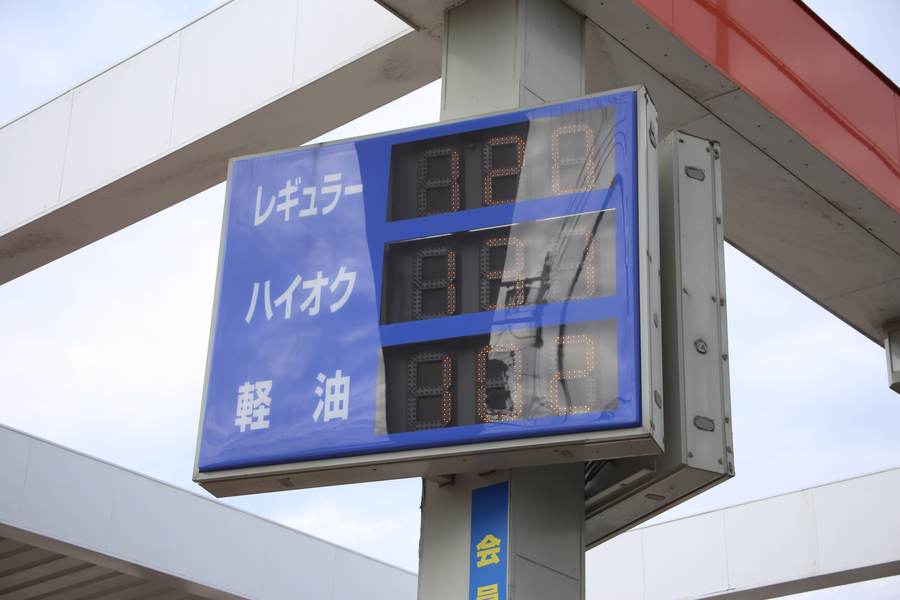
NEW YORK — If you filled up this week, you felt it: the national average for a gallon of regular gasoline stood at $4.41 on October 1, according to AAA — easing from the all-time record of $4.48 set on September 24, but still the highest pump prices Americans have ever paid in autumn. September's monthly average of $4.33 was itself a record. This is the consumer face of the U.S.–Iran war, and it traces back to one narrow waterway: the Strait of Hormuz.
This is the explainer nobody wrote as one piece: how a closed strait becomes $6.40 gas in California, why China and Russia's fuel export bans matter to your commute, and what the November midterms have to do with the price board.
The $4.41 number, broken down
A record September, a painful October
AAA's October 1 reading of $4.41 marked a dip from the September 24 peak — but context matters. The September monthly average of $4.33 broke the previous record, and prices remain roughly double their pre-war level. Crude oil tells the same story: West Texas Intermediate has traded near $90 a barrel, with Brent — the global benchmark — higher still. Every $10 in crude translates, with refining and taxes, to roughly 25 cents at the pump.
The pain is uneven. California drivers pay about $6.40 a gallon, reflecting the state's taxes, boutique fuel blends and refinery constraints. Indiana ($3.81) and Texas ($3.94) are the cheapest — but even there, drivers pay far more than the $3-and-change that was normal before February.
How Hormuz becomes your pump price
A closed strait, attacked tankers, rerouted crude
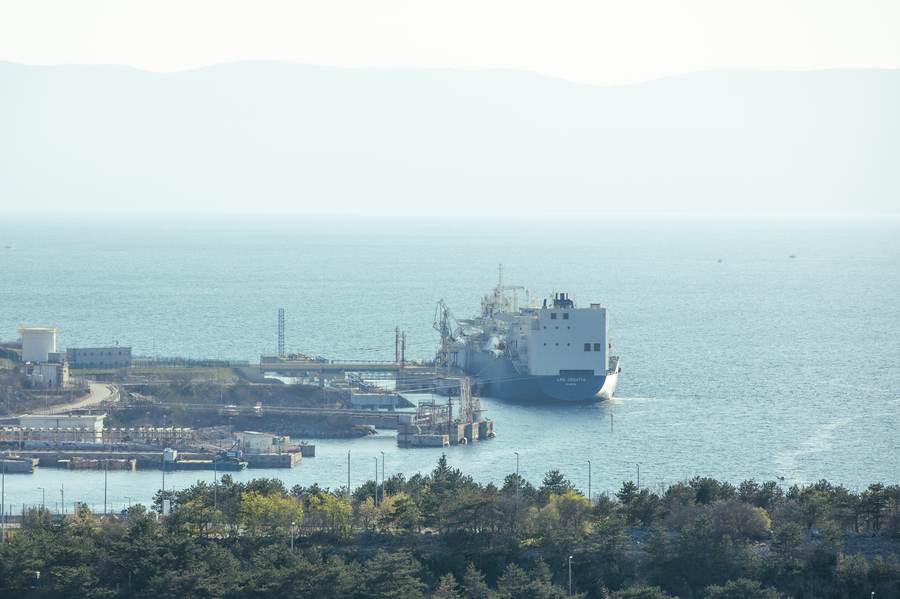
Before the war, about a fifth of the world's crude and liquefied natural gas moved through the Strait of Hormuz. Iran's closure — enforced by mines, missiles and the threat of seizure — forced tankers onto longer routes or into port. The United Kingdom Maritime Trade Operations (UKMTO) has issued repeated warnings for the waterway, and at least one tanker attack attributed to the IRGC spiked insurance rates overnight. Saudi Arabia's East-West pipeline and the Baniyas terminal workaround absorb some volume, but nowhere near the strait's 17-million-barrel-a-day capacity.
Less crude reaching refineries means less gasoline and diesel produced. Refinery damage during the war's opening months — including strikes on Iranian and regional facilities — cut capacity further. The result is a global products shortage layered on top of a crude shortage, which is why pump prices rose faster than the crude price alone would predict.
China's fuel export ban and Russia's diesel ban
Two policy shocks amplified the squeeze. China — the world's largest refiner — restricted fuel exports to preserve domestic supply, removing a key swing supplier from Asian and global diesel markets. Russia banned diesel exports outright, citing its own war needs. Diesel is the fuel of trucking, farming and shipping; when diesel spikes, the cost embeds in every delivered good. Brown University's war-cost tracker estimates Americans have paid $65 billion more at the pump than pre-war baselines would imply — a direct tax on households, collected at the nozzle.
What happens next: the November feedback loop
Midterms, Hormuz, and the price board
Here is the loop Washington is watching. Trump has said renewed bombing of Iran is "possible" after the November 3 midterms. Any escalation that keeps Hormuz closed — or widens the war to energy infrastructure — pushes crude and pump prices higher into the winter driving season. Higher gas prices are historically the most visible economic pain for voters, and they arrive at the polls within days of any October surprise.
Conversely, a ceasefire that reopens the strait would unwind the spike fast: crude would fall on the expectation of 17 million barrels a day returning to market, and the export bans would likely ease. The seven-day Hormuz proposal Trump rejected was, among other things, a gas-price proposal — and its death is one reason the $4.41 average exists.
Why this matters
Gas prices are where geopolitics becomes personal. The $4.41 average is not an abstraction: it is the single largest war cost most Americans pay, week after week, with no appropriation vote and no debate. It falls hardest on lower-income drivers, rural commuters and truckers — the people with the longest drives and the oldest cars. Every development in the war, from Iran's vow of zero nuclear concessions to the third carrier's arrival, will show up on the price board within days. Watch the pump: it is the most honest poll of where this war is going.
What to watch at the pump this month
Three numbers that move prices
Drivers watching for relief should track three indicators. First, the Brent-WTI spread: when Brent pulls away from WTI, it signals global tightness that hits US import-dependent regions hardest. Second, refinery utilization rates published weekly by the EIA — any drop means less gasoline coming out of the system. Third, the UKMTO advisory level for Hormuz: a downgrade in the threat warning typically shaves dollars off crude within hours as insurers reprice risk. None of these move the price board tomorrow, but together they set the direction for the next fill-up.
The winter wildcard
Heating oil and diesel share the same distillate pool, so a cold November in the Northeast competes directly with trucking fuel — and both compete with the export market. If Hormuz stays closed into winter, the distillate squeeze that lifted diesel this autumn becomes a heating-cost crisis too. The EIA's winter fuels outlook, due later this month, will put the first official numbers on that risk.
Sources: AAA national average, Oct. 1, 2026 (newsroom.aaa.com); New York Post, Sept. 28, 2026; USA Today (diesel), Oct. 1, 2026; Reuters (oil markets), Oct. 2, 2026; Brown University war-cost tracker via tampabay28; UKMTO advisories; U.S. EIA.