Published October 1, 2026 at 10:30 a.m. PDT
Trump Oklahoma rally October 2026
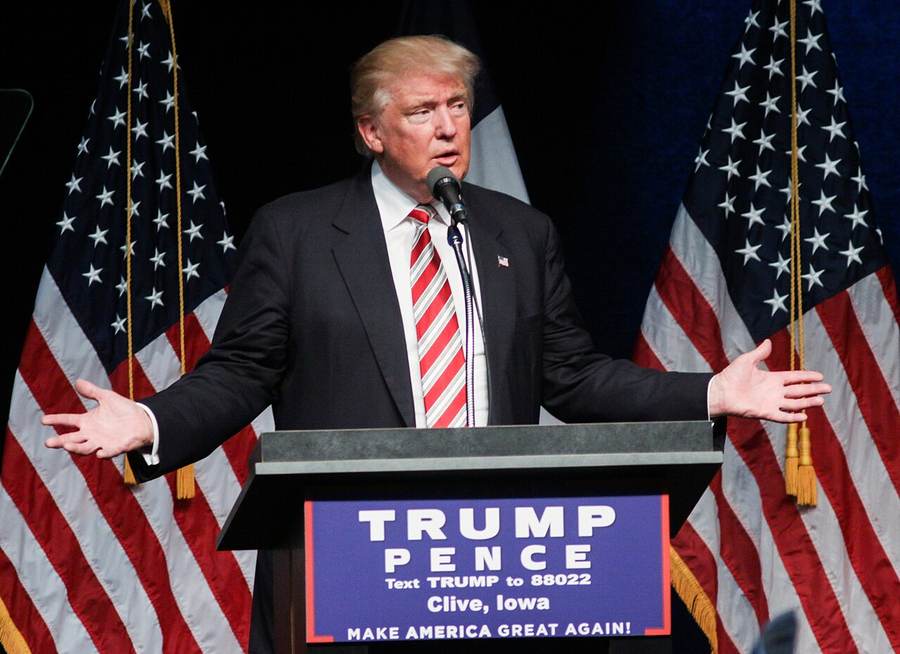
DURANT, Okla. — The Trump Oklahoma rally October 2026 arrives as much more than a routine red-state stop. President Donald Trump is due at the Choctaw Event Center on Thursday evening to lift Republican gubernatorial nominee Mike Mazzei and Senate candidate Kevin Hern, but the political stage is being crowded by severe storms, flash-flood danger, planned protests and unresolved tension inside Trump's own party.
The event is indoors. The test is not. A nearly 7,000-seat room in a deeply Republican state will offer a blunt reading of whether Trump's endorsement power can still convert attention into bodies, volunteers and votes one month before Oklahoma's November 3 midterms.
The setup: flights, a factory stop and a nearly 7,000-seat room
Doors at the Choctaw Event Center, 3702 Choctaw Road in Durant, are scheduled to open at 2 p.m., with Trump's remarks set for 6 p.m. The Trump 47 Committee is hosting the event. Free Choctaw Event Center rally tickets remained available through events.gop.com as of September 30.
Trump is traveling from Washington on Air Force One with Sen. James Lankford. The itinerary calls for an afternoon landing in the Dallas area, a factory visit and then the roughly 90-mile trip north to Durant. Supporters began lining up from 9 a.m. Thursday in rain, carrying umbrellas and ponchos.
Onstage, the electoral message is straightforward: Trump backs Mazzei for governor and Hern for the Senate. Offstage, every detail — ticket pickup, travel disruption, line length and empty or occupied seats — will feed the Trump Durant rally live updates and the larger argument over Republican enthusiasm.
The storm problem: weather can reshape the politics
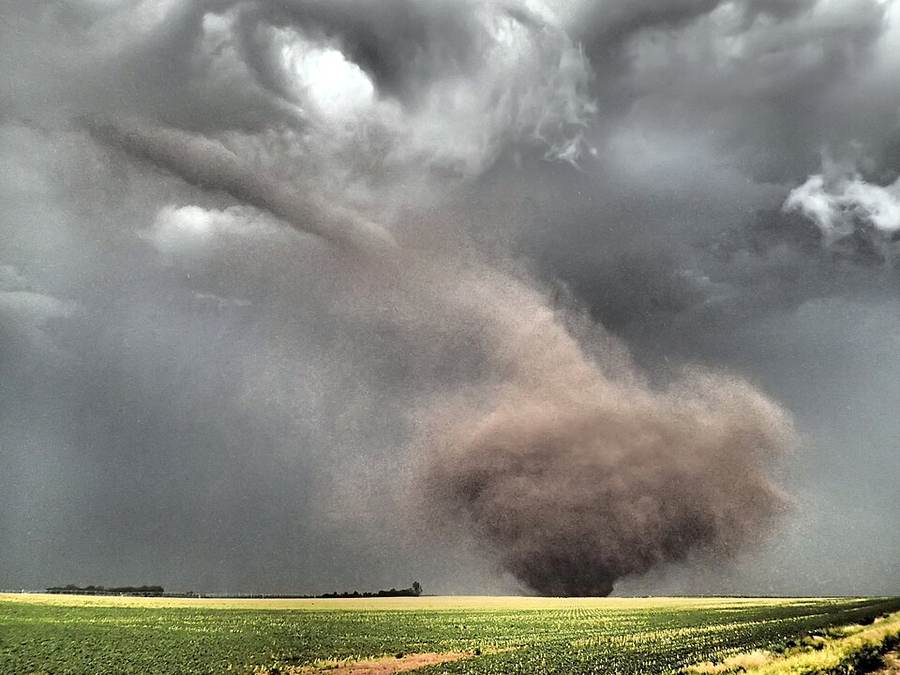
The National Weather Service forecast a 100 percent chance of rain Thursday into Thursday night, with thunderstorms tapping tropical moisture from Hurricane Polo. Two to four inches of rain are likely, some locations could receive as much as six inches, and Bryan County is among the areas facing flash-flood risk.
That is first a safety and logistics problem. Roads, parking and the walk to the venue matter even when the speech happens under a roof. It is also an optics problem: rally politics is photographed outside before it is measured inside. A line of soaked supporters can look like devotion; a rain-thinned line can look like fatigue. The same weather can produce opposite narratives before Trump reaches the microphone.
Why this matters: Oklahoma is the signal, not the prize
Oklahoma's midterm elections are one month away. In an ordinary cycle, a Republican president visiting one of the country's most reliably Republican states would look like maintenance, not triage. That is precisely why Durant matters: deploying Trump here signals that the party is taking no reservoir of support for granted.
The working Republican theory is that Trump remains the strongest turnout engine available — able to turn a governor's race and a Senate campaign into a single movement event. The risk is that the engine draws spectators more readily than it transfers loyalty. A crowd can cheer Trump and still know little about Mazzei or Hern. Thursday's event is designed to close that gap.
The Mazzei bet: endorsement capital on the line
Trump endorsed Mike Mazzei in May and reaffirmed the choice through the Republican primary and runoff against Attorney General Gentner Drummond. That sequence matters. It made the contest an extended test of Trump's willingness to spend political capital rather than a one-day endorsement announcement.
The rally is the next installment of the Mike Mazzei Trump endorsement for governor: a demonstration that Trump's support is not merely a social-media line but an organizing resource. If Mazzei turns the appearance into a visible surge, Trump's kingmaker aura strengthens. If he does not, the explanation cannot simply be that voters missed the endorsement.
Lankford on the plane: reconciliation theater at altitude
James Lankford's seat on Air Force One carries its own message. In 2024, Lankford helped negotiate a bipartisan immigration bill that Trump opposed. More recently, the senator has led an effort to protect religious degrees from Trump-backed student-aid cuts. Those are substantive clashes, not invented palace intrigue.
Yet on September 30, Trump released a social video calling Lankford and other Oklahoma Republicans “patriots.” The Trump-James Lankford Air Force One image turns that verbal reconciliation into political theater: two figures with real disagreements presenting unity on the way to a rally built around party discipline. Proximity is the message.
The Choctaw Nation factor: hospitality is not endorsement
Choctaw Nation Chief Gary Batton said Trump will be the third sitting president welcomed to the reservation. Batton said he hopes the president learns about the Nation's sovereign work across southeast Oklahoma, while making clear that hosting the event is not an endorsement.
That distinction deserves more than a footnote. A commercial event center can be both a political venue and part of a sovereign nation's economic and civic life. Treating the rally as if it were simply “in Oklahoma” erases the jurisdictional and political reality around it. The optics of a presidential rally on tribal land therefore carry two messages at once: national campaign politics and Choctaw hospitality on Choctaw terms.
The protests: rights, rain and the space outside
Trump rally protests in Oklahoma are planned around the message “Oklahomans deserve better.” The ACLU of Oklahoma has also posted information about First Amendment protest rights, placing the public-space rules around the event into the day's political conversation.
The weather may thin both camps. That should caution against reading every outdoor photograph as a clean measure of support or opposition. Protest visibility depends on who can safely travel and remain outside in thunderstorms just as rally-line visibility does. The more consequential measure will be whether both supporters and opponents can assemble without the event's competing narratives overwhelming the underlying rights.
Who wins, who loses
Mazzei has the most immediate upside. He receives the national spotlight, Trump's endorsement repeated in person and a local organizing list built from registrations. Hern gains much the same infrastructure for his Senate campaign. Lankford gains proximity — a valuable image of reconciliation after public disagreements.
The possible loser is the wider Republican ticket if a rally meant to prove energy instead exposes weak transfer from Trump to other candidates. Democrats also inherit an obvious argument: that national spectacle is being used to paper over state-level questions. Whether that argument lands depends less on what protesters say outside than on what the crowd does inside and what voters do afterward.
What the numbers say: crowd size becomes the real poll
Four numbers organize the day: nearly 7,000 seats, tickets still available as of September 30, a 100 percent rain forecast and one month until Election Day. None proves enthusiasm by itself. Together they create a measurable political test.
A full house after hours of bad weather would show that Trump's core supporters remain willing to absorb inconvenience for a midterm message. Visible gaps would not automatically prove political collapse — storms are a real confounding factor — but they would hand rivals an image built for repeat use. In modern rally politics, the crowd photograph often becomes the poll before any survey is fielded.
What happens next
A packed room would offer Republicans a template for an October rally blitz: indoor venues, tightly linked candidates and Trump as the turnout anchor. A thin crowd would invite the opposite story, an enthusiasm-collapse narrative that Democrats and Republican rivals could carry into the final month.
The better test comes after the motorcade leaves. Watch whether Mazzei's polling moves over the next two weeks, whether Hern's campaign can convert the event's attention into organization, and whether Trump's presence produces durable local activity rather than a one-night audience. Durant can reveal the party's temperature. It cannot, by itself, settle the election.
Sources
- The Oklahoman live blog: Trump Durant, Oklahoma rally today
- News 9: What field crews are seeing at the Trump rally
- Oklahoma Voice via The Duncan Banner: Trump set to rally GOP voters
- FOX 49/KOKH: Trump to appear at Durant rally
Reporting note: Schedule, weather, campaign and venue facts are drawn from the linked reporting and official public statements. Political consequences and crowd interpretations are Signal Post News analysis.