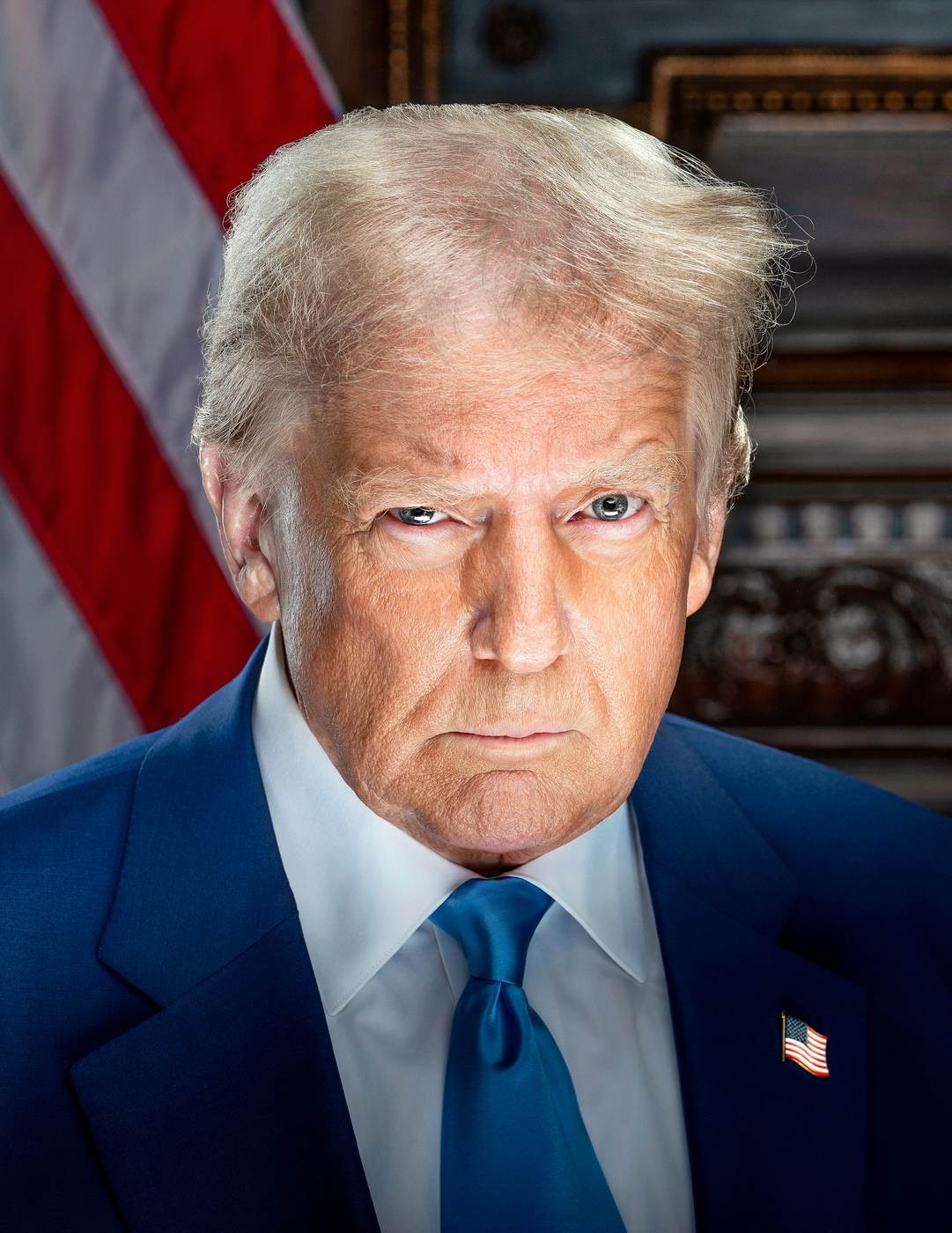
WASHINGTON — President Donald Trump says he regrets nominating the three Supreme Court justices he appointed during his first term, telling Time magazine that Neil Gorsuch, Brett Kavanaugh and Amy Coney Barrett have voted against him "too often."
The interview was conducted on Monday and reported by Reuters on Thursday. Asked "Do you regret nominating them?" — a reference to Trump's recent attacks on the trio in a Truth Social post — the president answered: "Yeah. Yeah."
"What can I do? I put them in. They voted against me too often. I was very — I gave them the position of a lifetime, and they vote against me often," Trump said, according to the transcript.
What Trump actually said — and the loyalty question
The exchange grew sharper when the interviewer pressed Trump on what he expects from the justices he elevated. "I do like loyalty, yeah," Trump said. Asked whether loyalty was what he wanted from members of the nation's highest court, he answered: "No, I don't want loyalty. I want good decisions."
The distinction matters, because the record shows the disagreement is not about loyalty in the abstract. It is about specific rulings — a string of them, across the most consequential parts of Trump's second-term agenda — in which his own appointees declined to give him what he wanted.
The rulings that broke the relationship
Three decisions, above all, explain the rupture.
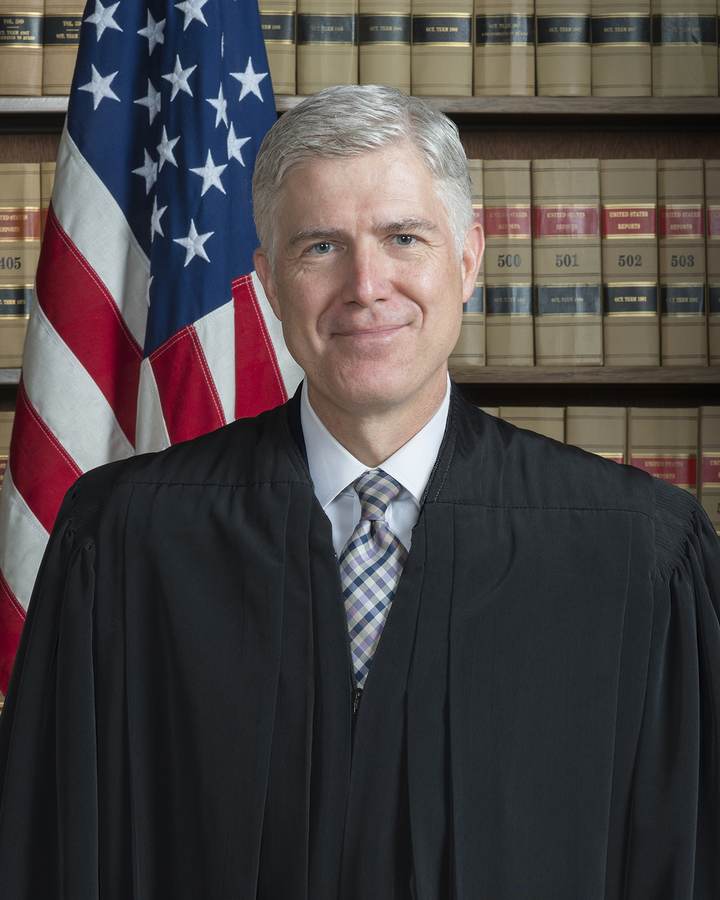
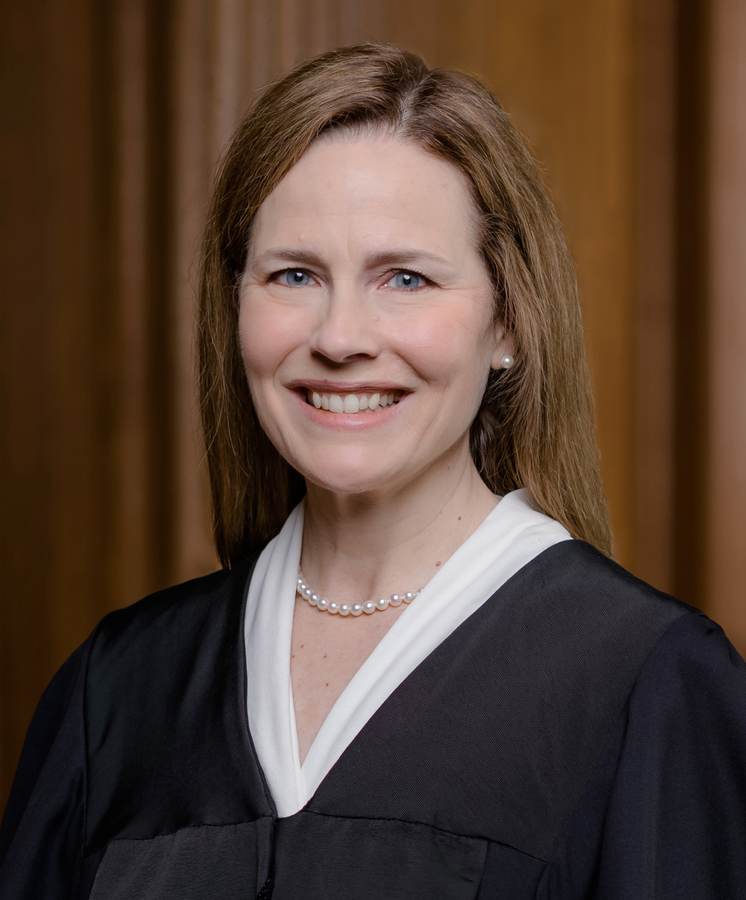
The tariffs. In February, the court ruled 6-3 that the International Emergency Economic Powers Act does not authorize the president to impose sweeping global tariffs — the legal foundation of Trump's "Liberation Day" duties and his fentanyl-related levies on China, Canada and Mexico. Gorsuch and Barrett were in the majority. Kavanaugh wrote the main dissent. Trump reserved special fury for the two in the majority, calling their votes "an embarrassment to their families" at a White House briefing, while saying Kavanaugh's "stock" had gone up and that he was "proud" of him. He also praised Justice Samuel Alito, the other dissenter.
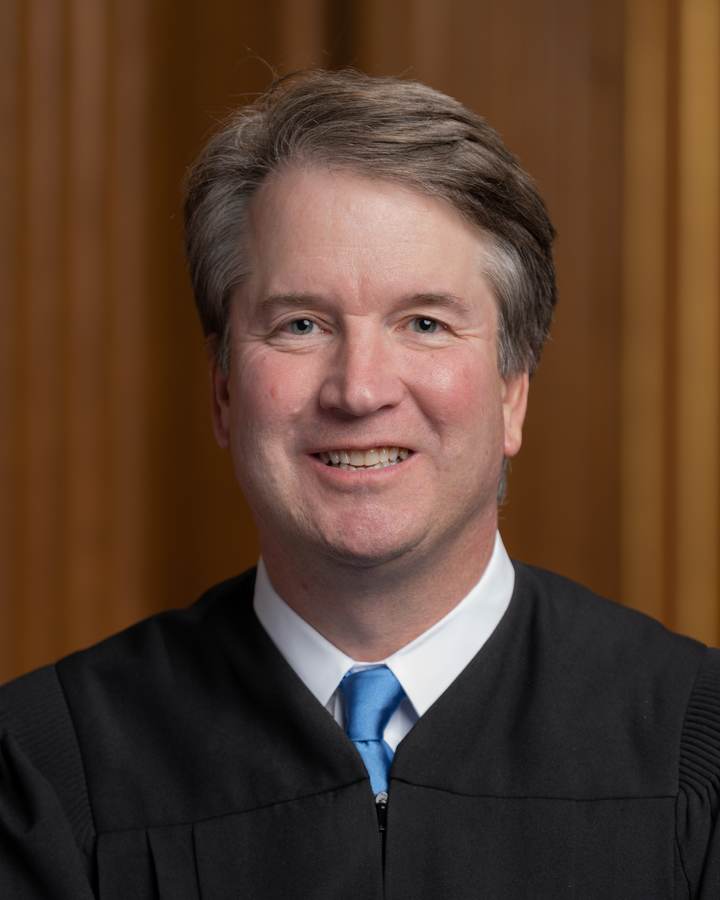
The mail ballots. Weeks before the November 3 midterm elections, the court declined to let a Postal Service rule restricting mail-in ballots take effect — blocking a central piece of Trump's election-administration push. None of the three Trump appointees noted disagreement with the majority. Trump responded with a lengthy Truth Social post calling his appointees "a shell of their original selves" and "not the people I interviewed to serve on the United States Supreme Court."
Birthright citizenship. The court also rejected the administration's effort to limit birthright citizenship, another priority Trump had pursued through executive action.
Each ruling landed like a personal rebuke because each touched something Trump treats as core to his presidency: tariffs as economic statecraft, voting rules as political survival, immigration as identity. And each time, the justices he chose — vetted, interviewed, and celebrated by him — applied the law as they read it rather than as he wished it.
Why this matters
Presidents have grumbled about the Supreme Court since Thomas Jefferson. What makes this moment different is the specificity and the source: a sitting president, on the record, disowning his own appointees by name — the very appointments he has long cited as his most enduring achievement.
Those three nominations built the 6-3 conservative majority that has steered American law sharply rightward since 2020, most famously by ending the federal constitutional right to abortion. Trump has boasted, accurately, that no president in generations reshaped the judiciary more. To now declare the project a regret is to saw at the branch his legacy sits on.
There is a second, structural significance. Gorsuch, Kavanaugh and Barrett were not random picks; they emerged from the Federalist Society pipeline that has supplied Republican judicial nominees for decades — selected precisely for their predictable jurisprudence. Trump's complaint is, in effect, a complaint about the conservative legal movement's own machinery: it produced exactly the kind of justices it was designed to produce, and the president is discovering that institutionalist judges do not function as political loyalists.
That is the paradox at the heart of the story. The same court Trump now denounces handed him some of the most consequential victories any modern president has received from the bench: the 2024 ruling recognizing broad criminal immunity for official presidential acts, the green light to restart third-country deportations, and even permission for construction to continue on his White House ballroom project. This is not an anti-Trump court. It is an independent one — and independence cuts both ways.
The loyalty paradox
"I do like loyalty, yeah." … "No, I don't want loyalty. I want good decisions." Read together, the two sentences capture the tension in Trump's view of the judiciary. Federal judges hold lifetime appointments precisely so they cannot be fired for disloyalty; the "position of a lifetime" Trump says he gave them is designed to free them from exactly the pressure he is now applying.
Legal scholars across the spectrum noted the obvious: the justices are doing the job as designed. The conservative legal movement spent forty years building a judiciary that would rule on text, history and precedent rather than partisan preference. When that judiciary rules against a Republican president's tariffs or voting rules, it is functioning — not malfunctioning.
Trump's allies see it differently. In their telling, the justices were interviewed, vetted and sold as reliable constitutionalists, and their votes against the administration betray the understanding on which they were confirmed. The February briefing-room attack on Gorsuch and Barrett as an "embarrassment to their families" was the rawest expression of that view — and notably, it came when only two of the three had ruled against him. Kavanaugh's dissent earned praise. Now, months later, all three are swept into the regret.
Who wins, who loses — and what the critics say
The court itself may be the quiet winner. Every public attack by the president who appointed them burnishes the justices' credentials as independent arbiters — an asset with a public that increasingly doubts the court's neutrality. As former Obama solicitor general Don Verrilli recently observed, "this is not a MAGA court. The court is asserting its independence from the president."
Democrats gain a talking point they could not have manufactured: the architect of the 6-3 majority conceding, on the record, that his own project disappoints him. Expect the "Yeah. Yeah" clip to feature in midterm advertising.
Trump himself is the most complicated loser. The regret admission undercuts his signature first-term achievement and hands his opponents his own words. But it also serves a political purpose: with the November 3 midterms weeks away and voting-related cases still live, framing the court as an obstacle lets Trump pre-position blame if election-administration fights go against him — and energizes a base that distrusts institutions.
The conservative legal movement faces the deepest reckoning. If the Federalist Society pipeline cannot produce justices who satisfy the president who appointed them, the movement's next round of nominations — and Trump has said he is prepared to make more — will be fought over what "reliable" even means.
Critics of the president's comments were blunt. Court watchers noted that justices routinely disappoint the presidents who appoint them — it is, as one put it, the oldest story in American judicial politics, and the reason lifetime tenure exists. Supporters countered that Trump is entitled to demand the constitutionalism he was promised, and that calling out bad rulings is accountability, not intimidation.
What happens next
The immediate calendar is unforgiving. The midterm elections are November 3 — weeks away — and the court has already twice rejected Trump-backed cases ahead of them. More voting fights are almost certain, and each one will now play out against the backdrop of a president who has declared, on the record, that he regrets empowering the institution deciding them.
Beyond November, the docket holds more of Trump's agenda, and the personnel math looms. Trump has said he is prepared to nominate additional justices before his term ends — a prospect that turns every future vacancy into a referendum on what went wrong with the last three picks. The next nominee, whoever it is, will be vetted against a new and unforgiving standard: not just conservative jurisprudence, but demonstrated willingness to side with this president.
And there is the human theater of it. It is tradition for the full court to attend the State of the Union; after the tariff ruling Trump said of the justices, "They are invited, barely… Honestly, I couldn't care less if they come." The next address will stage, in a single camera shot, the strange new reality: three justices, appointed by the man at the podium, listening as he governs in open rupture with them.
Signal Post News will continue to follow the court's docket and the White House's response as the midterm cases develop.
Sources
- Reuters, “Trump says he regrets nominating Supreme Court Justices Gorsuch, Barrett and Kavanaugh,” October 1, 2026, reporting by Katharine Jackson and Doina Chiacu.
- Time Magazine interview with President Donald Trump, conducted September 28, 2026.
- Truth Social post by Donald Trump on the mail-ballot ruling.
- U.S. Senate Democrats transcript, “President Trump Addresses the Supreme Court Tariff Decision,” February 20, 2026.
Reporting note: Signal Post News reviewed the interview transcript and the cited public statements. The analysis distinguishes Trump's quoted words from legal and political context.