Politics / Miami — The Trump BBC deposition December 11 deadline ordered by a federal magistrate judge leaves the president seven weeks to sit for seven hours of videotaped testimony, or risk losing his own case.
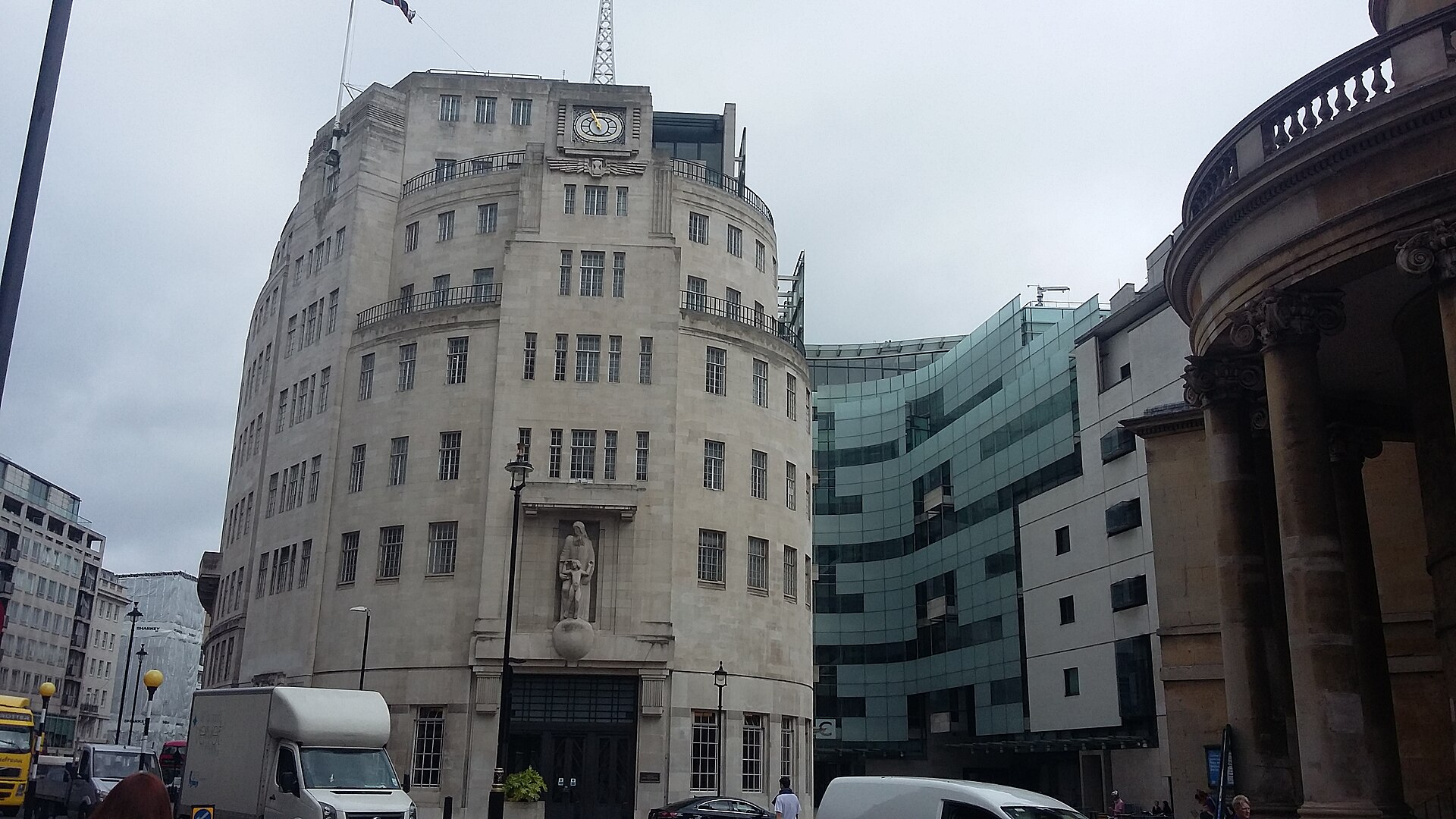
The Trump BBC deposition December 11 deadline is now the central fact in the president's $10 billion defamation lawsuit against the British Broadcasting Corporation. On Thursday, October 22, 2026, U.S. Magistrate Judge Enjoliqué Lett in Miami ordered that President Donald Trump must sit for a deposition by December 11, or face sanctions up to dismissal of his own case, unless District Judge Jeffrey Kuntz extends discovery past its December 18 deadline.
The order, reported by the Associated Press via Reuters on October 22 and in court reporting on October 22–23, resolves — for now — a dispute that has run since July. According to BBC attorney Charles Tobin, the BBC has sought Trump's testimony since July. “We still haven't been able to depose the plaintiff,” Tobin told the court. The plaintiff, in this case, is the President of the United States, and the court has now told him that bringing a lawsuit means answering questions like any other plaintiff.
A cancelled date and a campaign rally
The immediate dispute concerned a deposition date that never happened. An agreed October 16 date was cancelled on September 28, with Trump's side citing a “matter of national importance.” Tobin noted in court that Trump campaigned in Georgia that day, appearing at a Dalton rally backing Senate candidate Mike Collins. The implication Tobin invited the court to draw was plain: the presidency's schedule is demanding, but it is not entirely composed of national emergencies.
Trump's attorney, Alejandro Brito, argued that presidential responsibilities extend beyond the public calendar — that the work of a president cannot be measured by the events reporters can see. Judge Lett was not persuaded enough to grant open-ended delay. Her order gives Trump's team a firm date, a sanction for missing it, and one narrow escape route: persuading Judge Kuntz, the district judge overseeing the case, to extend the discovery period beyond December 18.
Lett also rejected Trump's bid to block video recording of the testimony. The deposition will last up to seven hours, will be videotaped, and will be accessible to attorneys in the case. She was equally blunt about the other half of discovery — the documents Trump has been ordered to produce. “It strains credulity that a thorough search has been done,” Lett said of his document production. Tobin went further, calling discovery “completely lopsided” and saying of Trump's side: “They have produced absolutely nothing of any substance.” Those are the characterisations of a judge and an opposing lawyer, and Trump's legal team disputes the picture of non-cooperation — but the remarks are now part of the public record of the case.
The lawsuit behind the deposition fight
The underlying suit was filed in December in federal court in Florida. Trump accuses the BBC of defamation over a Panorama documentary that spliced together parts of his speech on January 6, 2021, presenting separated remarks as a continuous passage. The BBC has admitted the edit was misleading and has apologised for it. Crucially, however, the BBC denies defamation liability, and an apology for an editing failure is not an admission of the legal elements of defamation — a distinction the whole case may turn on.
The BBC is also seeking dismissal on jurisdiction grounds, arguing the programme was not shown in the United States or in Florida, and therefore does not belong in a Florida court. And it is contesting damages from the other direction: it has sought financial records from Trump's Mar-a-Lago club and his business entities, material it can use to challenge the scale of harm claimed in a $10 billion demand. A plaintiff claiming enormous reputational and financial injury must expect the defendant to test that claim against his own books.
The case sits inside a wider argument about Trump, the press, and the courts, visible too in his Atlantic Ocean renaming dispute involving Google and his Sioux City rally in Iowa ahead of the midterms. In each, the same question recurs: how far do the normal rules bend around a sitting president?
Why this matters
Why this matters is the paradox at the centre of the order. Presidents are usually the defendants resisting compelled testimony, and courts are usually reluctant to force a sitting president into a deposition chair. But Trump is not the defendant here. He chose this lawsuit, chose this court, and chose the $10 billion figure. American civil procedure is built on a simple exchange: a plaintiff who asks a court for relief submits to the process that tests his claim, including discovery and deposition. Lett's order is that principle applied without an asterisk for the plaintiff's day job.
That does not make the order routine. A videotaped, seven-hour deposition of a sitting president — conducted by lawyers for a foreign public broadcaster he is suing — is without modern precedent in its particulars, and anything said under oath can be quoted, clipped and litigated over for years. The political exposure is symmetrical to the legal strategy: the lawsuit keeps the January 6 speech and the Panorama edit in the news, but the deposition keeps Trump's own sworn words in the news too, on a timetable a judge now controls.
Press-freedom stakes run through both sides' arguments, and both should be stated fairly. Trump's side argues that a major broadcaster misleadingly editing a president's speech is a serious journalistic breach — a point the BBC itself partly conceded by apologising — and that defamation law is the proper remedy when corrections are not enough. The BBC and press-freedom advocates argue that a $10 billion claim by a sitting president against a news organisation, pursued in a court an ocean away from where the programme aired, risks chilling exactly the scrutiny of powerful figures that defamation law is not meant to punish. The court's job is narrower than either argument: jurisdiction, falsity, fault and damages, proved with evidence — which is why discovery matters so much.
The Jack Smith question still to come
Separately, the parties are waiting on whether former special counsel Jack Smith may be deposed. The Justice Department must respond to Smith's request for permission to testify by November 2. Smith prosecuted Trump in cases dropped after the 2024 election, so his testimony would connect this civil suit to those investigations; a refusal would keep the focus on the broadcast, the edit, and the claimed damages.
What happens next
What happens next has a calendar. By November 2, the Justice Department files its position on Jack Smith. By December 11, Trump must sit for his deposition, unless Judge Kuntz extends discovery beyond its December 18 deadline — the only route Lett's order leaves open. If neither the deposition nor an extension happens, sanctions follow, up to the most self-defeating outcome available to a plaintiff: dismissal of his own $10 billion case for refusing to participate in it.
The date deserves attention for its politics as well as its law. December 11 falls weeks after the November 3 midterms, in the window when Washington usually turns to transitions, budgets and the next Congress. A videotaped presidential deposition in that window would compete with all of it — and unlike a rally or a statement, it would be conducted on someone else's questions, under oath, for up to seven hours. Trump sought this courtroom. The courtroom has now sent him a date.
Sources: Associated Press reporting via Reuters, October 22, 2026, and court reporting October 22–23, 2026: U.S. Magistrate Judge Enjoliqué Lett (Miami) ordered Thursday, October 22, 2026 that President Donald Trump sit for a deposition by December 11, 2026 in his $10 billion defamation lawsuit against the BBC, facing sanctions up to dismissal unless District Judge Jeffrey Kuntz extends discovery past its December 18, 2026 deadline; BBC attorney Charles Tobin stating the BBC has sought Trump's testimony since July (“we still haven't been able to depose the plaintiff”), calling discovery “completely lopsided” and saying Trump's side has “produced absolutely nothing of any substance”; an agreed October 16 deposition date cancelled September 28 citing a “matter of national importance,” with Tobin noting Trump campaigned that day at a Dalton, Georgia rally backing Senate candidate Mike Collins; Trump's attorney Alejandro Brito arguing presidential responsibilities extend beyond the public calendar; Lett rejecting a bid to block video recording (seven-hour videotaped deposition, accessible to attorneys) and stating on document production, “It strains credulity that a thorough search has been done”; suit filed in December in Florida federal court over a Panorama documentary splicing parts of Trump's January 6, 2021 speech; BBC admission that the edit was misleading and its apology, alongside its denial of defamation liability, its jurisdiction challenge (programme not shown in the U.S./Florida), and its requests for financial records from Mar-a-Lago and Trump's business entities; Justice Department response on former special counsel Jack Smith's deposition permission request due by November 2, 2026.