Politics — At a South Carolina rally on October 21, President Trump told supporters he asked Google CEO Sundar Pichai to rename the Atlantic — and that Pichai refused: "Oceans are different, sir." After the Gulf of America, the anecdote is doing real political work.
President Donald Trump told a rally in South Carolina on Wednesday, October 21, that he had asked Google to rename the Atlantic Ocean — and been refused. According to Business Insider's account of the rally, reported Thursday, Trump said he discussed changing the Atlantic's name on Google Maps with CEO Sundar Pichai, and recounted the reply as: "No, no, no. This time I'm not doing it … oceans are different, sir." Trump said he had floated the names "Trump Ocean" and "Ocean of the Americas" for the Atlantic and Pacific at a Tennessee rally in early October, and told the South Carolina crowd: "I'm not going to put either Trump or America on any other ocean but these two." He also praised Pichai and Google co-founder Sergey Brin as "totally brilliant guys." The exchange is Trump's own account of a private conversation; Google has not published its own version, and this article treats the quotes as the president's retelling.
Why a joke lands: the Gulf of America precedent
The story works as rally material because part of it already happened. Trump previously pushed through the renaming of the Gulf of Mexico to the Gulf of America in U.S. federal usage — and Google Maps changed its labels accordingly for U.S. users — and he has also floated renaming Lake Ontario. That history is why a Pichai refusal, real or embellished, gets a laugh rather than a shrug: the audience knows the first renaming was not a joke, so the second one plays as ambition meeting its limit. It is also why the clip travelled: CBS News posted the moment on October 22 and it was among the day's most-shared political videos, twelve days before a midterm election.
Why this matters — maps are not neutral
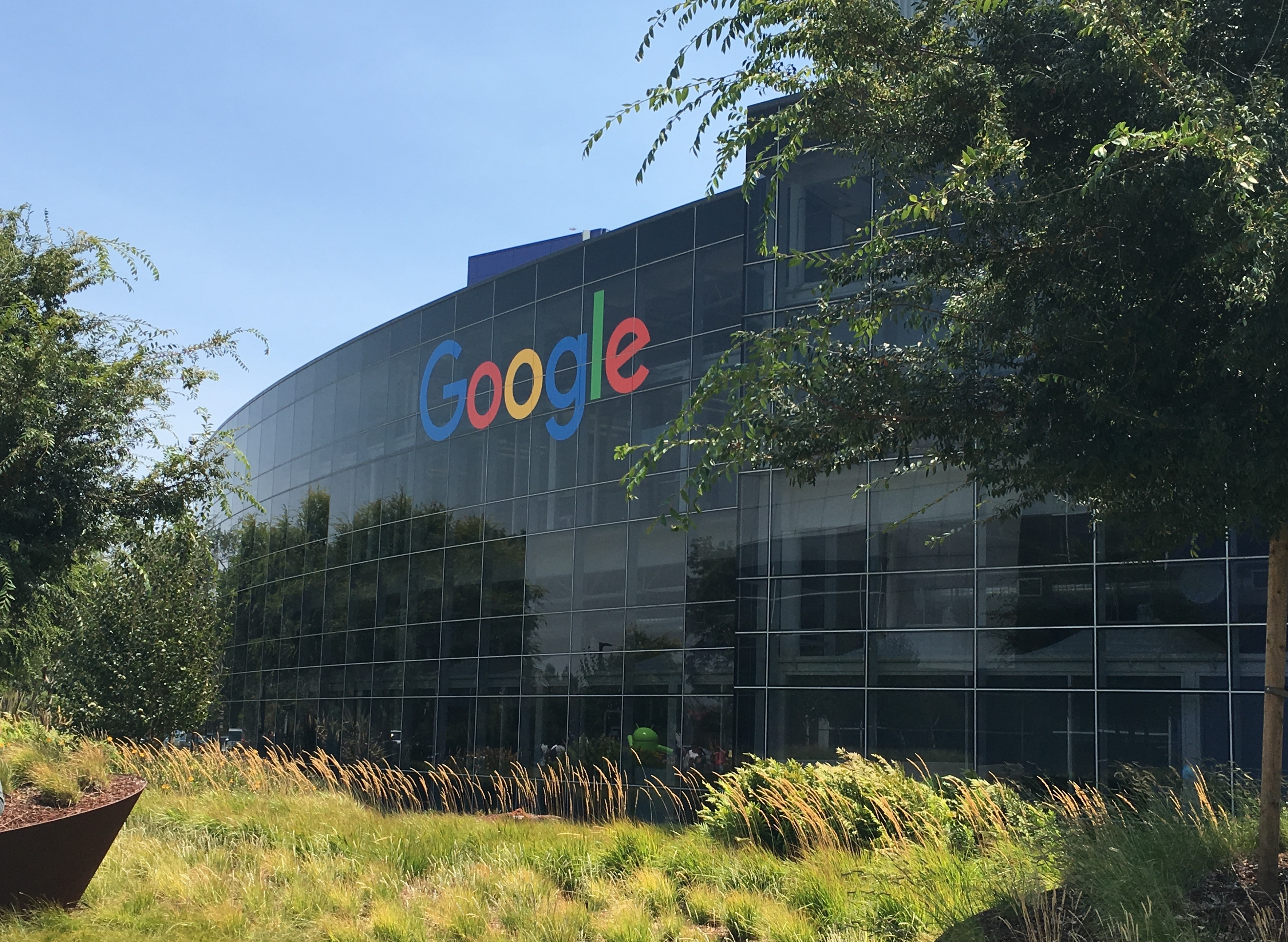
Geographic names feel like trivia until you ask who maintains them. In practice, the map most people read is not a government atlas but a platform: Google Maps decides which name renders for which user in which country, which is why a president seeking a rename calls a CEO and not a cartographer. The Gulf of America change already produced the template — official U.S. usage changed, the platform complied domestically, other countries' users kept the old name, and the map quietly became jurisdiction-dependent. An ocean is a harder case, as the recounted Pichai line recognises: the Atlantic touches dozens of sovereign states, its name is set by international hydrographic convention rather than any one government, and there is no domestic-users-only version of an ocean basin that does not look absurd. Critics call the renaming campaign nationalist branding with a map budget; supporters call it the same patriotic reclamation every country practises with its own place names. Both agree on the underlying fact Thursday's clip illustrates: naming rights over shared geography are now negotiated between presidents and platforms.
What happens next
Nothing, cartographically — and that is the point of the story as told. Trump presented the refusal as final and himself as satisfied ("not going to put either Trump or America on any other ocean but these two"). Watch instead whether the anecdote joins the permanent rally rotation: stories a president repeats are messages he is testing, and this one's message — I renamed a gulf, I reached for an ocean, even Google has limits — is calibrated to sound like strength and restraint in the same breath, twelve days out from a vote his party is fighting to hold.

Sources
Business Insider rally reporting, October 21–22, 2026, via Parade's October 22 summary; CBS News post of the rally remarks, October 22, 2026. Quotes are President Trump's own account of his conversation with Sundar Pichai, as delivered at the rally.