Politics / U.S. Midterms — President Donald Trump rallies in Sioux City on Thursday, October 22, in a state he won by 13 points two years ago — where Republicans now defend a Senate seat, three House districts and the governorship against a genuine Democratic opening.
President Donald Trump travels to Sioux City, Iowa, on Thursday, October 22, to rally Republicans in a state that has been one of his most reliable strongholds — he won Iowa by 13 percentage points two years ago — but where his weakened standing and voter anxiety over his policies have complicated his party's prospects in the November 3 midterm elections, Reuters reported. The White House schedule puts remarks at Sioux Gateway Airport at 6:30 p.m. Central, after an afternoon departure from Washington.
What is at stake in Iowa
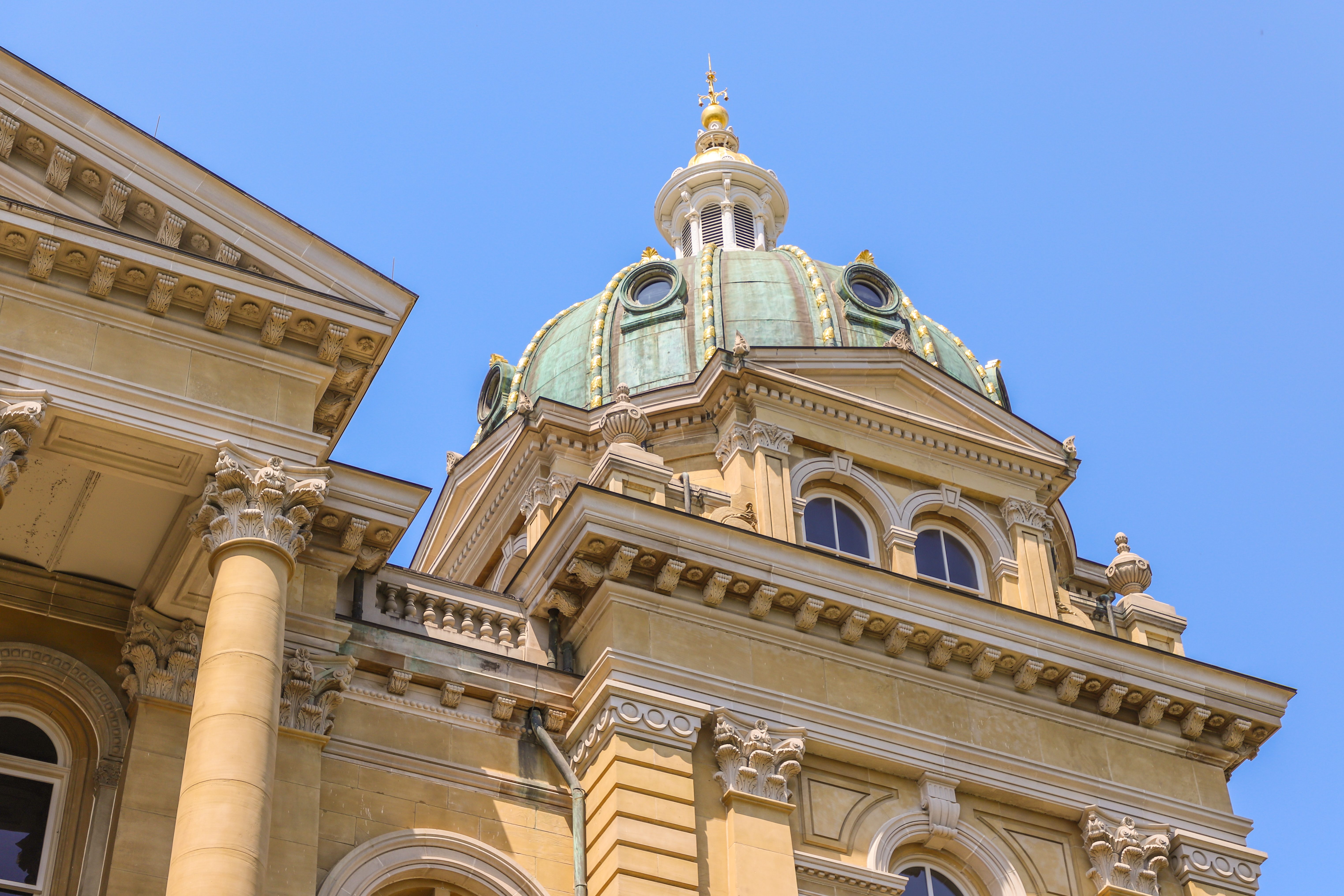
Almost everything Iowa has. Republicans are defending a U.S. Senate seat, three House districts and the governor's office, giving Democrats an opening after years of Republican gains. Republican Representative Ashley Hinson is in a close Senate race against Democratic state Representative Josh Turek. In the governor's race, Democrat Rob Sand leads Republican Zach Lahn in recent polling. Democrats are also targeting an open House seat in Iowa's second congressional district. Republican losses in Iowa would not just cost seats; control of the Senate and House could decide whether Trump can advance his agenda during his final two years in office.
The break inside his own party
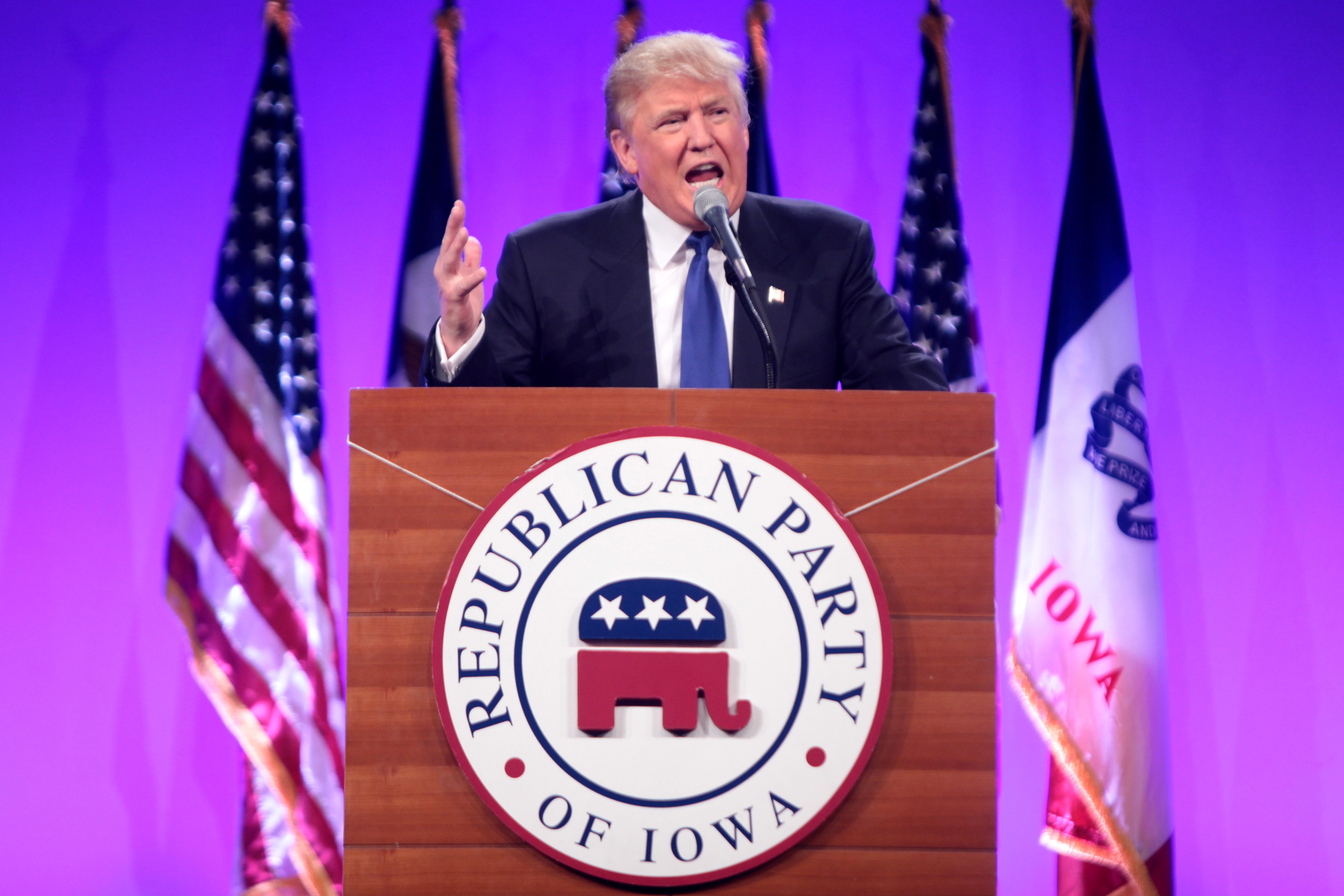
The most striking detail in Thursday's reporting is not Democratic strength — it is Republican distance. Some of the very Republicans Trump is travelling to help have broken with him over the Iran war, as higher fuel and grocery prices deepen voters' economic worries. Hinson has called for an "immediate end" to the war, saying Iowans should not bear higher fuel or grocery prices because of it. Representatives Mariannette Miller-Meeks and Zach Nunn, both facing difficult re-election races, joined Democrats last month in voting to limit Trump's war powers in Iran. A president rallying for candidates who are publicly campaigning against his central foreign policy is a measure of how far the midterm map has moved.
Why this matters
Iowa is a test of whether Trump's coalition holds when the costs of his presidency arrive at the farm gate and the fuel pump. Rural voters powered his Iowa victories; farmers now face higher costs and trade uncertainty, and a Marist poll this month found 42% of likely voters said their finances had worsened over the past year, including more than half of independents. Thirty-five percent of likely voters viewed their vote as a vote against Trump, against 21% who saw it as a vote for him — in a state he carried by 13 points. When a president has to spend a Thursday evening twelve days before an election defending Iowa, the national map is telling you something about states that were never supposed to be competitive at all.
Context: from bellwether to stronghold to battleground again
Iowa was for decades the first-in-the-nation caucus state and a genuine swing state, voting for Barack Obama twice before flipping hard to Trump in 2016 and staying Republican through his subsequent runs, as its congressional delegation became entirely Republican. The 2026 cycle reverses the direction of travel: an open governor's race, a competitive Senate race and multiple House fights, driven less by a Democratic surge in registration than by economic discontent among independents and the farm economy's exposure to fuel prices, diesel costs and trade disruption from the Iran war. Both sides state their case plainly. Republicans argue Trump's personal turnout operation still moves rural Iowa like no other Republican can, and that late-breaking voters have favoured them before. Democrats argue the polling on household finances — not ideology — is what is moving, and that no rally changes a grocery bill.
What happens next
Watch three things after Sioux City: whether Hinson appears alongside the president or keeps her distance after calling for the war to end; whether post-rally polling in the Senate and governor's races moves at all; and whether the White House schedules return trips to states that were meant to be safe. Twelve days out, a second Iowa trip would be its own headline.
Sources
Reuters, "Trump heads to Iowa as Republicans fight for seats in longtime stronghold," October 22, 2026. White House daily guidance and press schedule for Thursday, October 22, 2026 (Sioux Gateway Airport remarks, 6:30 p.m. CDT). Marist polling of Iowa likely voters, October 2026, as reported by Reuters.