Trump Board of Peace Gaza recovery plan
TopicsTrump Board of Peace Gaza recovery planGaza reconstructionInternational Stabilization ForceUNGA 2026
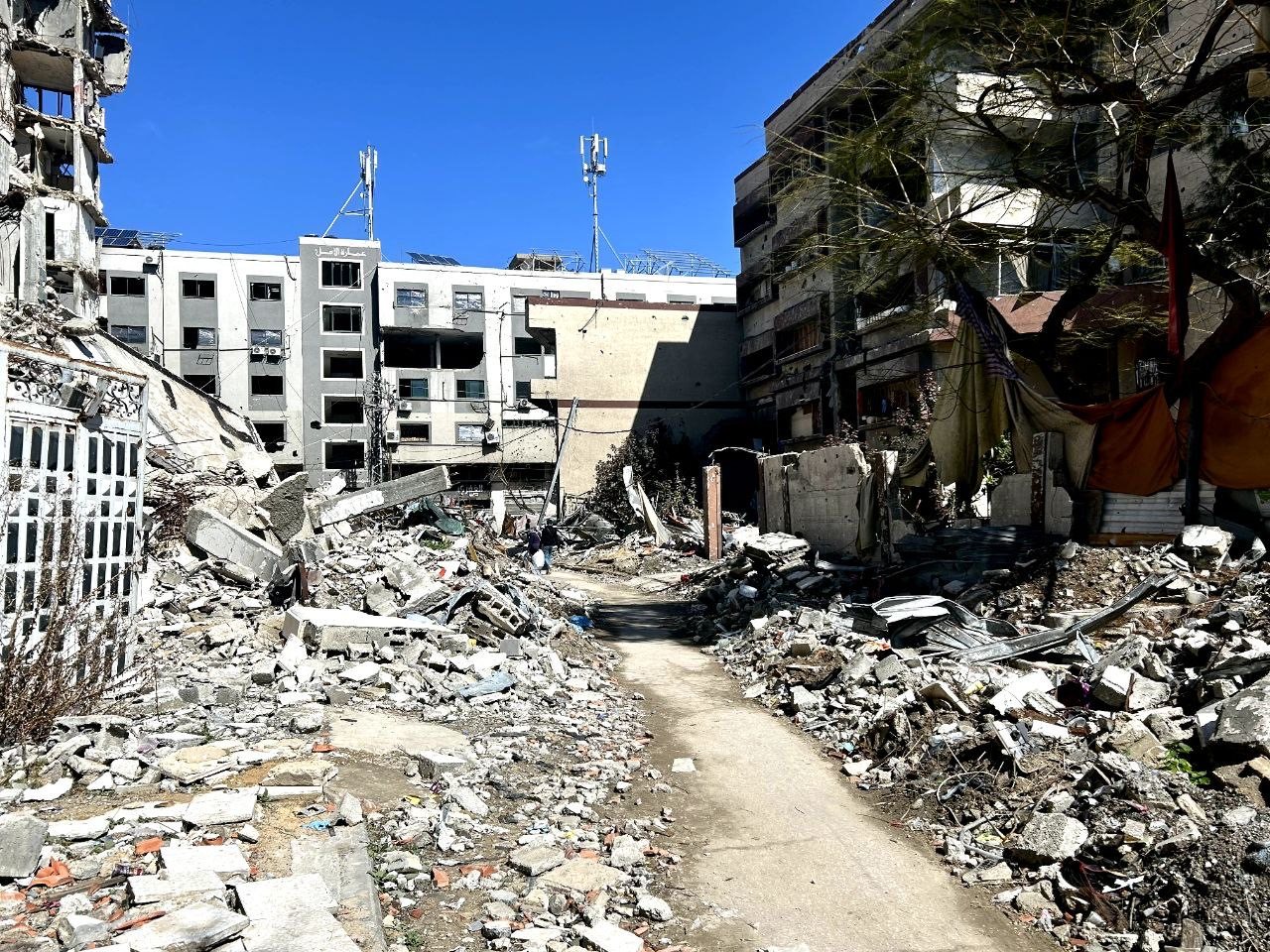
NEW YORK, Sept. 23, 2026 — The Trump Board of Peace Gaza recovery plan puts a price and a six-month clock on the first stage of rebuilding the devastated enclave: $2.45 billion spread across 66 projects, from portable solar kits and desalination plants to temporary shelter, hospital repairs and a new civilian police force. The proposal is more concrete than the broad reconstruction pledges that preceded it. It is not, however, a funded construction schedule. The full money has not been secured, Israel still controls roughly 60% of Gaza, Hamas has not disarmed, and the force meant to bridge those facts has yet to deploy at the scale the plan assumes.
What the plan actually promises
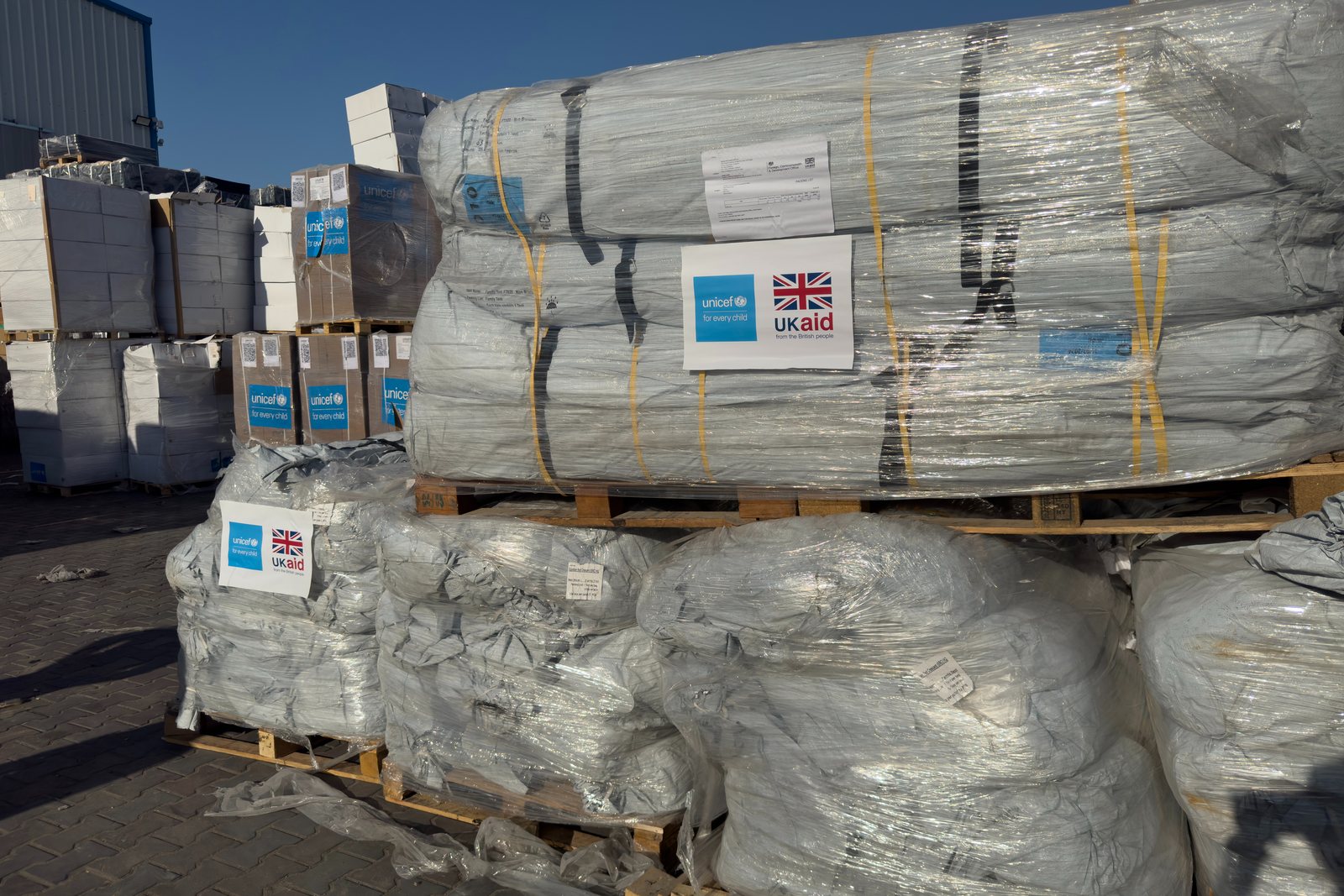
The first phase groups emergency relief and state-building into one package. It calls for replacing tents with more durable shelters; removing rubble; rehabilitating hospitals; building desalination capacity; repairing border crossings; restoring electricity and water; and deploying 25,000 portable solar kits. It also includes economic programs, the training and deployment of a civilian police force, and the permanent filling of tunnels beneath priority reconstruction sites.
That breadth is the plan's strength and its vulnerability. Shelter, clean water and functioning hospitals answer immediate civilian needs. Border access, electricity and policing are systems problems that require continuing political agreements, trained personnel and secure territory. Tunnel filling adds a military condition to what otherwise looks like a recovery budget. The 66 projects therefore cannot all move on the same timeline simply because they sit in the same six-month document.
Ali Shaath, chief commissioner of the National Committee for the Administration of Gaza, summarized the governing principle this way: “This recovery must be led by Palestinians, working in genuine partnership.” He said the programs had been assessed, costed and sequenced rather than assembled as a “wish list,” while appealing for political support, removal of obstacles and pooled resources.
Who is running it
The Board of Peace, created by President Donald Trump to oversee the postwar framework, is the international political umbrella. Day-to-day transitional administration is supposed to pass to the Palestinian-led National Committee for the Administration of Gaza. The security bridge is an International Stabilization Force operating alongside a vetted Gazan civilian police service.
Officials expect Kosovo and Morocco to provide the first stabilization-force contingents, with Albania and Kazakhstan planned to follow. That multinational design is intended to separate Gaza's future administration from both direct Israeli rule and renewed Hamas control. But troop commitments on paper do not establish rules of engagement, command authority or consent on the ground. Those details determine whether the force protects recovery sites, supports police, conducts demilitarization or becomes caught between armed actors.
US special envoy Steve Witkoff told the New York gathering, “Today, we can point to real progress,” citing the continuing though imperfect ceasefire, the return of hostages and humanitarian pledges. Jared Kushner described the institution-building effort as larger than commerce: “We're building something way more important than a company.” Their optimism rests on new governing and security structures that did not exist a year ago; their test is whether those structures can operate without a settled Israeli withdrawal or completed Hamas disarmament.
Why this matters
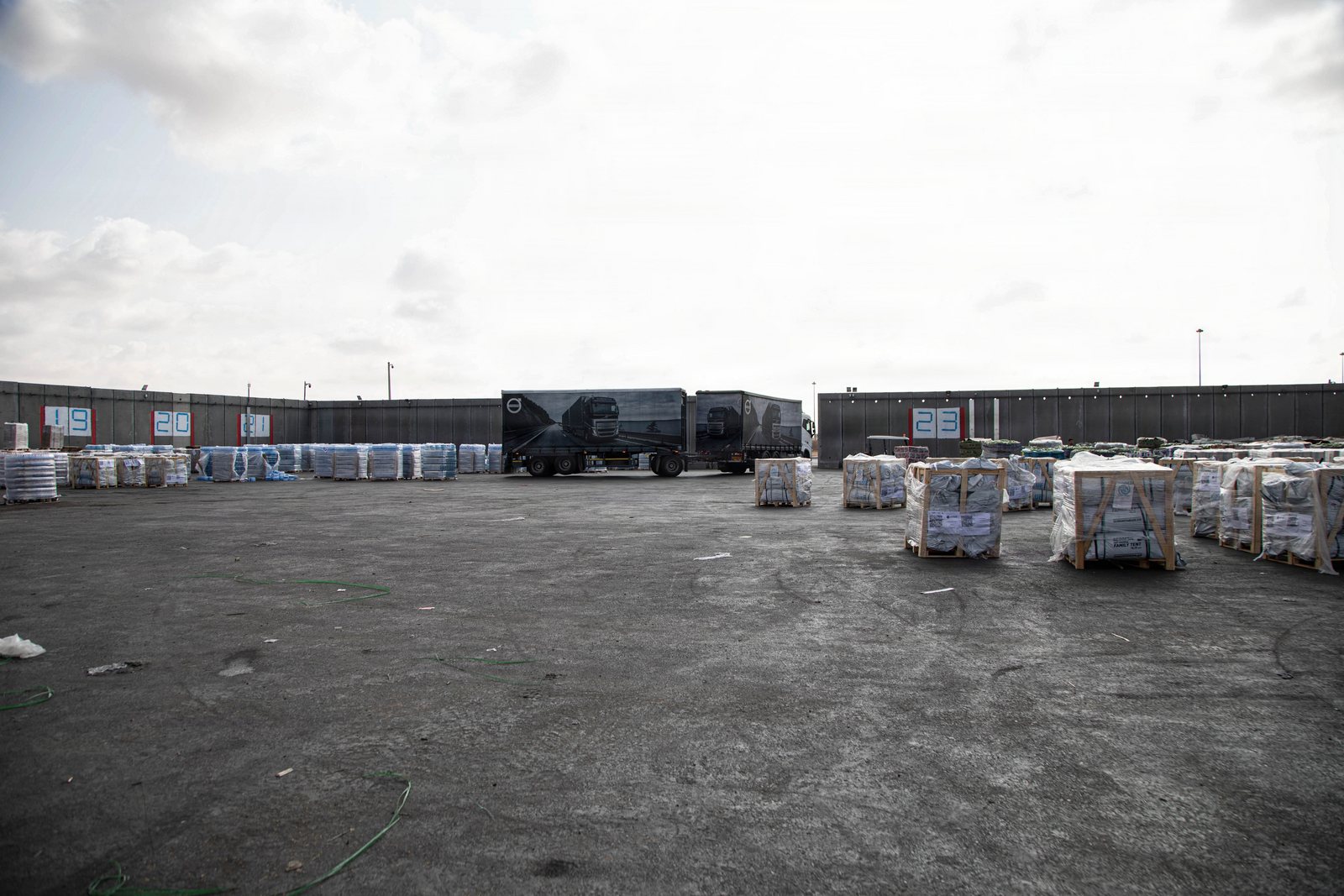
The proposal changes the argument from whether Gaza needs reconstruction to which tasks can begin first, under whose authority and with what security guarantees. A list of 66 costed projects gives donors something more actionable than a headline pledge. It also exposes the gap between technical planning and political permission. Water plants cannot be supplied reliably if border crossings close; hospitals cannot be rebuilt safely if strikes continue; a police force cannot assume responsibility if multiple militaries retain overlapping control.
For civilians, the distinction between a plan and implementation is immediate. The first six months are designed to move people out of tents, restore basic services and create paid work. Delays do not merely push back a distant reconstruction horizon; they prolong exposure to unsafe water, damaged health systems and displacement.
How we got here
The Board's announcement came on the sidelines of the United Nations General Assembly after an almost three-year war and repeated ceasefire efforts. A UN-backed framework envisaged a Palestinian-led interim government, demilitarization, an international force and staged Israeli withdrawal. The recovery proposal is the construction and services layer of that wider political architecture.
The architecture remains contested. Israel and Hamas have not completed the reciprocal steps needed to unlock it. Israel's control of roughly 60% of Gaza constrains access and jurisdiction. Hamas has not surrendered its weapons. Negotiators have not fixed the sequencing among disarmament, an Israeli pullback, the stabilization force and the interim administration. The Board is effectively trying to prepare a recovery machine before the parties have agreed who turns each key.
Those tensions sit beside continuing violence. Israeli strikes in Gaza on September 23 killed four people, according to Palestinian health officials, while Israel said one strike targeted Hamas finance official Muhammad Abu Alwan. Our reports on the Abu Alwan strike and Israel's demand for Hamas disarmament show why recovery planning and active security operations remain inseparable.
Who benefits, who loses, what skeptics say
Potential beneficiaries
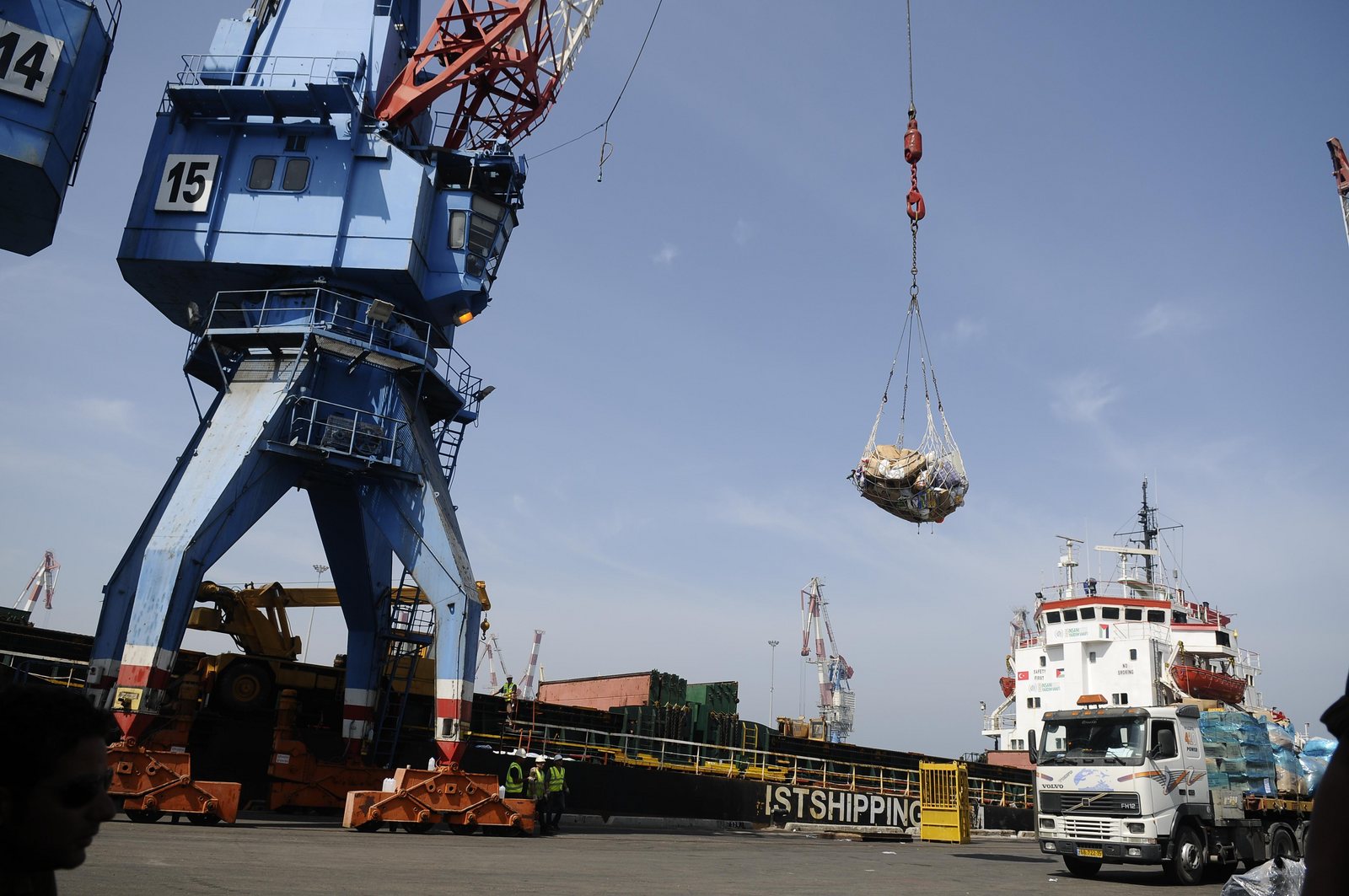
Displaced Palestinians stand to gain first if shelter, water and hospital projects begin. Local contractors, engineers, health workers and small businesses could gain from the recovery and economic programs. The National Committee gains legitimacy if it can deliver services rather than simply issue decrees. Donor governments gain a shared framework that could reduce duplication and make spending easier to audit.
Those who could lose influence
Hamas would lose armed and administrative power under a model built around demilitarization and a new police force. Israel would surrender direct territorial control if the stabilization force, vetted police and Palestinian committee become credible substitutes. Smuggling networks and armed groups would lose access to tunnels and informal border economies. Each prospective loss is also a source of resistance.
The skeptical case
Skeptics argue that construction schedules are premature when the political bargain beneath them is incomplete. The Board and Palestinian administration have not secured all $2.45 billion. Donors may wait for clear security guarantees; builders may demand protection; Israel may resist withdrawals it views as unsafe; Hamas may reject disarmament without a larger political settlement. Nickolay Mladenov, the Board's high representative for Gaza, acknowledged the electoral pressure complicating talks with Israel: “Everything is a little bit more emotional, a little bit more politically sensitive.”
What the numbers mean
- $2.45 billion over six months: about $13.6 million per day if spending is distributed evenly. Real disbursement would be uneven because rubble removal and utility restoration unlock later projects.
- 66 projects: an average of roughly $37 million per project, although that average masks large infrastructure works and much smaller service programs.
- $35.2 billion in estimated physical damage: the first phase equals about 7% of the damage bill. It is triage, not full replacement.
- $71.4 billion over a decade: the six-month package is about 3.4% of the projected long-term recovery cost.
- 25,000 solar kits: a distributed power bridge for households and services while the grid is repaired, not a substitute for a functioning electricity system.
The ratios clarify the plan's ambition. This is a starting tranche designed to reopen systems and demonstrate that the governance model can deliver. If the first phase stalls, the larger $71.4 billion program becomes harder to finance. If it produces visible shelter, water and health gains, donors get evidence that later commitments can be turned into work.
What happens next
- Secure the financing. The Board and the Palestinian committee need firm commitments, disbursement schedules and oversight rules rather than expressions of interest.
- Set the security sequence. Israel, the stabilization force and the interim administration must define which territory transfers first, who verifies demilitarization and when civilian police take over.
- Turn 66 projects into contracts. Each project needs access, procurement, responsible agencies, engineering surveys and measurable milestones.
- Protect humanitarian work from political delay. Shelter, water and hospital repairs should not wait for every final-status question, but they still require safe corridors and reliable border access.
The broader diplomatic test is whether the Board's operational plan can reinforce the multinational roadmap announced around UNGA rather than compete with it. Our earlier report on the eight-nation Gaza comprehensive plan explains the political commitments this recovery package is supposed to serve.
The bottom line
The Board of Peace has supplied Gaza with something reconstruction debates often lack: a near-term list, a cost and an administrative design. It has not supplied the decisive ingredients that construction crews cannot manufacture — full funding, uncontested authority and a durable security settlement. The next measure of progress is therefore not another unveiling. It is whether money reaches a project, access is granted and Palestinians see shelter, water, medical care or electricity restored without renewed fighting undoing the work.
Sources
- New York Post, Sept. 23, 2026: Board of Peace announcement, project scope and statements from Ali Shaath and Jared Kushner.
- USA Today, Sept. 23, 2026: recovery plan, transitional administration and political obstacles.
- Reuters via KRRO, Sept. 23, 2026: 66-project budget, damage estimates, solar kits and funding status.
Reporting cutoff: September 23, 2026, 12:15 p.m. Pacific time. Cost totals are estimates in the plan and do not represent secured or spent funds. Statements about territorial control, disarmament and force deployment are attributed to officials and reporting available at the cutoff; implementation remains uncertain. Analysis is identified as Signal Post News analysis.