The lead: a career low, with the base moving
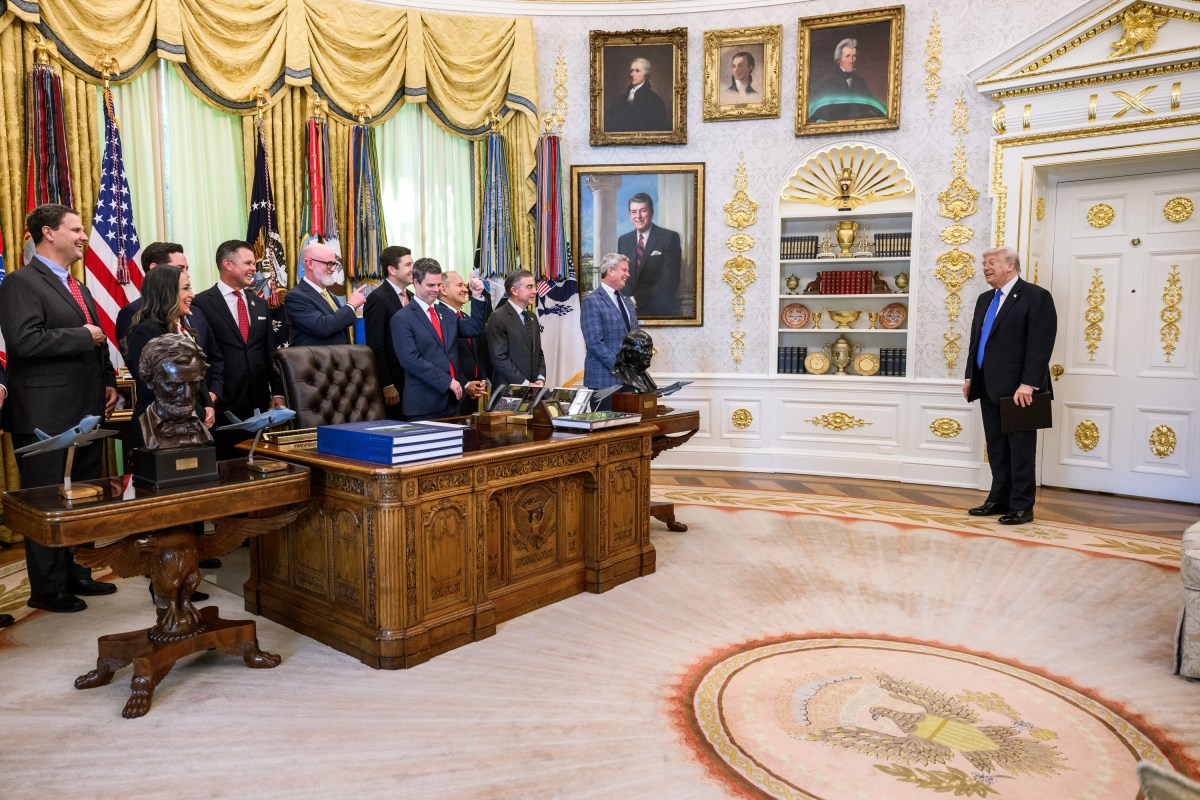
President Donald Trump’s job approval has fallen to 32%, the lowest reading of his political career in Reuters/Ipsos polling, as anxiety over the cost of living and the economic consequences of the U.S.–Iran war spread into the Republican electorate. The poll, released Monday, September 21, found approval down three points from 35% one week earlier and 15 points below the 47% Trump recorded immediately after beginning his second term in January 2025.
The headline number is damaging. The internal numbers are more dangerous. Republican approval of Trump dropped from 82% to 73% in a week. On the issue voters identify as most important to their November 3 midterm choice—the cost of living—only 17% of Americans approve of Trump’s performance. For the first time in Reuters/Ipsos polling, Republican disapproval of his handling of living costs exceeds Republican approval, 51% to 44%.
That 51–44 split is the five-alarm signal. Presidents can endure opposition-party anger and still protect congressional allies. They cannot easily sustain a governing coalition when their own voters conclude that the defining household issue is being mishandled. With Republicans defending narrow majorities in both chambers and the election six weeks away, a national approval low has become a down-ballot problem.
- 32%
- Trump’s overall job approval, a Reuters/Ipsos career low
- 17%
- Approval of his handling of the cost of living
- 73%
- Republican job approval, down from 82% one week earlier
- 51–44
- Republican disapproval versus approval on living costs
- 43–35
- Democratic lead among registered voters on the midterm ballot
- ±3
- Percentage-point margin of error for the national poll
How the poll was conducted—and what it cannot prove
The four-day Reuters/Ipsos survey closed Sunday, September 20, after collecting online responses from 1,277 U.S. adults. Its margin of error is plus or minus three percentage points. Reuters correspondent Jason Lange reported the findings, and Ipsos published a separate summary of the decline among Republicans.
Those details should discipline the interpretation. At 32%, the statistical interval around the headline estimate overlaps with the prior week’s 35% reading. A one-week change can reflect sampling variation as well as real movement. An online survey also relies on weighting to make the responding sample resemble the population; critics of online-only methodology question whether weighting can fully correct for differences between people who join panels and those who do not. Weighting choices, subgroup sample sizes and the wording or order of questions can all influence estimates.
None of that makes the result meaningless. Reuters/Ipsos has used a recurring methodology, allowing movement to be compared across time, and the poll’s direction is reinforced by a longer trend rather than one isolated point. The sound conclusion is narrower than a prophecy: Trump is in his weakest position in this series, the affordability issue is driving broad dissatisfaction, and Republican support has measurably softened. One poll is not destiny, and a national ballot question is not a forecast for every House district or Senate state.
The 15-point slide in historical context
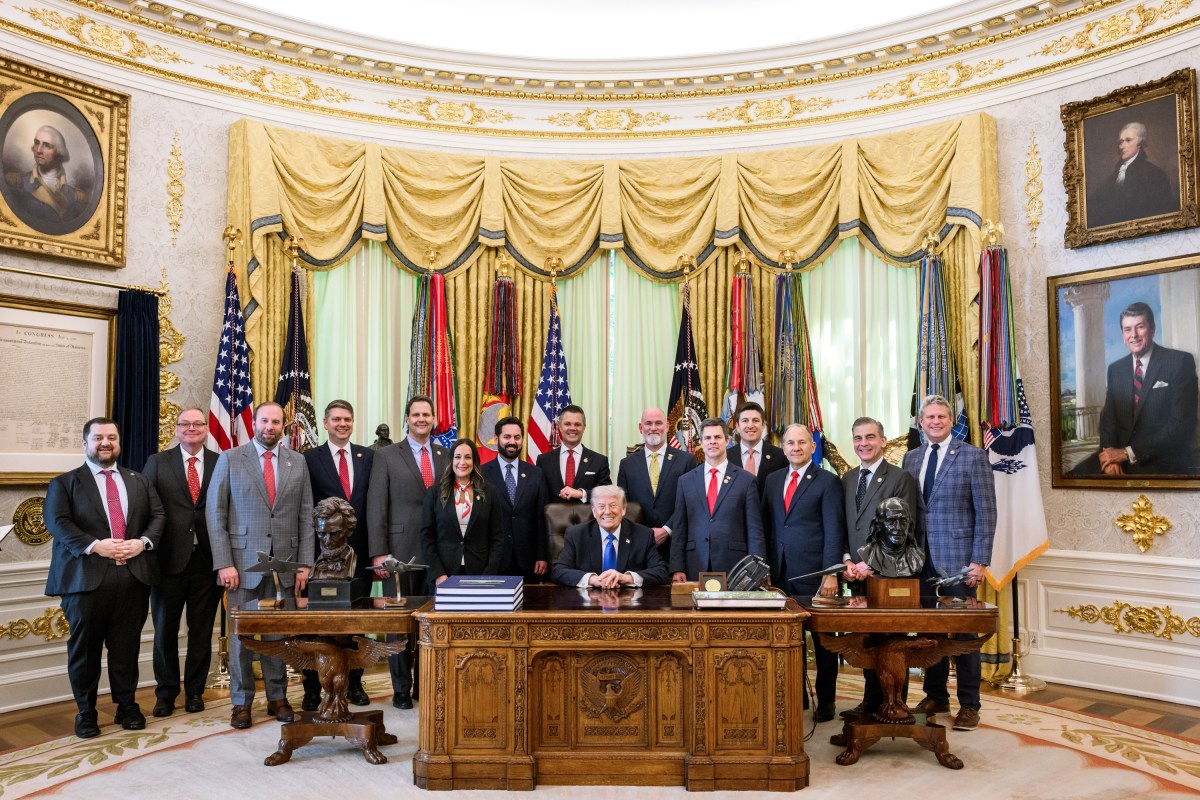
Trump entered his second term at 47% in Reuters/Ipsos polling, not a landslide consensus but a comparatively strong opening for a polarizing president. Approval fell to 36% in March, remained 36% in June, reached 33% for three weeks in August, recovered to 35% on September 14 and then fell to 32% in the latest survey. The path is uneven, but the destination is unmistakable: a 15-point loss from the second inauguration.
The new number breaks through a floor that had held across two presidencies. Trump previously reached 33% in December 2017 and again during three weeks in August 2026. At 32%, he is now one point below that first-term low. Reuters also noted that the reading is lower than any approval score its Ipsos series recorded for President Joe Biden, whose term was defined in part by inflation and whose reelection effort ended after concerns about age and performance intensified.
Comparisons across presidencies require care because political conditions differ. But the historical signal is useful: Trump’s central political promise was that his return would reduce prices and end foreign wars. By September 2026, the poll shows voters judging him harshly on the first promise while the Iran conflict undermines the second. The slide is therefore not merely fatigue with an incumbent. It strikes at the rationale offered for the second term.
Why the cost-of-living split can collapse coalition math
Coalitions fail at the margin. A president does not need to lose most Republican identifiers for his party to lose competitive seats; he needs some supporters to stay home, defect to a Democrat or skip the congressional line. The 51% Republican disapproval on living costs does not mean a majority will vote Democratic. It means the issue most capable of mobilizing dissatisfaction now reaches beyond independents and opposition voters.
That matters because household economics are experienced continuously. A voter can tune out a Washington investigation or treat a diplomatic dispute as remote. Gasoline, diesel, groceries, rent and borrowing costs arrive every week. If people connect those pressures to the Iran war, Republican candidates cannot separate domestic economics from foreign policy simply by changing the subject.
The registered-voter ballot test illustrates the danger: Democrats lead Republicans 43% to 35%, the largest Democratic advantage in Reuters/Ipsos polling this year. The eight-point gap is not a seat projection, and district boundaries can convert votes into seats unevenly. Still, it gives Democratic campaigns more room to contest marginal districts and forces Republican committees to spend defensively. A separate Decision Desk HQ average on Monday evening put Trump at 38.8% approval and 59.7% disapproval—higher than Reuters/Ipsos but still deeply underwater. A New York Times/Siena poll also found Republicans trailing Democrats on immigration, health care and the economy, suggesting the vulnerability is not confined to a single issue or survey.
The Iran war has become a kitchen-table issue
The political mechanism is fuel. Trump launched the U.S. war with Iran in February 2026. Since then gasoline and diesel prices have risen sharply, carrying the conflict into commuting costs, freight bills and the price of goods moved by truck. Voters do not need to follow battlefield developments to feel the war’s economic transmission.
Republican Senate candidates Mike Rogers in Michigan and Ashley Hinson in Iowa responded Monday by calling for a swift end to the war, a notable divergence from a president who dominates their party. They are effectively trying to run against the duration and economic cost of their own president’s conflict without breaking completely from him. That posture reveals where internal campaign polling and voter conversations may be pointing: loyalty to Trump is no longer sufficient protection from anger at the pump.
Trump said on Wednesday, September 16, that the United States was “hopefully toward the end” of the war. Tehran had not confirmed a resumption of direct negotiations. That distinction is essential. A presidential expression of hope can shape expectations; it is not evidence of an agreed ceasefire or negotiating channel. Candidates seeking relief need a visible reduction in risk and prices, not merely a softer phrase.
Ukraine refinery strikes complicate the White House explanation
Trump has also blamed Ukrainian attacks on Russian refineries for pressure on diesel markets, making energy infrastructure a central issue in his meeting with President Volodymyr Zelenskyy during the U.N. General Assembly. Our related Trump–Zelensky analysis explains how sanctions, refinery strikes and security guarantees narrowed that conversation; our Samara refinery report examines the disputed battlefield claims and energy stakes.
Even if Ukrainian strikes contribute to tight diesel supply, that argument does not solve the political problem identified by Reuters/Ipsos. Republican voters are judging Trump’s handling of living costs, not assigning responsibility in an energy-market model. Blame can explain a price. It does not lower it. If the administration pressures Kyiv while the Iran war continues to elevate oil risk, voters may see inconsistency rather than relief.
The policy challenge is therefore twofold: reduce the immediate geopolitical premium and offer credible domestic measures that do not create a larger fiscal or supply problem. Temporary tax relief, reserve releases, targeted household assistance or pressure on refiners may be politically attractive, but each has trade-offs. The most durable relief would come from an end to the shock that made fuel part of the midterm campaign.
Winners, losers and the danger of overreading one survey
Democrats are the obvious short-term winners. An eight-point generic-ballot advantage allows them to nationalize contests around affordability, contrast Trump’s 17% cost-of-living approval with household expenses and argue that unified Republican government made voters less secure. The message is especially potent if GOP candidates are forced to defend a war they increasingly want ended.
Rogers and Hinson may gain tactical room by demanding a faster exit, but they also expose the Republican split. If Trump rejects their urgency, they look powerless. If he adopts it, Democrats can claim the candidates were right that the war had become politically and economically unsustainable. Republican leaders in Congress face the same bind: distance can protect a district while weakening the national brand; loyalty can preserve party unity while importing Trump’s approval problem into every race.
Trump’s most important potential asset is time. Six weeks is short for rewriting a presidency but long enough for a ceasefire, a fall in fuel prices or a campaign event to change attention. The ±3-point margin means the precise 32% should not be fetishized, and other polling averages place him higher. The deeper problem is convergence: low personal approval, poor cost-of-living ratings, a Democratic ballot lead and visible candidate defections all point in the same direction.
Why the warning extends beyond Congress
Losing one or both chambers would do more than interrupt Trump’s legislative agenda. A Democratic House could control committees, subpoenas and investigations for the final two years of his term. A Democratic Senate would reshape the path for judges, senior appointments and any treaty-related business. Losing both would turn the White House toward executive action and veto politics, increasing conflict over the limits of presidential power.
The administration’s recent choices also connect to other vulnerabilities. Trump’s unexpectedly cordial meeting with New York Mayor Zohran Mamdani, covered in our Gracie Mansion analysis, shows the political value of being seen to negotiate over affordability. The Paramount–Warner settlement raises a different question about power, media oversight and how voters receive competing accounts of the administration. Neither story changes the poll, but both show a presidency searching for practical wins and control of the public narrative while economic dissatisfaction hardens.
What happens next
First, watch the war timetable. A verified negotiating channel, ceasefire or reduction in hostilities could ease fuel-market pressure and give Republican candidates a concrete answer. Continued fighting—or claims of imminent progress without confirmation from Tehran—would deepen the credibility problem.
Second, watch for an economic-relief pivot. The White House may emphasize energy supply, pursue targeted tax measures or recast existing policy around affordability. The test is whether voters experience relief before ballots are cast. Announcements that do not change prices are unlikely to reverse the coalition math.
Third, watch Republican language. Rogers and Hinson may be early examples of a wider pattern in which candidates support Trump in general while opposing the war’s duration and cost. If that spreads into House races, it will signal that the campaign has moved from defending the president to containing his liabilities.
A midterm wipeout is a risk, not a forecast. National polls do not decide district-level races, turnout models can change, and six weeks can contain political surprises. But the Reuters/Ipsos result establishes the size of the warning. Trump is below his previous career floor, 15 points beneath his second-term opening, lower in this series than Biden ever fell, and losing confidence on the issue his own voters say matters most. Republicans do not need to abandon him en masse for control of Congress to change hands. They need only to stop carrying the lion’s share of his political weight.
Sources and methodology
- Reuters — Jason Lange’s report on the September 17–20 Reuters/Ipsos poll
- Ipsos — poll summary and Republican issue ratings
- USA Today — report on the career-low reading and Republican cost concerns
- The Hill, syndicated by CW7 Arizona — polling context and national averages
- International Business Times Singapore — trend and methodology context
Editorial note: Established poll results and attributed statements are presented as facts about what the sources reported. Judgments about coalition risk, campaign strategy and possible outcomes are Signal Post News analysis. The poll’s ±3-point margin of error and online methodology mean the exact estimate should be read as a range, not a guaranteed vote result.