Trump university visa fraud investigation
Vice President JD Vance says the schools are using exchange visas as cut-rate labor, undercutting American researchers. Subpoenas are already out — and the universities have yet to respond.
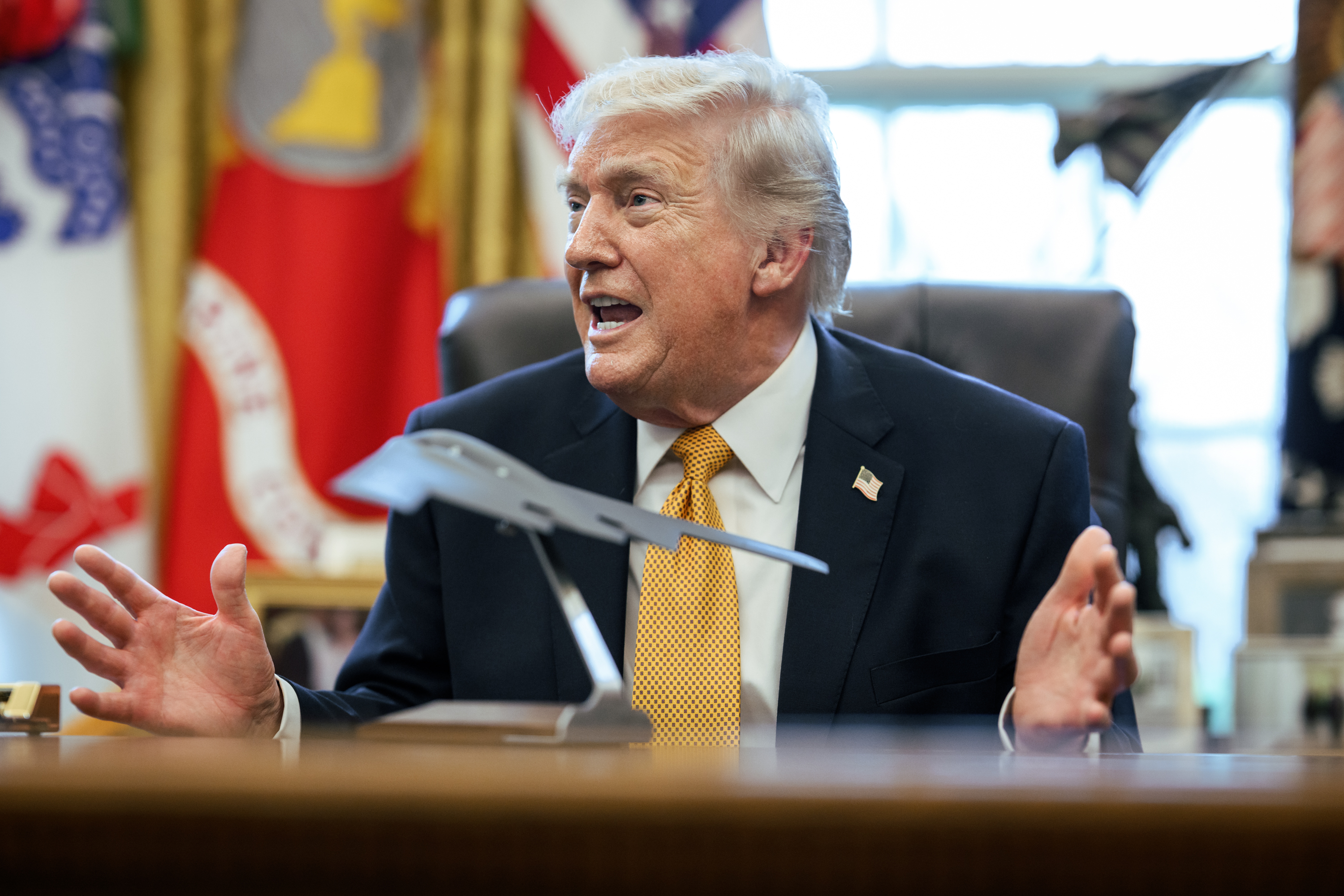
The Trump administration has opened one of its most aggressive investigations yet into American higher education — and it is aimed squarely at the top of the system. Vice President JD Vance announced Thursday that nine universities, including Harvard, Yale, Stanford, the Massachusetts Institute of Technology, and Caltech, are under investigation for alleged fraud involving the J-1 Exchange Visitor Program, the federal pipeline that brings foreign students, scholars, and researchers to American campuses and laboratories.
Nine subpoenas, one message
The nine schools named are Harvard, Yale, Stanford, Brown, the University of Pittsburgh, the University of California, Davis, Caltech, Arizona State, and MIT. Vance made the announcement at a White House Fraud Task Force news conference on Thursday, framing the probe as a worker-protection crackdown.
“Something weird is going on at these universities,” Vance said. “They're using these visas way too much. They're using them to undercut the wages of American grad students and American researchers, and it simply has to stop.”
The administration's core accusation is that the schools exploit the J-1 program to bring in foreign students and researchers as cheap labor — benefiting financially, in the administration's telling unlawfully — while suppressing wages for American graduate students and researchers. Officials also raised the possibility that the schools improperly used taxpayer-funded programs to pay for the visas.
Anthony D'Esposito, a Labor Department watchdog official, drew the national-security frame bluntly: “If an American university is breaking the law to save $1 while exposing American research to a foreign adversary, that is not academic excellence. It's institutional betrayal.”
The Labor Department is standing up a dedicated visa fraud strike team, and subpoenas have already been served on all nine schools. According to the administration, the probe covers “foreign influence, improper financial relationships, or visa abuse” in federally funded research.
The 61% figure — and why it is contested
Vance's headline number is striking: he claimed roughly 61 percent of researchers on federally funded grant projects at the nine schools hold J-1 visas, compared with about 38 percent nationally. But he did not explain how the figure was calculated — which researchers were counted, over what time period, or how “federally funded grant projects” were defined. That matters, because the statistic sits at the center of the whole case.
Elite research universities run laboratories that are, by nature, international: American science has drawn on global talent for generations, and a high foreign share in grant-funded labs is a familiar feature of top-tier research institutions, not proof on its own of wrongdoing. A raw gap between 61 percent and the national average could reflect abuse — or simply the fact that these are the labs the world's best young researchers compete to join.
The universities had not responded to requests for comment at the time of publication, so the public record holds only the administration's framing. Any serious assessment of the claim will have to wait for the underlying methodology.
Why this matters
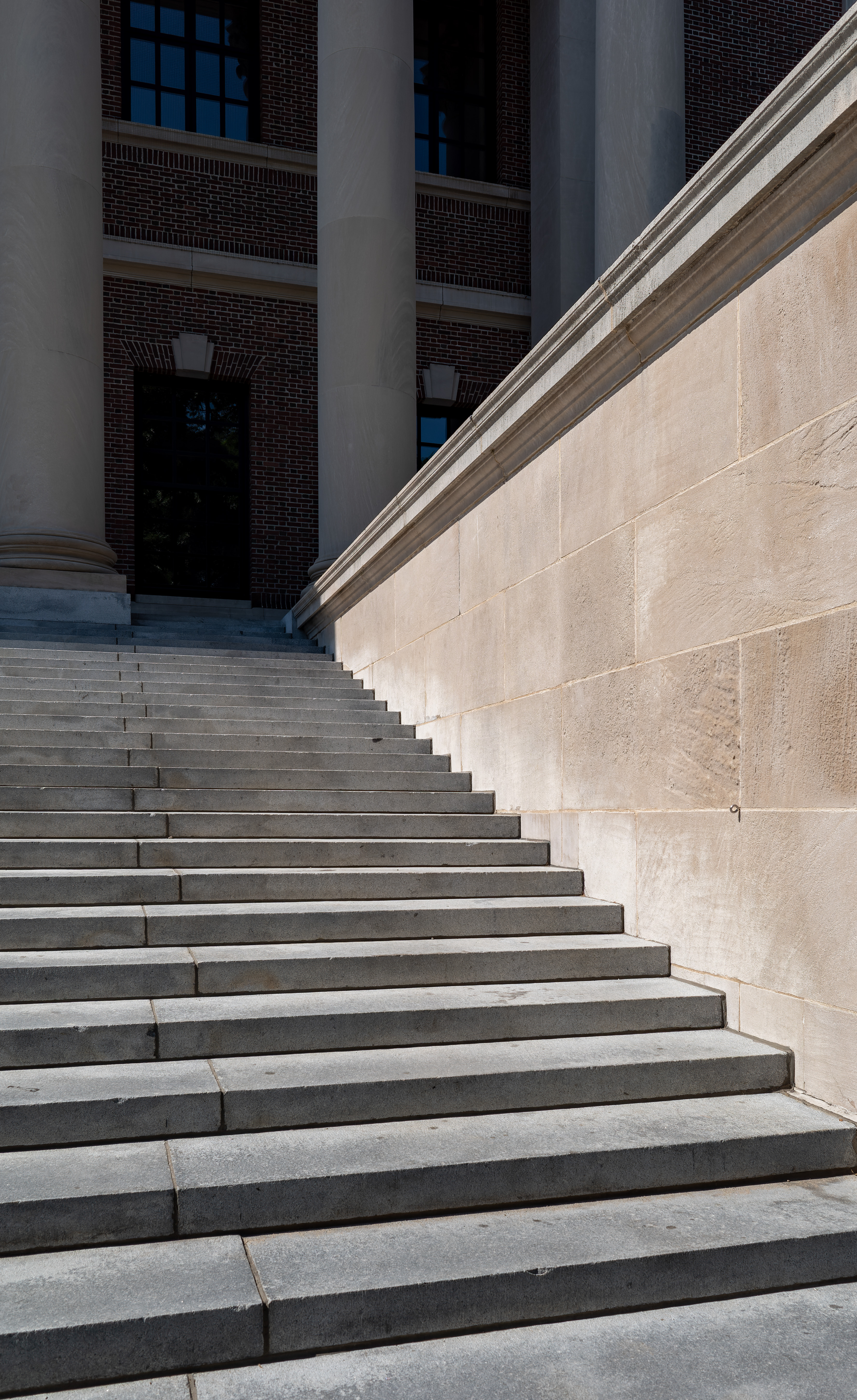
This investigation fuses the two most politically charged fronts of the second Trump term — the crackdown on elite universities and the enforcement campaign on foreign labor — into a single action. The J-1 Exchange Visitor Program is not a side channel; it is central plumbing for American research. Challenge how it is used at Harvard, Stanford, and MIT, and you are challenging the operating model of the institutions that produce a disproportionate share of American science.
There is also a calendar to this. With the midterms approaching, a fraud task force naming nine famous universities in one breath is as much a political signal as a legal one: a promise to the administration's base that the pressure on higher education is not letting up, and a warning to every other campus that compliance is being watched. The national-security language — research exposed “to a foreign adversary” — raises the stakes further, suggesting the probe could expand beyond wage questions into the far murkier terrain of foreign influence.
How we got here
Thursday's announcement did not come out of nowhere; it landed in the middle of a coordinated squeeze on foreign labor in American workplaces and classrooms. The same day, Microsoft was suspended from the PERM green-card program over H-1B abuse claims. See our coverage: “Vance accuses Microsoft of H-1B layoffs harming American workers.”
On Wednesday, the Department of Homeland Security proposed charging schools a $70,000 fee for every international student in the OPT work program. The State Department opened a separate J-1 investigation of Harvard back in July 2025. And the administration's earlier attempt at a $100,000 fee on H-1B visas was struck down by a federal judge in June 2026 — which makes the university probe look, in part, like a second route to the same destination after the first was blocked.
It also fits a longer war: Harvard is already fighting the administration in court over roughly $2 billion in federal funding. Read our coverage of Harvard's funding appeal. The new subpoenas land on a battlefield that is already hot.
Who wins, who loses
The case for the crackdown
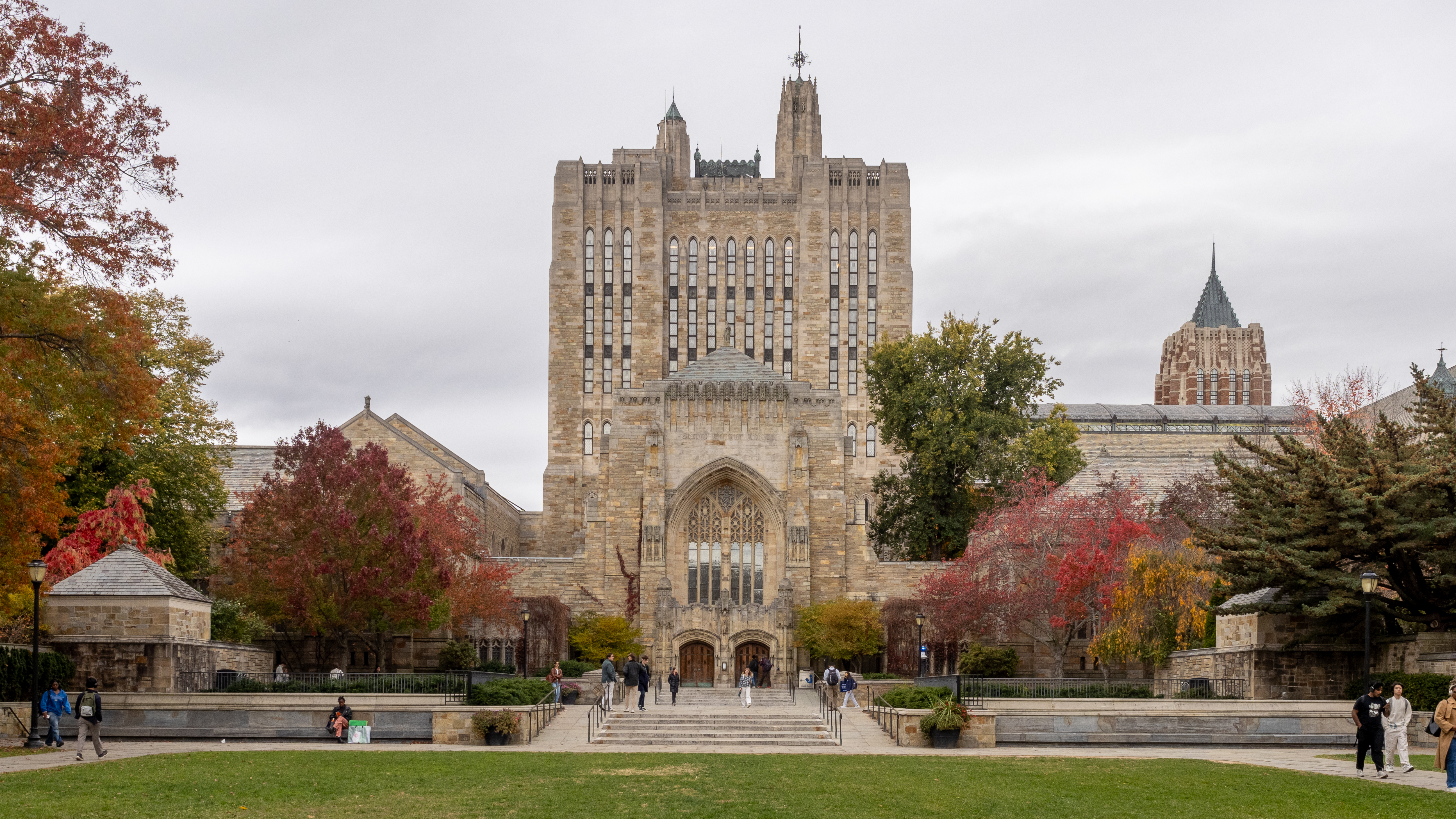
If the allegations hold, American graduate students and early-career researchers are the natural winners — a labor market where universities cannot undercut them with cheaper visa labor should, in theory, mean better pay and more opportunities. The administration's supporters will also read this as accountability long overdue: elite institutions with multibillion-dollar endowments being forced to answer for how they staff federally funded work.
The case against
But research laboratories are the immediate losers. Modern American science runs on international postdocs and scholars; a chilling effect on J-1 sponsorship — even before any finding of wrongdoing — could slow labs, delay grants, and push top young researchers toward Europe and Asia. Universities face steep compliance costs and, potentially, conditions on the federal funding they depend on.
And the deepest risk is strategic: the United States' research edge was built by importing the world's best minds. Every escalation in this fight tests how much of that model Washington is willing to gamble.
The honest middle
An investigation is not a finding. Subpoenas are the opening move of a long process, not a verdict, and the administration's own lead statistic — the 61 percent figure — is asserted without a public methodology. The universities' silence, for now, is a choice, not an admission.
What happens next
Watch three things. First, the Labor Department's new visa fraud strike team — how it conducts audits across nine very different institutions will show whether this is a targeted enforcement action or a fishing expedition. Second, the universities' legal response: Harvard's track record suggests courtrooms, not press conferences, will be the real arena, and a protracted fight like the $2 billion funding battle is the likely template. Third, Congress: a fraud frame this loud tends to pull in lawmakers, and funding conditions or new disclosure rules could follow even if the subpoenas produce nothing.
Three plausible scenarios: a negotiated compliance settlement in which schools tighten J-1 practices without admitting wrongdoing; a grinding multi-year legal war that leaves the cloud of suspicion hanging over elite labs; or — the outcome the administration would trumpet — findings of systematic abuse that become the justification for an overhaul of the whole Exchange Visitor Program.
For now, the story is a claim, a number, and nine subpoenas. Whether the Trump university visa fraud investigation becomes a landmark enforcement case or another front in an endless political war will turn on the evidence the strike team can actually produce — and on whether that 61 percent figure, once its methodology sees daylight, measures fraud or simply measures what elite American science looks like.
Sources
The announcement was made at the White House Fraud Task Force news conference on October 8, 2026.