The Taraba attack death toll has risen to at least 48, Taraba State police have confirmed, after gunmen on motorcycles raided the remote village of Binnari in Karim Lamido Local Government Area on Friday, October 23 — and the number is still not settled. Police spokesman Assistant Superintendent Victor Mshelizah told the BBC that the first count of 10 bodies recovered on the day of the attack grew over the weekend as searchers found 23 more victims in the surrounding bush and 15 residents who drowned when an overloaded canoe capsized as they fled across the river. Amnesty International says its own sources on the ground have confirmed 52 deaths. Residents say more than 50 people have already been buried, and some of their neighbours are still missing.
Update — Tuesday, October 27
Nigeria's National Emergency Management Agency (NEMA) said on Tuesday that at least 62 people were killed in Friday's attack on Binnari. Ladan Ayuba, the agency's head for Taraba State, said 52 other people were wounded and thousands displaced. NEMA officials said 52 bodies have been recovered so far, including 15 from the Benue River — a figure consistent with the 15 residents reported earlier to have drowned when the overloaded boat they were fleeing in capsized, though officials have not confirmed the two counts are the same people. The three figures of 52 now in the record are separate counts and should not be merged: Amnesty International's 52 confirmed deaths, the 52 wounded reported by NEMA, and the 52 bodies NEMA says have been recovered.
Taraba police spokesperson Victor Mshelizah told the Associated Press the figure is not definite: "We still have men on the ground, and the more we recover bodies, we will put them in account." Amnesty International Nigeria director Isa Sanusi told AP the gunmen chased people toward the river as residents fled. In its statement, Amnesty said the gunmen burnt foodstuff, homes, shops and motorcycles, and accused the authorities of leaving rural communities "at the mercy of gunmen".
The attributed toll has risen in stages: police put it at 10 on Friday, October 23; Amnesty International counted 40 on Saturday; police confirmed 48 and Amnesty 52 over Sunday and Monday; and on Tuesday, October 27, NEMA put the number killed at at least 62. Police caution that the count is still not final, recovery work continues, and no group has claimed responsibility for the attack.
Track it live: Africa conflicts — the Signal Post News live tracker
What happened in Binnari
The attack began shortly after midday Jumu'ah prayers on Friday, Binnari's weekly market day, when the village was at its busiest. Community leader Malam Abubakar Saifullahi told the AFP news agency that the gunmen arrived on about 50 motorcycles carrying two men each — roughly 100 attackers — and that the rampage went on for up to four hours. They opened fire on residents, looted shops and took cash, foodstuffs and other provisions, seized motorcycles abandoned by people fleeing, and set houses, shops and food stores ablaze, according to police and community accounts reported by the BBC, BusinessDay and AFP.
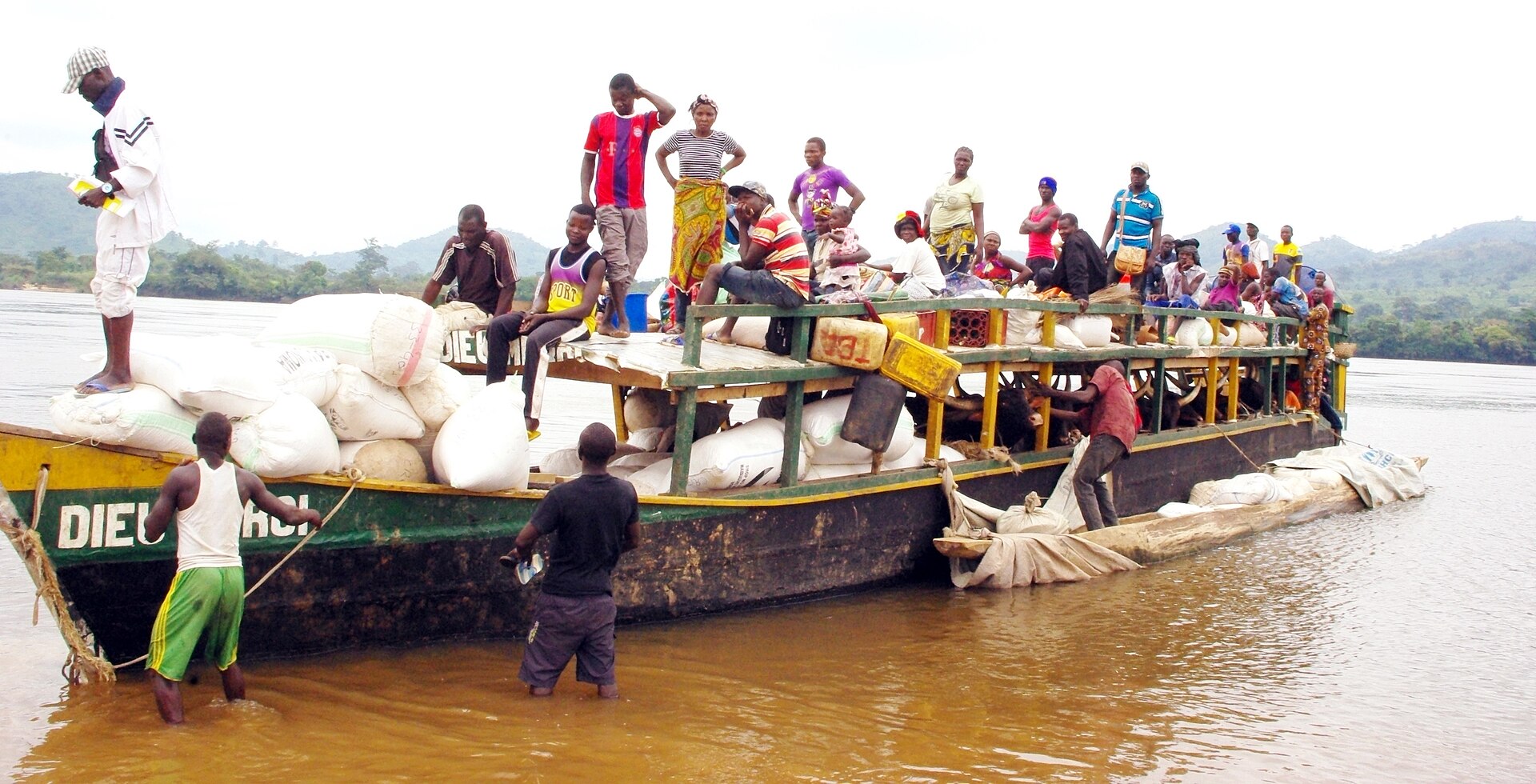
Survivor Isiyaku Musa told AFP that people scattered in every direction: "People were running in different directions to escape the attack. Nobody knew where it was safe to go." Some ran for the bush. Others ran for the river — and for 15 of them, the escape itself was fatal. Mshelizah told BusinessDay that the boat fleeing residents crowded onto was carrying more passengers than its capacity, with too few life jackets, and capsized midway. Another survivor, Sa'idu Nuhu, said some residents remain missing.
Police said officers responded to a distress call and initially recovered 10 bodies with gunshot wounds, which were handed to families for burial under Islamic rites. By the time officers reached the village, the attackers had already fled. Mshelizah was candid about why, telling the BBC: "We were able to disperse the unknown gunmen though there was no casualty on their side and ours because the terrain is difficult and they're used to the terrain." The police command said tactical units, the Police Mobile Force, the Nigerian Army and other agencies were sent to the area, with further reinforcements on Sunday, and that calm had returned. No group has claimed responsibility for the attack.
Four counts, one village: 48, 52, 58 — and now 62
The argument over the Taraba attack death toll is not really an argument about arithmetic. It is an argument about who gets believed. The police figure of 48 is the only one with a published breakdown that reconciles: 10 dead on Friday, 23 bodies recovered from the bush, 15 drowned in the boat — confirmed by the same spokesman independently to the BBC and to BusinessDay. Amnesty International's Nigeria director, Isa Sanusi, says the organisation confirmed 52 deaths through sources on the ground and members of the local community, and community accounts carried by Channels Television put the figure at 50, with residents saying more than 50 victims were buried after a mass burial. A report by China's Xinhua news agency quoted Mshelizah giving a still higher figure of 58 — but the component numbers in that report do not add up to 58, and no other outlet has carried it. Signal Post News is leading with the police-confirmed 48 and treating the higher figures as what they are: attributed, plausible, and unresolved.
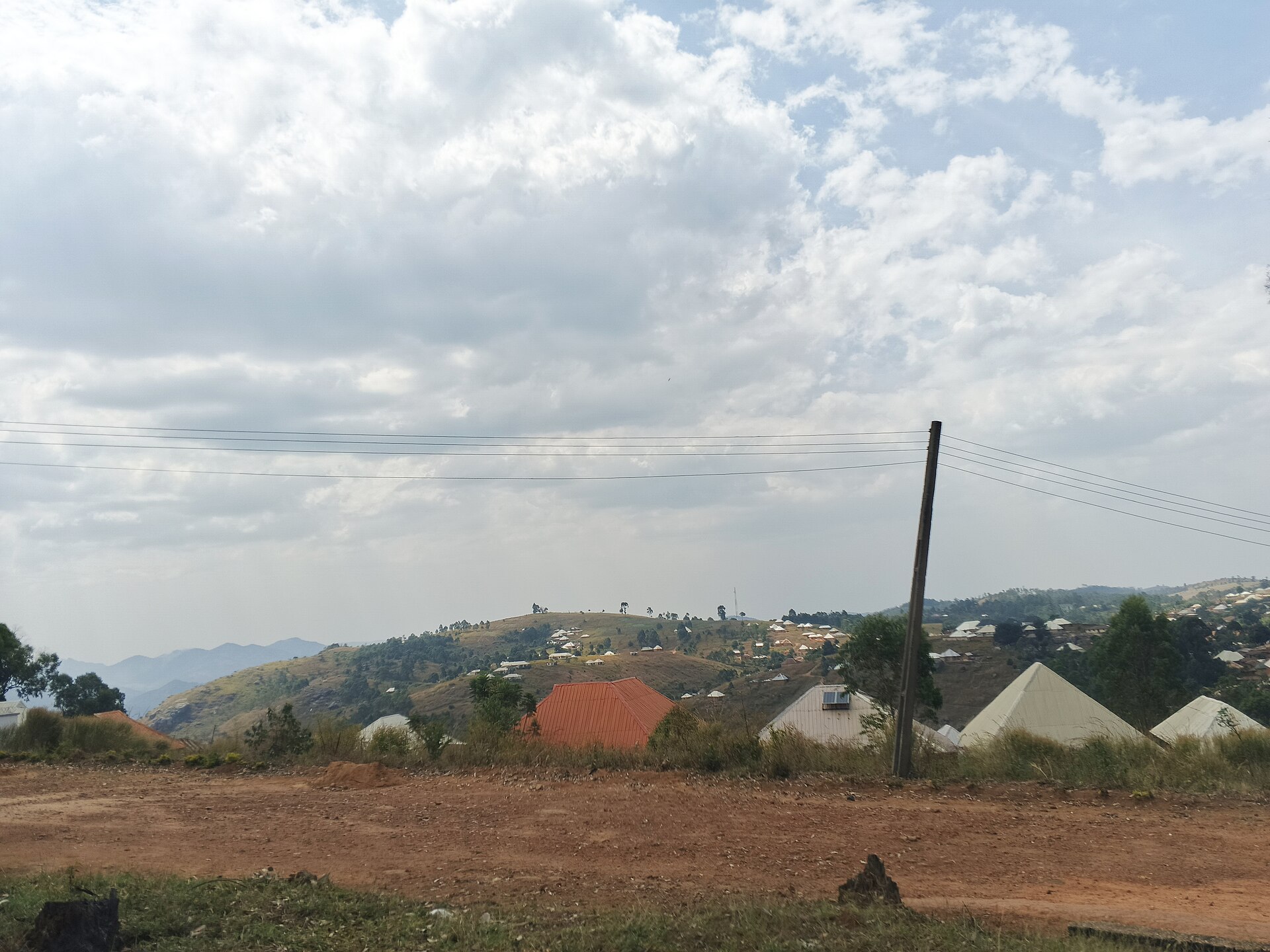
There are structural reasons rural Nigerian massacres produce competing counts, and all of them are present in Binnari. The village is remote, with poor roads that hampered the response. Bodies were recovered from two different places — bush and river — over several days, by different searchers. Islamic burial practice means many victims were buried quickly, before any central count could be made; the community account says many of the later victims were children. And people are still missing, which means every figure published so far is a floor, not a final toll.
Why this matters
Binnari matters beyond one village because of how ordinary the pattern has become. A market day is chosen — the one day a rural community gathers in one place, with cash and food stocks on hand. Motorcycles provide speed across terrain where roads defeat police vehicles. The attack lasts hours, not minutes, which tells you the attackers did not expect an armed response to arrive in time. And the deadliest single moment was not a gunshot but a capsized canoe: when the only escape route from violence is a river in an overloaded boat, insecurity kills even where no bullet lands. Villagers say Binnari has now been targeted three times, and that the attackers came across from neighbouring Plateau State — if either is right, this was not a community caught by a new threat, but one that had already been attacked, twice, and was attacked again anyway.
That is the core of Amnesty International's criticism. Sanusi demanded an impartial investigation into the killings and accused the authorities of leaving rural communities "at the mercy of gunmen" who repeatedly commit atrocities with impunity; Amnesty also criticised what it described as the federal government's slow response. The police account points the other way — an immediate deployment on the distress call, army and mobile-police reinforcements, patrols restored — and the Taraba State government has begun distributing relief materials to survivors and affected families, according to Xinhua. Both accounts can be partly true at once: a state can respond to an attack and still have failed to prevent the third one.
The wider insecurity picture
Parts of north-eastern Nigeria have endured years of violence involving jihadist groups and armed criminal gangs, which raid communities, abduct residents and demand ransoms; similar armed groups operate across the country's north-west and central regions, and Taraba has also seen communal clashes and ethno-religious tensions alongside banditry. The state's forces are stretched across all of it at once — the same week Binnari was attacked, Nigeria's air force was striking ISWAP fighters in neighbouring Borno State (see our report on the airstrike that killed 40 ISWAP fighters), while mass kidnappings by bandits continue further west, as in the abduction of 80 farmers in Zamfara and Niger states. No group has claimed Binnari, and nothing yet publicly links it to any named organisation — a distinction that matters, because banditry, communal violence and jihadist insurgency demand different responses and are too often blurred into one undifferentiated "insecurity."
What happens next
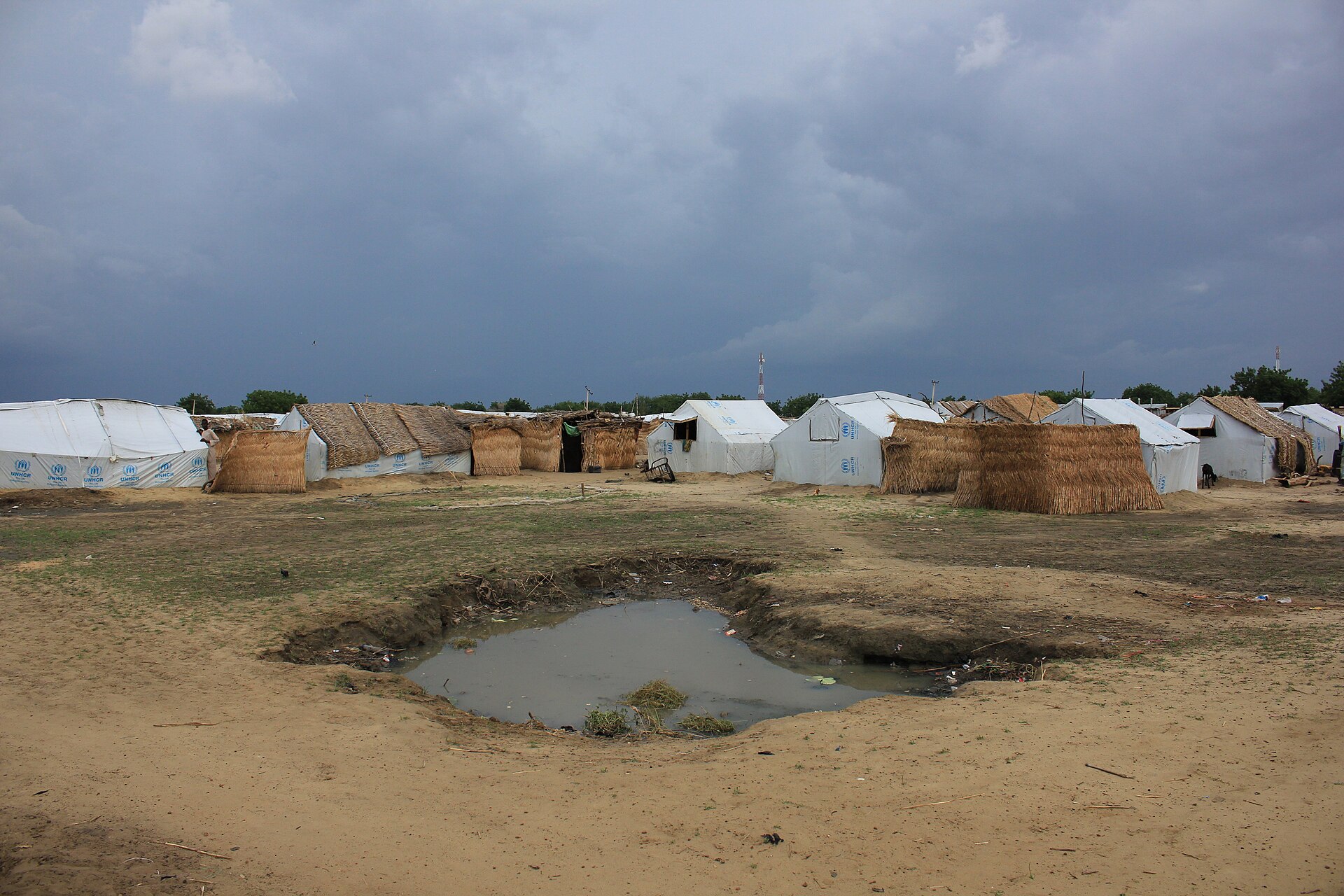
Three things will decide how this story ends. First, the count: searchers are still working the bush and the river, missing residents are unaccounted for, and the gap between the police's 48, Amnesty's 52 and the community's higher claims will either converge on a verified list of names or harden into competing facts. Second, the investigation Amnesty has demanded: whether anyone is identified, arrested or charged will test the impunity argument more than any statement. An election is due in Nigeria next year, and insecurity is expected to feature prominently in the campaign — Binnari is now part of that argument, whether Abuja wants it there or not. Third, the displaced: thousands of residents have reportedly fled to nearby communities, per community accounts, joining a displaced population across the north-east that already numbers in the millions. A village that has buried its dead and emptied its houses has not finished paying for four hours on a Friday afternoon.
Sources
- BBC News — "Death toll in Nigeria village raided by gunmen rises to 48, police say" (police spokesman Victor Mshelizah; AFP community-leader and survivor interviews; Amnesty International's Isa Sanusi), October 25–26, 2026.
- BusinessDay (Nigeria) — "Death toll in Taraba attack rises to 48 as 15 fleeing residents die in boat mishap" (figures confirmed directly to BusinessDay by the Taraba police spokesman), October 25, 2026.
- AFP via BBC — community leader Malam Abubakar Saifullahi (about 50 motorcycles, two men each; looting) and survivor Isiyaku Musa, October 2026.
- Xinhua via BizzBuzz/Leadership — police spokesman giving a higher figure of 58 and Taraba State government relief distribution, October 26, 2026 (flagged in the article as unreconciled).
- QNC News / Channels Television community accounts — toll of 50, mass burial, village targeted three times, thousands displaced, October 26, 2026.
- Associated Press — "At least 62 people killed when gunmen attacked a community in northeastern Nigeria, the country's emergency agency says" (NEMA Taraba head Ladan Ayuba; Taraba police spokesperson Victor Mshelizah; Amnesty International Nigeria director Isa Sanusi), October 27, 2026.
- Sky News — "At least 62 killed and thousands displaced in gunmen attack in northern Nigeria" (NEMA figures; Amnesty International Nigeria statement on the burnings and rural communities left "at the mercy of gunmen"), October 27, 2026.
- News Central TV — "Gunmen Kill 62 in Taraba Community Attack — NEMA", October 27, 2026.