Nigeria Airstrike Kills 40+ ISWAP Fighters in Borno
Track it live: Africa wars tracker — signalpostnews.com/tracker/africa-wars
Nigeria's Joint Task Force (North East), Operation Hadin Kai, said on Monday that its air component killed more than 40 fighters from Islamic State West Africa Province (ISWAP), including a prominent commander, in a precision airstrike on a militant enclave at Badu village, south of Gudumbali in Guzamala Local Government Area of Borno State. The strike was carried out on Saturday, October 10, and announced in a statement issued in Maiduguri on Monday, October 12, by Captain Mohammed Goni, the task force's military information officer.
According to the statement, the operation followed intelligence that ISWAP fighters were assembling inside Sector 3's area of responsibility to launch coordinated attacks on military positions. Surveillance aircraft monitored the suspected hideouts before a strike hit a building occupied by the fighters. The military said two vehicles and about 20 motorcycles used for movement, logistics and attacks were also destroyed, and that the fighters belonged to ISWAP's Murabitun element, a mobile unit it described as responsible for patrols and for coordinating assaults in the area.
What the military is claiming — and what is not yet verified
The casualty figure comes from what the task force called preliminary human intelligence and battle damage assessment, and it said further assessment was ongoing. No independent source has confirmed the toll, and ISWAP has issued no statement about the strike. Claims of militant casualties in Nigeria's northeast are routinely difficult to verify: the fighting zones around Guzamala and the Lake Chad basin are largely closed to journalists, and both sides have incentives to shape the numbers — the military to demonstrate momentum, the insurgents to stay silent or minimise losses. Readers should treat the figure of more than 40 as the military's account, not a confirmed count.
Why this matters
The significance of the Badu strike is less the headline toll than what it says about how this war is now fought. Nigeria's northeast insurgency is in its seventeenth year. ISWAP, which split from Boko Haram in 2016 and pledged allegiance to Islamic State, has evolved from raiding columns into a force that taxes villages, runs checkpoints and fields specialised mobile units such as the Murabitun element named in Monday's statement. Against that kind of enemy, motorcycles and pickup vehicles are not incidental equipment — they are the insurgency's logistics system. Destroying roughly 20 motorcycles and two vehicles, if the assessment holds, degrades the unit's ability to move fighters and supplies across the flat, road-poor terrain south of Lake Chad more durably than a casualty count alone would suggest.
The timing also matters. Less than a week earlier, on October 7, troops of the 101 Special Forces Battalion fought off a four-direction ISWAP assault on a position at Kukawa, near Lake Chad, in fighting in which Reuters reported more than 25 militants killed and an undisclosed number of soldiers and civilian defence volunteers also lost. A pattern of large, coordinated ISWAP attacks followed by intelligence-led airstrikes is the current rhythm of the war: the insurgents test fixed positions, the military answers from the air. Monday's announcement fits that pattern — and the military framed the Badu strike explicitly as pre-emption, saying the fighters were gathering to attack Sector 3 positions.
Context: a war that keeps outlasting campaigns
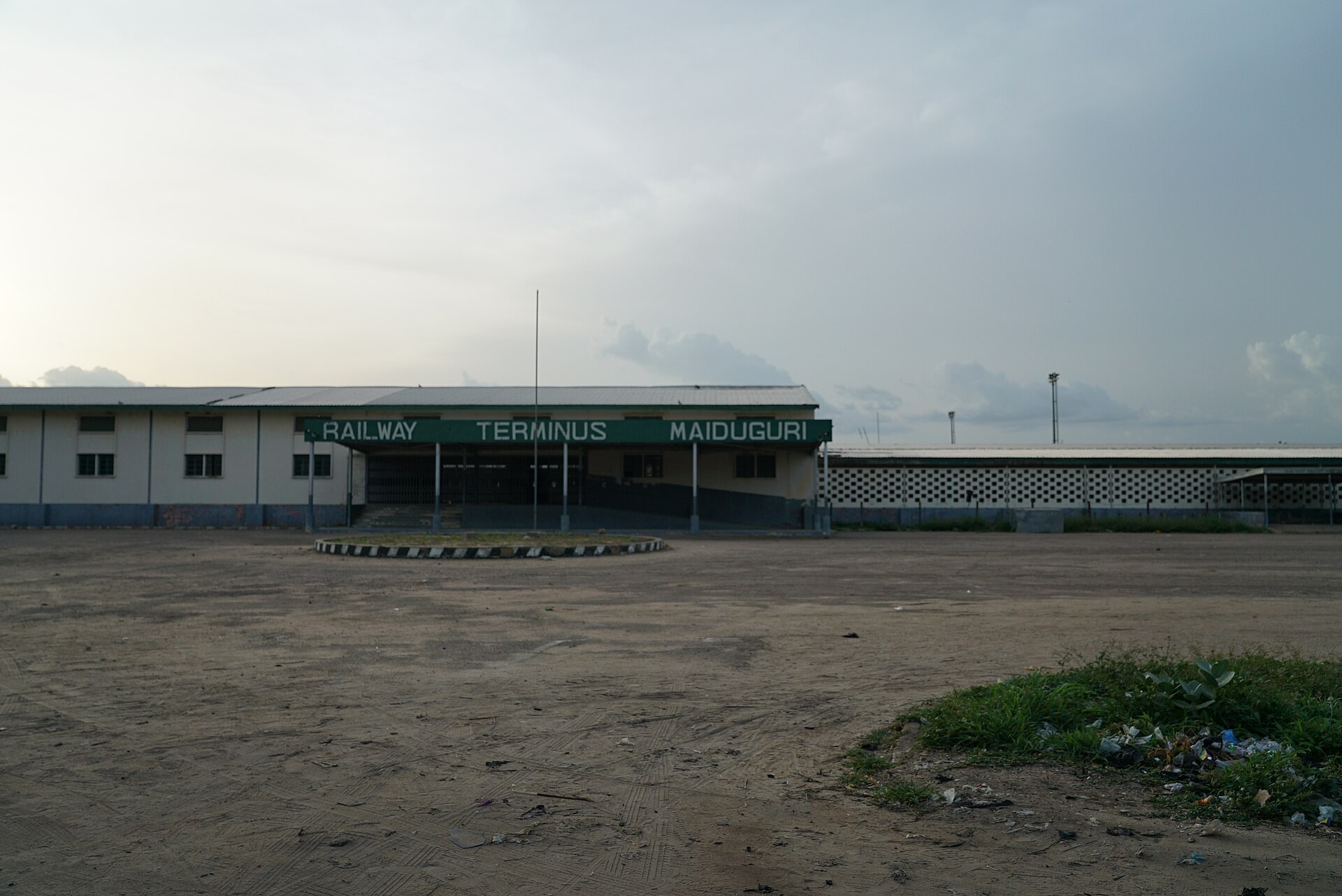
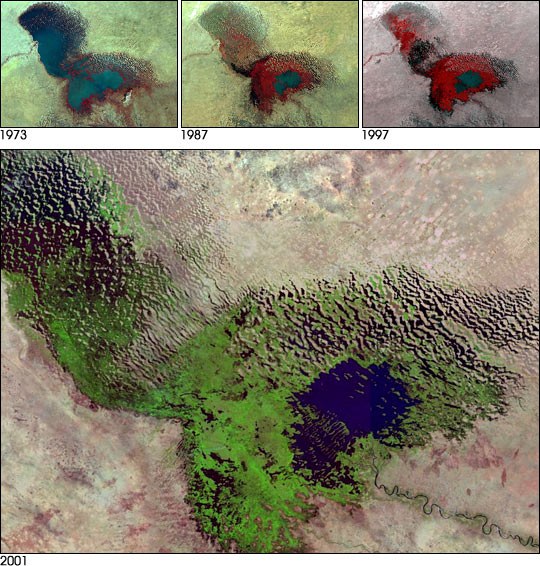
Boko Haram's insurgency began in Maiduguri in 2009. Its 2016 split produced ISWAP, which has generally proved the more organised and strategically patient of the two factions, concentrating on military targets and on governing the rural areas it controls around Lake Chad. Successive Nigerian administrations have declared the insurgents "technically defeated" or degraded, yet the group retains the ability to mount battalion-scale attacks, as Kukawa showed. The Multinational Joint Task Force with Chad, Niger and Cameroon patrols the lake basin, but the borders remain porous and the lake's islands and marshes give mobile units cover that air power can only partly offset.
Who gains, who loses
For Nigeria's military, a verified hit on a named mobile unit supports its argument that intelligence-led air operations — rather than large ground sweeps — are the way to shrink ISWAP's freedom of movement, and it strengthens the case for continued investment in surveillance aircraft. For communities in Guzamala and around Gudumbali, the calculus is harder: strikes that disrupt planned attacks can prevent raids, but a seventeen-year war has also taught residents that militant units displaced by air power often reappear, and that civilians caught between the two sides bear much of the cost. For ISWAP, losing a commander and a vehicle fleet is a real operational setback if confirmed — but the group has absorbed similar losses before and rebuilt, drawing recruits and revenue from the territory it taxes.
What happens next
The task force said its assessment of the strike is continuing, and any fuller accounting — including whether the commander it described as a Qaid can be named and independently confirmed — will test the credibility of the initial claim. The other indicator to watch is retaliation: ISWAP has frequently answered major losses with attacks on military positions or on the Maiduguri–Dikwa–Gudumbali corridor. Whether Sector 3 positions come under attack in the coming days will say as much about the strike's real effect as any revised toll. Until independent reporting from the area emerges, the Badu strike stands as a significant claimed blow in a war whose turning points have been announced many times before — and whose end, on the evidence of this week's fighting at Kukawa and Badu alike, is not yet in view.
Sources: Joint Task Force (North East) Operation Hadin Kai statement, Maiduguri, October 12, 2026, as reported by The Sun Nigeria, Afripost and Xinhua reporting of October 12, 2026; Reuters reporting on the October 7 Kukawa fighting, October 7, 2026.