Nigeria kidnappings September 2026
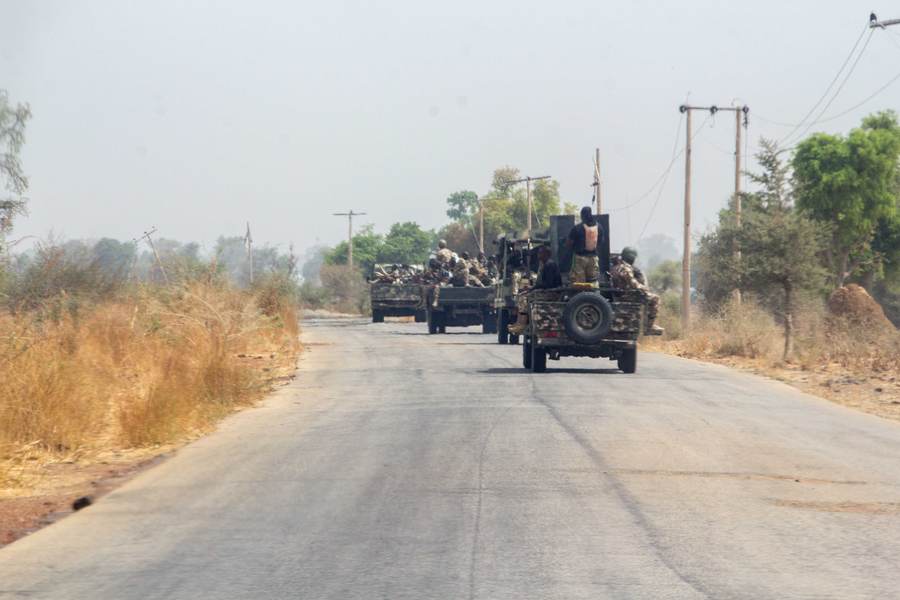
Nigeria kidnappings September 2026 — More than 80 people, most of them women, were reported missing on Monday after being abducted by armed gangs in two separate weekend attacks in northern Nigeria, AFP reported, citing two security reports and a local source. The kidnappings are the latest mass abductions to rock a country where ransom-taking has become an industry — and they landed with the force of a grim milestone: within 48 hours, the same story played out twice, in two neighboring states, against the same kind of soft civilian target, while in a third state police announced the discovery of 28 human skulls and bones they said were likely the remains of kidnapped victims found in raided bandit camps.
What happened
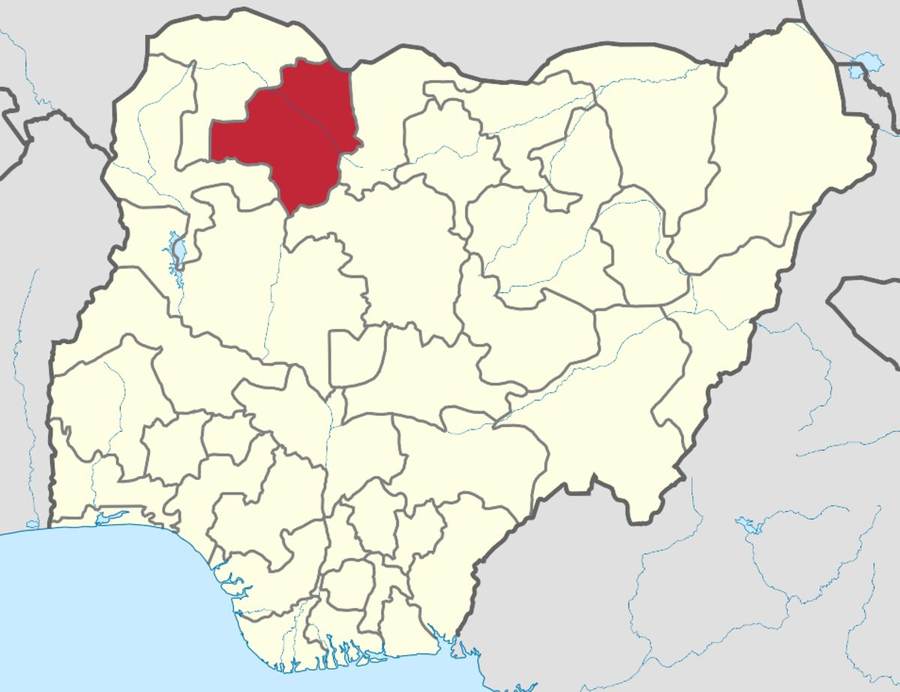
On Saturday, September 26, armed men abducted at least 47 farmers while they were harvesting peanuts in Rimi, an agricultural community in the Mariga area of Niger State. A local source told AFP that most of the victims were women, seized from their farms in broad daylight. A security report prepared for humanitarian groups, seen by AFP, confirmed the attack without giving a toll. On Sunday, September 27, 40 women were kidnapped from Yargada in the Gusau area of neighboring Zamfara State, according to a security report prepared for the United Nations and seen by AFP. Adamu Lawwali, a resident of Magama Mairake — one of the villages hit in the Yargada raid — told AFP that the bandits had been burning homes in his village "since yesterday up till this moment," and that the death toll would not be known until survivors could return to assess the situation.
Lawwali and Umar Abdullahi, a resident of Magami, said the Yargada attack was carried out in reprisal after local vigilantes had killed a number of bandits — a cycle of retaliation that has become the defining pattern of the northwestern conflict. Both attacks bore the hallmarks of the region's motorcycle-riding gangs, known locally as "bandits": they specialize in ransom kidnappings and cattle rustling, regularly carry out bloody raids on villages, and torch homes after looting them. Jihadists in Nigeria also use kidnapping as a money-making tactic and have at times collaborated with bandit gangs, though the bandits are motivated by money rather than ideology — sometimes bringing the two groups into conflict with each other.
The Abia discovery
Separately, police in southeastern Abia State announced in a statement on Sunday that they had found 28 human skulls and bones "suspected to be [of kidnapped] victims" after raiding camps linked to criminal groups in forests. In a statement on X, police said suspects at the scene had fled and that "efforts are intensified to apprehend the fleeing suspects." The find points to the darkest layer of the kidnapping economy: not every ransom gets paid, and not every victim comes home. The skulls have not yet been identified, and police have not linked the remains to any specific abduction.
Why this matters
The weekend's raids matter for what they reveal about the state of the kidnapping business — which is to say, its scale and its rhythm. Mass abductions for ransom have become common in parts of northwestern and north-central Nigeria, with armed gangs frequently holding abductees until large sums are paid. According to research from SBM Intelligence, a Lagos-based consultancy, armed groups raised some 7.8 billion naira — nearly $6 million — in ransom payments between July 2025 and June 2026, more than triple the 2.6 billion naira paid during the same period last year. Read that number twice: the ransom economy did not just grow; it tripled in a single year. That is not the profile of a crime wave being contained. It is the profile of an industry scaling up.
The timing amplifies the political significance. The latest wave of kidnappings comes months ahead of the January presidential elections, in which security — alongside the rising cost of living — is set to be a major issue. President Bola Tinubu has faced growing criticism over lax security. An election cycle changes the meaning of every mass abduction: each one becomes not just a crime but a data point in the opposition's case that the state cannot protect its citizens, and each rescue operation a data point in the government's counterclaim.
A season of abductions
The weekend was not an isolated spike. In August, gunmen abducted as many as 600 worshippers during Friday prayers at a mosque in Dekera village in north-central Niger State — an abduction on a scale that, a decade ago, would have been unthinkable outside Boko Haram's territory. On the night of September 26, armed bandits invaded Bungudu town in Zamfara's Bungudu Local Government Area, spending hours in the Unguwar Sarki area going house to house, killing one person and abducting about 15 residents before security forces arrived, according to local outlet Stone Reporters News. In the early hours of September 28, gunmen seized five residents from Tsafe town in Zamfara, an attack confirmed by the local government chairman. Six Islamic clerics abducted on September 12 along the Dakko–Damri road in Bakura Local Government Area remained in bandit custody two weeks later.
There is a counter-narrative, and the military is writing it in real time. Troops of Sector 2, Operation FANSAN YAMMA, foiled two separate kidnapping attempts and rescued 10 victims in Zamfara on September 27 — along the Tsafe–Funtua road and at Kade Daba in Maru Local Government Area — and separately rescued 41 travellers ambushed after a vehicle breakdown in Tsafe, plus six members of one family in Tsafe Local Government Area. That is more than 50 people rescued in a matter of days. The rescues are real, and they show a military that can disrupt bandit operations when intelligence and mobility align. But the scoreboard is what matters: dozens rescued, 80+ taken in a single weekend, 600 taken in a single mosque raid. The bandits are replacing their losses faster than the army is inflicting them.
Who gains, who pays
The bandits gain — that much is arithmetic. At 7.8 billion naira a year in ransoms, the kidnapping economy is one of the most lucrative organized-crime businesses in West Africa, and its growth has outpaced Nigeria's formal economy several times over. Every mass abduction is simultaneously a terror tactic and a business transaction: the victims are inventory, the families are the revenue stream, and the brutality is the marketing that makes the next negotiation faster.
The farmers pay twice: once in the ransom or the loss of a family member, and again in the fields they can no longer work. Rimi is a peanut-farming community; Yargada is agricultural land. When armed men can seize 47 people mid-harvest in broad daylight, the economic calculus of the entire region shifts — fields go unplanted, harvests go uncollected, and a food-security crisis grows out of a security crisis. The burning of homes in Magama Mairake adds a third tax: displacement.
The vigilantes are caught in the worst position of all. Communities that organize self-defense get a short-term deterrent and a long-term target painted on their villages — the Yargada raid, residents said, was reprisal for vigilantes who had killed bandits. And the state faces the hardest question: Nigeria's security forces are stretched across a jihadist insurgency in the northeast, a separatist-tinged violence in the southeast (where the Abia skulls were found), and the bandit war in the northwest. The kidnapping economy thrives in the gaps between those commitments.
What happens next
Three scenarios branch from here. The first, and the one the government will pursue, is the escalation of Operation FANSAN YAMMA-style clearance operations — more raids on forest camps, more rescues, and a push to show voters before January that the military has the upper hand. The Abia camp raids, whatever their immediate results, fit this pattern. But clearance operations have a documented history of displacing bandit activity rather than destroying it: groups move, regroup, and return.
The second scenario is the one the numbers predict: the ransom economy keeps scaling, and abductions keep growing in size and audacity, because kidnapping is one of the few businesses in the region with rising revenues and minimal enforcement costs. A tripling of ransom income in one year is the kind of growth that attracts new entrants — which is exactly what the geography suggests is happening, with attacks spreading from the northwest's traditional bandit corridors into the southeast's forests.
The third scenario is political. If the mass abductions continue through the election season, security will dominate the January vote — and the winner will inherit a problem that no Nigerian president has yet solved. The honest version of the analysis ends here: there is no evidence that the current mix of military operations and ransom negotiations is bending the curve. The curve is steepening.
Sources
- AFP via The Peninsula Times: Dozens kidnapped in two weekend attacks in northern Nigeria — 47 farmers abducted in Rimi, Mariga area, Niger State on Saturday; 40 women kidnapped from Yargada, Gusau area, Zamfara State on Sunday; two security reports seen by AFP; resident Adamu Lawwali on burning homes in Magama Mairake and the unknown death toll; vigilante reprisal motive; SBM Intelligence ransom figures (7.8bn naira, tripled); 600 Dekera mosque worshippers abducted in August; January election security context.
- Africa Center for Strategic Studies, Daily Media Review, September 29, 2026 (citing Reuters and AFP) — Reuters report of 80+ missing Monday after two weekend attacks; AFP detail on Rimi and Yargada; Abia police statement on 28 skulls and bones in raided forest camps; police X statement that suspects fled and efforts intensified.
- Drop Site News: U.S. forces to leave Iraq after 23 years (newsletter, September 29, 2026) — AFP-reported tally of at least 87 abducted across the two attacks; Abia skulls discovery detail; the ransom-surge figures.
- Stone Reporters News: Bandits invade Bungudu town, kill one and abduct 15 — September 26 night attack on Unguwar Sarki, Bungudu LGA; hours-long operation; one killed, ~15 abducted; delayed security response.
- Stone Reporters News / Zagazola: Troops foil kidnapping attempts, rescue victims in Zamfara — Operation FANSAN YAMMA Sector 2 rescues on September 27 (Tsafe–Funtua road, Kade Daba); six family members rescued in Tsafe; 16 total rescued in recent days.
- Iroyin Yoruba TV: Military rescues 41 travellers after armed ambush in Zamfara — September 28 military announcement; commercial vehicle breakdown in Tsafe LGA; 24 men, 10 women, 7 children rescued unharmed.
- News Trends NG: Six Zamfara imams still in bandits' den two weeks later — September 12 abduction of six clerics on the Dakko–Damri road in Bakura LGA; victims' names; police and army confirmation.
This article is based on AFP reporting syndicated on September 28–29, 2026, corroborated by the Africa Center for Strategic Studies' review citing Reuters, and on Nigerian local and military reporting as cited above. Casualty and abduction figures are reported as stated by the sources cited — exact tolls in such attacks are frequently revised, and the death toll in the Yargada raid is not yet known. The 28 skulls found in Abia State have not been identified or linked to specific abductions. Signal Post News treats the two security reports seen by AFP as the primary evidence for the weekend attacks; claims about motives and reprisals are attributed to named residents. Analysis sections are the War Desk's assessment of verified reporting.