War — The pause that began around one occupied town at 3 a.m. has grown into a Kherson region ceasefire, the First Lady announced Tuesday, moved two days early to protect civilians and clear the way for aid. Both capitals say it held through its first day; its first real test is whether the convoys can roll before it expires on November 1.
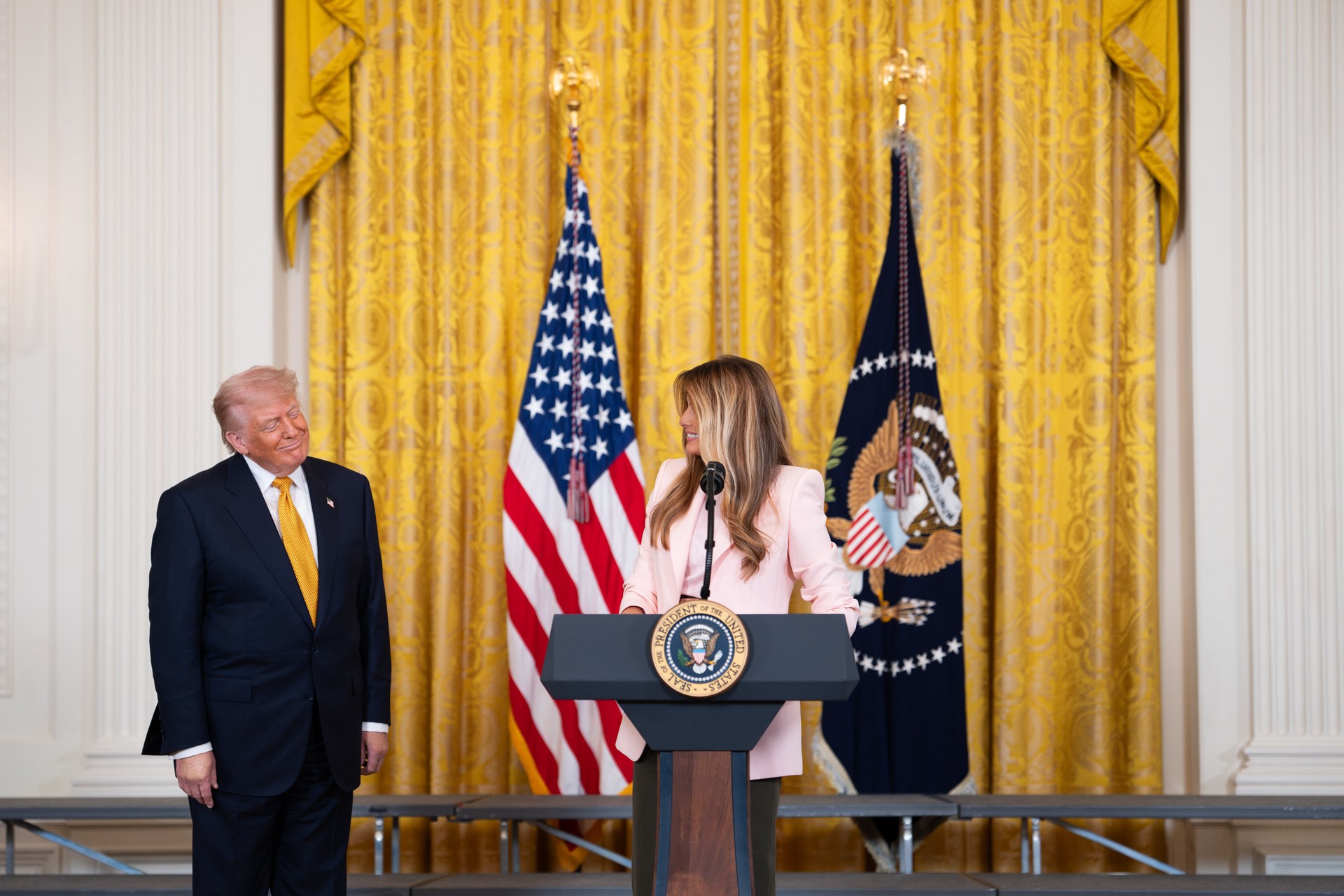
The Melania Trump Oleshky ceasefire grew on Tuesday from a pause around a single occupied town into a halt across the Kherson region, after First Lady Melania Trump announced that the timing had been moved two days early and the area expanded to give humanitarian convoys safe passage. The ceasefire took effect at 3:00 a.m. Kyiv time on Tuesday, October 27, according to Dmytro Lubinets, Ukraine’s parliament commissioner for human rights, who announced the start on X; Russia’s defence ministry said on Telegram that it had stopped shelling toward Oleshky at the same time, Reuters and CNN reported. By late Tuesday afternoon, Lubinets said both sides were adhering to the pause in the designated areas — a matched, both-sides confirmation that remains rare in this war.
Track it live: Ukraine war map — live tracker
What changed on Tuesday
Two things changed at once on Tuesday, and either one alone would have been news. The first was the clock. The ceasefire around Russian-occupied Oleshky, which the First Lady had announced on Friday, was brought forward two days ahead of schedule and took effect at 3:00 a.m. Kyiv time, Lubinets said on X. Russia’s defence ministry, in its own statement on Telegram, said it stopped shelling toward Oleshky at the same time. The second change was the map: a Russia Ukraine local ceasefire in Kherson that had been drawn around one town now, on the First Lady’s account, covers a region.
Oleshky ceasefire expanded beyond the town
Announcing the start on X on Tuesday, Melania Trump said the timing was accelerated “to protect the safety of civilians and to facilitate the delivery of critical humanitarian aid,” and that “the ceasefire’s geographic area has expanded beyond Oleshky, within the Kherson Region, to provide safe passage for the humanitarian convoys.” She said the expanded region was “confirmed” by Russian General Valery Gerasimov — a confirmation Signal Post News attributes to her statement; no independent boundary map of the expanded area has been published, and neither capital has released a joint text setting out its precise edges. The Office of the Ukrainian Ombudsman, headed by Lubinets, later confirmed the ceasefire was in effect throughout the Kherson region.
Lubinets ceasefire adhering, both sides say
The day’s second test was whether the pause would survive contact with the front. By late Tuesday afternoon local time, Lubinets confirmed that both sides were “adhering” to the ceasefire in the designated areas. On the Russian side, Human Rights Commissioner Yana Lantratova said no violations had been recorded on either side. Those are the two governments’ own accounts, stated in matching terms; independent verification of conditions across the whole designated area was not available on Tuesday. Lubinets, speaking on Ukrainian television channel 1+1, set out how the channel that produced the pause was built: “We’ve been working to resolve the humanitarian crisis in Oleshky since late February 2026. Things really started moving in September — thanks to Melania Trump. The US side is monitoring how each party is fulfilling its commitments.” He added: “As soon as the road is cleared and the cargo is delivered, representatives from all three countries will be there. Anyone who wants to travel to Ukraine will be able to do so.”
The human picture in Oleshky and Kherson
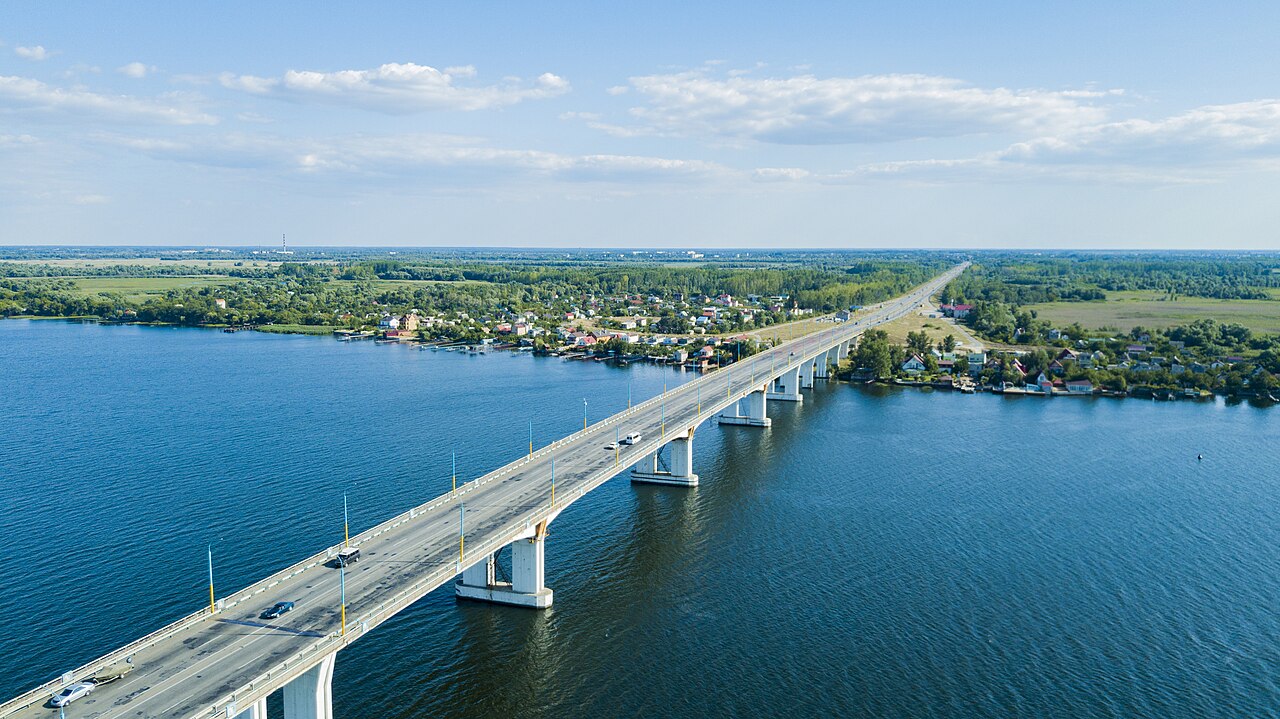
The purpose of the pause, as every party to it has stated it, is narrow and human: the evacuation of elderly residents who wish to leave, and the entry of urgently needed humanitarian aid. Ukrainian authorities say about 1,700 people remain in Oleshky, which has been occupied by Russia since the first days of the February 2022 full-scale invasion. In her Friday statement, the First Lady described residents living with limited electricity, amid mined roads, enduring regular attacks. Residents who wish to evacuate, she said, will receive coordinated support and transportation to their preferred destination — some to Russia, and some to Ukraine.
Relief and fear across the Dnipro in Kherson
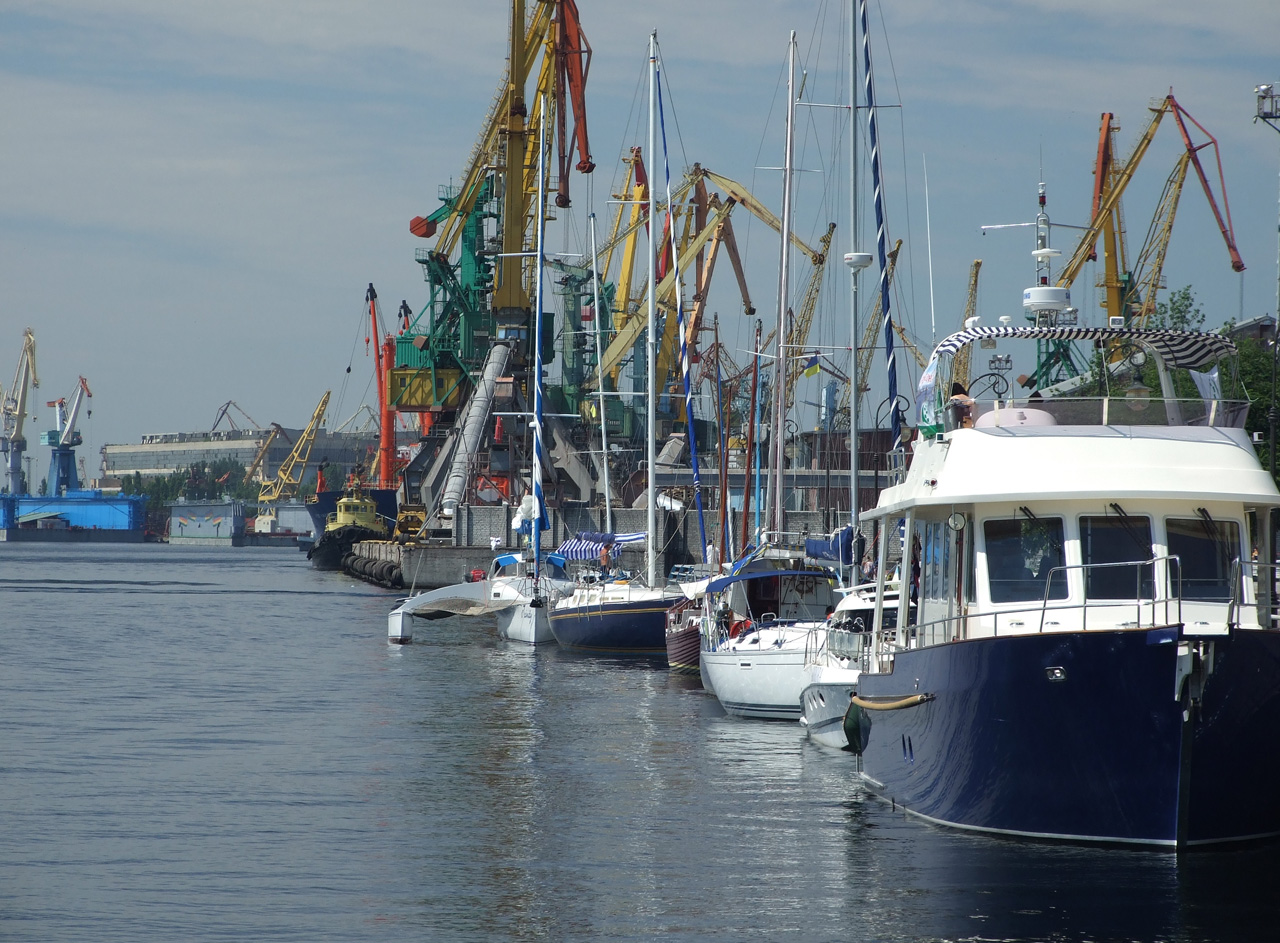
Across the river in Kherson city, the quiet was felt immediately — and trusted only so far. CNN reported that Kherson was quiet for the first time since its de-occupation. Resident Zhanna Yakovleva told CNN that people were relieved but afraid: “People are happy, but everyone’s afraid that after this ceasefire, they’ll give us such a beating that it’ll be beyond belief.” Her caution has a ledger behind it: CNN reported that two civilians were killed and 38 injured, including six children, in Kherson region since October 20 — the week immediately before the guns on this sector stopped.
Why this matters
Analysis. A town-level pause that grows, within a day, into a region-wide one is a different kind of fact from the war’s usual communiqués. Ukrainian MP and key peace negotiator Davyd Arakhamia, posting on Telegram, said the ceasefire is expected to remain in place until November 1 and called it “the most extensive ceasefire to date… along the largest section of the front line in southern Ukraine” and “the largest de-escalation effort since 2022.” Those characterisations are Arakhamia’s, and they should be read as a negotiator’s claim rather than a measured finding — the expanded boundaries are unpublished, so no outside observer can yet pace the line he is describing. But even stripped of superlatives, Tuesday supplied three things broader talks have repeatedly failed to produce: a start time both sides observed, monitoring both sides acknowledge, and end-of-day confirmations from both capitals using the same word — adhering.
What a working local ceasefire proves is mechanical, not political. It proves the two militaries can still receive, transmit and execute a matched stand-down order along a defined stretch of front, with a third party watching compliance — the basic skill any larger agreement would require. What it does not prove is any movement on the questions that have stalled every wider negotiation: territory, security guarantees and sanctions. The humanitarian channel succeeded here, on the evidence of Tuesday, precisely because it asked neither side to concede any of those. It asked only whether elderly civilians could be fed, treated and, if they chose, driven out in an agreed direction. That is also why its timing matters: technical-level meetings in Abu Dhabi are expected in early November, and a pause that is still holding when those talks open would enter the room as a working precedent rather than a proposal. Our Ukraine War, Day 1707 briefing tracked the same day’s other half — a ceasefire holding toward Kherson while Kyiv absorbed a heavy strike night.
Context and background
Oleshky sits on the left bank of the Dnipro directly across from Kherson city. Russian forces occupied it in the opening days of the full-scale invasion in February 2022; Kherson city, on the opposite bank, was liberated in November 2022, and the river between them has been a front line ever since — close enough that the two banks shell each other, and interdependent enough that a pause drawn around one bank was always likely, if it worked, to widen to the other. The Melania Trump Ukraine ceasefire expanded along exactly that logic on Tuesday: convoys cannot reach Oleshky without quiet on the roads and crossings that serve it, and those run through the wider region.
The channel behind it is newer than the front. The First Lady announced on Friday that she had worked with Ukrainian and Russian leadership as “exclusive intermediary” after the Oleshky situation came to her attention at the UN General Assembly in September — the role set out in our earlier report on the original Oleshky ceasefire agreement. President Volodymyr Zelenskyy said on Saturday that Kyiv had been working on the deal for “some time”; Kremlin spokesman Dmitry Peskov credited her “significant contribution”; and President Donald Trump praised her efforts on Friday. The humanitarian track also predates Oleshky: it grows out of the children-reunification channel the First Lady’s office has run with both countries, the file on which Lubinets’s office has been Kyiv’s public face. Nor was Washington the only capital working this town: Pope Leo XIV discussed Oleshky with President Vladimir Putin on an October 16 phone call, the Vatican said via CNN — the appeal detailed in our report on the Pope’s Oleshky call.
What the numbers mean
Four numbers carry this story. The first is 1,700 — the residents Ukrainian authorities say remain in Oleshky, from a pre-war population of roughly 24,000. The pause exists for them: predominantly elderly people, in a town of mined roads and intermittent power, who have already outlasted occupation, flooding and four years of front-line shelling. The second is the window: October 27 to November 1, six days on Arakhamia’s account — long enough to clear a road, run convoys and move evacuees, short enough that every delay consumes a measurable share of it. The third is the expansion itself: from one town to a region in a single announcement, which converts the Oleshky humanitarian convoy safe passage from a local arrangement into the largest single-sector test of compliance in the war — if the geography is as stated, which, without a published map, remains an if. The fourth is the cost of the week before: two civilians killed and 38 injured, six of them children, in Kherson region since October 20, per CNN’s reporting. That is the baseline the ceasefire will be judged against — not the silence of one quiet Tuesday, but whether those weekly figures fall, and stay fallen, through November 1.
What happens next
The sequence from here is physical before it is diplomatic. Lubinets’s own account puts road clearing first: mined approaches must be made safe before cargo can move, and only once the road is cleared and the cargo delivered do representatives of all three countries take their places on the ground. Then come the convoys themselves — aid in, and for residents who choose it, transport out, in either direction. Each stage is observable, which is the design’s strength: a cleared road, a moving convoy and a documented evacuation are facts that neither side’s statements can substitute for, or erase.
At November 1, three scenarios branch. If the pause holds to expiry, the parties can let it lapse as a completed humanitarian operation, extend it, or treat it as the template Arakhamia’s language already claims it is. If it frays — a disputed incident, competing claims about a violation — the monitoring arrangement the US side describes will face its first real adjudication, and both sides’ willingness to repair rather than abandon it becomes the story. And there is a third risk that has nothing to do with Kherson: the war elsewhere did not pause on Tuesday. A 46-year-old woman was killed and more than a dozen people injured in an attack on Kyiv that also damaged a bridge, Ukraine’s Emergency Service said via CNN, while Russia’s military said it carried out a “massive strike” on Ukrainian military facilities, a Kharkiv logistics centre and Kyiv transport infrastructure, and said it intercepted 222 Ukrainian drones — a Russian claim, attributed as such. A local ceasefire can survive fighting elsewhere; the war’s compartments have held separately before. But every strike night elsewhere raises the political price, in both capitals, of being the side seen to honour a pause. Whether the Ukraine ceasefire November 1 deadline arrives as a milestone or an epitaph will be decided less in statements than on one cleared road into Oleshky in the next six days.
Sources
Reuters, “First lady Melania Trump says Ukraine-Russia ceasefire expanded within Kherson,” October 27, 2026: reuters.com — the First Lady’s X announcement, the 3:00 a.m. start, the expansion within the Kherson region, the Gerasimov confirmation as stated by her, Lubinets’s adhering confirmation and 1+1 remarks, Lantratova’s no-violations statement and Arakhamia’s November 1 and largest de-escalation characterisations. CNN, October 27, 2026: cnn.com — Kherson’s first quiet day since de-occupation, the Yakovleva interview, Kherson region casualties since October 20, the Kyiv attack and bridge damage via Ukraine’s Emergency Service, Russia’s massive-strike and 222-drone claims, and the Vatican account of Pope Leo XIV’s October 16 call with Putin. Statements by the Office of the First Lady (Friday announcement and Tuesday X post), Ukraine’s parliamentary commissioner for human rights Dmytro Lubinets (X and 1+1), Russia’s defence ministry (Telegram) and Davyd Arakhamia (Telegram) are attributed in the text as stated. Uncertainty note: the precise boundaries of the expanded ceasefire area have not been published, and the November 1 duration is per Arakhamia’s statement, not a jointly published text.