Surgut drone strike: a drone attack on an industrial facility in the Surgut district of Russia's Khanty-Mansi region sparked a fire on October 16, 2026, Governor Ruslan Kukharuk said. Ukrainian activist Serhii Sternenko identified the facility as the Surgut Condensate Stabilization Plant, a Gazprom site; the Kyiv Independent said it could not independently verify that identification, and no casualties were reported.
Siberia / A fire 2,400 km from the border, one day after the pause ended
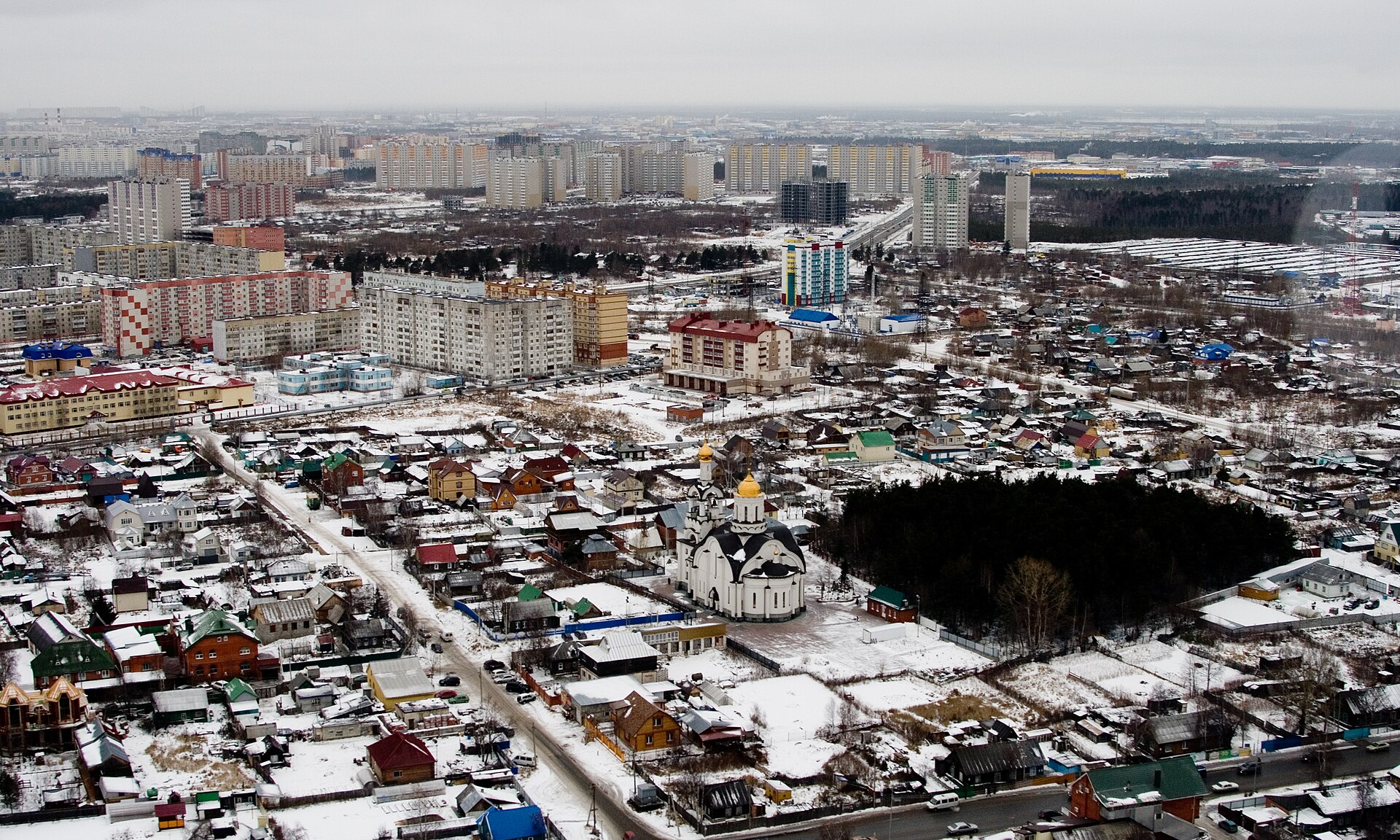
SURGUT, Russia — A drone attack on an industrial facility in the Surgut district of Russia's Khanty-Mansi Autonomous Okrug, known as Yugra, sparked a fire on Friday afternoon, October 16, the region's governor said — an incident reported in Ukrainian media as a Surgut drone strike deep inside Siberia, more than 2,400 kilometres from the Ukrainian border. Governor Ruslan Kukharuk said on Telegram: "As a result of a drone attack on an industrial facility in the Surgut district, a fire broke out. Emergency services are working at the scene." Kukharuk did not identify the facility, and he did not say who was responsible. Ukrainian activist and volunteer Serhii Sternenko said Ukraine's Defense Forces had struck the Surgut Condensate Stabilization Plant, a Gazprom facility that processes gas condensate into fuel — but the Kyiv Independent, which first reported the fire in English, said it could not independently verify that the plant was the facility hit, and Ukrainian officials had not publicly claimed responsibility as of its report. No casualties have been reported in any source checked. The fire came one day after President Volodymyr Zelenskyy announced Ukraine was ending its pause on strikes against Russian energy infrastructure.
Track it live: Live global wars tracker · Ukraine war map
What is known — and what is not
Separate this story into three layers, because they do not carry the same weight. The first is official and narrow: the governor confirmed a drone attack, a fire and emergency services at an industrial facility in the Surgut district on October 16, with specialists assessing the scale and nature of the damage. That establishes that something was hit and burned. The second is identification: Sternenko, a prominent Ukrainian activist and volunteer who formerly advised then-Defense Minister Mykhailo Fedorov, posted on X: "The Defense Forces struck the Surgut Condensate Stabilization Plant." The monitoring channel Exilenova+ shared video showing a large fire and thick dark smoke at an industrial facility, and Reform.news also reported the monitoring-channel account of a strike on a Gazprom plant in Surgut. The third layer is what is missing: no independent verification that the burning facility is the condensate plant, no public claim of responsibility from Ukraine's military or government in the reporting checked, no Gazprom statement in that reporting, and no casualty report from any side. Hold the story exactly there — a governor-confirmed fire after a drone attack, at a facility identified by Ukrainian activist and monitoring sources but not independently confirmed, as of Friday's reporting.
That restraint is not a technicality. Surgut is a major energy city on the Ob River in Western Siberia, built around oil, gas and the infrastructure that moves both — not a frontline town where a strike can be checked against a familiar map. Until investigators, satellite imagery or the operator speak, an industrial fire there sits in the public record with its cause only partly described. What can be said plainly is that the governor chose to attribute the fire to a drone attack, not to an accident, and that he chose not to name the site or an attacker.
The plant identified in Ukrainian posts
The facility Sternenko named — the Surgut Condensate Stabilization Plant, formally the Chernomyrdin Condensate Stabilization Plant — is a substantial piece of Russia's fuel system. According to Sternenko, its designed processing capacity is 12 million metric tons of raw materials per year; it processes gas condensate and produces petroleum products including motor and aviation fuel. The Global Energy Monitor's profile, listing owner Gazprom PAO and location Surgut, Khanty-Mansiyskiy (61.288972, 73.004918), gives a matching picture: diesel, gasoline, jet fuel and light hydrocarbons from condensate feedstock. Gas condensate is the light liquid that comes up with natural gas; stabilising it removes the volatile fractions so it can be stored, shipped and refined into finished fuels. Such a plant is neither an oil well nor a conventional crude refinery. It sits mid-chain — between the northern gas fields and the fuel used across a vast region — precisely the kind of node both sides have learned to value.
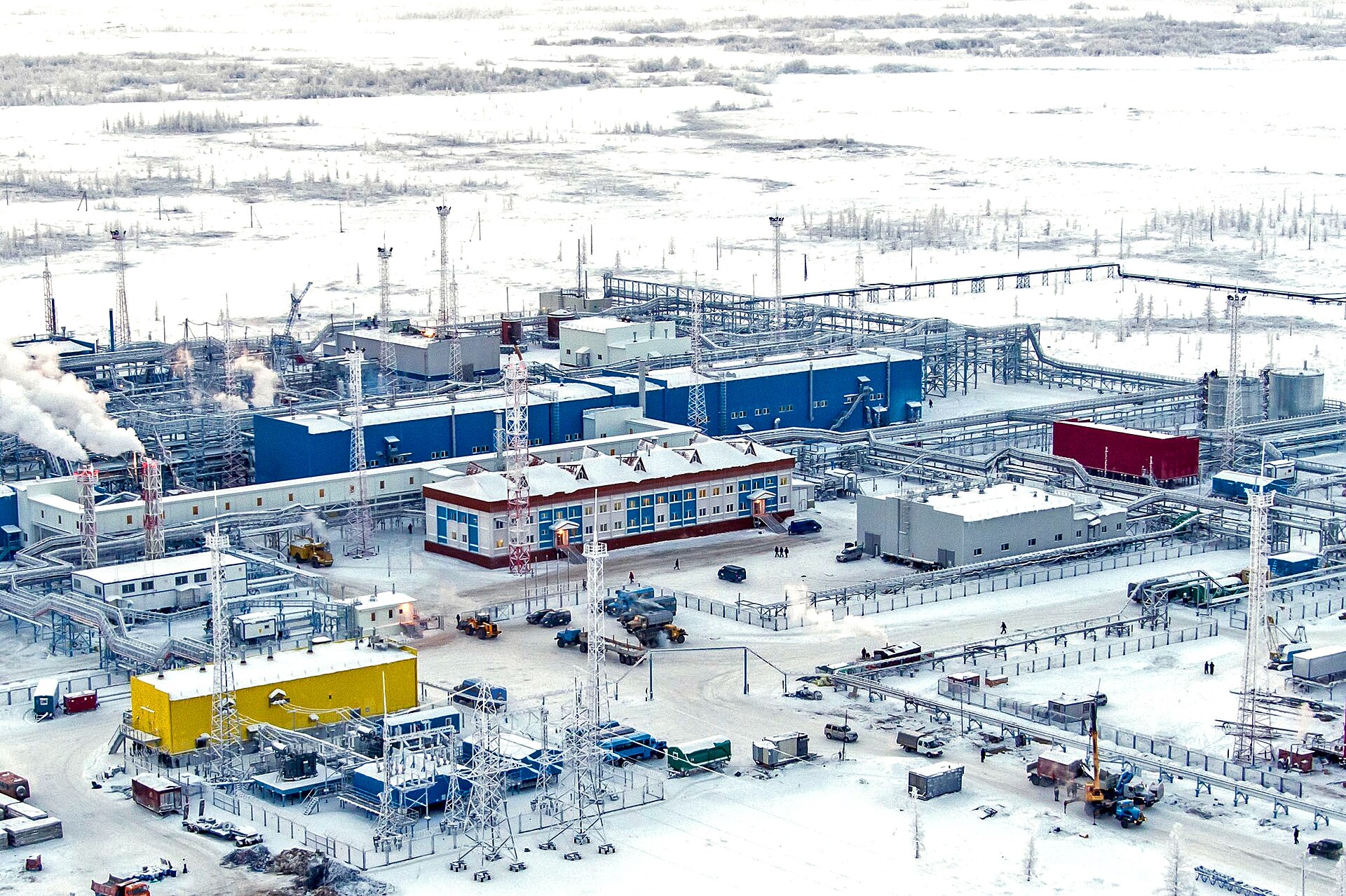
Scale that capacity against the campaign it would join, if the identification is confirmed. Twelve million tonnes a year is roughly 33,000 tonnes of feedstock a day through one site — not Russia's largest energy asset, but far larger than a depot or a pumping station, in process units that are hard to replace quickly if seriously damaged. Most reported Ukrainian strikes in 2025–2026 hit crude refineries, fuel depots and export terminals, many in European Russia a few hundred kilometres from the border. A condensate plant in Yugra would be a different category: deeper, more specialised, tied to gas as much as oil. Whether any capacity was damaged, let alone taken offline, is unknown — specialists were still assessing the damage on Friday, and no shutdown figure has been reported.
A day after the pause ended
The timing is the sharpest fact in the story, and unlike the plant identification it is fully on the record. For weeks, per the Kyiv Independent's October 16 report and this site's earlier coverage, Kyiv and Washington had been disputing Ukrainian attacks on Russian energy infrastructure. President Donald Trump blamed Ukrainian refinery strikes for rising global fuel prices — a claim experts cited in that reporting dispute — and his administration reportedly threatened to cut intelligence sharing and weapons support unless Kyiv stopped. On October 9, Trump announced a deal allowing Russia to supply diesel despite sanctions. On October 11, he announced an "energy ceasefire" that Ukrainian officials said Kyiv had not been informed of in advance. Ukraine initially halted its refinery strikes; Russia, Kyiv says, kept attacking Ukrainian energy infrastructure. On October 15, Zelenskyy lifted the pause: "The block is out. We're done." The Surgut fire came the next day, as Trump waived the new Graham Act Russia sanctions on October 16–17. That sequence proves neither who sent a drone to Surgut nor which building burned. It does mean the incident landed, within 24 hours, in the middle of the alliance's most sensitive argument — whether Ukraine's long-range energy campaign is a legitimate pressure tool or, in Washington's stated view, a problem to be switched off.
Why this matters
Begin with the caveat, because it disciplines everything else: if the facility that burned was not the condensate plant, this incident's strategic weight shrinks considerably, and the Kyiv Independent's inability to verify the identification is the most important sentence in the early reporting. With that stated, the story still matters in unverified form. First, geography. A governor-confirmed drone attack in the Surgut district — Sternenko put the plant at more than 2,400 km (1,490 miles) from the Ukrainian border — extends the map of places Russian regional officials themselves acknowledge have been reached. Air defence, plant security and insurance are priced on that map, and every confirmed extension raises the cost of protecting everything inside it. Second, the target class. Ukraine's stated rationale is that oil and fuel revenue funds Russia's war and fuel infrastructure is a military input; Russia's stated position is that such strikes attack civilian energy supply, and it frames its own strikes on Ukrainian infrastructure as retaliation or operations against military targets — a framing Ukraine and its partners reject, citing the documented toll on Ukrainian civilians and the grid. A condensate plant, if that is what burned, sits in the contested middle: industrial, fuel-producing, and civilian in the workforce that runs it — with no casualties reported here. Third, the politics. The fire tests whether the end of Kyiv's pause is a negotiating signal or a resumed campaign. One unclaimed fire proves neither. A pattern over the coming week would.

The deep-strike map: 2,400 kilometres in context
Put the reported distance on the scale the war has built so far. Most Ukrainian refinery strikes in 2024–2026 landed within roughly 200 to 1,200 km of the border — far enough to force Russia to disperse air defences, close enough to repeat weekly. In September 2026, per The Insider's September 9 reporting, Ukrainian drones reached the Novy Urengoy condensate preparation plant at about 2,800 km — the deepest comparable energy strike reported to date. Surgut, at a reported 2,400 km, would sit just inside that mark: among the deepest strikes of the war, not the longest, and — per Kanal13's reporting — the first known strike on an industrial target in Khanty-Mansi itself, the region that produces more of Russia's oil and gas than any other. Yugra is the heartland, not the periphery, of Russian hydrocarbons. Even a small fire there, if a drone that flew the breadth of the country caused it, tells plant managers that distance alone is no longer a defence they can assume.
What each side gains, loses and argues
Kyiv's argument for the wider campaign is consistent: fuel is war material, processing losses raise Moscow's costs, and long-range strikes impose consequences deep inside Russia while Ukraine's cities absorb nightly attacks. Critics, including voices in Washington, argue the strikes push global fuel prices up, risk escalation and complicate diplomacy — Trump has made the price argument personally and publicly. Moscow's interest in the Surgut telling is narrower: the governor confirmed an attack without naming a facility or an attacker, acknowledging the fire residents could see while leaving the state room to characterise it later. Gazprom, whose asset the plant is said to be, had issued no statement in the reporting checked — a silence consistent either with a minor incident at another site or with a company still establishing what happened at its own. Sternenko and the monitoring channels gain the headline either way, which is exactly why verification matters: where drone video travels faster than any investigation, the first identification often sticks, whether or not it is right.
What happens next
Four checks will decide what this story becomes. First, the governor's damage assessment: if Russian authorities publish a facility name and a repair timeline, the identification question resolves from the Russian side. Second, Kyiv's voice: a General Staff statement or continued official silence will each say something different about whether Ukraine wants this incident owned or left ambiguous. Third, imagery: satellite passes over the Surgut district in the coming days can show burn scars, damaged process units or an intact plant. Fourth, operations: whether the plant — if it was the plant — halted processing is currently unknown; no source checked reported a shutdown or a change in output, and any such claim is unproven until Gazprom, regional authorities or trade reporting confirm it. In parallel, Washington has waived new sanctions while objecting to the strikes, Kyiv has ended its pause while saying Russia never honoured its side, and Moscow continues its own campaign against Ukrainian energy sites. One Siberian fire did not create that collision — but landing the day after the pause ended, it may be its first data point.
Related coverage: Zelenskyy ends the pause on refinery strikes · Trump waives the Russia sanctions Congress passed · Trump calls Ukraine's refinery strikes a disgrace
Sources
Kyiv Independent, October 16, 2026 — "Ukraine war latest: Drone attack sparks fire at industrial facility in Russia's Surgut district": Governor Kukharuk's Telegram statement, Sternenko's identification of the Surgut Condensate Stabilization Plant (more than 2,400 km from the border, 12 million metric tons designed capacity), Exilenova+ fire video, and the paper's explicit note that it could not independently verify the facility and that Ukrainian officials had not publicly claimed responsibility. Reform.news, October 16, 2026 — monitoring-channel report of a strike on a Gazprom plant in Surgut. Global Energy Monitor — Chernomyrdin Condensate Stabilization Plant: owner Gazprom PAO, Surgut, Khanty-Mansiyskiy, products including diesel, gasoline, jet fuel and light hydrocarbons from condensate feedstock, coordinates 61.288972, 73.004918. Context on the September 2026 Novy Urengoy condensate plant strike (~2,800 km) from The Insider, September 9, 2026, and on a first reported industrial strike in Khanty-Mansi from Kanal13 reporting — both carried above as reported context, not independently confirmed here.