El Fasher RSF capture
War / Sudan / Darfur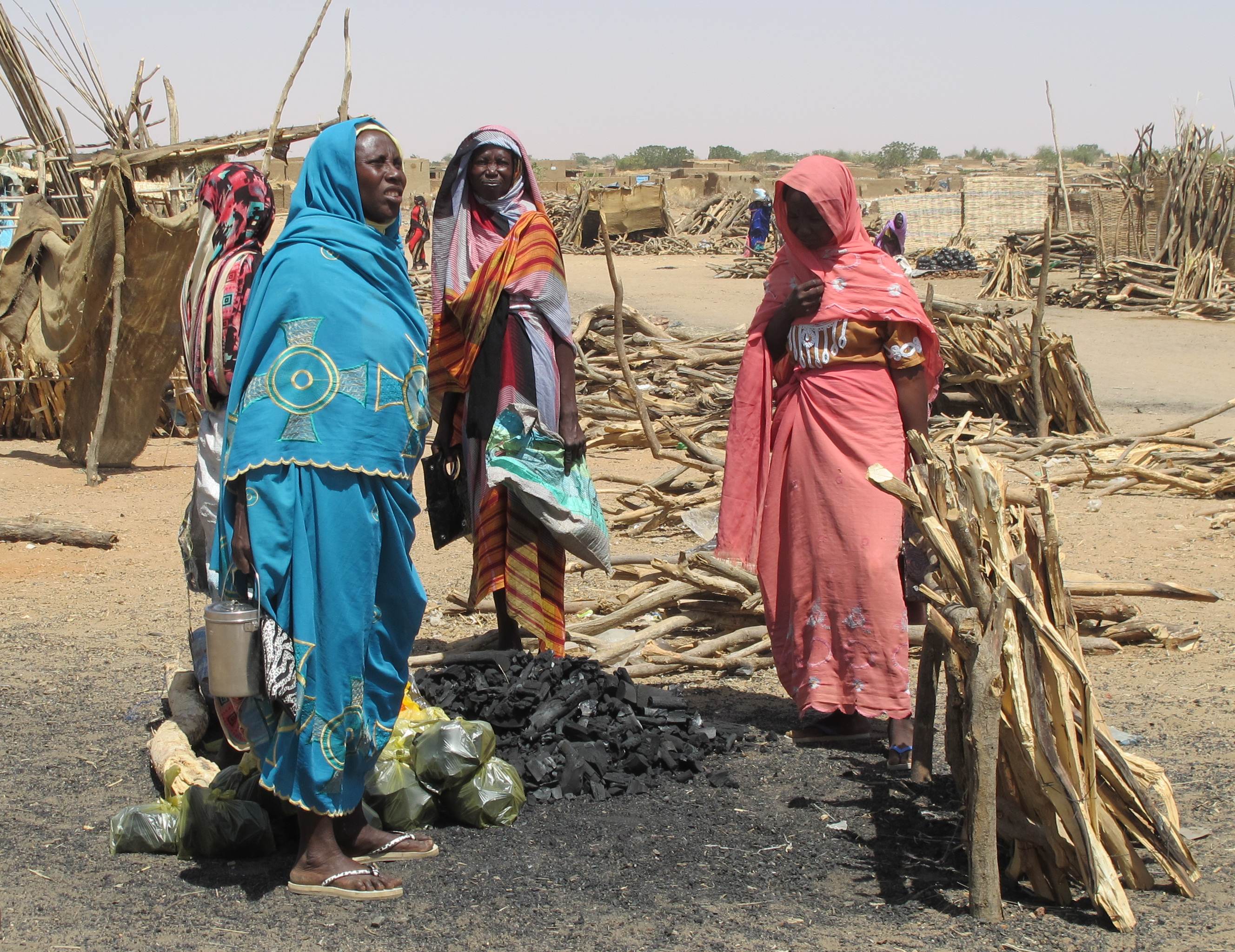
The map of Sudan changed this week. After an 18-month siege, the paramilitary Rapid Support Forces seized El Fasher — the Sudanese army's last stronghold in Darfur — and on Monday night the army's own chief, Gen. Abdel Fattah al-Burhan, went on national television to confirm what the RSF had claimed a day earlier: his forces are withdrawing from the city. More than 250,000 civilians, nearly half of them children, are now under RSF control, and the United Nations is warning of atrocities as reports of killings, arrests and attacks on hospitals filter out of the fallen city.
What happened: a 48-hour collapse
Sunday: the RSF declares victory
On Sunday, October 4, the RSF announced that it had “liberated” the Sudanese Armed Forces' 6th Division headquarters after fierce fighting and called the capture a decisive victory. The paramilitary force also claimed that thousands of soldiers had been killed and military equipment destroyed. Those casualty and equipment claims come from the RSF, have not been independently verified and should not be treated as established fact.
Videos circulated on social media showing RSF fighters celebrating inside what was identified as the captured base. Other clips appeared to show armed men beating or shooting civilians trying to flee, while residents were reportedly detained. Al Jazeera described the material but said independent verification was not possible. With communications and access constrained, the images are evidence to be examined, not a complete or authenticated record of what happened.
Monday: Burhan confirms the withdrawal
Late Monday, October 5, Burhan gave the first public confirmation from the army's leadership. “We have agreed to withdraw the army from El Fasher to a safer location,” he said on national television. He attributed the decision to what he called “the systemic destruction, and the systemic killing of civilians” by the RSF and said it was intended to “spare the citizens and the rest of the city from destruction.” These were Burhan's stated reasons; the RSF disputes the army's broader account of the war.
His address also promised retaliation. “We are determined to avenge what happened to our people in el-Fasher. We, as the Sudanese people, will hold these criminals accountable,” he said. He added that the army was “determined to cleanse the country of mercenaries and exact retribution for all our martyrs,” and could “turn the tables and achieve victory after victory.” Burhan condemned what he described as international silence and argued that alleged crimes in the city violated UN Security Council resolutions.
Two Sudanese military sources told Reuters that thousands of army troops and fighters from allied former rebel groups were surrounded by RSF forces in western El Fasher neighborhoods after retreating on Monday. The International Organization for Migration estimated that about 26,000 people were displaced by the latest fighting. Aid groups reported killings, arrests, hospital attacks and clashes between the RSF and withdrawing soldiers, but access restrictions mean details may change as independent documentation develops.
Why this matters
The El Fasher RSF capture removes the Sudanese Armed Forces' last foothold in Darfur. The RSF now holds all five Darfur state capitals, giving the movement its clearest territorial consolidation of the war and strengthening the parallel administration it has established in Nyala. Since the army recovered Khartoum, no battlefield event has delivered a verdict this consequential about who controls a whole region.
The strategic result sits beside a human emergency. UN humanitarian chief Tom Fletcher called the turn in El Fasher a “terrible escalation” and said civilians faced “unbearable” suffering. He demanded a ceasefire, safe passage for people trying to leave and unimpeded humanitarian access, adding that attacks on hospitals, civilians and relief operations must stop.
There is also a pre-existing legal shadow. Reporting in August 2025 said International Criminal Court prosecutors had found evidence of war crimes and crimes against humanity in El Fasher. Fresh allegations of killings, arrests and detention therefore enter an already active accountability file. The central difficulty is documentation: when access is cut and videos remain unverified, the absence of confirmed detail does not prove abuses did not occur, but neither does circulation alone prove every allegation.
How we got here: the siege and the war
Sudan's war began in April 2023 when a power struggle between the SAF, led by Burhan, and the RSF, led by Mohamed Hamdan Dagalo, known as Hemedti, became open warfare in Khartoum and spread nationwide. The United Nations has reported more than 20,000 people killed; independent research has produced higher estimates. About 14 million people have been displaced, making the conflict one of the world's worst humanitarian crises.
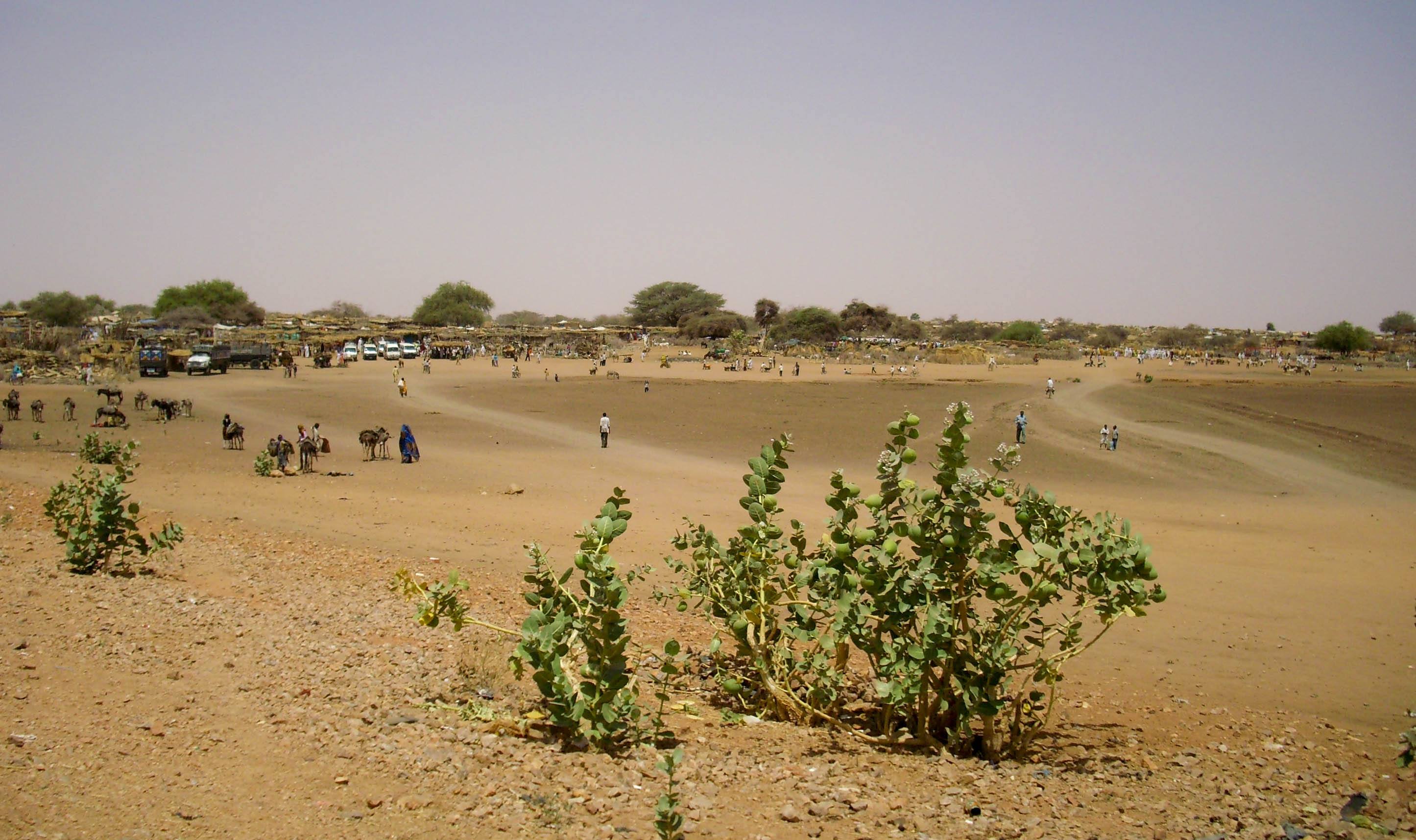
El Fasher had been under RSF siege since May 2024, roughly 18 months. It remained the last army-and-allied holdout in Darfur while famine conditions spread at the nearby Zamzam camp. MedGlobal described thousands as trapped and starving after 500 days of siege. The city's endurance made it both a military anchor and a symbol; its loss now completes the RSF's control of Darfur's state capitals.
The wider map is still contested rather than neatly divided. The SAF holds Khartoum and much of northern, eastern and central Sudan. The RSF controls most of Darfur and parts of Kordofan. Kordofan remains the central frontline, where the army recently reported taking Al-Mazroub in North Kordofan, and where the war's supply routes and approaches now matter even more.
Diplomacy ran alongside the fighting and was overtaken by it. US senior adviser Massad Boulos met Burhan in Egypt on October 5 to press for a political solution. That same day, the UN Human Rights Council voted 28–10 to demand an immediate, unconditional ceasefire. The earlier attack on a WFP convoy and the council's ceasefire demand already showed how military escalation was narrowing humanitarian space.
Who gains, who loses
The RSF gains geographic continuity across Darfur, greater credibility for its parallel administration in Nyala and added leverage for Hemedti in any future negotiation. Yet it also inherits a starving, shattered city and responsibility for the safety of civilians under its control. Allegations of atrocities may harden international opposition, making a military victory more expensive diplomatically than the map alone suggests.
Civilians lose first and overwhelmingly. The SAF loses the position from which it claimed a national military presence in Darfur. Relief agencies must now negotiate access with a new controlling force amid reports of attacks on humanitarian operations. The development also weakens anyone betting that battlefield momentum would quickly restore a unitary political order.
There is an honest disagreement over Burhan's choice. One reading is that a withdrawal was the only way to spare residents from prolonged street-to-street fighting and further destruction. Another is that the army abandoned more than 250,000 people to the force that had besieged them. Burhan explicitly presented the first argument. Critics will press the second. The available evidence does not require endorsing either interpretation.
The partition question
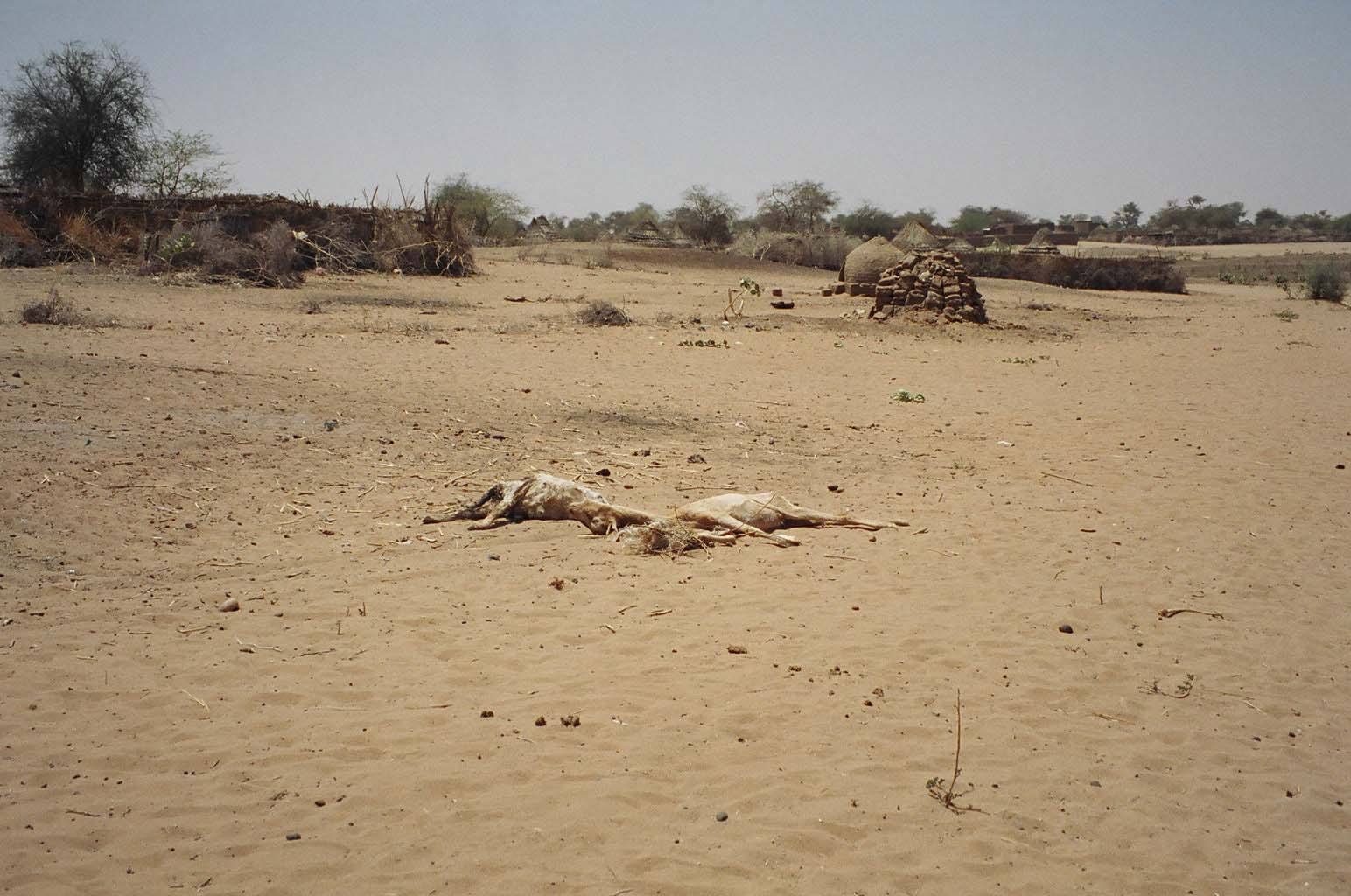
A de facto split is now a geographic fact even if no formal border exists: RSF power dominates the west, SAF authority dominates the east and north, and a parallel government is already sitting in Nyala. Boulos told Al Jazeera Mubasher that “the RSF's full control of the Darfur region could have dangerous and worrying consequences in the future in terms of partition.” His warning put language that diplomats often avoid directly into the public debate.
The historical comparison is impossible to ignore. South Sudan became independent in 2011 after decades of war and negotiation. That precedent does not mean Darfur will follow the same path: no broad international recognition is on offer, and the RSF seeks leverage over Sudan's national future, not merely half a settlement. But de facto division is already changing aid routes, sanctions calculations and the interests of neighbors including Egypt, Chad and Ethiopia.
Formal partition is therefore unlikely soon, while practical fragmentation is already here. Different armed authorities tax roads, control airports and decide which aid convoys pass. Regional capitals must plan around two centers of military power even if they continue to recognize one Sudan on paper.
What the numbers say
More than 250,000 civilians, nearly half children according to Al Jazeera's reporting, were trapped in El Fasher as control changed hands — roughly the population of a midsize city left inside a battlefield. About 26,000 people were displaced by the latest fighting, according to the IOM. The siege lasted about 18 months. Nationally, roughly 14 million people have been displaced, a total larger than the population of many countries, while the UN death toll stands above 20,000 and independent estimates are higher.
The territorial figure is as stark as the human ones: the RSF now holds five of five Darfur state capitals. The diplomatic counterweight is much weaker on paper: a 28–10 Human Rights Council vote demanding an unconditional ceasefire. One set of numbers describes force on the ground; the other describes international consensus without an enforcement mechanism.
What happens next
1. Consolidation and documentation
The RSF will try to turn conquest into administration while survivors, aid groups and investigators collect evidence. Any corroborated abuse could add to ICC scrutiny and sanctions pressure. Reports of a broader pattern of civilian killings attributed to the RSF in Umm Badr will make independent access and chain-of-custody documentation especially important.
2. The vowed counteroffensive
Burhan promised to “avenge” the loss and “turn the tables.” If the army attempts to translate that language into a counteroffensive, Kordofan is the likeliest place for pressure to intensify because it links the rival zones and is already the war's central frontline. Whether the SAF can project enough force westward is uncertain.
3. Partition diplomacy
Washington has now named the risk. Regional powers will maneuver around what increasingly resembles a two-zone Sudan without necessarily endorsing formal partition. Talks may focus less on a national settlement at first and more on humanitarian corridors, local ceasefires and rules for dealing with rival administrations.
The human story cannot wait for those scenarios. More than 250,000 people need protection, food, medicine, communications and a safe route out if they choose to leave. Everything else is analysis; that is the news.
Sources
- Asian Lite, carrying Al Jazeera reporting — the army withdrawal, civilians trapped and unverified social-media videos
- Eastleigh Voice, citing TRT Afrika — Burhan's televised withdrawal address and his stated rationale
- Eastleigh Voice — Tom Fletcher's warning, ceasefire demand and humanitarian-access appeal
- Bonikbarta, carrying Reuters reporting — capture analysis, IOM displacement estimate and Massad Boulos's partition warning
- Al Ahed News — extended quotations from Burhan's October 5 address
Verification note: The RSF's casualty claims and the social-media videos described above are unverified. Where reporting relies on one outlet or unnamed military sources, the attribution is stated.