Sudan aid convoy airstrike
War / Sudan / Humanitarian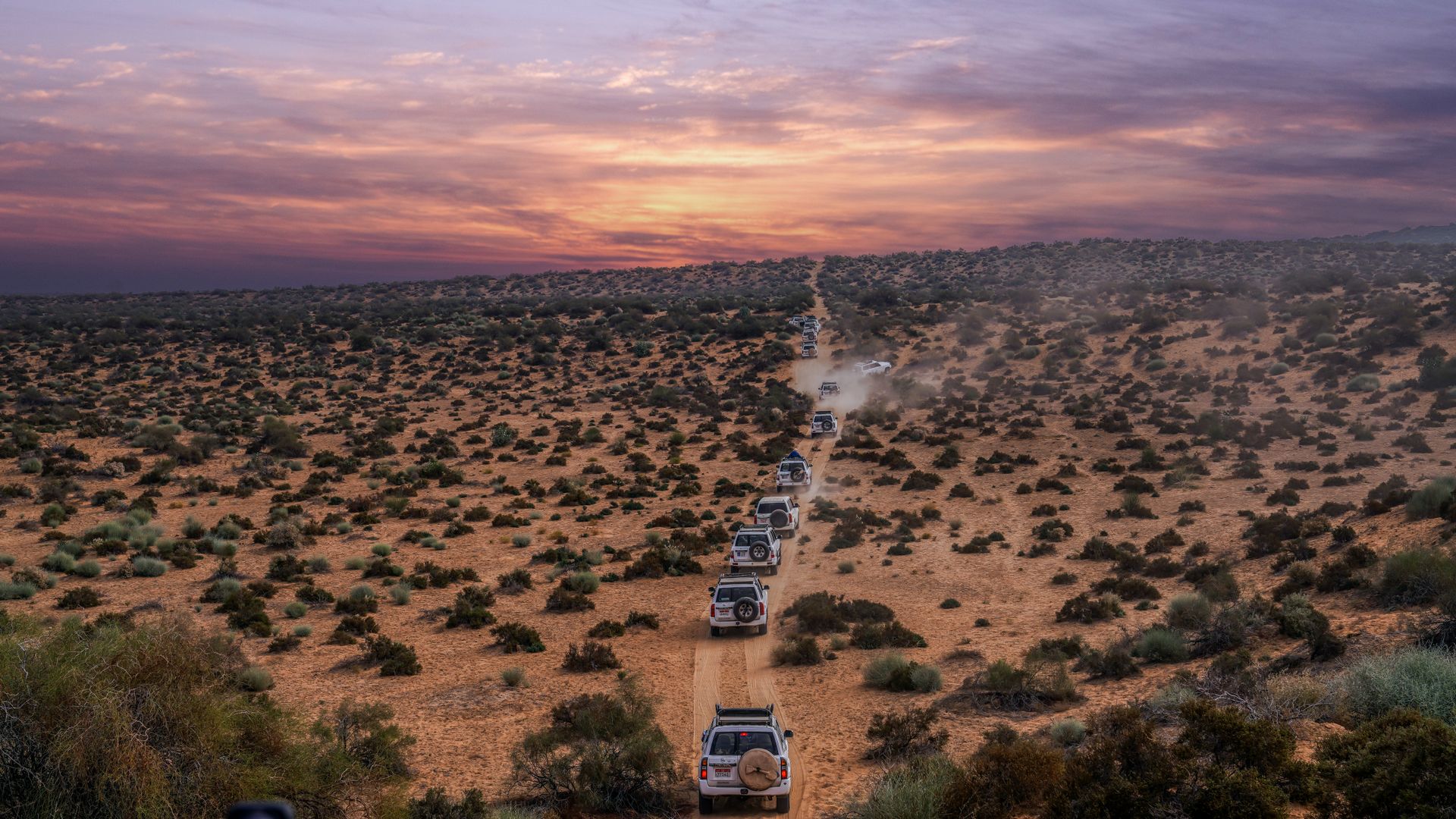
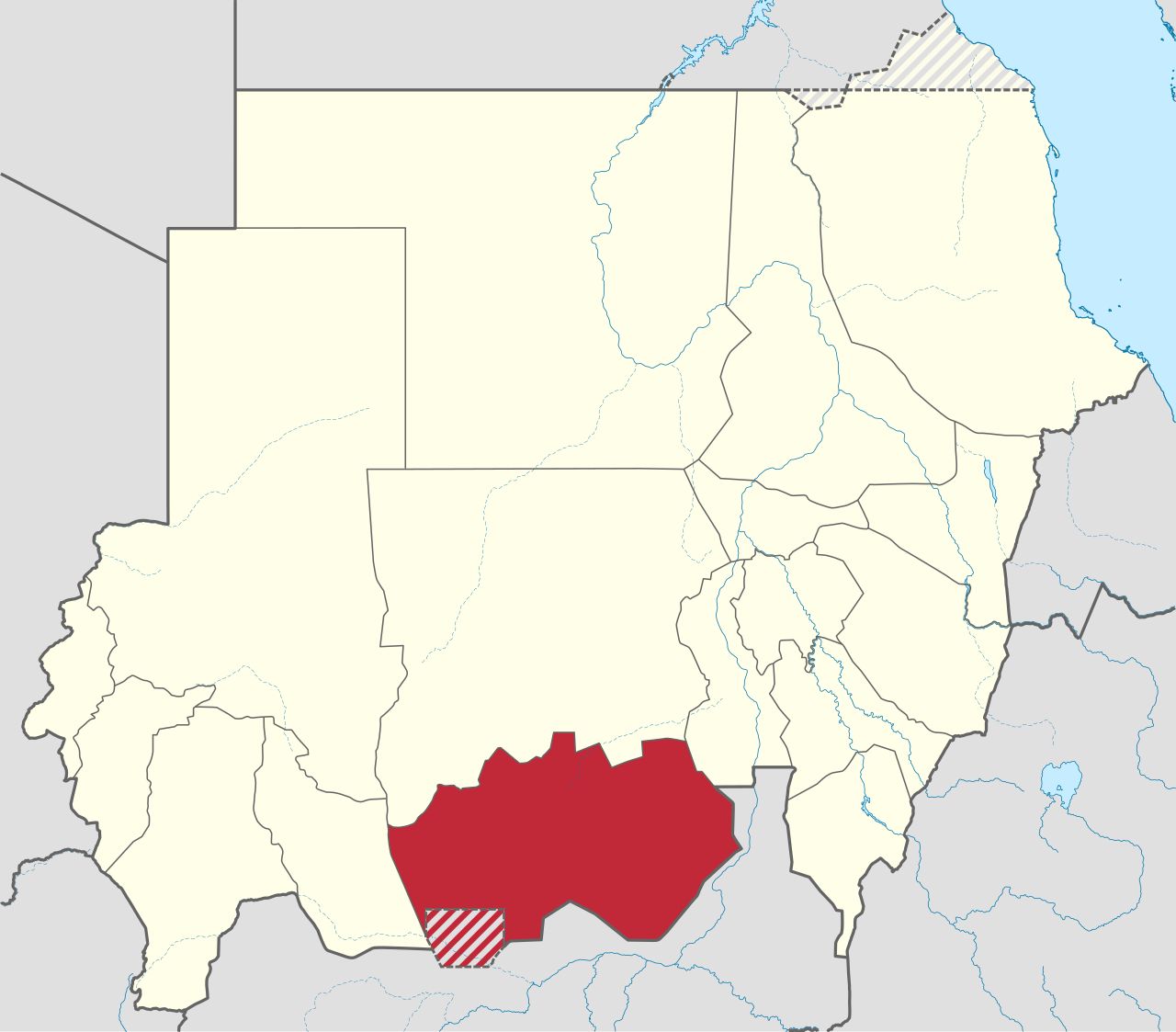
A Sudan aid convoy airstrike killed a World Food Programme driver in the early hours of Saturday, October 3, after two contracted food trucks were hit on the route from Dilling to Kadugli in South Kordofan. WFP said the vehicles were clearly marked as humanitarian, condemned the attack and called for a prompt, impartial investigation and accountability. It did not identify who carried out the strike.
Two days later in Geneva, the UN Human Rights Council voted 28–10, with nine abstentions, to extend its independent fact-finding mission and demand “an immediate and complete ceasefire by all parties, without preconditions.” The separate events converge on one question: whether international pressure can protect civilian supply routes while fighting makes Kordofan the war's central frontline.
Why this matters
The Dilling–Kadugli road is a lifeline into a conflict zone where millions depend on relief. A destroyed truck is not only a vehicle lost; it means less food, longer delays, higher transport risk and fewer drivers willing to take the route. WFP said another truck struck an explosive device in Dilling on October 2 after delivering assistance, underscoring that danger exists before and after cargo reaches civilians.
The council's resolution says there is no military solution, but battlefield behavior still rewards control of roads, towns and logistics. Humanitarian law requires parties to distinguish civilians and civilian objects from military targets. Because WFP has not attributed the airstrike, assigning blame without evidence would outrun the verified record. The immediate test is whether investigators gain access and whether deliveries resume safely.
How we got here
Sudan's war began in April 2023 after a power struggle between the Sudanese Armed Forces, led by Abdel Fattah al-Burhan, and the Rapid Support Forces, led by Mohamed Hamdan Dagalo, erupted into open fighting. The army now controls Khartoum and much of the north, east and center; the RSF controls most of Darfur and parts of Kordofan. More than 14 million people have been displaced.
Kordofan has become the central corridor between those zones of control. Roughly one in five recorded attacks in Sudan since April 2023 has occurred in Kordofan, a concentration that makes civilian roads and aid access especially vulnerable. Recent developments include the army's capture of Al-Mazroub in North Kordofan, reports that 25 civilians were executed in Umm Badr, and the broader North Kordofan offensive.
Attacks on relief convoys are not new. On June 3, 2025—not this week—a joint WFP–UNICEF convoy was attacked near Al Koma in North Darfur. Five people were killed, several were injured and trucks were burned. That earlier incident is a precedent, not a fresh October 2026 event.
The diplomacy track
The 47-member Human Rights Council resolution did more than call for a truce. It extended the Sudan fact-finding mission, sought an independent ceasefire-monitoring mechanism and called for basic infrastructure to be restored. It condemned violations of international humanitarian law by both SAF and RSF, including indiscriminate attacks, aerial bombardment and drone strikes that killed civilians or damaged schools and hospitals.
The resolution also condemned outside interference through illicit financial networks, illegal arms transfers and foreign mercenaries. Sudan's government urged members to reject it, reflecting Khartoum's broader objection to international mechanisms it sees as infringing sovereignty. Council resolutions can preserve evidence and raise diplomatic costs, but they do not carry their own enforcement force.

On October 5, US Senior Advisor for Arab and African Affairs Massad Boulos met al-Burhan in Egypt. Boulos said Washington was continuing work with Egypt and regional partners toward a political solution. Reuters reported that the meeting came less than two weeks after the United States withheld a visa for Burhan ahead of a UN appearance, a move sources linked to a US-backed ceasefire proposal that Khartoum has resisted. Whether the Egypt meeting opened room for compromise remains unclear.
What the numbers mean
More than 14 million displaced people represent a population larger than many countries, scattered within Sudan and across borders while homes, schools and livelihoods remain inaccessible. WFP reporting cited in coverage estimated 19.5 million people would face acute food insecurity between February and May 2026. These measures overlap but are not interchangeable: displacement counts movement; food-insecurity estimates measure access to adequate nutrition.
The UN said more than 1,100 people were killed in drone strikes during the first five months of 2026. That figure illustrates how remotely delivered weapons have become a civilian-protection problem across the war. It does not establish who carried out the October 3 strike; only an investigation could do that.
What happens next
Pressure produces talks
The most hopeful route is that the council vote and the US–Egypt channel create enough overlapping pressure for SAF and RSF representatives to discuss a monitored ceasefire. Watch for a Boulos follow-up, agreement on monitors and practical guarantees for the Dilling–Kadugli road.
Kordofan fighting intensifies
If both forces continue to treat Kordofan as the decisive corridor, road access could shrink further. Repeated attacks—whatever their source—would force agencies to suspend movements, reroute at higher cost or accept more risk, worsening hunger even outside immediate battle zones.
Attrition remains the default
The likeliest near-term outcome may be a continuation of fragmented diplomacy and intermittent access. In that scenario, the fact-finding mission documents violations but cannot halt them, regional talks continue without a comprehensive deal, and humanitarian operations depend on negotiated windows that can close without warning.
The clearest indicators are concrete rather than rhetorical: whether WFP trucks move again between Dilling and Kadugli, whether investigators can examine the vehicles and strike site, whether the fact-finding mission receives access, and whether Washington and Cairo announce another round of talks.
Sources
- World Food Programme: statement on the South Kordofan truck attack
- UN News: WFP condemnation and humanitarian context
- ReliefWeb: WFP statement archive
- Associated Press wire: UN Human Rights Council vote
- Reuters: Boulos–Burhan meeting in Egypt
- UNICEF Australia: June 2025 Al Koma convoy attack