RSF executed 25 civilians Umm Badr
War / Africa / SudanA Saturday statement from the Sudan Doctors Network says footage circulating online shows paramilitary fighters executing civilians accused of siding with the army — with indications the killings were ethnically targeted. The RSF has not responded.
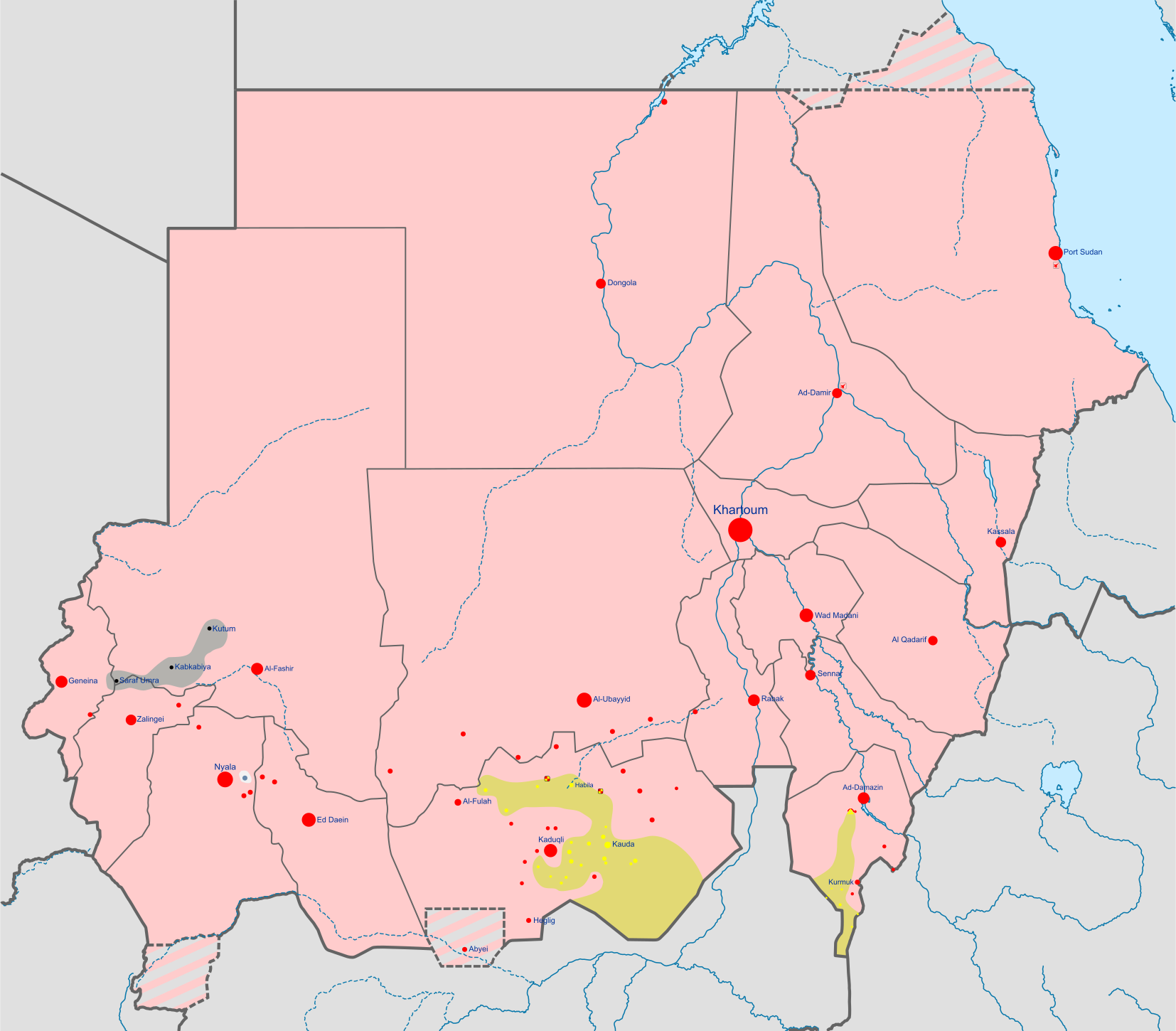
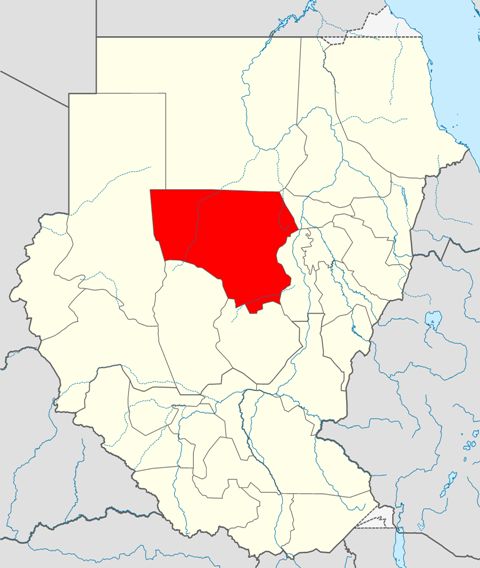
The allegation that the RSF executed 25 civilians in Umm Badr arrived on Saturday, October 3, 2026, in a written statement from the Sudan Doctors Network, a Sudanese medical professional body that has documented casualties since the war began. The Network said more than 25 civilians were killed in the Umm Badr area of North Kordofan state, describing the deaths as extrajudicial executions carried out by fighters of the paramilitary Rapid Support Forces.
According to the statement, video footage circulating online appears to show RSF members carrying out the killings. The victims, the Network said, had been accused of supporting or aligning themselves with the Sudanese Armed Forces — an accusation it says was used as a pretext. The gravity of the incident, the statement added, is compounded by indications that the victims were targeted on ethnic grounds. Signal Post News has not independently verified the footage or casualty total, and the RSF had not responded to the allegation at publication time.
What the Sudan Doctors Network alleges
The Sudan Doctors Network called the reported killings unlawful executions and described them as a grave crime and a flagrant violation of international humanitarian law and international human-rights standards. That language is the Network's legal characterization; determining criminal responsibility would require an independent investigation able to establish who appeared in the footage, where and when it was recorded, who exercised command, and whether the victims were civilians or were otherwise protected under the laws of war.
The Network urged the United Nations, international human-rights organizations and accountability mechanisms to launch what it called a transparent, independent investigation and publicly identify those responsible. It also demanded immediate international action to halt repeated violations against civilians. Its statement warned that targeting people because of ethnic or social affiliation damages community relations, undermines social stability and spreads hate speech that can drive further violence.
Why the alleged ethnic dimension matters
Sudan's war has repeatedly run along communal lines, most starkly in Darfur, where mass killing, forced displacement and sexual violence have been documented. The United States formally determined that members of the RSF and allied militias committed genocide in Sudan. That determination does not establish what happened in Umm Badr, but it raises the stakes of any new allegation that identity rather than battlefield conduct was used to select victims.
Ethnic targeting can change the legal character of an incident. The deliberate killing of civilians can constitute a war crime; a widespread or systematic attack directed against a civilian population may amount to a crime against humanity. Proving either category depends on evidence and context, not solely on a reported death toll. At the community level, identity-based violence also makes reconciliation harder and displacement more permanent: families singled out for who they are have less reason to believe they can safely return when a front line moves again.
North Kordofan has become the war's center of gravity
The war between the Sudanese Armed Forces and the RSF began in April 2023 after tensions over the integration of the paramilitary into the national military ruptured into open fighting. North Kordofan matters because it sits astride routes linking Khartoum and central Sudan to Darfur. Its capital, El Obeid, is both a transport hub and a strategic hinge: controlling the roads around it affects military resupply, civilian movement and humanitarian access across a much wider region.
In recent weeks the SAF says it has taken control of 11 areas in North Kordofan, including Sodari and al-Mazroub. Those are army claims and have not been independently verified in full. Umm Badr sits in the same contested belt. When front lines move through towns where authority is fragmented, civilians accused of sympathizing with the other side are especially exposed to detention, reprisal and summary punishment.
Who gains and who loses
If the allegation is verified, it would further isolate the RSF diplomatically and strengthen the SAF's narrative that it remains Sudan's lawful authority. It could also complicate ceasefire diplomacy, including the U.S. peace push and the wider debate over warnings that the war could harden into a de facto partition modeled on Libya. Negotiators have less room to sell compromise when communities believe their identity puts them at risk.
The RSF would lose credibility among civilian populations it needs to administer areas under its control. The group generally denies deliberately targeting civilians, while Sudanese authorities and international rights organizations dispute those denials and have documented patterns of abuse. Reporting both positions does not resolve the facts in Umm Badr. The victims' families and their communities lose the most, while humanitarian agencies face shrinking access and greater danger as allegations of reprisal violence multiply.
Reading the numbers
A reported toll of more than 25 dead in a single alleged incident is large relative to the typical single-event claims that emerge from Kordofan. The number comes from a medical professional body rather than a party to the conflict, which may affect how observers weigh it, but that is not the same as independent verification. The army's claim that it captured 11 areas is also unverified independently and should be treated as a belligerent's battlefield account.
Independent verification would require safe access to the site; original, geolocatable footage and metadata; forensic examination of remains; consistent witness testimony; and records that can connect individual fighters and commanders to the acts alleged. Those conditions are rarely available in active or recently contested RSF-held areas, where communications are weak, witnesses face retaliation and investigators cannot move freely. The resulting uncertainty should slow definitive conclusions without erasing the need to investigate.
What happens next
The Network's clearest demand is a UN-led independent investigation. The practical obstacles are severe: access to North Kordofan is constrained, lines of control can shift quickly, and Sudan's record shows that international accountability mechanisms often move far more slowly than the violence they are meant to examine. A credible inquiry would still matter by preserving evidence, identifying victims and establishing whether the alleged ethnic element reflects a wider pattern.
On the battlefield, the allegation is unlikely by itself to halt the SAF's reported momentum in North Kordofan, but it may intensify the stakes around any further advance toward Umm Badr. In diplomacy, it could add pressure for civilian-protection terms and monitoring in ceasefire talks. For humanitarian groups, the immediate question is whether they can reach affected communities without becoming trapped by new fighting or accused of favoring one side.
The next signals to watch are specific: whether the RSF issues a response; whether the UN or a major rights body calls for an investigation; whether additional footage can be authenticated and geolocated; and whether witnesses or medical records corroborate the Sudan Doctors Network's total. Until then, the allegation should be treated as serious, specific and unverified.
Sources
Reporting snapshot: October 3, 2026. The executions are alleged by the Sudan Doctors Network and reported by Anadolu Agency; they have not been independently verified, and the RSF had not responded at publication time.