Yemen military operation Houthis
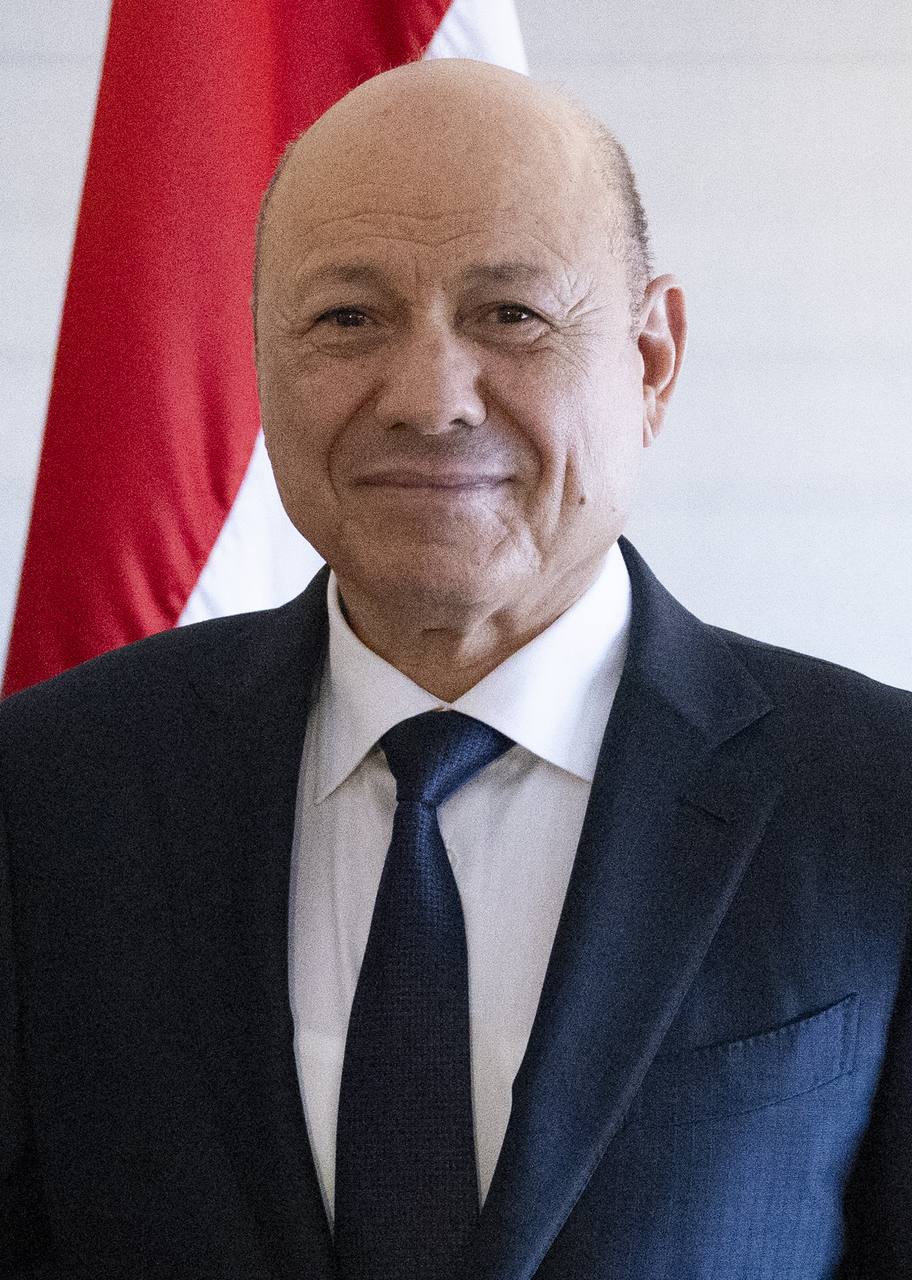
The Yemen military operation Houthis now face is the largest declared attempt in years to reverse their territorial gains. On Sunday, October 4, al-Alimi said in a televised address that military operations had begun to recover remaining Houthi-held areas and extend state authority across Yemen. Reuters reported, citing regional and Western officials, that Saudi Arabia is expected to lead the air campaign while Yemeni forces conduct the ground offensive.
Al-Alimi said every opportunity for de-escalation had been exhausted and ordered the armed forces, security services and military formations to act under approved plans. He also drew a political line: the campaign, he said, is not directed at residents of Sanaa, Saada, Hodeidah, Amran, Dhamar or Ibb. That distinction is meant to separate the Houthi movement from the population under its control. Whether air operations and urban fighting can preserve it is a harder question.
The announcement followed a rapid deterioration on two connected fronts. Houthi forces pushed down Yemen's Red Sea coast and toward the Bab el-Mandeb approaches, while an advance near Taiz threatened the final overland route linking Taiz to Aden. AFP reported that the Taiz–Aden supply road had been cut only hours before al-Alimi spoke, effectively tightening the encirclement of Taiz. A campaign advertised as national reunification therefore begins as an emergency effort to prevent further strategic isolation.
What the plan is — and what has actually happened
Rashad al-Alimi announcement pairs Saudi air power with Yemeni ground forces
The division of labor is familiar: Saudi aircraft are expected to attack Houthi positions, logistics and launch infrastructure; Yemeni government-aligned formations must then take and hold ground. Air power can slow movement, break concentrations and isolate a front. It cannot police roads, administer districts or prevent a cleared ridge from being reoccupied. The campaign's credibility will depend on whether fragmented ground forces can coordinate after the aircraft leave.
Reports from the first full day illustrate both momentum and uncertainty. On Monday, government military sources told Reuters that pro-government forces had taken large parts of Dhubab district, which overlooks Bab el-Mandeb, with heavy Saudi-led coalition air support. Houthi-aligned media denied that government forces had advanced. Signal Post News cannot independently determine the line of control.
The timing also matters. The Institute for the Study of War's Critical Threats Project wrote on October 4 that the offensive had been announced but that it had not yet observed offensive action. That assessment and Monday's government claims are not necessarily contradictory: one describes the hours around the announcement; the other describes reported movement afterward. Together they show how quickly the information environment is moving and why declarations should not be confused with independently verified gains.
Why this matters
Houthis, Bab el-Mandeb and the Red Sea–Hormuz shipping equation
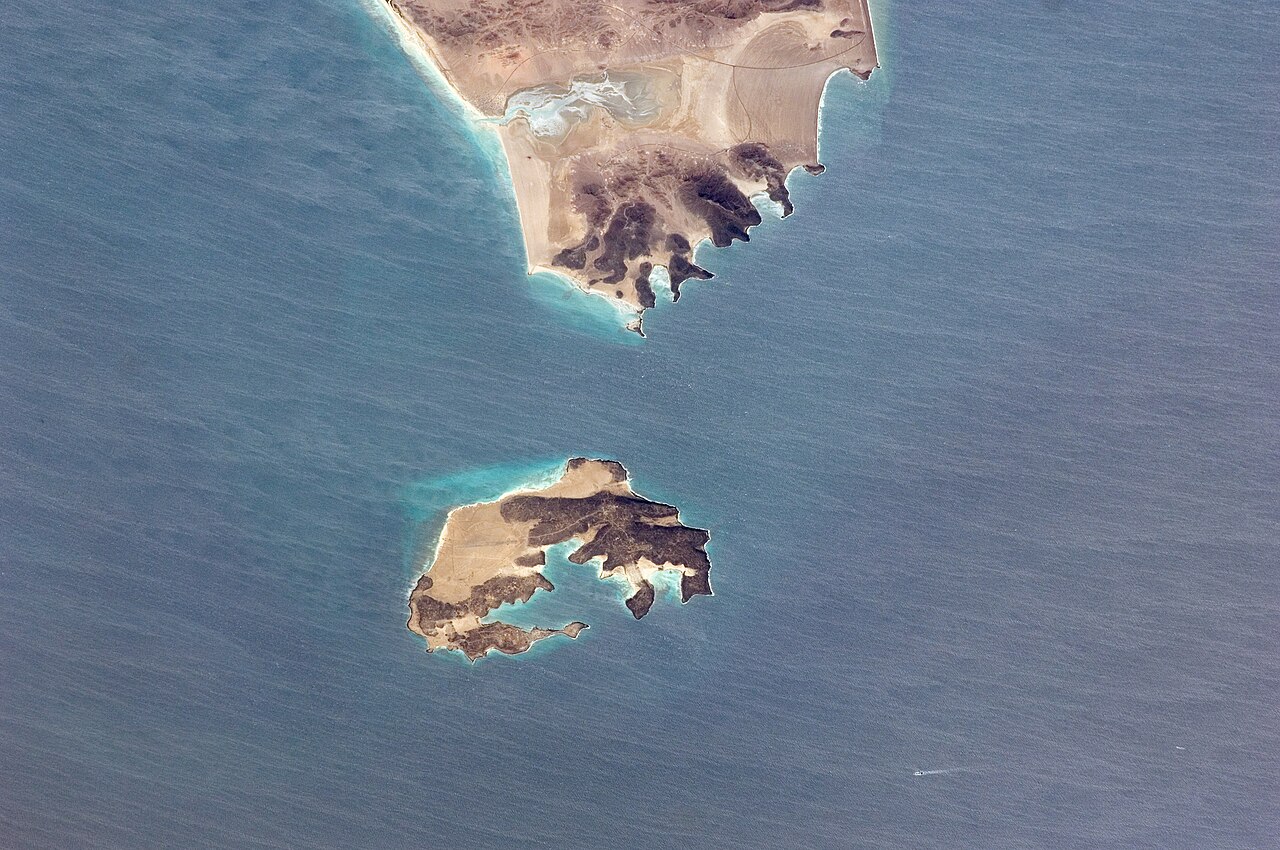
Bab el-Mandeb is the Red Sea's southern exit into the Gulf of Aden. A force able to threaten both shorelines, nearby islands or the approaches does not need to close the strait completely to change global trade. Missile launches, drones, mines or even credible warnings can raise insurance premiums, reroute ships around Africa and delay energy and container cargoes between Europe and Asia.
The chokepoint has become still more consequential because the Iran conflict has made the Strait of Hormuz effectively unavailable for normal trade. Ordinarily, disruption at one passage can be partly absorbed through alternative routes and inventories. Pressure on Hormuz and Bab el-Mandeb at the same time removes redundancy. Saudi Arabia's Red Sea ports and cross-kingdom energy infrastructure become more valuable, but shipping leaving those facilities still faces the southern gate.
This is the Iran-proxy dimension in operational terms. The Houthis are a Yemeni movement with local ambitions and independent decision-making, but their alignment with Tehran gives Iran leverage far beyond Yemen's borders. If the group can pressure Saudi oil sites and the Red Sea route at the same time, it can impose economic costs on Riyadh and its partners without Iran's conventional forces crossing a border.
For global shipping, a government gain around Dhubab would matter only if it reduces the launch and surveillance threat over time. A flag raised on a district headquarters does not by itself make transit safe. Shipowners will look for sustained control of coastal terrain, fewer attack alerts, functioning air defenses and credible guarantees that Houthi units cannot simply move launchers inland.
The battle for Taiz is the campaign's land test
Taiz fighting Yemen forces to defend the last road before they can advance
The fight around Taiz exposes the campaign's immediate contradiction: the government is declaring a nationwide offensive while defending a threatened supply artery. If the Taiz–Aden road remains cut, government forces must supply an urban front through more vulnerable routes or fight to reopen the corridor before pursuing larger objectives. The Houthis, by contrast, can convert control of the road into pressure on Taiz, a threat toward Aden and a propaganda claim that the initiative remains theirs.
ISW assessed that holding the road could free Houthi forces for operations elsewhere, including toward Marib's oil-producing areas, while improving the group's negotiating position. The strategic effect is larger than the road itself. An encircled or logistically constricted Taiz would force government commanders to choose between the Red Sea coast, the city's approaches and other fronts. That is how a numerically smaller force can stretch a coalition: create simultaneous emergencies and let its opponents compete for aircraft, ammunition and reserves.
For the government, reopening the route would do three things at once. It would restore movement between Taiz and Aden, protect a major population center and show that the announced campaign can solve an urgent battlefield problem. Failure would make the nationwide objective look premature.
The numbers in context
257 operations, 97 strikes and the 700-killed verification gap
Government and coalition spokesmen have issued extraordinary figures. Yemeni government forces said they conducted 257 “precision operations” against Houthi positions on Saturday. The Saudi-led coalition said it carried out 97 strikes on the Taiz and Tor al-Baha fronts. A government spokesman claimed roughly 700 Houthi fighters were killed.
Those are claims, not established battlefield facts. Neither the operational totals nor the casualty figure has been independently verified. “Operation” is also an elastic unit: it can describe an airstrike, artillery mission, drone engagement or coordinated ground action. Without target lists, geolocated imagery, hospital records or multiple independent observers, adding the numbers together creates a false precision.
Even so, the claims reveal intended tempo. If accurate, 97 coalition strikes on two fronts in a short period would indicate an intensive opening air phase designed to disrupt Houthi movement before ground forces consolidate. The larger 257 figure suggests simultaneous activity across multiple axes rather than one narrow push. That can create shock, but it also consumes munitions rapidly and increases the burden of target verification.
The claimed toll of about 700 Houthi fighters should be treated most cautiously. Early-war casualty estimates are routinely inflated by inaccessible front lines, repeated counting and the political value of portraying an enemy as broken. A genuine loss on that scale would normally produce visible secondary evidence: funeral notices, unit withdrawals, prisoner lists, medical overload or a change in operations. Until such evidence appears, the figure describes what the government says, not what is known.
History reinforces the warning. Saudi-led air campaigns since 2015 have inflicted substantial damage and at times enabled government advances, but they did not eliminate Houthi command networks or produce a durable national settlement. Tactical strike volume can buy time and terrain. It does not automatically solve fragmented ground command, governance gaps or the insurgent advantage of operating among familiar communities.
Houthis Red Sea attacks and the Saudi energy front
The Aramco Houthi attack claim broadens the battlefield
The Houthis said they launched ballistic missiles and drones at Saudi Aramco sites in Riyadh and Khurais, claiming major fires. They described the attacks as retaliation for what they said were 50 Saudi-led air and missile strikes in 12 hours. Saudi Arabia did not immediately confirm the Aramco damage described by the Houthis, and Signal Post News could not independently verify either side's operational account.
The strategic message is clearer than the damage assessment. The Houthis are trying to make the cost of the Yemen campaign visible inside Saudi Arabia, especially at energy assets whose disruption could influence global prices and domestic confidence. Riyadh, in turn, is trying to show that the movement's coastal gains can be reversed before they become a permanent layer of pressure on Red Sea exports.
This creates an escalation loop: Saudi strikes seek to suppress launches; Houthi launches seek to raise the political price of those strikes; each side then points to the other's action as justification for the next round. The danger is not only a larger Yemen war. A successful attack on critical oil infrastructure could pull wider regional actors into direct retaliation and further tighten an energy market already strained by the Iran conflict.
How Yemen reached this point
Yemen war 2026: from 2015 intervention to a collapsed truce
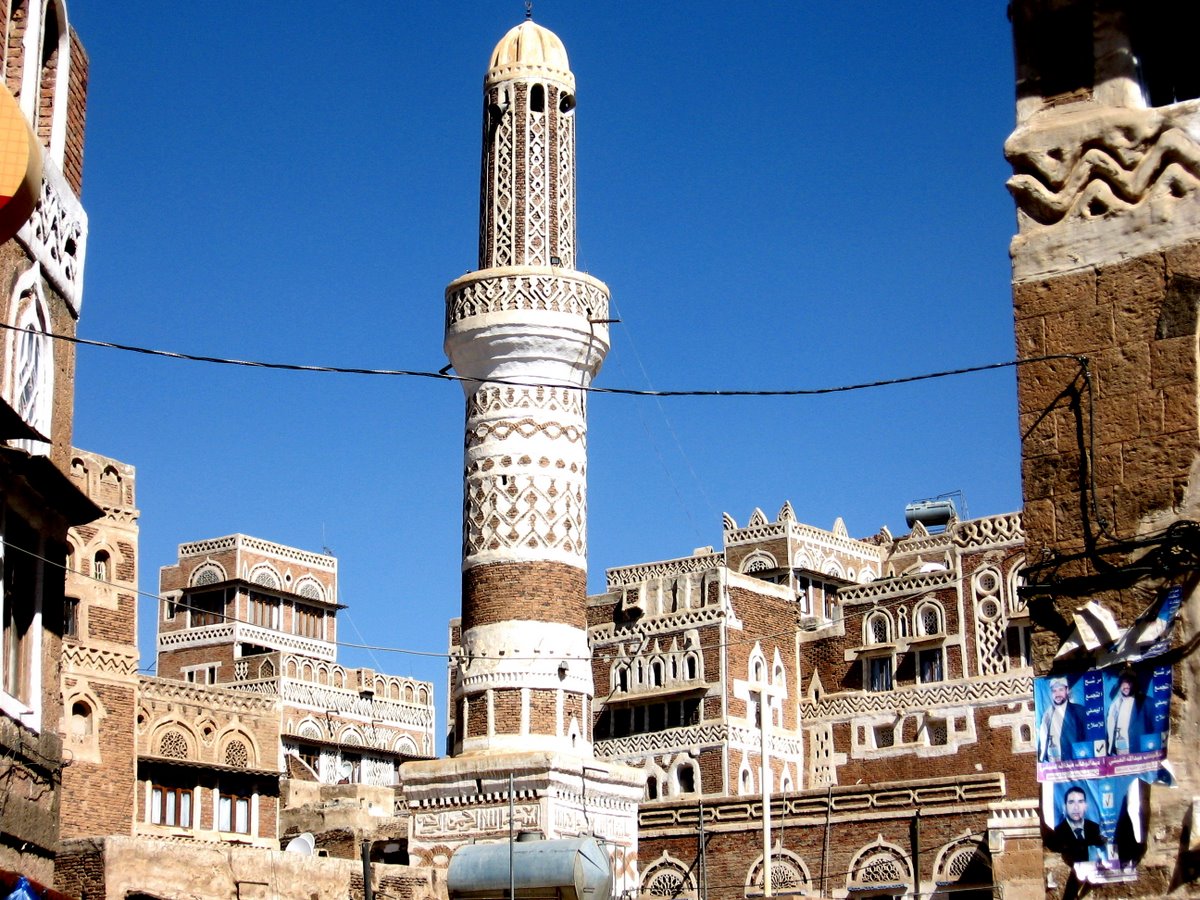
Saudi Arabia entered Yemen's civil war in 2015 at the head of an Arab coalition backing the internationally recognized government after Houthi forces drove it from Sanaa. The intervention was expected to be decisive. Instead, the war hardened into fragmented front lines, damaged civilian infrastructure and one of the world's gravest humanitarian crises.
A United Nations-brokered truce in 2022 sharply reduced cross-border attacks and large-scale combat even after the formal agreement expired. That relative calm held until 2026, when the Iran war spilled into Yemen and the Houthis renewed missile and drone attacks on Saudi shipping and energy infrastructure. The group then exploited the regional distraction to move rapidly along the Red Sea coast and pressure Bab el-Mandeb.
Al-Alimi had prepared the public for mobilization before Sunday's address. On September 26 he urged Yemenis to enlist and offered amnesty to Houthi defectors. That combination — recruitment plus an exit ramp for opponents — suggests the government wants to expand manpower while weakening Houthi cohesion. It may also reflect an uncomfortable reality: territorial ambition exceeds the number of reliable forces available to hold every recovered district.
Who benefits, who loses and what critics warn
Saudi Arabia Yemen offensive could restore leverage — or repeat an old trap
Saudi Arabia benefits if the operation pushes Houthi launch systems away from the strait and its southern border, protects Red Sea export routes and restores negotiating leverage. Yemen's internationally recognized government benefits if battlefield gains translate into functioning authority rather than a patchwork of rival formations. Global shipping benefits if risk around Bab el-Mandeb falls enough to bring carriers and insurers back.
The Houthis would lose coastal depth, bargaining power and the ability to present themselves as the side setting the pace. Iran would lose a relatively low-cost source of pressure on Saudi Arabia and maritime trade. Yet neither loss is automatic: a grinding campaign can strengthen Houthi recruitment narratives and deepen their claim to resist foreign intervention.
Civilians carry the clearest downside. Fighting around roads and cities can cut food, fuel and medical supply lines before it changes political control. Airstrikes may be described as precise, but target error, bad intelligence and the proximity of military assets to populated areas create persistent risks. Critics of a renewed campaign also point to the record since 2015: intense bombing produced military effects, but it did not deliver stable national governance or end the war.
The central analytical question is therefore not whether government forces can seize ground under air cover. They probably can in selected sectors. It is whether they can hold it, police it, supply it and offer enough security and services that local communities do not experience the operation as another temporary change of armed authority.
What happens next
Four scenarios for the campaign
Rapid government gains. Saudi air power disrupts Houthi reinforcements, Yemeni formations reopen the Taiz–Aden road and consolidate Dhubab and nearby heights. That would reduce immediate pressure on Bab el-Mandeb and give al-Alimi leverage for negotiations. The test would quickly shift from seizure to governance.
A grinding stalemate. The government records local advances but cannot break Houthi control of key routes and high ground. The Houthis disperse, absorb losses and counterattack when air operations ease. This is the most familiar pattern from earlier phases of the war, and the one most likely to multiply civilian displacement without changing the strategic balance.
A wider regional war. Houthi missile and drone attacks cause confirmed damage to Saudi energy or shipping infrastructure, prompting deeper strikes on command sites and weapons networks. Iran increases material support or responds elsewhere. Yemen then becomes not merely a spillover arena but an active front in the regional conflict.
Humanitarian fallout overtakes military goals. Even a successful offensive can close roads, interrupt aid and push families from contested districts. If civilian harm rises faster than durable gains, international pressure may force pauses before the government secures its objectives. That would leave front lines more fluid and communities more exposed.
The next credible indicators are concrete: independently geolocated control around Dhubab, whether the Taiz–Aden road reopens, changes in commercial-shipping advisories, evidence supporting or contradicting the casualty claims, and the ability of government forces to remain after air support shifts elsewhere. The announcement has established intent. Only those indicators will show whether it has produced strategy.
Sources
- Reuters, October 4 — al-Alimi's announcement, campaign structure, Houthi and coalition claims, and truce background.
- Reuters, October 5 — competing claims over Dhubab and the latest fighting near Bab el-Mandeb and Taiz.
- TBS News — televised address and operational context.
- Devdiscourse — syndicated reporting on the announcement and regional campaign.
- TRT Haber via Vesper — summary of al-Alimi's address and stated objectives.
- AFP via PakistanTV — report that Houthi forces cut the Taiz–Aden supply route before the announcement.
- Institute for the Study of War / Critical Threats Project — front-line assessment and strategic implications of the Taiz road seizure.
Reporting note: Battlefield casualty totals, strike counts, Aramco damage and control of contested districts are attributed claims and remain independently unverified unless otherwise stated. Strategic judgments and scenario analysis are Signal Post News analysis.