Krasnodar state of emergency
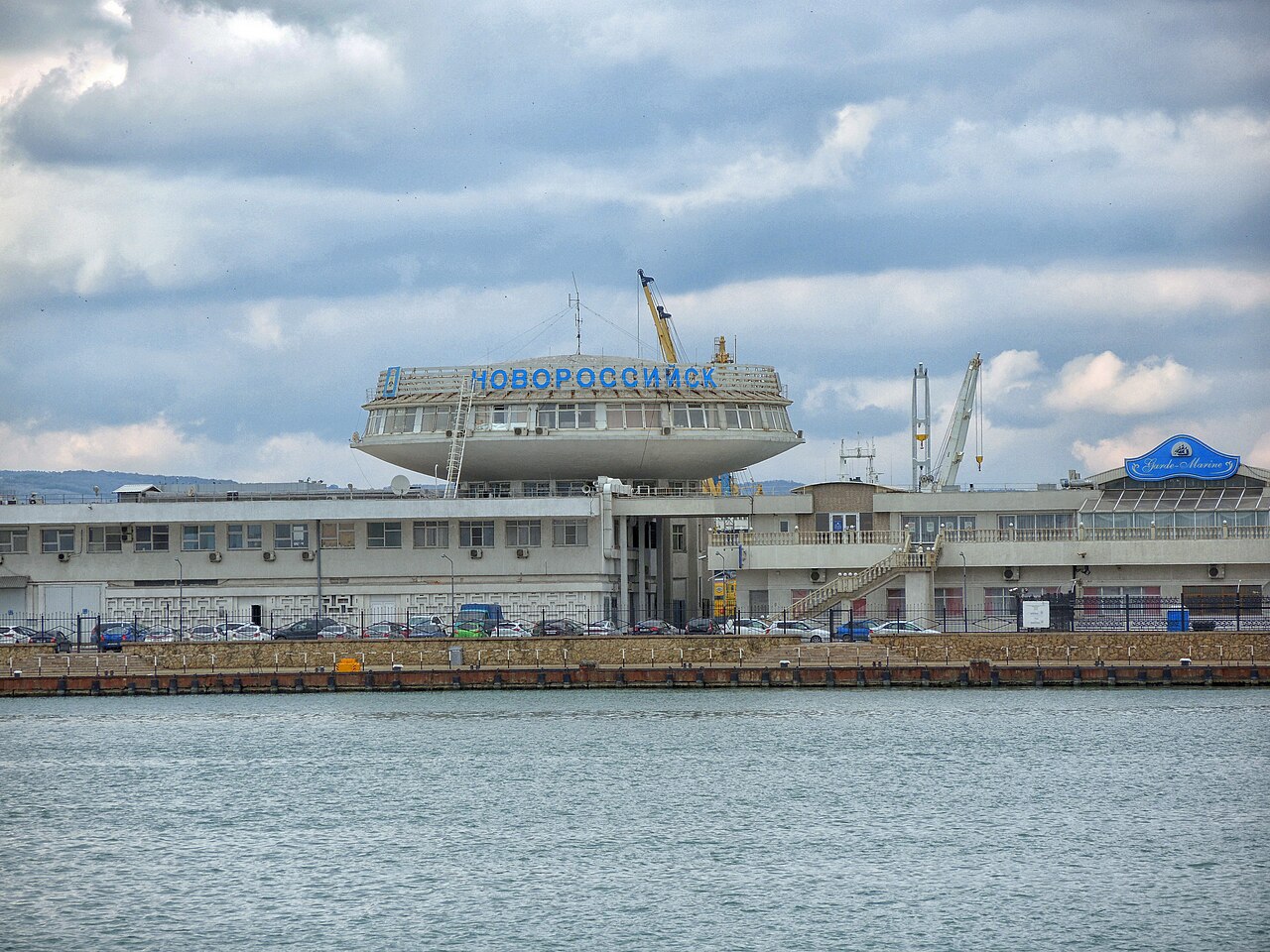
The emergency declaration
The Krasnodar state of emergency turns a run of Ukrainian drone attacks and interrupted port operations into an official regional economic problem. Governor Veniamin Kondratyev declared the emergency on Wednesday, according to Interfax reporting carried by Reuters on Thursday, September 24. The legal step allows affected parties to seek compensation for losses tied to the disruption.
Kondratyev said “massive attacks” had hit logistics infrastructure, suspended port operations and disrupted shipping in the Black Sea. Farmers were unable to sell much of their yields, he said, leaving grain inside the region and creating a domestic oversupply even as export channels tightened. Those are the governor's stated reasons for the order; the size and timing of eventual compensation will depend on claims and government decisions that were not yet public.
Novorossiysk is one of Russia's most important outlets for oil, oil products and grain, and the port has repeatedly been targeted by Ukrainian drones. Earlier in the week, attacks around the city damaged pipelines and suspended municipal water service. Regional authorities said one man was killed by falling drone debris and that hundreds of drones had targeted the region. Signal Post News could not independently verify every battlefield tally.
Why this matters: the war is moving toward revenue
The declaration appears to be the first regional emergency publicly driven by the economic consequences of Ukraine's deep-strike campaign. That makes it more than a local disaster-management measure. The war is increasingly being fought not only across trenches and cities but against the systems that turn commodities into revenue: ports, pipelines, storage, rail links, ships and insurance.
Grain is a major Russian export earner, and Russia is the world's largest wheat exporter. A regional government acknowledging that farmers cannot move a large harvest to buyers is evidence that strikes are reaching commercial cash flow and public finances. It is not, by itself, a federal admission of a budget crisis. The order concerns Krasnodar and creates a compensation mechanism; any claim about a national fiscal break would require federal revenue and expenditure data that the declaration does not provide.
That distinction matters because emergencies can serve several functions at once. They recognize real damage, organize relief and establish eligibility for public money. Critics may also interpret the move as a budget maneuver that shifts losses into a compensable category. That is an interpretation, not a proven motive. The stronger conclusion is narrower: Moscow's war economy is now having to price disruption at a region central to export logistics.
An abundant harvest trapped behind a bottleneck
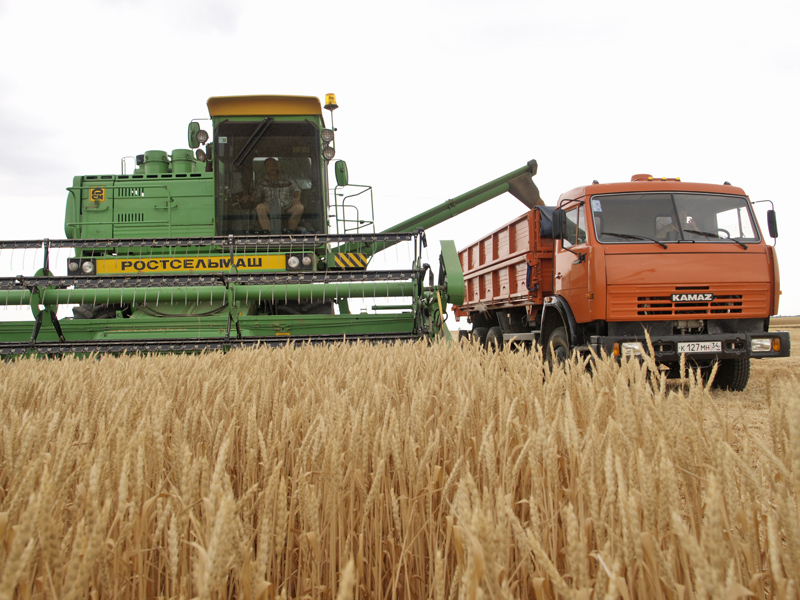
Krasnodar harvested 11.4 million metric tons of grain and pulses in 2026, nearly 2 million tons more than in 2025. That implies the previous year's crop was roughly 9.4 million tons and this year's increase was about one-fifth. The precise comparison matters: the emergency is not principally a story of failed production. It is a story of a strong harvest colliding with constrained logistics and weaker access to export buyers.
When grain cannot move through the normal chain, the effects stack up. Local storage fills, farm-gate prices can come under pressure and growers face cash-flow problems just as they need to finance seed, fuel and fertilizer for the next cycle. Regional authorities then face claims for compensation while export earnings and port fees are delayed. Abroad, the same bottleneck can push in the opposite direction by tightening available supply and raising costs for buyers.
Black Sea shipping war and higher wheat costs
Russia and Ukraine have intensified attacks on each other's grain vessels and port networks, contributing to higher wheat prices and greater uncertainty for shipowners. The transmission mechanism is straightforward: a vessel exposed to attack costs more to insure, crews and owners demand higher compensation, schedules become less reliable and some operators withdraw. Even cargo that eventually moves can arrive with a larger risk premium.
The pressure revives comparisons with the Black Sea Grain Initiative brokered by Turkey and the United Nations in July 2022. That arrangement helped agricultural cargoes move from Ukrainian ports under agreed procedures until Russia withdrew in 2023, saying obstacles remained for its own food and fertilizer exports. The current market is again carrying an elevated war-risk premium, but there is no single public price figure that captures every wheat contract, origin and delivery date. Direction is clearer than magnitude: disruptions have pushed costs higher than they would be under a credible protected corridor.
The present crisis affects both exporters. Russia can reroute some cargo through other ports and overland networks, but alternatives can be slower or more expensive. Ukraine has developed its own sea corridor while continuing to face strikes on ports and vessels. The recent Russian strike on a Black Sea cargo ship that killed its captain shows the danger to civilian crews. Turkey's warning that attacks on merchant vessels are “inexplicable” is examined in our Erdogan–Zelenskyy Black Sea report.
The diplomatic opening — and its limits
The Kremlin said there had been further diplomatic contacts over Turkey's proposal for safe passage and that Russia was pursuing alternative export routes. President Volodymyr Zelenskyy said Ukraine was ready for a maritime truce based on proposals from Egypt, India and Turkey. U.S. Secretary of State Marco Rubio, after meeting Russian Foreign Minister Sergei Lavrov, said both sides had expressed interest in a limited ceasefire covering grain and energy.
Those statements establish overlapping interest, not an agreement. The Kremlin has not publicly endorsed the maritime proposal and continues to say there are no grounds for wider peace talks. Any workable truce would need named routes, protected facilities, a start date, monitoring, an incident channel and consequences for violations. Read our full analysis of Zelenskyy's Black Sea maritime-truce offer.
At the United Nations, Zelenskyy also said Russia's deficit was its largest in years and that most Russian regions were near bankruptcy. Those are claims by Ukraine's president and should be treated as part of Kyiv's argument about economic pressure, not as independently established regional balance-sheet data. Krasnodar's emergency provides a concrete local example of fiscal strain, but it does not validate the full national claim on its own.
Who gains and who loses
Ukraine gains leverage if its campaign can impose measurable costs on export infrastructure without losing international support. Disruption gives Kyiv a bargaining chip in talks over safe passage, energy targets and sanctions. The leverage is not unlimited: attacks that endanger civilian shipping can also alarm governments that depend on Black Sea food supplies.
Russian farmers and regional budgets lose first. Farmers face weaker local prices, storage pressure and delayed cash. The Krasnodar administration may have to compensate businesses and households while port-related revenues soften. Federal exporters can seek other routes, but rerouting spreads costs rather than making them disappear.
Importers in Asia, the Middle East and Africa face higher costs. Many buyers can switch origins, but replacing large Black Sea volumes is rarely frictionless. Freight, insurance and timing matter as much as the quoted grain price. Food-importing governments with thin fiscal buffers are especially exposed.
Turkey gains diplomatic weight. Ankara controls access between the Black Sea and Mediterranean and has experience from the 2022 initiative. A successful safe-passage arrangement would strengthen Turkey's role as an intermediary; failure would still leave it central to whatever commercial workaround follows.
Three paths from here
1. A limited maritime and grain truce. Russia and Ukraine could accept a narrowly defined pause around commercial vessels and specified ports. Shipping would resume gradually, insurers would look for a record of compliance and the compensation pressure on Krasnodar could ease. This is the most economically efficient outcome, but it requires verification that has not yet been agreed.
2. Escalation chokes commercial traffic. More strikes on terminals, pipelines or ships could push war-risk premiums high enough that even undamaged infrastructure becomes commercially unusable. Wheat buyers would pay more, crews would face greater danger and both exporters would lose revenue. Misidentification or an attack on a third-country vessel would carry additional diplomatic risk.
3. A costly stalemate. Russia may keep exports moving through alternative ports and routes while absorbing longer journeys and lower margins. Ukraine may continue selective strikes without closing the corridor outright. In this middle case, grain still moves, but less predictably and at a persistent premium that is shared among producers, traders, insurers and consumers.
What to watch next
The best indicators are operational, not rhetorical: whether Novorossiysk resumes regular loadings, how quickly compensation claims are processed, whether grain stocks inside Krasnodar decline, and whether insurers lower or raise Black Sea war-risk rates. Diplomatic statements matter only when they produce written terms and observable changes in vessel traffic.
Separate UNGA watch: Israeli Prime Minister Benjamin Netanyahu is scheduled to address the U.N. General Assembly later on September 24. That speech is a separate developing story and should not be conflated with the Krasnodar grain emergency or the Russia–Ukraine maritime talks.
Sources
Reporting and source material: Reuters, September 24, 2026, on the emergency declaration, Interfax report, crop figures and diplomatic contacts; Hellenic Shipping News on Novorossiysk and Russian grain-export terminal context. Reported claims are attributed; analysis and scenarios are Signal Post News' assessment.