RJ Mitte Dies at 34: The Breaking Bad Actor Who Changed Television
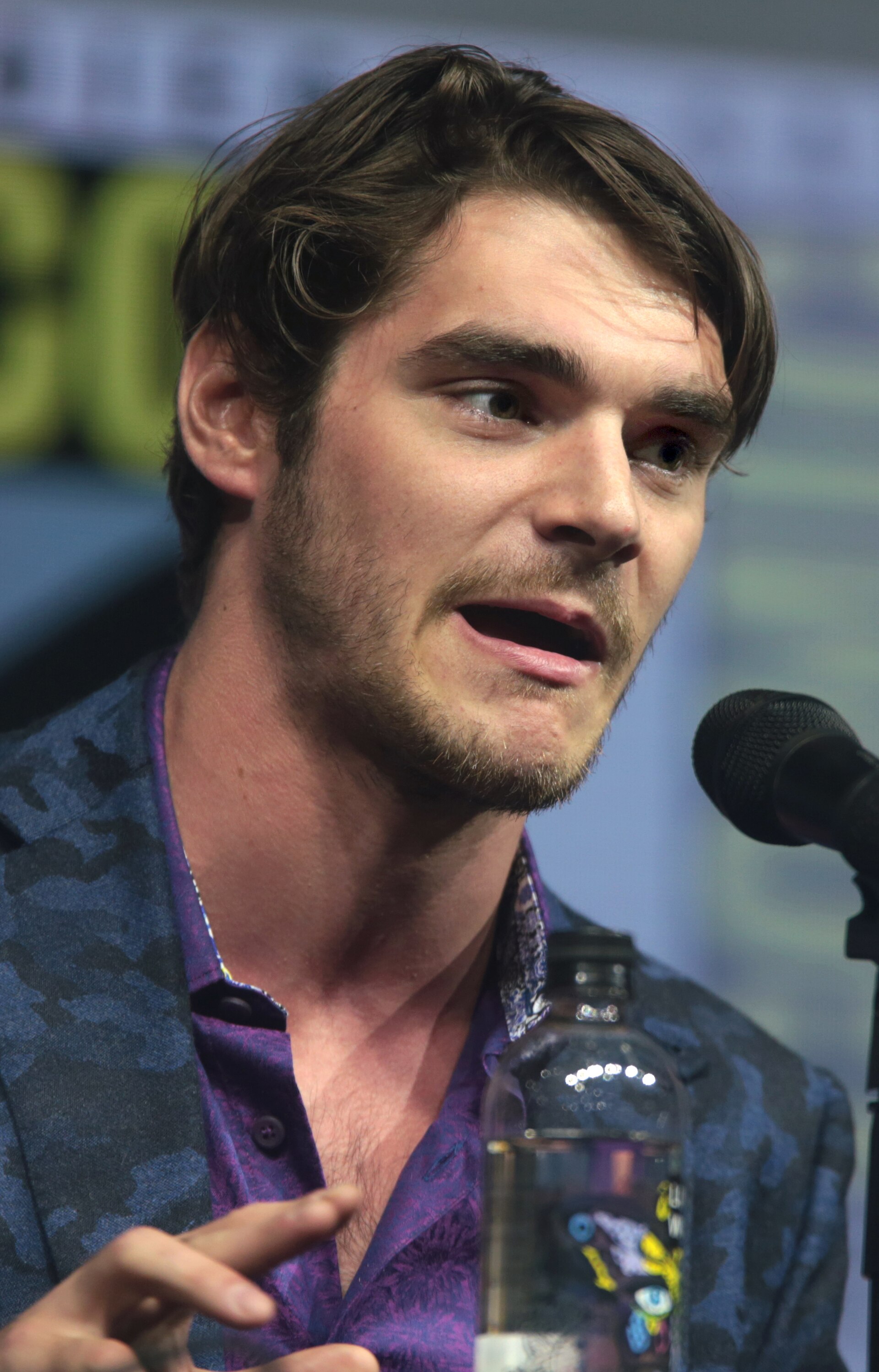
RJ Mitte dies at 34, and the news that reached Brownsville, Texas, on Monday afternoon closed a career that quietly rearranged what American television believed a disabled actor could carry. Mitte, who played Walter “Flynn” White Jr. on AMC’s Breaking Bad, was declared dead at his Brownsville residence on Monday, October 12, 2026, in reporting by Reuters, the Associated Press, CNN and USA Today. He was 34.
Mitte was born on August 21, 1992, in Jackson, Mississippi, and was diagnosed with cerebral palsy at the age of three. He moved to Los Angeles in 2006, and within two years he was part of a series that would be ranked, in a recent New York Times poll cited by the AP, as the best television show of the 21st century. His representatives, announcing his death, described him as a beloved actor, philanthropist and passionate disability rights advocate, and asked for privacy for his family and close ones.
What happened in Brownsville
The verified outline of Monday is short, and it is important to keep it that way. Brownsville police told CNN they received an emergency call around midday on Monday, and that Mitte was already deceased when officers arrived at the residence. Cameron County Justice of the Peace Judge Cyndi Hinojosa told the AP she declared Mitte dead at about 1:32 p.m. local time at his Brownsville home.
Police said no foul play is suspected. The investigation remains ongoing, an autopsy will be performed, and — as of publication — no cause of death has been provided by any official source. Anything beyond those facts is not confirmed, and this article will not fill the gap with speculation. What officials say next will come from the autopsy and the Brownsville investigation, in that order.
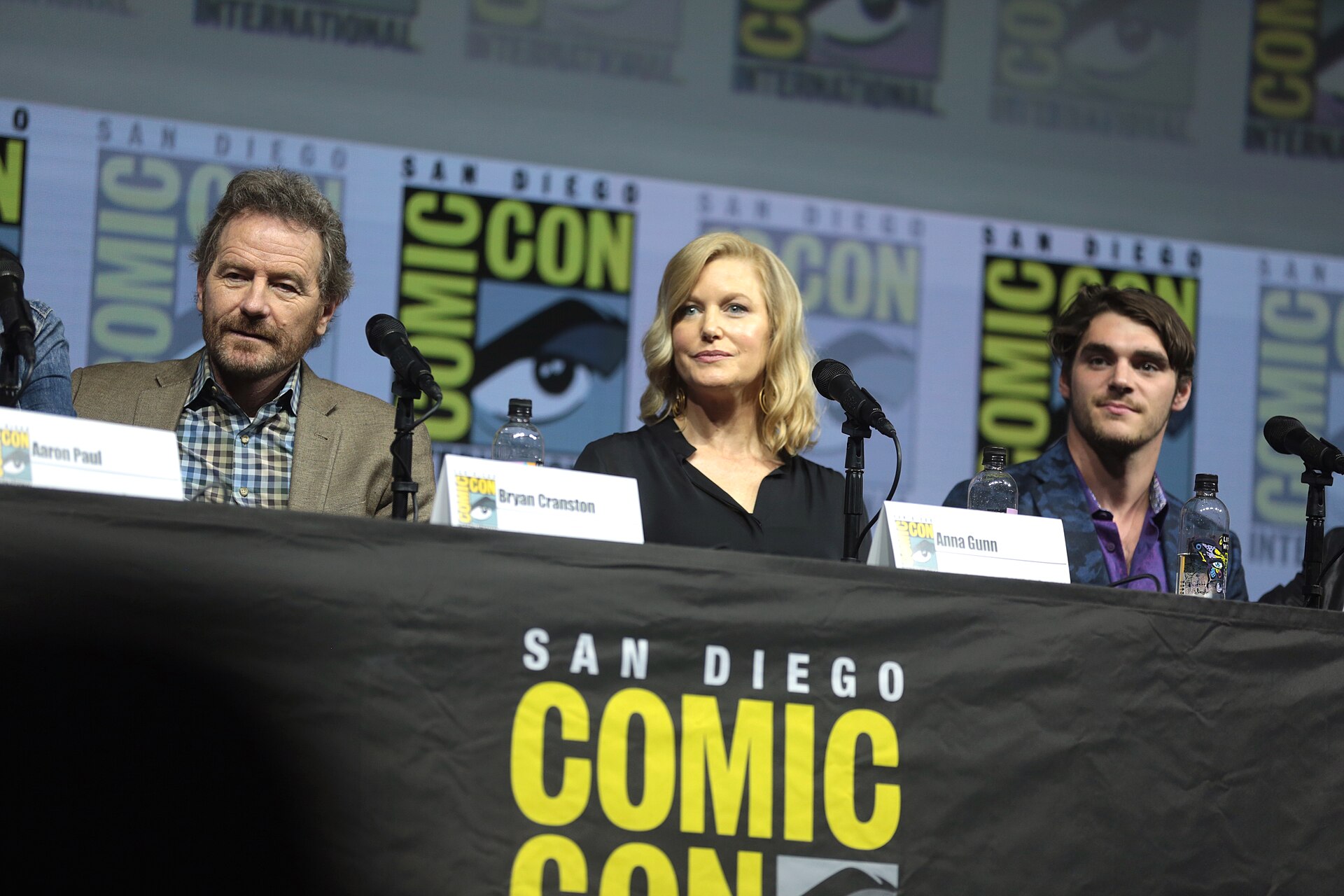
The role that changed TV: Walter White Jr actor dead at 34
Most viewers met Mitte as Walter White Jr. — called Flynn when he was trying to put distance between himself and his father — the son of Bryan Cranston’s Walter White and Anna Gunn’s Skyler White. He appeared in 56 episodes across all five seasons of Breaking Bad (2008–2013), growing up on screen inside a family being slowly consumed by a meth empire he did not know existed.
The numbers around the show explain the size of the platform he was handed as a teenager. Breaking Bad won 16 Emmy Awards, including two for best drama. Its cast won the Screen Actors Guild ensemble award in 2014. And its reputation has only grown since it ended: the AP noted that a recent New York Times poll ranked it the best TV show of the 21st century. Mitte was not a guest star in that phenomenon. He was in the family at its centre, at the breakfast table in some of the most analysed scenes in modern television.
RJ Mitte cerebral palsy advocate — starting with his own performance
Mitte’s own cerebral palsy was milder than his character’s. To play Walter Jr. truthfully, he had to relearn challenges from his own childhood and perform a more pronounced version of a condition he had spent years working to manage. That detail matters: his was not an actor researching a disability from the outside. It was an actor calibrating his own body’s history, in public, in prime time, for five seasons.
Why this matters
Television has a long record of casting non-disabled actors in disabled roles and calling it transformation. Mitte’s casting proved the opposite case could work at the very highest level: a disabled actor, playing a disabled character, in the defining drama of its era — not as inspiration scenery, but as a full family member with anger, humour, loyalty and flaws. Casting directors, writers and networks could no longer honestly claim audiences would not accept it. He was the counterexample that stayed on screen for 56 episodes.
Who benefits from that precedent is still being decided. Disabled actors benefit when a precedent becomes a habit; they lose when it stays a famous exception. The uncomfortable context is how rare his situation remains. Leading and major supporting roles for disabled characters are still scarce, and they are still frequently played by non-disabled performers. Critics of the industry’s progress make exactly that point: one landmark performance, however beloved, is not the same as a pipeline. Mitte himself spent the years after Breaking Bad making that argument — which is why his death is being mourned in two worlds at once, entertainment and disability advocacy, as a loss in both.
There is a second, quieter significance. Walter Jr. was never written as a lesson. His disability was part of who he was, not the plot. For disabled viewers, that ordinariness was the breakthrough; for everyone else, it normalised something television had treated as exceptional. Representation arguments are often abstract. His was concrete: a teenager with crutches, eating breakfast, in the most praised show of the century.
His advocacy, in numbers and offices
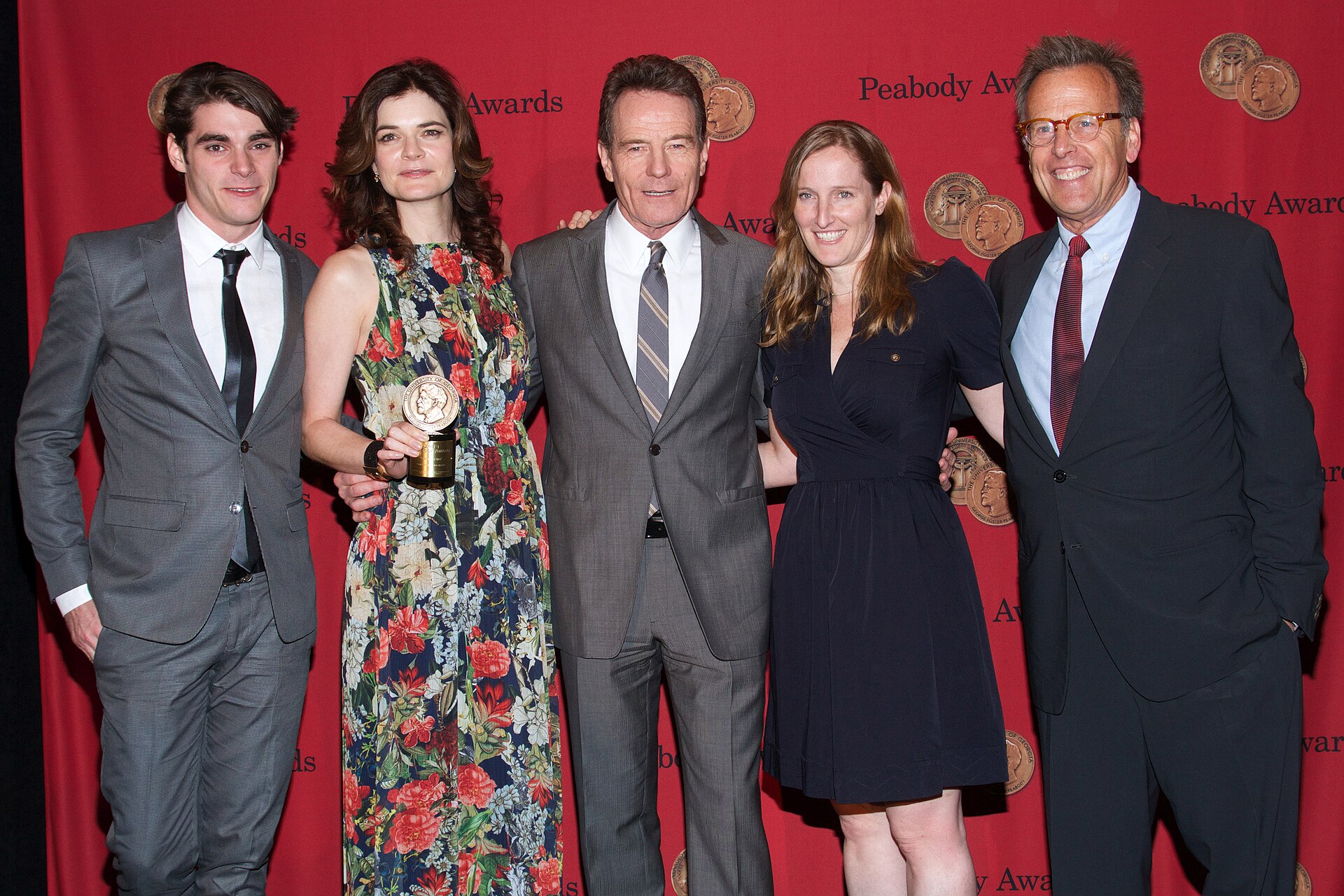
Mitte’s advocacy was not a celebrity side project; it was a parallel career with titles attached. He served as a Screen Actors Guild spokesman for performers with disabilities. He was a celebrity ambassador for both United Cerebral Palsy and Shriners Children’s. He was president of The Mitte Foundation. And in 2013 — the year Breaking Bad ended — he received the SAG-AFTRA Harold Russell Award, the union honour named for the disabled veteran and Oscar-winning actor whose own career had posed the same questions two generations earlier.
Read together, those roles describe a strategy: work the union, work the charities, work his own foundation, and use the fame of one role to open doors for performers who would never get that role’s luck. His representatives’ statement returned to the same theme, noting that he drew on his own experience of cerebral palsy to bring authenticity to the part and built a platform on disability awareness and inclusion.
Life after Breaking Bad
Mitte kept working in parts that often circled the questions his first role raised. He appeared in Switched at Birth (2014), played a high-school wrestler with cerebral palsy in Triumph (2021) — a film he also executive-produced — and appeared in The Guardians of Justice (2022), Who’s Driving Doug, Time Share, Standing Up for Sunny and The Oak Room. The through-line is hard to miss: characters whose disability was written into the story’s centre, and, with Triumph, a move behind the camera to make sure of it.
What happens next
Three things now run in parallel. In Brownsville, the official process continues: an autopsy will be performed and the police investigation remains open, and officials have said no foul play is suspected. In public, tributes from the Breaking Bad cast, the disability community and fans are expected to build over the coming days — the representatives’ request for privacy for his family and close ones is the boundary around all of it. And in the longer term, the work he institutionalised — The Mitte Foundation, the ambassador roles, the union advocacy — becomes the measure of whether the door he opened stays open.
He was 15 when he was cast and 21 when the show ended. Everything since was an argument, made patiently and in person, that he should not be the last. That argument is now left to the industry he spent his short career trying to change.
Sources
- Reuters — Breaking Bad actor, disability rights activist RJ Mitte dead at 34
- USA Today — RJ Mitte, Breaking Bad star, dies at 34
- CNN — RJ Mitte, Breaking Bad actor, dies at 34