World / Middle East — Washington has quietly told Gulf Arab governments to be ready for a short, intense American campaign against Iran once the November 3 midterm elections are over, The Wall Street Journal reported on Wednesday — a warning backed by a Patriot battery moving from Texas to Israel, a second carrier armada taking shape, and a war bill that has already passed $47 billion. No attack has been ordered, and President Donald Trump has not decided. That distinction is the whole story, and it is where any honest reading of this one has to start.
WASHINGTON — The question of US Iran strikes after midterms stopped being hypothetical this week. The United States has told several Gulf Arab countries to be prepared for a short, intense military campaign against Iran after the November 3 midterm elections, The Wall Street Journal reported on October 28, in communications through diplomatic and military channels, according to people briefed on the conversations. The warnings are among a growing number of indications that the US and Israel are readying a new round of heavy combat operations against Iran, intended to degrade Tehran’s strength and push it toward negotiations.
Track it live: Iran war tracker · Wars tracker
What Washington told the Gulf
US warns Gulf Iran campaign: a warning delivered through two channels
The Journal’s account rests on people briefed on the conversations — not named officials announcing policy, but briefed sources describing private communications, the standard currency of war-planning reporting, to be weighed as such. What gives it weight is the fit between words and hardware: the warning arrives alongside force movements typical of the weeks before a military expects to fight, and none typical of a bluff it expects to be called. The timing argument itself has run for weeks, as we traced when the White House was reported to be weighing Iran strikes before the midterms. The stated purpose is double — degrade Tehran’s strength, and push it toward negotiations — two logics that pull against each other, since a coercive campaign must hurt enough to change Tehran’s arithmetic without hurting so much that negotiation becomes impossible.
The force moves behind the words
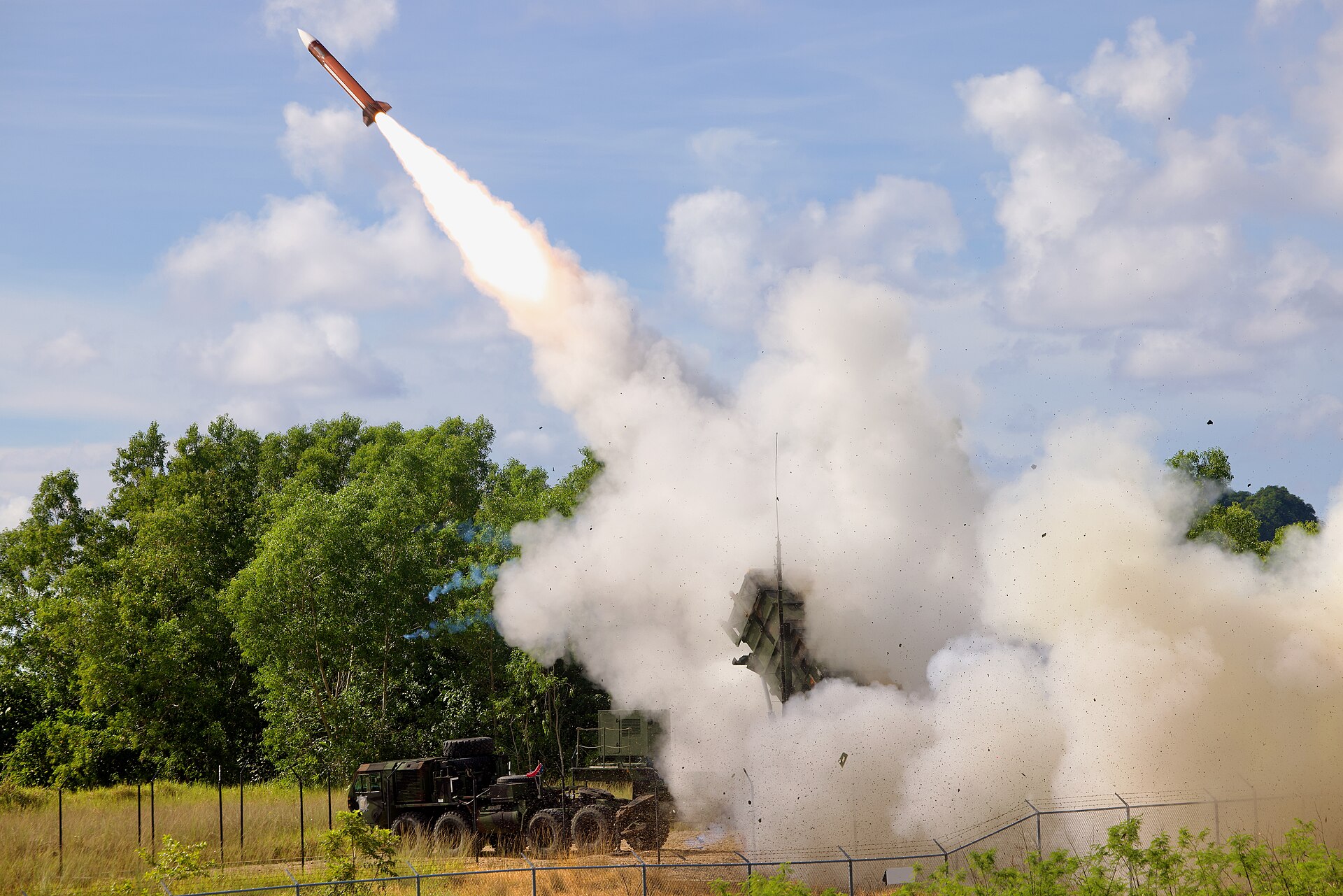
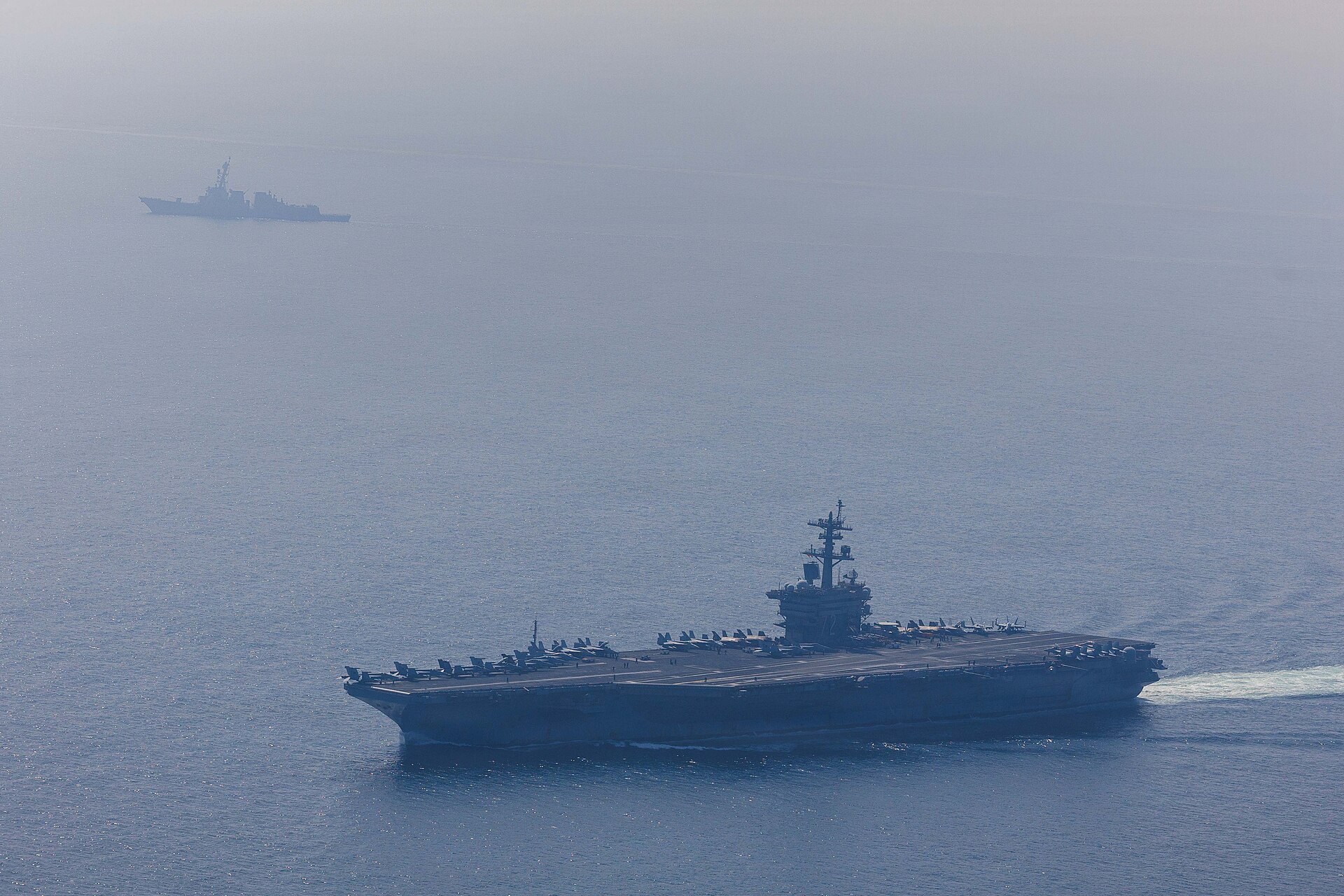
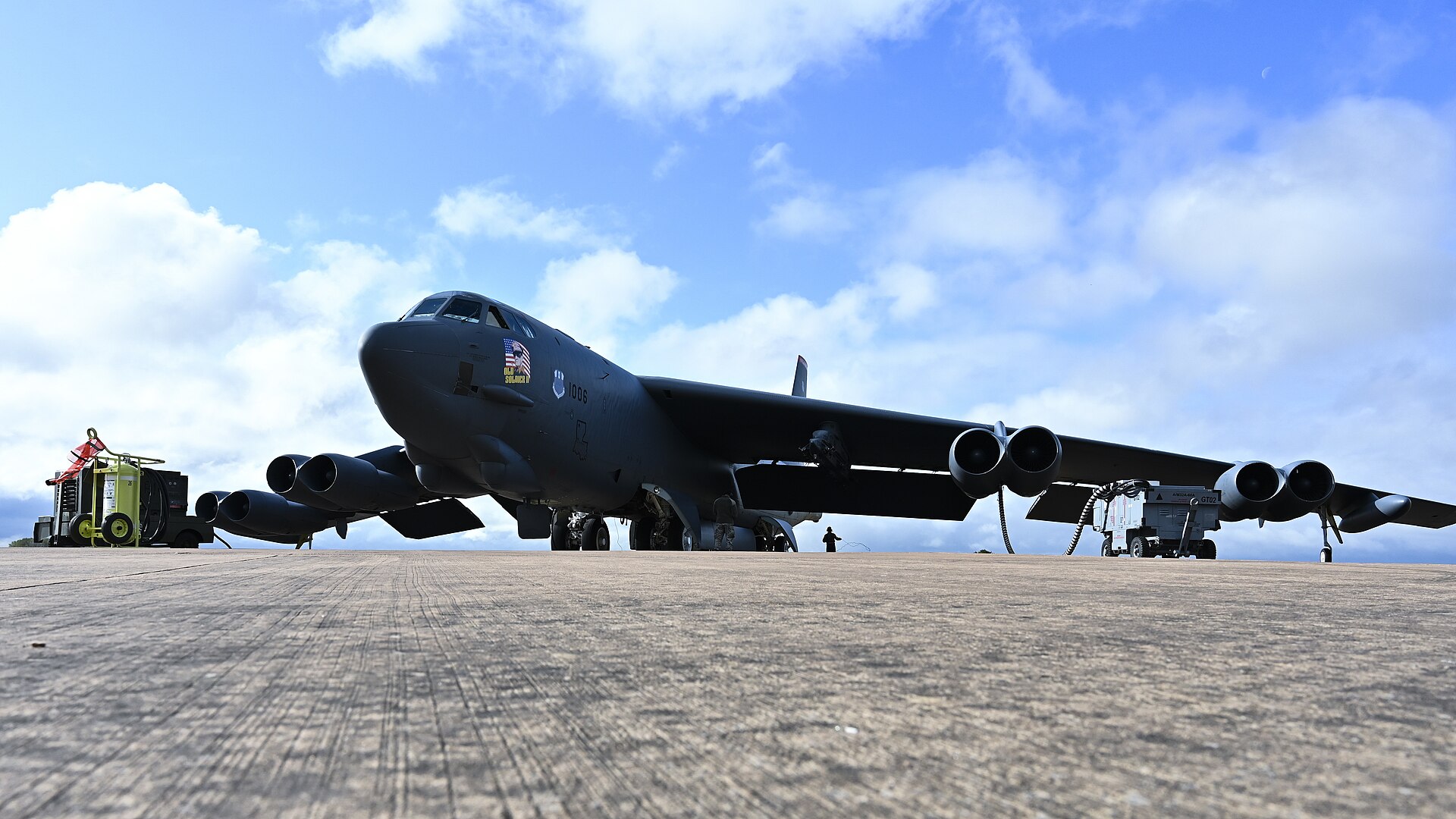
The deployments the Journal catalogued are specific, and specificity is what separates preparation from posture. An additional Patriot missile-defense system is being sent to Israel from Texas, according to flight-tracking data and two officials — the Patriot battery Israel Texas move that has preceded every serious round of this war, because interceptors are the shield behind which everything else is staged. US troops have been moved off Middle East bases where they were vulnerable. Forces are restocking munitions — an unglamorous detail that matters, because you do not replenish magazines for a war you have finished fighting. Bomber aircraft and jet fighters are preparing for strikes. And an additional aircraft carrier strike group and a Marine expeditionary unit are poised to join roughly 20 other US warships in the Middle East next month, though some ships could rotate out.
The $47 billion bill
Iran war cost 47 billion: what the Pentagon numbers actually say
On the same morning the Journal’s warning landed, Reuters published the bill. The US military has spent more than $47 billion on the Iran war so far, Reuters reported on October 28, working from Pentagon data it obtained — a figure more than 25 percent above the $37.5 billion estimate Defense Secretary Pete Hegseth gave in July. The Pentagon did not immediately comment on the numbers.
The composition matters more than the headline. Replacing expended munitions is projected at more than $29 billion — nearly two-thirds of the total, and the clearest measure of how much high-end ordnance this war has consumed. Replacing equipment and “platform losses,” including aircraft and many drones, is projected at more than $6 billion. And the estimate does not clearly include repairing US bases damaged by Iranian missile and drone attacks — so the true figure, when finally assembled, will be higher than $47 billion, not lower. We keep a running account in our explainer on the cost of the US–Iran war; Wednesday’s Pentagon data moves every line of it the same way.
Now place that bill next to the plan being briefed to the Gulf. A “short, intense” campaign spends the most expensive kind of money at the fastest rate: precision munitions are the costliest items in the inventory, and an intense campaign burns them by the hundreds. The July-to-October revision — an estimate that grew by more than $9.5 billion in roughly three months, during a ceasefire — tells a quieter story too: even without heavy combat, this war’s meter runs. The choice in front of the president is not between spending and not spending. It is between two rates of spending, one of which also risks the bases, ships and oil infrastructure whose repair bills do not yet exist.
A war sold as short, priced as long
Reuters’ context is the part Washington least wants read back to it. Trump launched this war jointly with Israel in February predicting it would be short; the April ceasefire then gave Iran time to dig out its underground storage, restoring some defences, missiles and drones — the pause that was meant to consolidate a quick victory instead funded the reconstruction a new campaign would now fly to undo. US officials told Reuters, anonymously, that the Pentagon has been planning to restart heavy fighting if ordered: two newsrooms, two sets of anonymous officials, one picture.
Trump’s words and the midterm clock
Trump Iran strikes November 2026: “another little Epic Fury”
If the planning is deniable, the president’s rhetoric increasingly is not. At a rally last week, Trump said: “We may do another little Epic Fury” — his name for the spring’s heavy US-Israeli bombing campaign — “Or they’ll agree.” On Tuesday, October 27, at Lubbock, Texas, he went further: “You’ll see Iran in a couple of weeks, if you don’t mind.” He said the war could end “whenever I want,” but must end properly, with a total statement that Iran will never have a nuclear weapon — remarks carried in USA Today’s live rally coverage and highlighted by the Washington Examiner. A couple of weeks from October 27 lands, with suspicious precision, just after November 3.
The official positions are narrower than the rally lines. Trump has said he will not attack Iran before the midterms — the commitment we examined when he ruled out an Iran attack before the midterms. The Defense Department said its job is to deliver options. The White House would not comment on “sensitive military plans that may or may not exist,” adding that “President Trump keeps all options on the table to ensure that Iran can never have a nuclear weapon.” People familiar with the president’s thinking told the Journal he has not decided, but is leaning toward a large post-election attack on Iranian infrastructure and nuclear sites. Leaning is not deciding, and no order has been given — but a president leaning, talking and deploying at once is building the option he says he has not chosen, which is how modern wars usually start.
The alternative branch is a deal. Regional mediators have worked it for months, and the Journal is blunt about the yield: their efforts have so far borne little fruit. Washington is telling the Gulf to prepare not because diplomacy has been abandoned, but because it is producing nothing the White House can use — and a credible threat of a post-midterm campaign is, in the administration’s apparent theory, the one instrument left that might change Tehran’s terms before it has to be used.
Israel’s parallel planning
Washington is not planning alone. Israel has prepared plans and targets for a new attack, the Journal reported, and Prime Minister Benjamin Netanyahu has continued to push for a resumption of strikes, hoping to degrade Iran’s strength and ultimately topple the regime. Note the gap inside the alliance. The American purpose, as briefed, is coercive and bounded: degrade, then negotiate. The Israeli hope, as reported, is maximal: degrade, and keep going until the regime falls. Those are not the same war. They can share a first week of targets and diverge completely by the second — over when to stop, and over whether the end state is a signature in a negotiating room or a collapse in Tehran.
The nuclear question
Pickaxe Mountain nuclear site: the target that resists bombing
Underneath the politics sits the file that started all of it. On Tuesday, IAEA director general Rafael Grossi told the UN Security Council that the agency has not identified activity to repair or reconstruct facilities damaged in either war. That sounds reassuring until the sentence next to it: inspectors have not had access, and the IAEA cannot verify that Iran has not diverted nuclear material. Washington has pushed for inspectors to return; Tehran has resisted. Policy is being made, and a campaign planned, inside that blind spot.
The hardest object in the blind spot has a name. The Pickaxe Mountain nuclear site, buried under hundreds of feet of rock, is the remaining facility of central concern in the Journal’s account — a site engineered precisely against the kind of campaign now being prepared. The precedent cuts both ways: in the shorter June 2025 conflict, the US and Israel destroyed much of Iran’s nuclear programme, so the capability to wreck known facilities is proven. But Pickaxe Mountain exists because Tehran learned from that wrecking. A post-midterm campaign can hit infrastructure, air defences and missile fields with confidence. The target that most justifies it, on the administration’s own logic — that Iran must never have a nuclear weapon — is the one least certain to be settled by it.
How Iran could answer
Iran missile reconstitution: the arsenal that survived 20,000 strikes
Tehran has read the same reporting, and it has already answered in kind: Iran has warned, publicly and privately, that it would respond to any attack with harsh strikes on economic and civilian targets across the region. The precedent is catalogued by the Journal: US bases, diplomatic facilities, energy facilities and airports across the Gulf, all previously hit. Nor is the threat from an arsenal on paper. Despite more than 20,000 US and Israeli strikes in the war’s most active phase, Iran continued attacking ships in the Persian Gulf, targeting US troops and warships, and arrived at talks with tough demands rather than concessions.
The rebuilding since is the detail Israeli officials find most alarming. Iran retains hundreds to thousands of missiles, and it is assembling new ballistic missiles from stockpiled parts — Iran missile reconstitution proceeding from inventories dispersed before and during the war, which largely cannot be bombed, rather than from production lines, which can. Israeli officials are concerned at the speed of it. And the shield meant to absorb the answer is itself a constraint: US and Gulf missile-defence stocks are strained and being restocked — which is why a Patriot battery is on its way from Texas. Both sides are racing the same clock: Iran’s reconstitution against America’s replenishment.
What the sceptics say
The case against another round is not confined to the president’s opponents. Behnam Ben Taleblu of the Foundation for Defense of Democracies argued that if a growing threat like missile reconstitution needs targeting, Trump should make that case publicly; otherwise the United States “has a winning hand” through sanctions and the blockade and “should stay the course.” Danny Citrinowicz, a former Israeli military intelligence official, warned that assuming strikes or killing senior officials could bring down the regime is one of the biggest mistakes the US and Israel keep making — and that more bombing could make the regime dig in and commit harder to its missile and nuclear programmes. Seth Jones of CSIS offered the coldest version: fresh strikes would not permanently set back Iran’s programme, but could let Trump declare victory and start to walk away.
Why this matters
Analysis. Strip the story to its structure and it is a pivot. Since spring, Washington’s strategy has been economic: tighter sanctions plus a naval blockade that has cut off Iran’s oil sales for months, shut down much of its air links and cut into overland trade, squeezing an already spiralling economy. Its defect is that it has not produced the one concession Washington demands — a verifiable end to the nuclear programme. The pivot now being briefed trades that patience for the instrument that has also not produced it: bombing. February’s launch, sold as short, produced the April ceasefire; the ceasefire produced reconstitution; reconstitution now produces the case for November. Anyone asking will the US attack Iran again 2026 should see the loop: each round has so far generated the conditions invoked to justify the next.
Who benefits, and who pays, is unusually legible. Netanyahu benefits from an American campaign he has openly sought, at American cost and scale. Gulf governments benefit from warning time and interceptors arriving before missiles do — and pay in exposure, with the region’s airports, energy plants and desalination infrastructure inside Iran’s stated target set. Iran’s regime, perversely, has benefited from every previous round in the one currency it hoards: survival, converted into proof that resistance works. The clearest losers are Iranian civilians under a spiralling economy and a threatened campaign, Gulf residents under the retaliation map, and American taxpayers holding a $47 billion bill. Over all of it sits the midterm clock, which benefits exactly one actor: a president who campaigns on toughness while every cost of the decision falls on the far side of the vote.
What happens next
Three scenarios branch from here. The deal: the warning works as leverage, mediators finally produce movement, inspectors return, and the armada becomes the backdrop to a signature — the outcome the White House statement is written to permit, and the one with the least evidence behind it today. The short, intense campaign: the new Iran war after midterms the Gulf has been told to expect — days to weeks of heavy strikes on infrastructure, air defences, missile forces and nuclear-related targets on the Epic Fury template, ending in a declared victory and a demand that Tehran negotiate from weakness. This is the outcome the deployments are built for. The wider regional war: Iran answers against Gulf economic and civilian targets as threatened, missile-defence magazines empty faster than they refill, Gulf shipping stops, and the campaign designed as short becomes the war nobody designed at all.
What to watch: the carrier strike group’s arrival, and whether the ships it relieves rotate out or stay, doubling the armada; any movement on inspector access, the single concession that could defuse the nuclear rationale; mediator travel, where quiet flights to Muscat, Doha or Tehran would say more than any statement; and oil and shipping, where traders and insurers will price this story days before governments confirm it. Until one of those dials moves, hold the fact pattern as it stands tonight: a warning delivered, an armada assembling, a bill past $47 billion, an adversary rebuilding under rock and sand — and a decision that, by every account, has not yet been made.
Sources
- The Wall Street Journal, “U.S. Warns Gulf of Possible Short, Intense Renewal of Iran War After Midterms,” October 28, 2026: wsj.com
- Reuters, “US costs of Iran war rise to over $47 billion, according to Pentagon estimate,” October 28, 2026: reuters.com
- USA Today, Trump Lubbock rally live coverage, October 27, 2026: usatoday.com
- Washington Examiner, “Trump hints at post-midterm strikes on Iran: ‘You’ll see Iran in a couple of weeks’,” October 28, 2026: washingtonexaminer.com
Reporting note: the Journal’s account of the Gulf warnings, the force movements and the president’s leanings rests on anonymous sources — people briefed on the conversations and people familiar with the president’s thinking — and is reported here as reporting, not as confirmed US policy. The White House declined to comment on “sensitive military plans that may or may not exist.” No attack has been ordered.