Putin plane Moscow drone attack
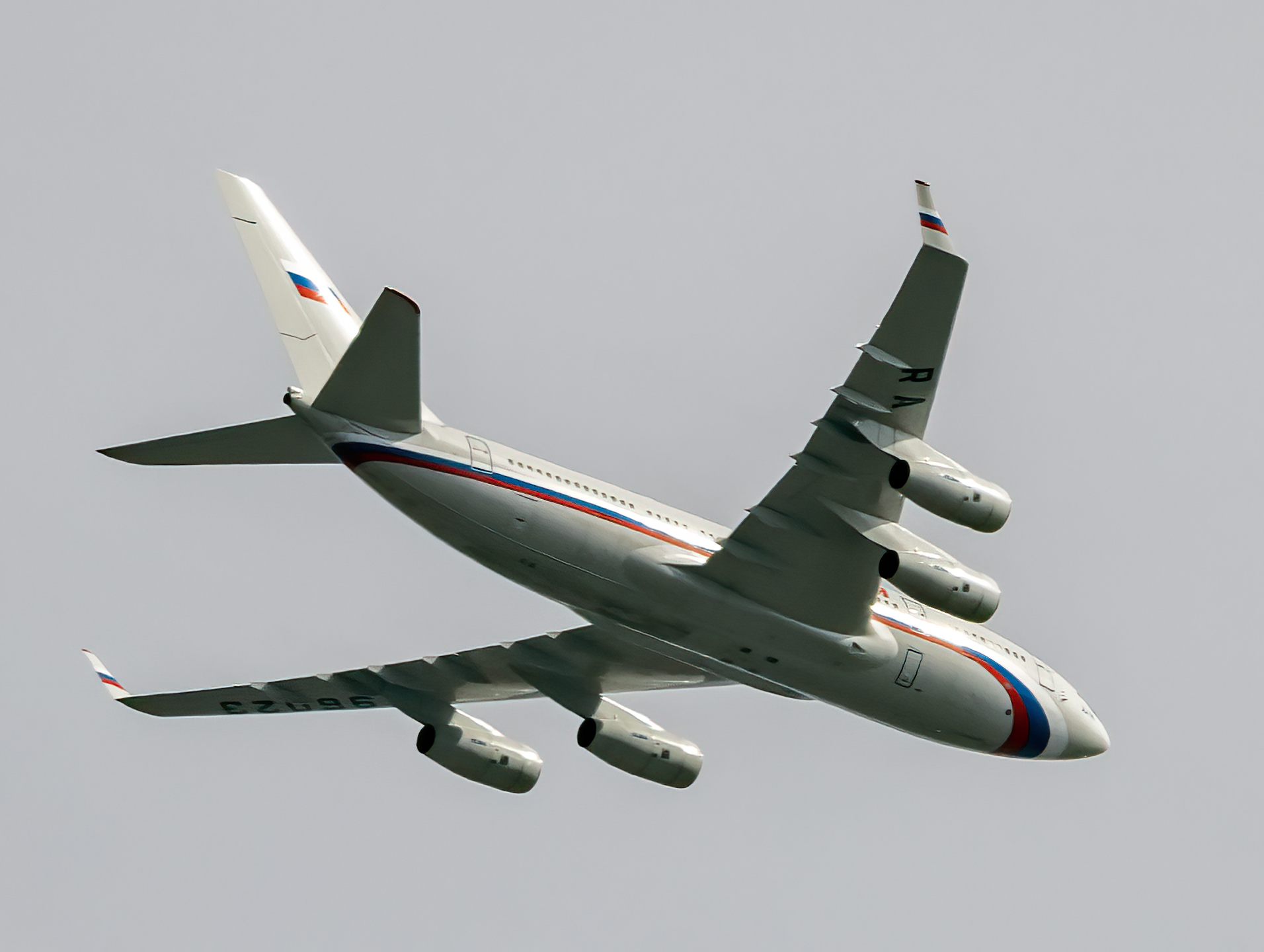
Politics / Russia–Ukraine WarOn Thursday, October 9, the Putin plane Moscow drone attack story wrote itself across Moscow's radar screens: three Il-96-300PU aircraft of the Russian presidential fleet — the long-range “flying Kremlins” that keep the Kremlin connected to its military while airborne — were flying home from Turkmenistan when Ukrainian drones forced every major Moscow airport to shut its runways. Two of the jets eventually got down at Vnukovo after circling and maneuvering; the third, tail number RA-96025, gave up on Moscow entirely and diverted to Pulkovo Airport in St. Petersburg. What is not known — and what responsible reporting must not pretend to know — is whether Vladimir Putin himself was on any of those planes.
Track it live: follow the war in Ukraine as it develops on our live Ukraine war map.
What happened over Moscow
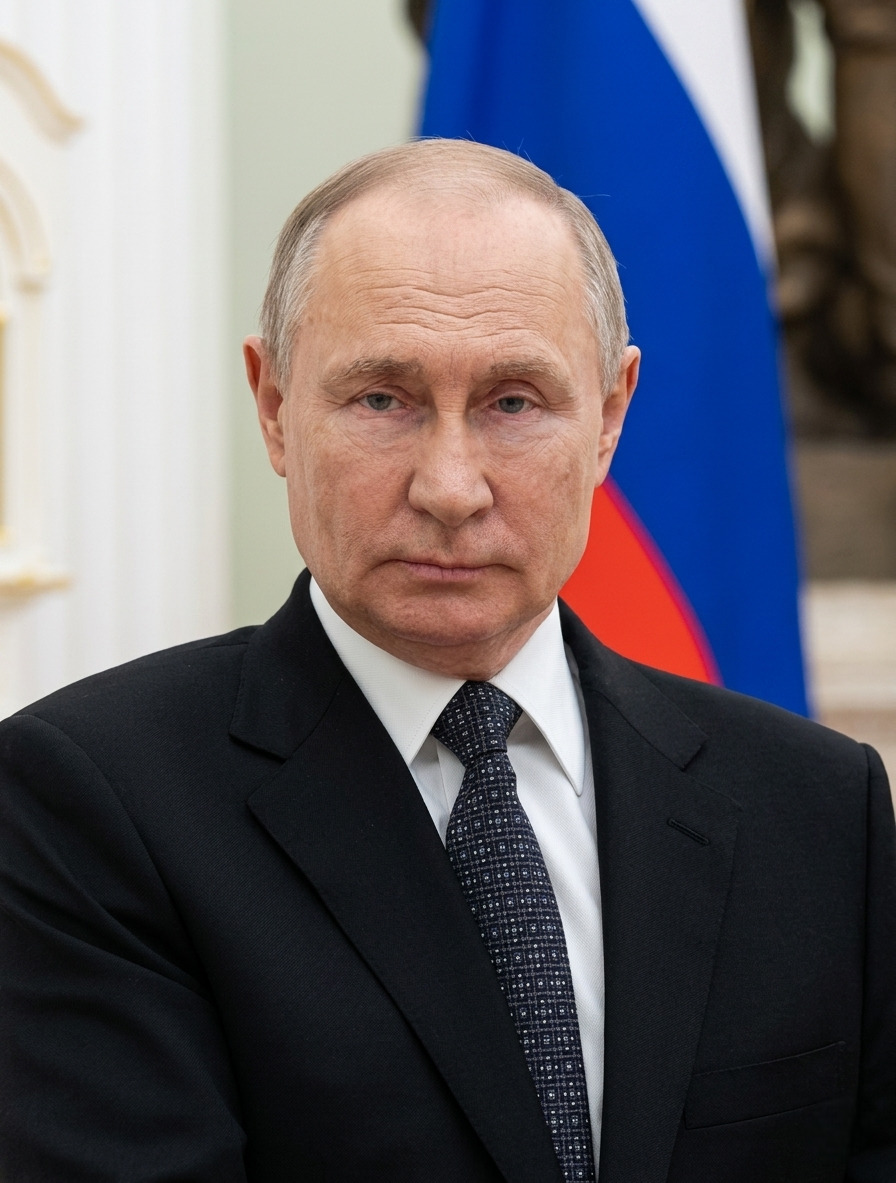
Russian outlet EADaily reported shortly after 2 p.m. that Putin was flying back from Turkmenbashi International Airport aboard a Rossiya Special Flight Squadron aircraft. The trip followed meetings in Turkmenistan with President Serdar Berdimuhamedow and Iranian President Masoud Pezeshkian, part of a summit bringing together leaders from former Soviet states and talks focused in part on the Caspian Sea region.
Hours later, the same outlet reported that the returning aircraft could not land because of a drone threat. Vnukovo, Domodedovo, Sheremetyevo and Zhukovsky closed to arrivals and departures. FlightRadar tracking described by the cited outlets showed aircraft from the returning group circling and maneuvering as their transponders appeared and disappeared from the public display.
Restrictions were reported lifted at about 6:45 p.m. Two Il-96-300PU aircraft landed at Vnukovo. A third, RA-96025, diverted north to Pulkovo Airport in St. Petersburg. A conventional Il-96-300 carrying senior officials was also caught in the disruption. The aircraft reached safe airports; the unresolved question is who occupied which cabin. It remains unclear which aircraft Putin was aboard.
Why this matters
A wartime leader's air mobility was contested over his own capital. Moscow is among Russia's most heavily defended airspaces, layered with military and civilian controls, yet the drone threat dictated when aircraft assigned to the presidency could return. Kyiv did not need to hit a plane or a runway to impose that result. The closures themselves forced the schedule, rerouting and uncertainty.
The symbolism is sharper than the operational result. One of the Kremlin's protected aircraft was turned away from Moscow, but the planes were not damaged and their passengers reached safe destinations. Both facts matter. Calling the episode a strike on Putin would overstate it; treating it as an ordinary delay would miss the strategic signal.
The evening compressed the war's asymmetry into one air-traffic problem. Ukraine uses relatively inexpensive long-range drones to make Russia spend on radar coverage, interceptors, runway closures and schedule changes across a large defensive area. Russia can shoot down individual drones and still absorb a wider disruption.
How we got here
Ukraine expanded its long-range drone campaign through 2026, aiming at military installations, fuel infrastructure and logistics nodes far beyond the front. Temporary airspace restrictions became part of the cost imposed on Russia: even when air defenses report interceptions, civil aviation authorities must keep aircraft away from uncertain routes and potential debris.
Moscow's airports have therefore become recurring pressure points. Closing them briefly protects passengers and aircraft, but each pause propagates through gate assignments, crew hours and onward connections. Repeating the tactic turns uncertainty into an economic and administrative burden without requiring Ukraine to hold air superiority.
The October 9 timing made this closure unusually sensitive. The presidential group was returning from Turkmenistan after regional summitry and Caspian Sea discussions. The Rossiya Special Flight Squadron exists to carry Russia's president, senior officials and support teams, using modified aircraft equipped for secure communication and continuity of government. Its movements are more politically charged than those of a commercial carrier.
Who wins, who loses
Kyiv: The disruption demonstrates reach deep inside Russia and forces Moscow to use air-defense attention and resources around the capital. The value is partly psychological: a strike need not penetrate to its target to alter the Kremlin's movement plan.
Moscow: Air-defense credibility takes a dent when every major airport must close, even as officials point to successful interceptions. Mayor Sergei Sobyanin said 15 drones were shot down. That claim describes defensive activity, but not the absence of disruption.
Civilian travelers: They paid the immediate price. Reported delays and cancellations reached into the hundreds as restrictions affected all four airports. Travelers who had no part in the military contest faced missed connections, changed destinations and long waits.
The Kremlin: It faces a question it has not answered: whether Putin was aboard one of the affected aircraft. The responsible conclusion is limited. It remains unclear which aircraft Putin was aboard. The confirmed story is the disruption to the returning presidential fleet, not a claim that the Russian president was stranded.
What the numbers actually say

Four airports: Vnukovo, Domodedovo, Sheremetyevo and Zhukovsky were closed, a point reported across multiple accounts. That is the clearest measure of the geographic scope: the restriction covered every major airport serving Moscow, not one isolated runway.
Delays and cancellations: The Zambian Observer reported more than 200 delayed flights and more than 200 cancellations across the four airports. The Sun reported a different tally of 370 delays and 62 cancellations. Those figures should not be merged into one definitive number because the outlets may have captured different time windows or data sets. Both show disruption measured in hundreds of flights.
Fifteen drones: Moscow Mayor Sergei Sobyanin said 15 drones were downed, according to Russian reporting carried by the cited outlets. The figure is an attributed official claim; Signal Post News has not independently verified the interception count.
Four Il-96 aircraft: The returning group described in outlet reporting included three presidential Il-96-300PU aircraft and one conventional Il-96-300 carrying senior officials. That does not establish that Putin occupied any particular aircraft. Tail number RA-96025 is tied to the St. Petersburg diversion, not to a confirmed passenger list.
What happens next
Moscow must decide whether to harden procedures around high-value movement windows or accept periodic closures as the safest response to an evolving threat. More protection can mean additional patrols, electronic warfare and tighter civil-airspace controls, but each layer carries cost and cannot eliminate uncertainty across the capital's entire approach network.
Ukraine, meanwhile, has reason to repeat any tactic that forces disproportionate defensive effort. Future long-range strikes could again coincide with sensitive official travel, military movements or logistics operations. Whether the October 9 overlap was deliberately timed to the fleet's return has not been established.
The next evidence to watch is a Kremlin statement about the disruption, any confirmed account of Putin's return and the pattern of the next long-range drone launches toward Moscow. Until then, the central fact remains narrow but consequential: drone activity closed all four Moscow airports, two presidential aircraft eventually reached Vnukovo and RA-96025 diverted to St. Petersburg.
Sources
- Zambian Observer — three Il-96-300PUs, the RA-96025 diversion, reported flight disruption and the 6:45 p.m. reopening
- Europe Says, citing Reuters — FlightRadar circling, St. Petersburg diversion and closures at all four Moscow airports
- The Irish Sun — flight-tracking detail, Turkmenistan summit context and Sobyanin's reported drone count
- The Scottish Sun — fleet movements, airport disruption and attributed delay and cancellation figures
Reporting note: Putin's personal whereabouts during the disruption are unconfirmed; outlets cited state it remains unclear which aircraft he was aboard. Flight delay/cancellation figures are attributed per outlet and differ between sources.