War / World
Pentagon officials have privately asked Lithuania, Latvia and Estonia to tone down what they say about the Russian threat, Reuters reports — a quiet-words campaign that sits uneasily beside a Russian sabotage campaign European intelligence services say is accelerating.
Track it live: Ukraine war map — live tracker
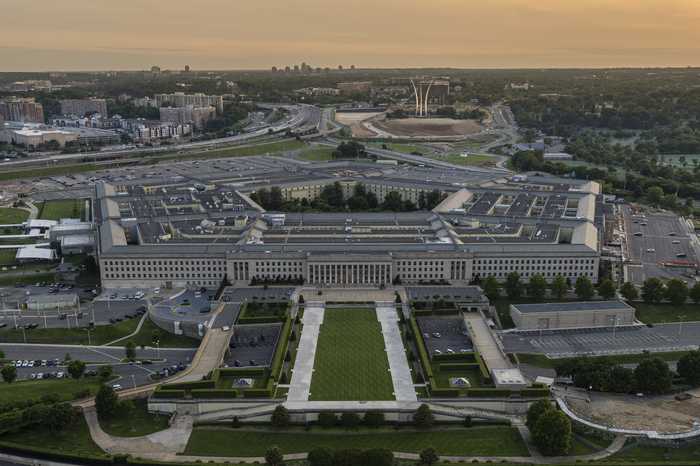
Pentagon tells Europe don’t poke Russia — that, stripped of diplomatic padding, is the private message American officials have been delivering to some of Washington’s closest NATO allies in recent weeks. Pentagon officials have asked several NATO countries to tone down their rhetoric about the threat posed by Russia, arguing that some statements by European leaders have undermined continental security, Reuters reported on Friday, October 30, 2026, citing four people familiar with the matter. Among the countries that received the message, in bilateral meetings, were Lithuania, Latvia and Estonia — the three Baltic states on NATO’s border with Russia. The requests arrive as the Trump administration restarts its push for a negotiated end to the war in Ukraine, now well into its fifth year, blending incentives for Moscow, including sanctions relief, with pressure on Kyiv to halt its attacks on Russian energy infrastructure.
What Reuters reported
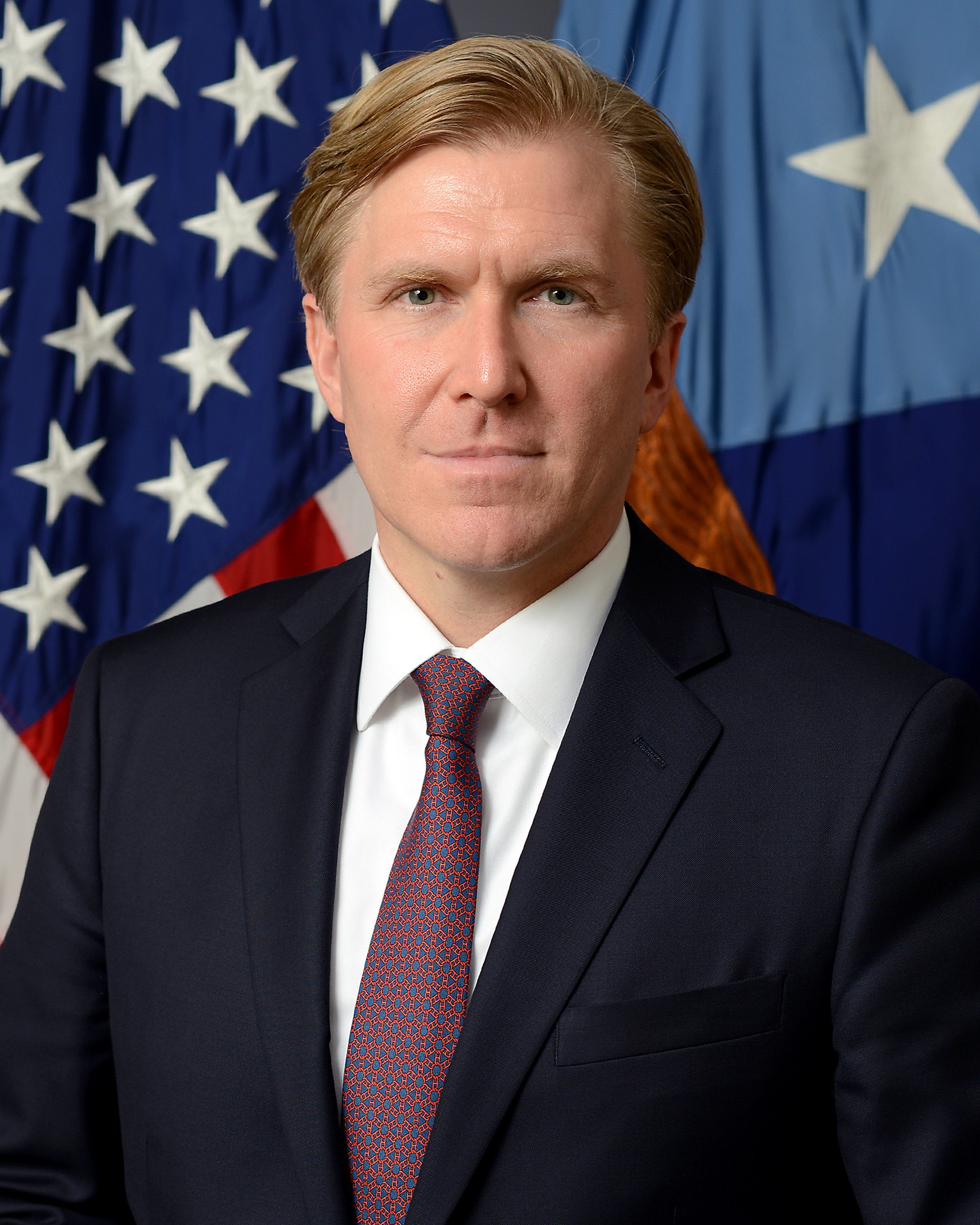
The account rests on four sources — three European officials and one U.S. official, speaking on condition of anonymity — and none of them suggested the advice was delivered in a confrontational manner. It was not clear whether the same message was conveyed to other European governments beyond the three Baltic states. Pentagon policy chief Elbridge Colby, a key figure in the Pentagon’s ongoing review of U.S. troop levels in Europe, was one of the officials delivering the message, the sources said; Reuters could not determine which other U.S. officials were involved. Asked for comment, a Pentagon official said: “Private conversations among allies are just that, so we will not comment on these allegations.” The defence ministries of Lithuania, Latvia and Estonia did not respond to requests for comment, and NATO declined to comment. Signal Post News has not independently confirmed the private conversations; what is on the record is the Pentagon declining to dispute them in substance while refusing to discuss them.
‘No poking,’ and a rat in a corner
The detail that will travel furthest is a single word. One of the people familiar with the matter told Reuters that Colby recently told a Baltic official there should be no “poking” directed at the Russians. Colby pointed, the source said, to Europeans publicly suggesting that Russia was “cornered like a rat” as an example of unhelpful rhetoric. It was not clear which specific statement he meant. In late September, however, Estonian Prime Minister Kristen Michal referred to Russian President Vladimir Putin as a “rat in a corner,” arguing that Putin was resorting to sabotage efforts in Europe as Russia’s invasion of Ukraine became increasingly bogged down. In a separate recent meeting, the Pentagon urged an Estonian delegation to be “measured” in its communications, according to a person briefed on that encounter, though that person did not say officials complained about any specific statement. Another European official summarised the American message this way: “We are helping you. The Americans are there. Just don’t be loud. Don’t make noise.”
The argument inside the alliance
The messages expose a genuine debate inside NATO about how to talk about Russia. Some Western officials argue that emphasising the threat plays into the Kremlin’s hands, because Moscow seeks to sow fear and undermine support for Ukraine. Others argue that European governments must be transparent with their own voters to justify the sacrifices and spending needed to keep Russia at bay — an argument with special force at a moment when, by the account of Western intelligence officials, Russia is accelerating a covert campaign of sabotage across the continent. Russia has denied that it is pursuing such a campaign.

Moscow tests Europe’s resolve
The timing is what makes the advice hard for its recipients to swallow. On Wednesday, German prosecutors said two Belarusians had been arrested for allegedly planning to set fire to a building or a critical infrastructure facility in the Nuremberg area. In September, the German government blamed Russia for an attempted drone attack at Leipzig/Halle Airport — allegations Moscow denied. Western intelligence officials have said Moscow has recently intensified a campaign of deniable attacks on NATO countries, and other NATO intelligence services have publicly warned that Russia could dramatically ramp up its sabotage campaign in the near future. Against that backdrop, one European official told Reuters the Pentagon’s advice, while cordial, was baffling — because intelligence services in the Baltic states themselves have in recent months consistently played down the probability of Russia testing NATO’s mutual-defence provisions. In other words, Washington is asking some of the alliance’s most measured capitals to become quieter still, at the very moment other allied services are warning louder. SPN’s earlier coverage of Russia testing NATO with hybrid attacks warnings traced the same escalation ladder of arson, drones and deniable plots.
Why Washington wants quieter allies now
Read the rhetoric request alongside everything else the Trump administration is doing this month, and a pattern forms. The renewed peace push has combined inducements for Russia — sanctions relief is openly on the table — with pressure on Ukraine, including pressure to halt strikes on Russian energy infrastructure: the unofficial refinery pause Kyiv held under American pressure, and which Ukrainian drones appeared to end when a refinery resumed being hit on Friday at Novokuybyshevsk. Business deals with Russia are simultaneously being discussed by U.S. officials as part of the peace effort, Reuters reported — efforts that have drawn mixed reactions from European officials, many of whom want the Kremlin’s economic isolation maintained. A negotiation conducted in that register has an obvious communications requirement: allies publicly describing Putin as a cornered rat complicate a courtship. Quiet allies are, in this design, not a courtesy but an instrument — every European statement is either leverage or noise, and Washington has decided much of it is noise. The same instinct produced the selective diplomacy SPN reported earlier this month, when the Pentagon left the Baltic states out of a Pentagon working group on NATO’s future: the front-line states are being managed as a variable in a negotiation, not consulted as its authors.
Why this matters
Three things are actually at stake. First, credibility. Deterrence is a communications act as much as a military one: what allies say about Russia is part of the signal Moscow reads when it calibrates how far a deniable arson plot or a drone probe can go. An alliance that lowers its voice while sabotage rises is sending a signal too — whether it intends to or not. Second, the troop question. Colby is not a spokesman freelancing; he is a central figure in the Pentagon’s review of U.S. forces in Europe, a process Reuters notes could produce a sharp drawdown of America’s troop presence on the continent, as Washington tells Europeans to assume more responsibility for their own defence while it focuses on the Middle East, Latin America and East Asia. Advice about rhetoric, delivered by the man reviewing the troop presence, lands differently than the same advice from a press office: recipients hear the unspoken second sentence. Third, democratic consent. European governments that have raised defence spending to the top of the NATO table — NATO’s own July estimates put Lithuania, Estonia and Latvia at the very top of the alliance by share of GDP — made those sacrifices politically possible by telling their publics the truth about the threat, loudly. Asking them to soften the message while keeping the budgets is asking for the money without the argument that produced it.
Who gains, who loses
In the short term, the gain accrues to the negotiators. A quieter Europe gives Trump’s team a cleaner channel to Moscow and removes one excuse for the Kremlin to walk away from talks. Ukraine’s position is more ambiguous: Kyiv benefits if American engagement produces a settlement it can accept, and loses if the price of that engagement is paid in allied silence and Ukrainian restraint while Russian strikes continue. The Baltic states lose something specific and hard to replace — agenda-setting power. Small front-line states survive inside alliances by making their threat assessment the alliance’s common sense; being told to lower their voice is being told, in effect, that their assessment is no longer the one Washington is selling. Critics of the Pentagon’s approach, including European officials speaking to Reuters, call the advice baffling for exactly that reason. Its defenders — the officials who delivered it — would answer that loose talk about a cornered Russia risks cornering Putin for real, and that a negotiated end to a fifth-year war is worth some managed quiet.
What the numbers say
The verifiable structure of the story is small and telling. Four sources described the messages; three countries were named as recipients; two of the quoted formulations — “poking” and “rat in a corner” — are about tone, not policy. No ally was accused of a wrong deployment, a broken commitment or a missed spending target. That is the point: this is a dispute about language inside an alliance whose material facts are moving the other way — sabotage arrests in Germany this week, a drone attempt blamed on Russia last month, a troop review that could shrink the American footprint, and a war in its fifth year in which Russia’s overnight strikes are still putting hundreds of thousands of Ukrainians in the dark. When the facts are escalating and the requested rhetoric is de-escalating, the gap between the two is itself the news.
What happens next
Watch three things. The first is whether Baltic and other European leaders actually lower their voices in the coming weeks — compliance will be visible in summit communiqués and in how the next sabotage incident is described. The second is the troop review: if the rhetoric campaign is followed by a substantial drawdown, European capitals will read the two as one policy, whatever Washington says. The third is Moscow’s behaviour. If deniable attacks continue while allied language softens, the officials who called the advice baffling will say the experiment has been run and has failed. If the peace push produces a verifiable pause in the war, the Pentagon will claim its quiet diplomacy worked. Either way, an alliance argument about adjectives has become the clearest available window into how the Trump administration intends to end — or manage — Europe’s largest war since 1945.
Sources
- Reuters, “Pentagon tells Europeans to cool their rhetoric on Russia, sources say,” October 30, 2026 (exclusive; four people familiar with the matter; Pentagon, Baltic defence ministry and NATO responses as quoted). The same Reuters report was carried by Arab News and The Straits Times on October 30, 2026.
- Photos: U.S. Navy Petty Officer 2nd Class Alexander Kubitza / U.S. Department of Defense and U.S. Department of Defense (public domain), and Sergei Gussev (CC BY 2.0), via Wikimedia Commons, as credited in the captions. File photographs of the Pentagon, Elbridge Colby and Tallinn — not photographs of the private meetings reported by Reuters.